Published: 04 April 2026. The English Chronicle Desk. The English Chronicle Online
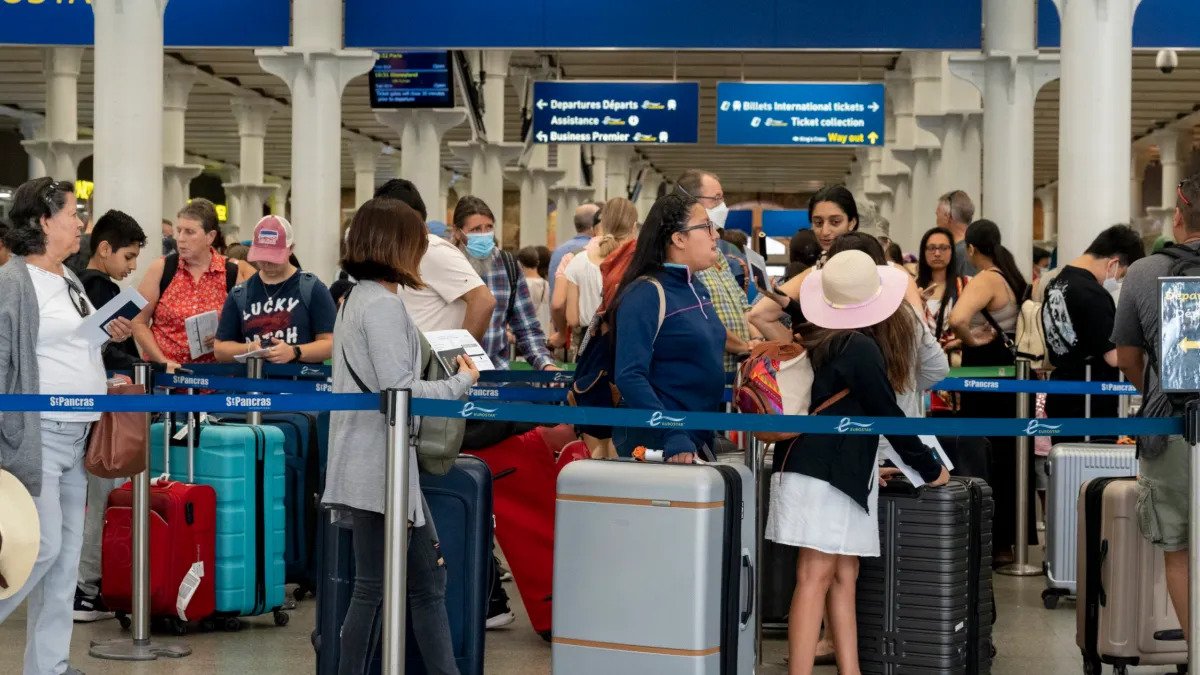
Plans to introduce new biometric border checks for travellers crossing the English Channel have once again been delayed, easing concerns of severe disruption during the busy Easter travel period. The European Union’s Entry-Exit System (EES), designed to collect fingerprint and facial recognition data from non-EU visitors, including British citizens, will not yet fully apply to passengers using key cross-Channel transport routes such as Eurostar and Eurotunnel services.
Transport operators and port authorities confirmed that travellers heading from the United Kingdom to France in the coming weeks will not experience immediate changes to existing border procedures. The postponement follows technical delays in the deployment of the digital infrastructure required to process biometric data at French border checkpoints located within the UK. As a result, traditional passport stamping will continue for most rail, ferry and vehicle passengers travelling across the Channel.

The new system is part of a broader European effort to modernise border control and strengthen migration monitoring across the Schengen area. The EES aims to replace manual passport stamping with an automated digital register that records biometric identifiers, travel history and entry and exit dates of non-EU nationals. While officials argue that the system will improve efficiency and security in the long term, the implementation process has encountered logistical and operational challenges at several transport hubs across Europe.
Travellers using services operated by Eurostar and Eurotunnel are among those temporarily unaffected by the upcoming phase of the rollout. Authorities confirmed that the biometric component of the system will not yet be activated for rail and shuttle passengers due to delays in France’s ability to deploy and test the necessary technology. Officials at the Port of Dover also confirmed that preparations are ongoing but full implementation will not occur until technical systems are fully operational.
Despite the delay, some categories of travellers have already begun undergoing EES procedures. Lorry drivers, coach passengers and certain ferry foot passengers have experienced biometric registration checks at selected crossing points since late 2025, providing authorities with an opportunity to test the system before expanding its use to larger passenger volumes.
The European Union initially planned to introduce the Entry-Exit System several years ago, but repeated postponements have reflected the complexity of harmonising border technology across multiple countries. Pilot schemes have already been trialled at airports including Lisbon and Brussels, where passengers reported long queues while biometric information was manually processed by border officials. Some airports have installed automated kiosks, although not all have been activated as authorities continue to evaluate operational efficiency.
Infrastructure investments have been substantial. Companies involved in cross-Channel transport have spent millions upgrading facilities to accommodate biometric scanning kiosks and revised traffic management systems. Getlink, the parent company of Eurotunnel, has reportedly invested tens of millions of pounds in preparation for the transition, while Eurostar has also installed automated processing gates at London’s St Pancras International station. However, many of these facilities remain unused as authorities continue testing procedures designed to prevent excessive delays.
Industry groups representing airlines and airports have expressed ongoing concerns that the expansion of biometric border checks could create bottlenecks during peak travel periods. Trade organisations including Airlines for Europe (A4E) and Airports Council International Europe (ACI Europe) have warned that extended queues could disrupt travel plans and negatively affect passenger confidence. They have urged European authorities to allow flexibility in implementing the system, including the option to temporarily suspend biometric checks if waiting times become excessive.
Critics argue that the EES adds additional complexity for travellers following the United Kingdom’s departure from the European Union, as British citizens now fall into the category of third-country visitors subject to stricter border monitoring requirements. While the system is intended to improve security and track overstays, some travel industry leaders have questioned whether the current pace of implementation is practical, particularly during busy holiday seasons.

Officials from the European Commission have indicated that border authorities may apply discretion in the application of biometric checks during the early phases of implementation, particularly if long queues threaten to disrupt travel flows. Such flexibility is expected to remain in place at least through the summer period as authorities continue refining procedures and upgrading systems.
Although the latest delay reduces the likelihood of immediate disruption, the transition to biometric border controls remains inevitable as part of the EU’s long-term border management strategy. Travellers are advised to monitor official guidance and allow extra time for journeys once the system becomes fully operational.
The evolving situation highlights the broader challenge of balancing technological innovation with the practical realities of international travel. While biometric identification promises improved efficiency and enhanced security, its implementation requires careful coordination between governments, transport operators and border agencies to ensure a smooth transition for millions of passengers crossing European borders each year.
Related News:
 British Woman in Iran ‘Losing Hope’ Amid Ongoing Detention
 BBC Journalist Held and Interrogated in Vietnam
 Green Party Surges Past Labour in Latest UK Poll
 Celebrities and Charities Demand UK Government Act on Child Poverty
 Trump’s UK Ambassador Urges North Sea Drilling to Strengthen US Ties
 FBI Director Kash Patel Defends Girlfriend Amid Government Jet Claims
 French Taxi Driver Cleared in David Lammy Theft Case After Fare Dispute
 ‘Reckless’ cuts to victims’ services will cost more than they save
 Millionaires group urge Reeves to introduce wealth tax to ‘lift kids out of poverty’
 Starmer Faces Growing Dissent as Labour MPs Weigh Leadership Challenge
 Reeves rejects £1bn plea for NHS redundancy payouts
 Politics latest: Starmer ‘will fight any leadership coup’ as Streeting denies attempt to oust Labour PM
 PM Condemns Leaks, Vows Loyalty to Ministers and Stability
 Major Rent Reform Ends No-Fault Evictions in England
 Peers Flood Assisted Dying Bill with 942 Amendments
 England’s Special Needs Support Faces Breaking Point
 MoD warned over Excel risks before Afghan data breach
 Labour Faces Historic Decline in Wales
 PM Highlights UK Business at G20 in South Africa
 Most Tories Expect to Support a Farage-Led Government
 Labour MP claims devolution bill is ‘blatant discrimination’ against Cornwall
 Millions Face Higher Taxes Under Reeves New Budget
 Peers Get Extra Time to Debate Assisted Dying Bill
 Starmer Says Labour’s Economic Plan Needs Years to Deliver
 Culture secretary to review Telegraph takeover by Daily Mail owner
 Plans to Limit Jury Trials Face Retreat After Mounting Opposition
 Right Must Unite After Jenrick Defection, Urges Rees-Mogg
 UK Ministers Drop Foreign Student Targets for Global Education Push
 MPs warn AI financial risks threaten UK stability
 MPs warn AI financial risks threaten UK stability
 No Gas Boiler Ban as UK Warm Homes Plan Backs Heat Pumps
 Hugh Grant Joins Call for Under-16 Social Media Ban in UK
 Shinzo Abe’s killer receives life sentence in Japan
 Lords Vote Piles Pressure on Starmer Over Social Media Ban
 Reform UK Health Plan ‘Would Cost £1.7bn’, Streeting Says
 Police response times face strict new national limits
 Labour policing overhaul sparks fears over growing central control
 Tories criticised after Braverman defection sparks mental health row
 Burnham Westminster return hopes fade amid Labour rift
 Starmer warns of toxic division politics in Reform challenge
 Starmer China visit raises human rights pressure on Beijing
 Palantir contracts face UK halt calls over transparency
 Labour Thinktank Row Deepens Over Journalist Probe Claims
 Labour Lord Doyle Apologises Over Paedophile Ties in Political Storm
 Cabinet Secretary Shake-Up Triggers Due Diligence Warning
 Starmer Faces Inquiry Calls Over Thinktank Probe
 Royal Mail Delivery Crisis Deepens Amid Weather Chaos
 Labour Together probe scandal sparks fresh Cabinet Office investigation
 Farage to Name Jenrick as Reform Chancellor Pick
 NHS Negligence Ruling Raises Payout Costs
 Civil Service Pay: Union Urges Ministers to End ‘Barking Mad’ Limits
 Antonia Romeo appointment sparks criticism
 Trump and Chagos Deal Rift Over Iran Strikes
 Farage Chagos Islands Row Sparks Fury
 Trump Tariffs Threat Spark UK and EU Alarm
 Gasfield Deal Sparks Debate Over Fracking in Lincolnshire
 Reform UK targets workers’ rights repeal
 Mandelson Denounces Arrest Over ‘Baseless’ Fleeing Claims
 Russian Trade Routed Through British Islands Exposed
 Mandelson Arrest: Met Apologises to Hoyle
 Palestine Action ban appeal moves forward
 Reeves Must Back Defence Plan or Face Dismissal, Says Unite Chief
 Rolling Hills and Heritage: A Car-Free Break in Leicestershire
 NHS Maternity Units Cover Up Harmful Childbirth Errors
 Green Party Stuns Labour in Gorton and Denton Byelection
 Refugee Status Overhaul Sparks UK Debate
 BBC Charter Reform Sparks Independence Battle
 Asylum Seekers to Work After Year-Long Wait
 Thousands Protest Iran Strikes Outside US Embassy London
 US Bombers Arrive at RAF Base Amid Rising Iran Tensions
 UK Prepares Aircraft Carrier for Middle East Crisis
 UK Oil and Gas Supplies Reassured Amid Middle East Concerns
 Proposed Law Leaves Gap for Children of Convicted Paedophiles
 Ministers Urged to Act Faster on Deepfakes Threat
 Yvette Cooper: UK Must Follow Principles, Not US Pressure
 UK Cuts Climate Aid by 14% in Strategic Refocus
 Iran’s Failed Strike on Diego Garcia Sparks UK Security Concerns
 Wes Streeting Backs Starmer Amid Speculation of Leadership
 NHS Staff Shortages Stifling Recovery for Stroke Survivors
 Can King Charles Calm Trump on Key US Visit?