Published: April 6, 2026
The English Chronicle Desk
The English Chronicle Online
Category: World News
Subcategories: Middle East, Diplomacy, Conflict
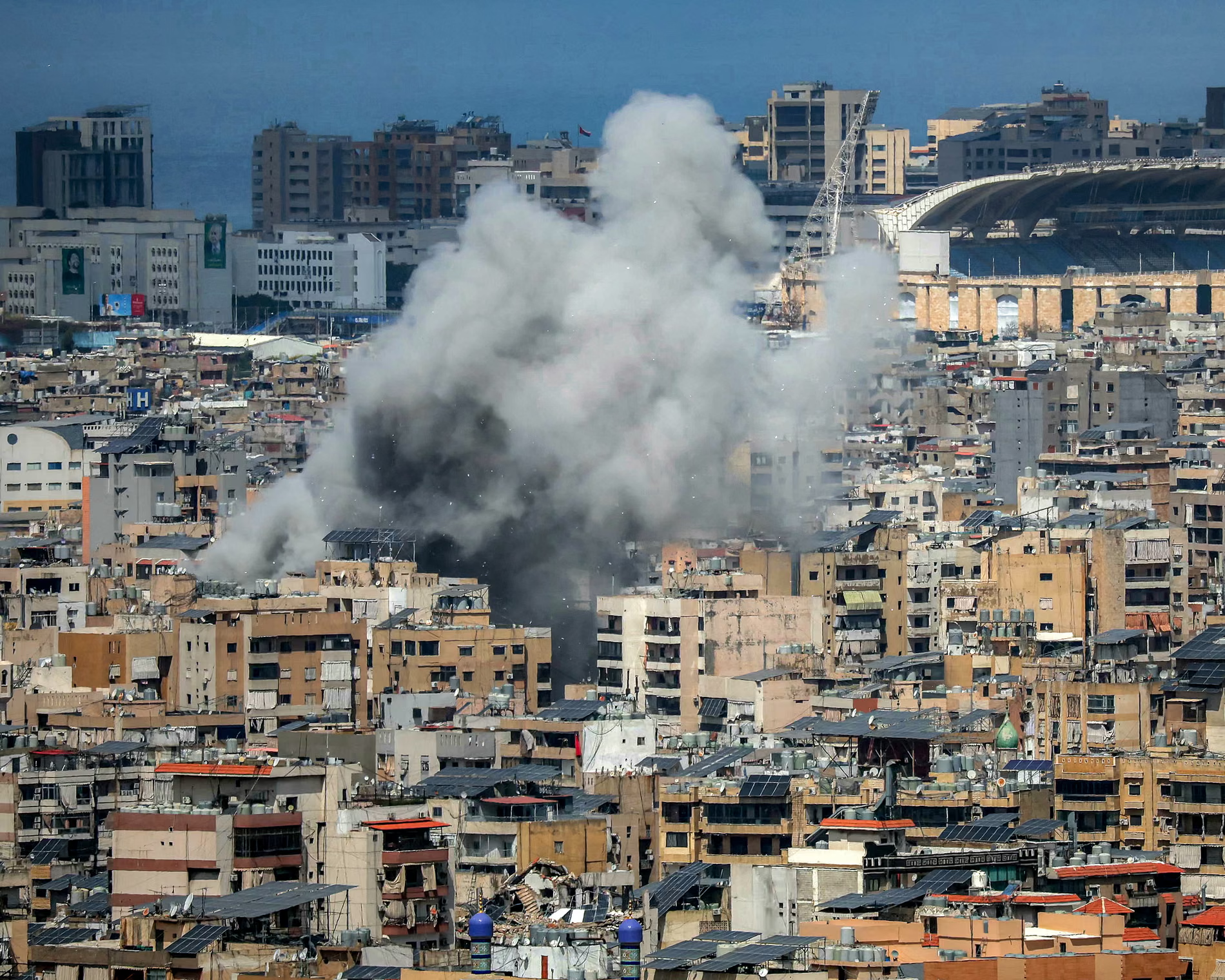
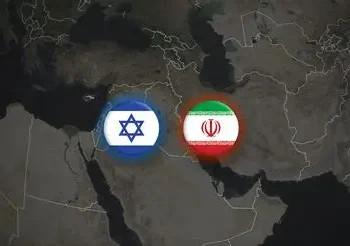
Iran has confirmed it has received a proposed ceasefire plan aimed at halting escalating hostilities in the Middle East, but has accused the United States of lacking the political will to pursue a genuine peace settlement.

According to Iranian officials, the proposal was delivered through international mediators as part of ongoing efforts to establish a temporary pause in fighting followed by broader negotiations. However, Tehran signalled immediate scepticism over Washington’s intentions, arguing that the conditions attached to the plan remain unacceptable.
Iranian state-linked commentary suggested that while the document was formally received and reviewed, it does not reflect a balanced framework for ending the conflict. Officials claimed the United States continues to escalate military and political pressure while simultaneously presenting diplomatic initiatives.
The announcement comes amid intensified regional tensions involving Iran, the United States, and Israel, with continued reports of airstrikes, retaliatory attacks, and widening security operations across multiple theatres. Mediation efforts involving regional and international actors have increased in recent weeks, but a durable agreement remains elusive.
Iranian representatives reiterated that any ceasefire must include guarantees over the cessation of targeted strikes, respect for national sovereignty, and a structured pathway toward longer-term security arrangements. They argue that without such conditions, temporary pauses risk simply resetting rather than resolving the conflict.
From Washington’s side, officials have maintained that diplomatic channels remain open, but have also linked any agreement to broader strategic demands, including security assurances and regional compliance measures. This divergence continues to obstruct progress toward a unified framework.
Analysts note that both sides appear to be engaging in parallel strategies of military pressure and conditional diplomacy, a pattern that has repeatedly undermined previous ceasefire attempts in the region. The result, they say, is a cycle in which proposals are acknowledged but not fully accepted.

International mediators are continuing efforts to bridge the gap between the two positions, with renewed discussions reportedly focusing on phased de-escalation mechanisms and monitoring arrangements.
Despite the latest diplomatic activity, Iran’s position reflects deep mistrust of US commitments, with officials warning that without concrete enforcement guarantees, any ceasefire risk being short-lived or strategically exploitable.
Related News:
 Israel and Hezbollah Exchange Fire as Conflict Worsens
 Iran’s Regime Still Intact — Coming Days Will Test Its Survival
 Allies of US in the Gulf Bear Brunt of Iran Attacks
 Hopes and Fears as US Iranians Take to Streets After Toppling of Supreme Leader
 Retaliations Continue on Day Two of US-Israel Attacks on Iran
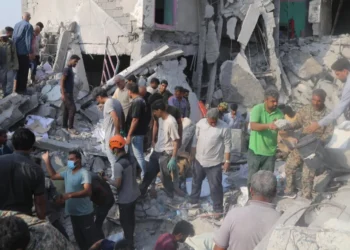 At Least 153 Dead After Reported Strike on School, Iran Says
 At Least 153 Dead After Reported Strike on School, Iran Says
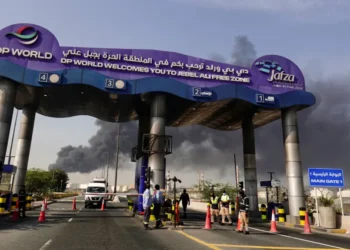 ‘It’s Eerie’ – Dubai on Edge as City Comes Under Attack
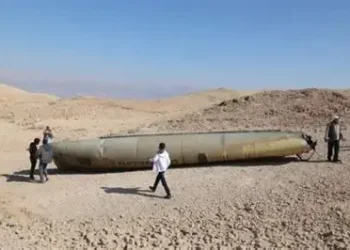 BBC Reports from Beit Shemesh After Deadly Iranian Missile Strike
 Iran, the US, and a World Cup That Starts in Three Months
 Allies of US in the Gulf Bear Brunt of Iran Attacks
 Israeli Attacks Kill 31 in Lebanon, Iran Strikes Across Region, US Warplanes Crash in Kuwait
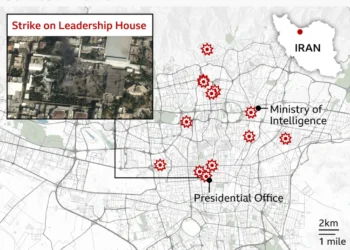 In Maps: Strikes Across Iran and the Middle East
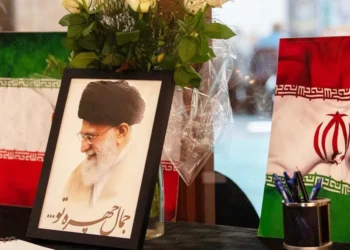 Months of Planning Behind US‑Israeli Mission to Target Iran’s Supreme Leader
 Cooper: Joining US Strikes on Iran ‘Not in Britain’s Interest’
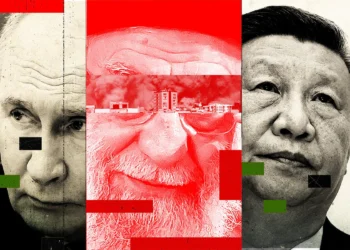 What Khamenei’s Death Means for Russia and China
 Tehran Makes New Threat to Gulf Shipping as US Says ‘Hardest Hits’ on Iran ‘Yet to Come’
 Trump’s Iran Endgame Unclear After Mixed Messaging on War Aims
 Did Trump Declare War and Did Congress Approve Iran Attacks? What to Know
 Rubio Responds to Reported Strike on Iranian School
 Scots Caught Up in Middle East Crisis ‘Just Waiting for the Next Explosion’
 The Third Day of the US‑Israeli War With Iran
 Why the US and Israel attacked Iran
 Israel Launches Fresh Strikes on Tehran & Beirut; US Warns “Hardest Hits” Ahead
 Three Days In, This War’s End Is Still Unclear
 US Has ‘Enough Weapons for Forever War,’ Trump Says
 Israel Strikes Lebanon After Hezbollah Rocket Fire as Iran Conflict Widens
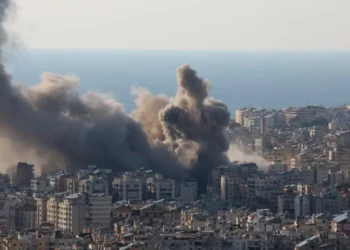 Latest on Middle East Conflict — In Maps: Strikes Across Iran and the Region
 ‘I saw missiles being intercepted’: Influencers recount shock as Iran hits Dubai landmarks
 Amazon Says Drones Damaged Three Facilities in UAE and Bahrain
 Man Recalls ‘Terrifying’ Dubai Missile Ordeal During Iran Strikes
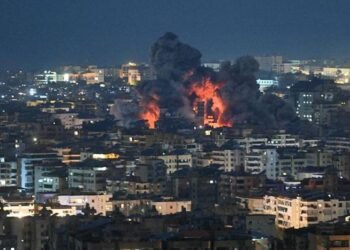 Israel’s New Airstrikes on Tehran & Beirut After US Embassy in Riyadh Is Hit
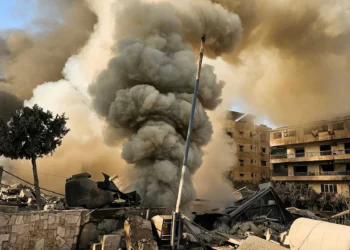 Israel Launches Ground Invasion of Lebanon Amid Widening Middle East War
 Iranian Rockets Are Testing the Resolve of Dubai’s Instagram Stars
 Airline Pilots Feared Iranian Missile Had Been Fired at Them
 US Embassy in Riyadh Hit by Iranian Drones as Israeli Troops Enter Southern Lebanon
 US Strikes on Iran Triggered by Israel’s Plan to Launch Attack, Rubio Says
 First Wave of Europeans Stranded by Iran Conflict Return Home, With Hundreds of Thousands Still Left in Region
 Sixth American Service Member Killed in Iran Operation as Conflict Intensifies
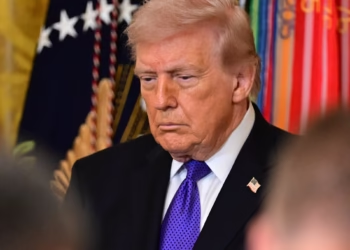 Trump Rebukes Starmer Over UK Refusal to Back Strikes on Iran
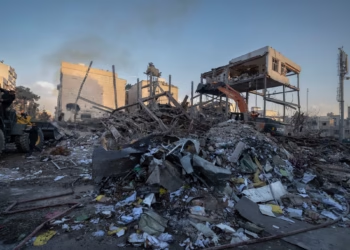 Civilian Deaths in Iran Pass 700 Amid Fear of Bombs and Regime Clampdown
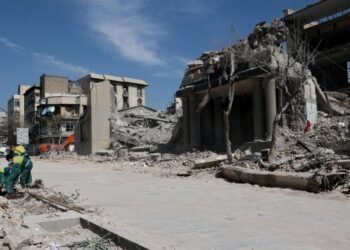 US Senate Backs Trump War Powers Amid Iran Missile Barrage
 UK Prepares Aircraft Carrier for Middle East Crisis
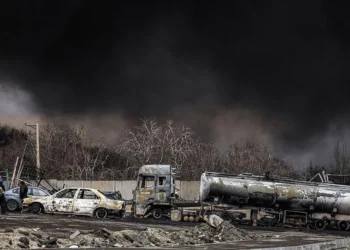 Nine Days of Strikes Reshape the Middle East
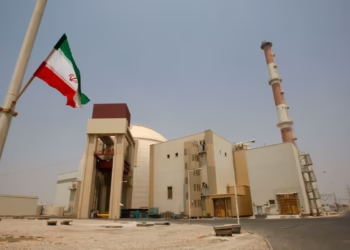 Putin Orders Evacuation at Iran Nuclear Plant Amid ‘Catastrophe’ Fears
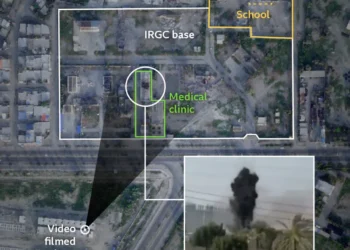 Video Analysis Suggests US Missile Hit Base Near Iran School
 ‘Even Under Missiles We Carry On Living’: Iran’s Youth in War
 Busy International Airport Targeted by Iran in Latest Strikes
 GPS Jamming: The Invisible Battle in the Middle East
 Death, displacement and military duties: children plunged into crisis
 Iran Says Intelligence Chief Killed in US-Israeli Strike as Trump Threatens ‘Hell’ Without Deal
 ‘I Would Scream in My Sleep’: Alawite Women from Syria Tell of Kidnap and Rape
 Iran Says ‘Guiding Principles’ Agreed With US at Nuclear Talks
 Ukraine Negotiator Reveals What It Feels Like Facing Russia
 ‘Anyone who runs is shot’: Russian soldiers describe killings of troops who refuse orders
 ‘Fear Is Everywhere’: Reports From Mexican City Turned Into War Zone by Drug Cartel Feud
 Orbán Accuses Ukraine of Disrupting Oil Supplies to Hungary
 US Iran Operation: Sixth Service Member Killed
 Hezbollah Anger Erupts as War Returns to Beirut
 Limited Flights Leave UAE But Disruption Continues Amid Iran Strikes
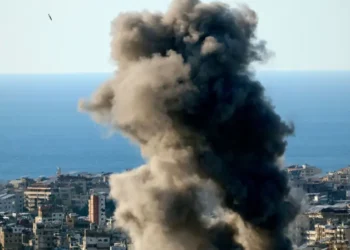 Israel Launches Fresh Strikes on Tehran and Beirut on Day Four
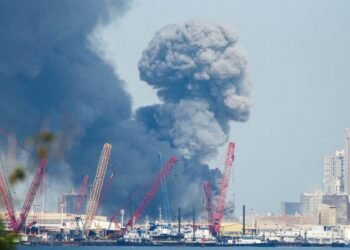 Trump Underestimated the Iranian Regime’s Will to Survive
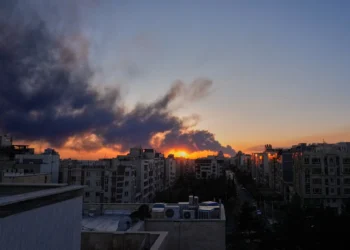 Middle East attacks intensify as Trump rejects Iran talks
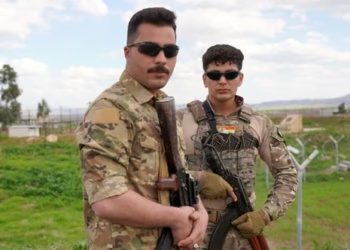 Iran-Iraq border airstrikes spark new tensions
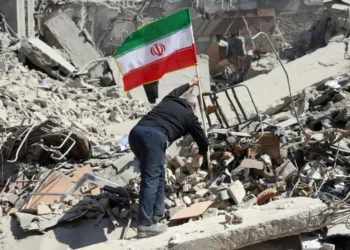 ‘Every Day Feels Like a Month’: Iranians Describe Life Under ‘Constant’ US‑Israeli Strikes
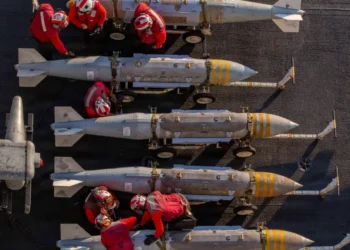 How Depleted Weapons Stockpiles Could Affect the Iran Conflict
 Macron Finds ‘Freedom Fries’ Redemption in Iran Crisis
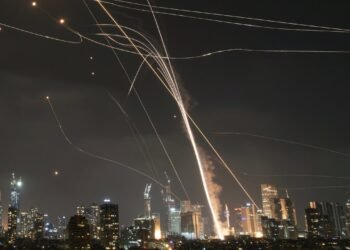 ‘We Must Finish This’: Israelis Rally Behind War Effort as Iran Strikes Tel Aviv
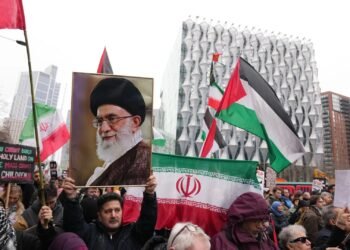 Thousands Protest Iran Strikes Outside US Embassy London
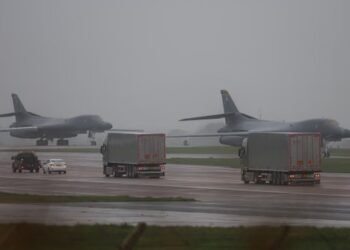 US Bombers Arrive at RAF Base Amid Rising Iran Tensions
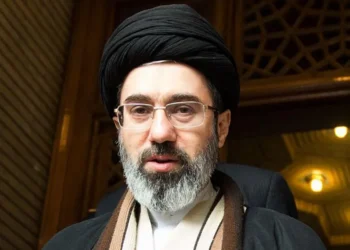 Iran’s New Leader Faces Existential Test
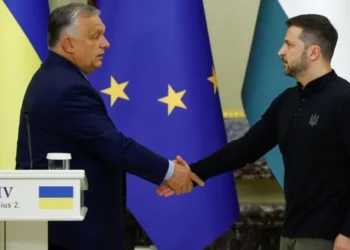 Ukraine War Becomes Flashpoint in Hungarian Election
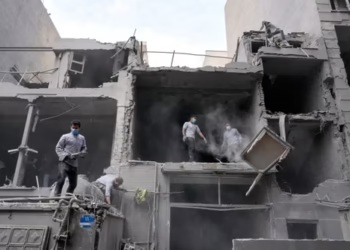 Trump Iran War Stance Hardens as Conflict Widens
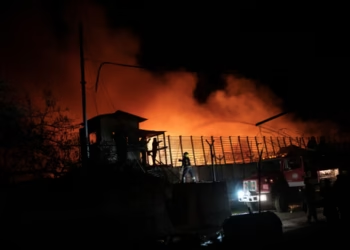 Kabul hospital strike sparks deadly blame row
 Trump’s Confidence Undimmed — But Every Iran Option Carries Risk
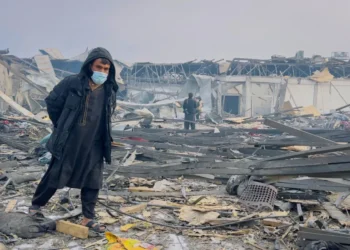 Dozens Killed After Afghanistan Rehab Centre Struck
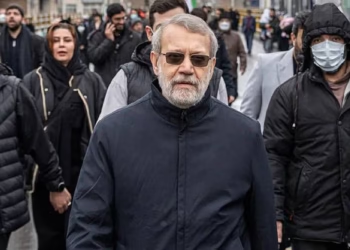 Israel Says Iran Security Chief Larijani ‘Killed’
 Gulf Distrust Grows Over Rumoured US-Iran Peace Talks
 Saudi Arabia Urging US to Keep Up Iran Attacks
 Trump Threatens Iran With Total Infrastructure Destruction