Published: 05 December 2025. The English Chronicle Desk. The English Chronicle Online
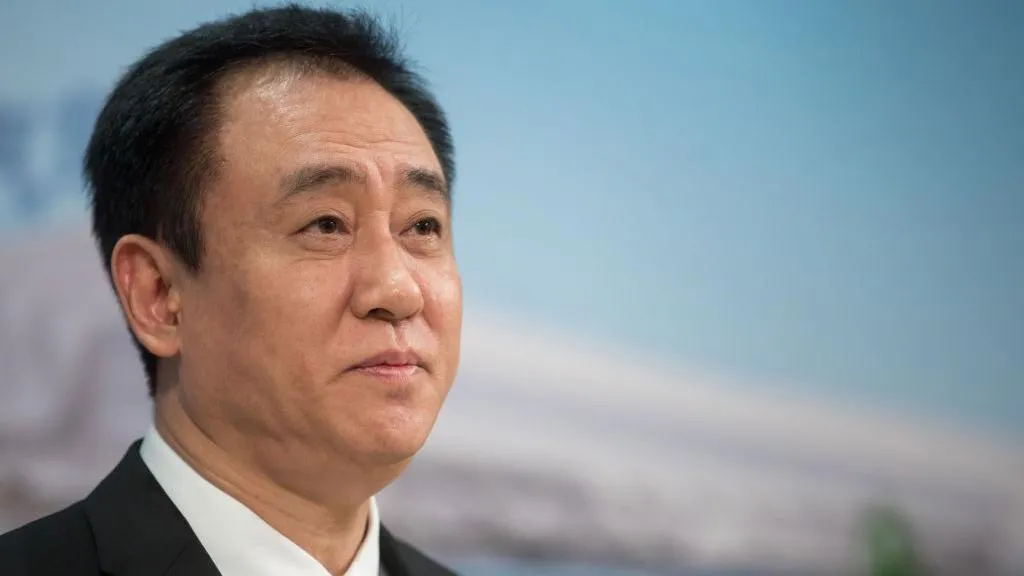
Hui Ka Yan, the founder of the embattled Chinese property developer Evergrande, has pleaded guilty to a sweeping array of charges including embezzlement of corporate assets and corporate bribery, according to an official statement issued by the court. The admission of guilt marks a historic moment in the unraveling of what was once China’s most successful real estate empire. During a high-profile public hearing held on 13 and 14 April in the southern city of Shenzhen, Hui expressed profound remorse for his actions. The proceedings, which were closely monitored by state media and international observers, have laid bare the inner workings of a debt-fueled crisis that has fundamentally altered the landscape of the Chinese economy.
The court indicated that while the guilty plea has been entered, the formal verdict and sentencing will be announced at a later date. This pivotal moment follows years of speculation regarding the fate of the man who once stood as a symbol of China’s rapid urbanization and wealth creation. The fallout from Evergrande’s collapse in 2021 continues to ripple through the global financial markets, leaving international investors and domestic banks grappling with the scale of the losses. For hundreds of thousands of Chinese citizens who invested their life savings into unfinished homes, the court proceedings represent a bittersweet step toward accountability.

Evergrande’s ascent was nothing short of meteoric. At its peak, the company was China’s preeminent real estate firm, boasting a stock market valuation exceeding $50 billion. However, the court heard damning evidence detailing how this success was partially built on a foundation of systemic fraud. Prosecutors alleged that the company diverted millions of dollars in pre-sale funding—money specifically paid by home buyers to secure future properties—away from construction costs. Instead, these funds were funneled into high-risk new projects and to cover the interest on the company’s staggering debts, leaving behind a wake of unfinished developments across nearly 300 Chinese cities.
Hui Ka Yan, also known by his Mandarin name Xu Jiayin, began his journey from humble beginnings in rural Henan province. Raised by his grandmother after his mother passed away when he was an infant, he eventually moved to Guangzhou to venture into the burgeoning property market of the 1990s. He founded Evergrande in 1996, capitalizing on the massive migration of workers from the countryside to the cities. By 2017, Forbes estimated his fortune at $42.5 billion, briefly making him the wealthiest person in Asia. His lifestyle became synonymous with the era’s opulence, characterized by private jets, luxury yachts, and the acquisition of the Guangzhou FC football team.
The empire’s expansion was relentless, fueled by an aggressive borrowing strategy that eventually saw the company amass over $300 billion in liabilities. Evergrande became a conglomerate that touched almost every aspect of Chinese life, expanding into electric vehicle manufacturing, theme parks, and even the bottled water industry. However, the music stopped in 2020 when Beijing introduced the “Three Red Lines” policy, a regulatory framework designed to deleverage the country’s overheated property sector. Stripped of its ability to borrow more money, Evergrande was forced into fire sales of its assets, a move that triggered a liquidity spiral from which it never recovered.
The guilty plea follows a series of previous disciplinary actions. In March 2024, Chinese regulators fined Hui approximately $6.5 million and imposed a lifetime ban from the country’s capital markets. This was a response to findings that Evergrande’s flagship unit had inflated its revenue by a staggering $78 billion in the years leading up to its default. The scale of the misreporting is considered one of the largest financial frauds in history, dwarfing other global corporate scandals. The subsequent investigation into Hui’s personal conduct and the misappropriation of funds led to his detention by authorities in late 2023.
Economists point to Evergrande’s downfall as a primary catalyst for China’s persistent property market slump. The sector, which once accounted for roughly a quarter of China’s gross domestic product, has struggled to regain its footing as consumer confidence remains low. The sheer size of Evergrande’s operation—1,300 projects across 280 cities—meant that its failure was not just a corporate disaster but a systemic threat. The ongoing legal process in Shenzhen is seen as a message from the central government regarding the zero-tolerance approach toward corporate malpractice and the prioritizing of social stability over the interests of wealthy tycoons.

As the city of Shenzhen awaits the final verdict, the story of Hui Ka Yan serves as a cautionary tale of the risks inherent in unchecked corporate expansion and the fragility of debt-driven growth. The transition from the heights of global wealth to a courtroom plea of remorse reflects the closing of a chapter in China’s economic history. While the legal proceedings may provide a sense of closure for the justice system, the economic scars left by Evergrande’s collapse will likely be felt by the Chinese property market and its investors for many years to come.
Related News:
 Estate of Late Tycoon Mike Lynch to Pay £920m
 NS&I Boss Replaced Amid Saver Delays
 Supreme Court Ruling on Car Finance Scandal Poised to Impact Millions of Motorists and Banks
 David Lammy Faces Possible Legal Challenge Over Foreign Office Secondment Scheme
 UK Advertising Watchdog Faces Criticism Over Its Own Campaigns
 Lucy Powell urged ministers to reconsider costly legal case for Labour donor’s firm
 Tories Push to Dilute Labour’s Workers’ Rights Bill
 Virgin Media Fined £23.8m Over Telecare Safety Failures
 HMRC Delays Leave Taxpayers Waiting Over a Year for Refunds
 Study Finds One in Seven England Takeaways Are Dark Kitchens
 Hyatt Hotels Chairman Steps Down Over Jeffrey Epstein Ties
 Reform Plans to Keep UK’s Budget Watchdog in Office
 Tories Call for Rethink of Parliament Revamp Plans
 UK Inflation Rate Falls to 3% in Year to January
 Reeves Blocking Spending Boost for Defence
 Jenrick: I’ll Back OBR but There’ll Be No More Cosy Consensus
 Another U-turn Ahead as Labour Reconsiders Youth Minimum Wage
 Live Markets Bet on Spring Rate Cut as Inflation Falls
 City Bets on Rate Cuts as Unemployment Soars
 Live Nation Sees Strong Ticket Sales as Monopoly Lawsuit Looms
 ‘We’re Still on Edge’: Toy Firms Look to US Supreme Court as Tariffs Hit Profits
 FedEx Sues for Trump Tariff Refund After Supreme Court Ruling
 Plan to Name Company Owners to Curb Money Laundering
 Global markets face turmoil as Hormuz crisis deepens
 Tim Wilson Sells Out Controversial Share Market Bet
 US Trade Court Orders Tariff Refunds in Setback for Trump Administration
 Musk Tells Jury “People Read Too Much” Into His Posts in Twitter Investor Trial
 Police Sell Crime-Fighting Tuk-Tuks at £28,000 Loss
 Restaurant on Otley Run route plans to become bar
 Abramovich Chelsea Sale Cash Faces Jersey Probe
 Fuel Price Rise Makes Profit ‘Tricky’ for Taxis
 Bank of Scotland App Glitch Lets Customers See Other Users’ Transactions
 Wealthy Britons Flee Gulf War but Avoid UK Taxes
 UniCredit’s Bold Move to Reshape European Banking
 Disabled Girl ‘Felt Like Alien’ in Shoe Row
 Close Brothers to Axe 600 Jobs in £85m Cuts
 Ram-Raid Gang Hit Livingston Store in Arson Escape
 India’s $300bn Outsourcing Industry Faces AI Test
 UK Wage Growth Slows as Jobs Market Holds Firm
 Oil and Gas Prices Surge Amid Iran-Israel Attacks on Gasfields
 ABC Staff Strike Over Pay and AI Concerns
 FCA to Unveil Final Rules for Car Finance Redress Scheme
 Badenoch Demands Energy Tax Cuts Over ‘Benefit Street’ Bailouts
 Australia Halves Fuel Tax and Offers Free Transport Amid Crisis
 Tories Urge Three-Year VAT Scrap on Energy Bills to Combat Price Spike
 The ‘Great Motor Audit’: Millions of Drivers to Receive £829 Average in Finance Payouts
 The Claims Roadmap: How to Access Your Car Finance Refund in 2026
 ‘I Sent Eight Letters’: The Drivers Fighting for a Payout as the ‘Great Motor Audit’ Approaches
 The “Trap” Is Closing: New Global Laws Target Subscription Loops
 The “Subscription Trap” Snaps Shut: New Global Laws Mandate One-Click Refunds
 “Time is Up”: M&S Bosses Demand Urgent Action as Retail Crime Hits “Brazen” New Highs
 Oil Markets Surge as Investors Await Trump’s Final Iran Ultimatum
 Global Oil Markets Volatile After Trump’s Profane Threat to Iran
 Universal Music Group Receives Historic Takeover Bid from Bill Ackman’s Pershing Square
 The Crown Jewel Sparkles: UK City Firms Report Historic Turnaround
 City Firms See Sharpest Fortune Reversal in Thirty Years
 The $100 Billion Peace: Trump’s ‘Grand Bargain’ Ends Iran Conflict at a Staggering Cost
 ‘A Double-Sided Ceasefire’: Inside the 14-Day Truce Between the US and Iran
 The ‘Relief Rally’: Global Markets Surge as Oil Prices Tank on 14-Day Truce
 The Prediction Prohibition: White House Staff Barred from Betting on Political Markets
 California fireworks blast: murder charges filed in case
 Student Loan Interest May Rise Despite 6% Cap
 The Vance Verdict: How the Vice President Navigated the Islamabad “Pressure Cooker”
 The Blockade Gambit: Trump’s High-Stakes Threat Leaves Middle East Predicaments Unchanged
 The Liberal Gamble: Carney’s Majority Quest Hits the ‘Poilievre Wall’
 The Atlantic Rift: Starmer Pledges UK Neutrality in Iran Port Blockade
 Targeted Attack in Bury Sparks Murder Investigation as Community Awaits Justice
 Merseyside Police Helicopter Crew Cleared After Low-Altitude Pursuit of Suspect
 Tanni Grey-Thompson Faces Abuse Over Opposition to Assisted Dying Bill
 US Dollar Hits Four-Year Low Amid Market Turmoil
 Police Doubt Fugitive Dezi Freeman Survived Bushland
 Australia’s Opposition Coalition Reunites After Rift
 Major UK Clothing Firm Collapses into Administration — 109 Jobs at Risk
 Is Dining Out Dying Out?
 Could Manchester Lead the UK’s Economic Revival?
 Motorists Could Face ‘Mandatory’ Driving Ban for Road Offences Under Tougher Laws
 Lloyds Boss Accepts Concern Over Use of Staff Data in Pay Talks
 Civil Service Pay: Union Urges Ministers to End ‘Barking Mad’ Limits
 Epstein Eyed Record Label Investment to Access Women, Files Suggest
 The Waiting Ward: ‘Month of Worry’ as Doctor Strikes Trigger Seismic Surgery Delays