Published: 15 April 2026. The English Chronicle Desk. The English Chronicle Online
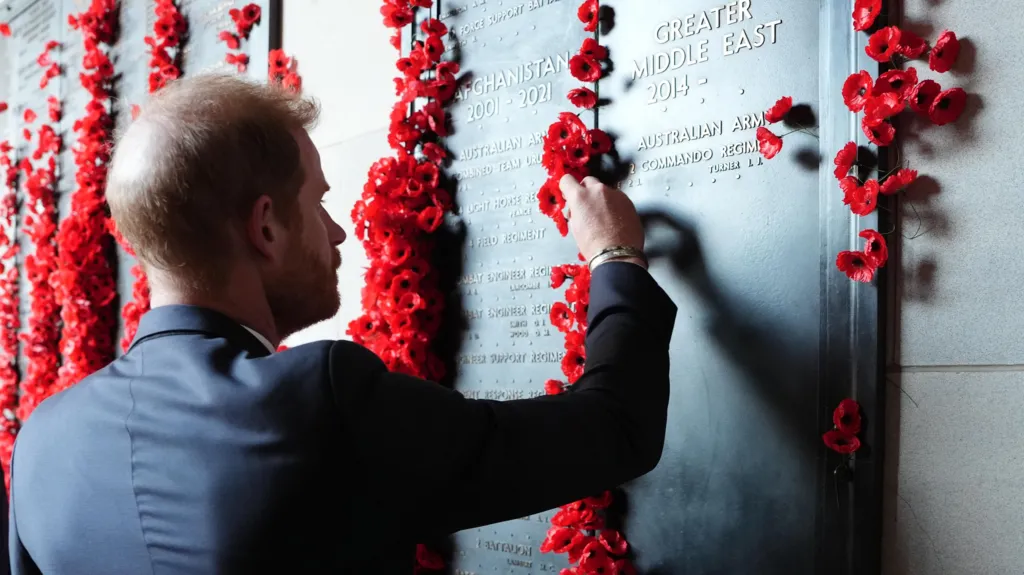
Prince Harry, the Duke of Sussex, has sparked a global conversation on modern fatherhood and emotional intelligence following a candid keynote address at a mental health summit in San Francisco. Speaking to an audience of tech innovators, psychologists, and educators, the Duke articulated a philosophy of parenting that emphasizes the breaking of generational cycles, arguing that the ultimate goal of any parent should be to ensure their children are an “upgrade” of themselves. His comments, which blend his personal journey of therapeutic healing with a broader call for societal change, have resonated deeply with a generation of parents striving to prioritize emotional resilience over traditional notions of stoic legacy.

During his speech, Harry reflected on his own experiences navigating the pressures of a highly structured and public upbringing, contrasting it with the environment he and the Duchess of Sussex are attempting to cultivate for their children, Prince Archie and Princess Lilibet. He suggested that for too long, parenting has been viewed as a process of replication—passing down the same habits, expectations, and often the same traumas that were inherited from previous generations. Instead, the Duke proposed a more evolutionary model, where parents actively work to “heal themselves” so that they do not pass their own psychological baggage onto the next generation, thereby allowing their children to start from a more grounded and emotionally secure foundation.
The term “upgrade,” while borrowing from the lexicon of the Silicon Valley setting, was used by the Duke to describe a holistic improvement in human empathy and self-awareness. He emphasized that this does not imply a criticism of one’s own parents, but rather an acknowledgment that every generation has the opportunity and the responsibility to do better. By embracing vulnerability and open communication, Harry argued, parents can equip their children with a “mental toolkit” that was often missing in the past. This approach, he believes, is essential for navigating the unique complexities of the 21st century, from the pressures of social media to the escalating global anxieties regarding climate and conflict.
Critics and supporters alike have been quick to weigh in on the Duke’s remarks. Some traditionalists have viewed the “upgrade” terminology as a subtle slight toward the Royal Family and the rigid protocols of his youth, suggesting that it further distances him from the institutional heritage of the House of Windsor. However, many child development experts have lauded the sentiment, noting that the focus on “conscious parenting” is a vital component in addressing the global mental health crisis. They argue that when parents take responsibility for their own emotional well-being, they create a “safety net” that allows children to develop a stronger sense of self and a greater capacity for compassion toward others.

The Duke’s address also touched upon the role of technology and community in supporting this generational evolution. He called for more accessible mental health resources for families, stating that “upgrading” the next generation requires a collective effort that goes beyond the home. As he concluded his speech, Harry noted that being a father has been the most “transformative” experience of his life, providing him with a clarity of purpose that transcends titles and public scrutiny. Whether his “upgrade” philosophy will be adopted as a new standard for modern parenting remains to be seen, but it has undoubtedly cemented his role as a leading, if polarizing, voice in the global movement for emotional reform.
Related News:
 ‘We Pray for Peace’: Indian Filmmaker From Troubled State Who Won a BAFTA
 Tears and Cheers as Controversial Long‑Running Australian Breakfast Radio Show Implodes
 A Nation in Mourning: Millions Gather for Iconic Indian Singer’s Final Journey
 Sussexes Land Down Under: Harry and Meghan Begin Privately Funded Australia Tour
 Gen Z Embraces the Big, Bold ‘Fake’ Indian Wedding Party Trend
 Terence Stamp, ’60s British Film Legend and Star of Superman, Dies at 87
 Kneecap Pushes Forward with European Tour Despite Hungary Ban and Canceled Gigs
 Fabio Wardley stuns Joseph Parker to earn Usyk title shot
 Top Christmas Books Reads: Classics to Cozy Romcoms
 I’m a Celebrity 2025 line-up revealed: Osbourne joins
 Pokémon to open world’s first theme park in Japan next year
 Hindu Man’s Stand Sparks Hope in India
 Robert Duvall dies aged 95, Hollywood mourns
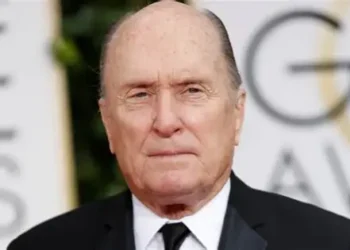 Actor Robert Duvall, Who Starred in The Godfather, Dies Aged 95
 Snow and Rain Warnings as Cold Snap Continues in the UK
 Netflix and Paramount Are Battling for Warner Bros. — Who Is Likely to Win?
 The Chinese AI App Sending Hollywood Into a Panic
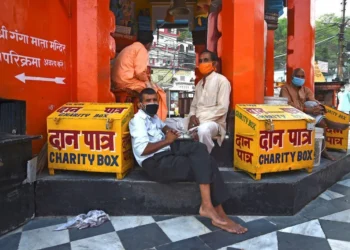 Revealed: The Billions Given to Charity by Ordinary Indians Every Year
 Epstein Eyed Record Label Investment to Access Women, Files Suggest
 Australian Presenter Apologises for Drinking Before Slurred Olympics Report
 Live Nation Sees Strong Ticket Sales as Monopoly Lawsuit Looms
 BBC Apologises After Racial Slur Aired at BAFTAs by Guest With Tourette’s
 Man, 83, in Taylor Swift Video Had ‘No Idea Who She Was’
 ‘I Want to Find the Man Who Saved Us from Drowning’
 South African TV Personality Who Planned to Take His Life Dies Aged 61
 Boy George Says He’s Using ChatGPT to Help Write New Songs
 Travellers’ Mobile Home Burnt Down Overnight in Suspected Arson Attack
 Why Aren’t Our Dirtiest Roads Getting Cleaned?
 David and Victoria Beckham Wish Brooklyn Happy Birthday Despite Family Feud
 ‘Every Day Feels Like a Month’: Iranians Describe Life Under ‘Constant’ US‑Israeli Strikes
 Manchester Students Mourn Ayatollah Amid Protest
 My One-Hour Flight Transfer Left Me Facing 10 Days Stuck in a City Under Attack
 Rihanna’s Beverly Hills home hit by gunfire, police say
 Thakkali Srinivasan Dead: Beloved Actor and Musician Dies After Health Battle
 Noma Head Chef Resigns Amid Abuse Allegations
 Prisoner: Cell Block H Star Wendy Playfair Dies Aged 99
 Missing Cuba-Bound Aid Ships Spark Urgent Search
 Horror in the Outback as Crocodile Kills World-Renowned Doctor
 ‘The Art of Winning’: Olivia Dean Sweeps 30th Anniversary MOBO Awards in Manchester
 How and When to See April’s Full Pink Moon
 Joanna Lumley: ‘I Wash My Face with Whatever Soap’s Lying on the Side of the Bath’
 ‘My Hatred of Dogs is Ruining My Love Life’
 I’ve Lived in a French Village for 35 Years. This is Why They are So Special.
 John Bengtson: The ‘Silent Film Sleuth’ Who Found History in the Background
 Michel Rolland: The ‘Spielberg of Wine’ Who Directed the Global Palate
 ‘I’m So Ready’: Céline Dion Announces 10-Night Paris Comeback Residency
 Status Quo Restored: Netanyahu Intervenes After Police Block Latin Patriarch from Holy Sepulchre
 ‘United by Music’: Eurovision Song Contest Officially Launches First-Ever Asia Edition
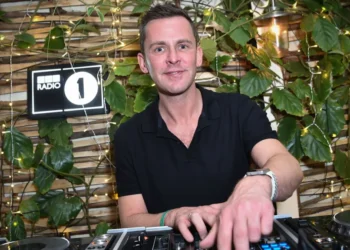 ‘Evidential Threshold Not Met’: Details Emerge of Historic Sexual Offence Probe into Scott Mills
 ‘Democracy Manifest’: Iconic ‘Succulent Chinese Meal’ Rant Added to National Film Archive
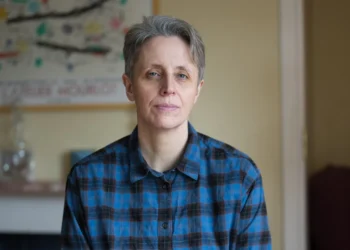 ‘The Final Word’: Kathleen Stock’s Polemic Against Assisted Dying Reshapes the UK Debate
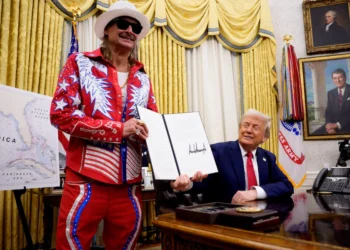 ‘Southern White House’ Stunt: US Army Probes Apache Flyby at Kid Rock’s Mansion
 ‘The Show Must Go On’: Megan Thee Stallion Hospitalized Mid-Performance in Broadway Debut
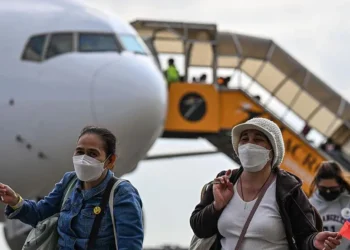 ‘The Cost of Living’: Asia’s Migrant Workers Debate if Gulf Jobs are Worth the Risk of War
 ‘You’re No Longer My Sister’: The Invisible Frontline Dividing Iranian Families
 India Begins Mammoth Census for 1.4 Billion People
 “It Ends With Trial”: Judge Tosses Blake Lively’s Sexual Harassment Claims Against Justin Baldoni
 “Homo Sapiens are All of Us”: Artemis II Crew Sends Emotional Message of Unity from Deep Space
 US Senators Slam Ticketmaster Over Sneaky New Fee Hikes
 Peretz Targets FA Cup Upset Amid War Concerns
 Pope Leo Urges Peace in First Easter Mass Address
 Silver Linings: Why Global Tourism is Finding “Positives” Amidst Iran War Uncertainty
 ‘Really Feeling the Love’: Savannah Guthrie Returns to NBC as Search for Mother Continues
 ‘I Will Not Abandon Him’: Pauline Hanson Stands by Ben Roberts-Smith After War Crime Charges
 ‘The Soul of Spain’: Politicians Clash Over Renewed Push to Move Picasso’s Guernica
 ‘It Was an Accident’: Rohan Dennis Breaks Silence to Attack ‘False Narrative’ Over Wife’s Death
 The ‘Svuota Londra’ Effect: Why the Super-Rich are Swapping Dubai for Milan
 The Suffocating Silhouette: Why Metal’s Mask Trend is Turning Deadly
 Debt Relief or Drop in the Ocean? UK Caps Student Loan Interest at 6%
 The Fallen Icon: Ben Roberts-Smith Charged with Five War-Crime Murders
 The $100 Billion Peace: Trump’s ‘Grand Bargain’ Ends Iran Conflict at a Staggering Cost
 The ‘Golden Gates’ are Closing: Why Global Travelers are Rethinking the U.S. in 2026
 ‘No Gas, No Food’: LPG Shortage Triggers Reverse Migration in Indian Metros
 The Kitchen Table Crisis: How the 2026 Iran War Hits Your Wallet
 The Lough’s Lament: Can Fiction Spark a ‘Seismic’ Rescue for Lough Neagh?
 Moldova River Crisis Exposes War’s Hidden Cost
 Relief at the Pump: Irish PM Unveils €505m Package to Stem Fuel Crisis
 Turning Point: Britney Spears Enters Rehabilitation Following DUI Incident
 The Spectrum of Wit: All-Autistic Comedy Line-up Breaks ‘Seismic’ Ground
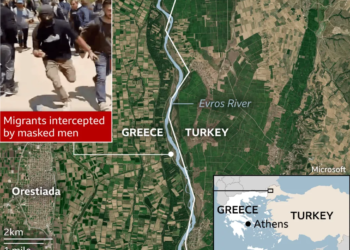 The Masked Frontier: Allegations of Greek Police Using Proxies for ‘Seismic’ Border Pushbacks