Published: 15 April 2026. The English Chronicle Desk. The English Chronicle Online.
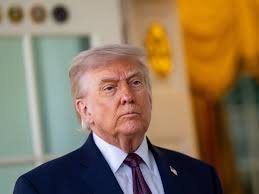
The world currently watches with bated breath as the prospect of renewed diplomacy flickers in Islamabad. President Donald Trump now finds himself at a critical juncture regarding the future of global security. If the discussions between the United States and Iran reconvene within the next few days in the Pakistani capital, the American leader must navigate two formidable political obstacles. His first challenge involves demonstrating that any agreement he manages to secure is fundamentally superior to the Joint Comprehensive Plan of Action signed by Barack Obama in 2015. This is the very accord from which Trump famously withdrew the United States in 2018. His second hurdle is perhaps even more demanding in the current climate of regional volatility. He must prove that this potential new arrangement is more favourable than the terms offered during the Geneva talks back in February. Those negotiations preceded the recent outbreak of hostilities that has since reshaped the geopolitical landscape.
Failure to meet these benchmarks could leave the President vulnerable to intense domestic and international criticism. Critics would argue that he has inflicted significant damage on the global economy without achieving superior results. The human and financial costs of the recent conflict would be scrutinized if alternative paths were available earlier. Furthermore, the President must ensure that Iran does not walk away with permanent strategic gains. Specifically, he needs to show that Tehran has not solidified its control over the vital shipping lanes passing through the Strait of Hormuz. These specific criteria serve as the primary yardsticks by which his success will be measured. His negotiating team is undoubtedly keeping an anxious eye on these metrics as they prepare for the next round of shuttle diplomacy.

It is important to acknowledge that direct comparisons between the 159-page 2015 nuclear deal and a modern Islamabad agreement are inherently complex. The nature of Iran’s nuclear programme has evolved considerably over the last decade, making a like-for-like evaluation difficult. The Joint Comprehensive Plan of Action was the product of a specific historical moment with its own set of technical realities. Today, other pressing issues such as Iran’s ballistic missile capabilities and the stewardship of the Strait of Hormuz have moved to the forefront. These topics now hold far greater prominence than they did during the Obama era. Despite these differences, the political pressure to outperform the previous administration remains a central pillar of the current White House strategy.
In one significant respect, any potential deal reached in Islamabad would likely be marketed as superior to the original 2015 agreement. The new framework is expected to exclude the controversial sunset clauses that were a major point of contention for Trump. These clauses originally set expiration dates on certain restrictions, which the President frequently cited as a fatal flaw in the Obama-era deal. The proposed Islamabad accord would instead utilize specific timelines for various triggers while intending to remain in effect indefinitely. By removing these expiration dates, the Trump administration hopes to claim a more permanent victory for regional stability. This shift toward a perpetual agreement is designed to address long-standing Republican concerns about the longevity of nuclear constraints.
There are broadly four major sticking points where the Trump team aims to demonstrate progress over their predecessors. The first of these involves Iran’s domestic enrichment of uranium, a topic that has remained contentious for years. During the Geneva talks held on 26 February, a provisional position was nearly reached between the two sides. At that time, the American team demanded that Iran suspend all domestic enrichment for a period of ten years. Iran’s Foreign Minister, Abbas Araghchi, had suggested that a three-year suspension was the maximum the Iranian political system could realistically tolerate. However, the stakes have since been raised by both parties during the most recent exchanges in Pakistan.
The United States increased its demand last week to a twenty-year suspension of all enrichment activities. Interestingly, President Trump expressed his own dissatisfaction with this proposal during a recent interview with the New York Post. He stated that he did not like the twenty-year offer and preferred a permanent ban on enrichment instead. In practical terms, the actual timeline required for Iran to resume enrichment is uncertain given the recent damage to its facilities. During the 2015 negotiations, the Obama administration allowed Iran to enrich uranium for fifteen years at a purity level of 3.67%. Crucially, that agreement did not explicitly grant Iran a right to enrich as a matter of principle, yet it remained a point of heavy criticism.
The second major issue revolves around Iran’s current stockpile of highly enriched uranium. Under the original 2015 deal, Iran was restricted to a stockpile of only 300kg of uranium enriched to 3.67%. The current reality is far more alarming for international observers and security analysts. Iran now possesses approximately 440.9kg of uranium enriched to 60%, a level that can be rapidly processed into weapons-grade material. Most of this material is currently stored in gas form within small canisters. Tehran maintains that it built this stockpile as a bargaining chip following the failure of Western powers to lift sanctions as promised. This massive increase in high-level enrichment represents a significant shift from the conditions present during the original negotiations.
During the Geneva talks in February, Iran offered a potential concession by proposing to downblend this highly enriched stockpile. This irreversible process would return the uranium to the lower 3.67% purity level established in the original 2015 accord. While the United States previously accepted similar provisions, the team in Islamabad has now demanded the entire stockpile be removed. The Americans prefer the material be taken out of the country entirely under their direct supervision. It remains unclear why downblending within Iran under the watchful eye of international inspectors is viewed as a less desirable option. Nevertheless, Trump could claim a major victory if he secures the total removal of these materials from Iranian soil.
The third critical issue for the negotiators is the complex matter of sanctions relief. The 2015 agreement was famous for releasing roughly $100bn in frozen Iranian assets and lifting restrictions on the oil trade. However, it intentionally left sanctions related to human rights and missile proliferation in place. During the Geneva discussions, it appeared that over 80% of current sanctions were on the table for removal. This presents a significant political challenge for the Trump administration, which has long criticized such relief. Prominent figures like Marco Rubio previously warned that sanctions relief would only embolden Iran’s conventional military capabilities in the region. These political pressures make it difficult for the President to offer the economic incentives Tehran requires.

To navigate this, Trump is seeking specific restrictions on how Iran utilizes any newly available funds. Iran, for its part, finds such conditions unacceptable and demands guarantees that any relief provided is permanent and not easily reversed. This deep deficit of trust between the two capitals makes finding a middle ground exceptionally difficult. Finally, the negotiators must address the nexus of non-nuclear issues, including support for regional proxies and the future of the Strait of Hormuz. Trump has consistently argued that the original deal was too narrow in scope and failed to address Iran’s broader regional behaviour. He now faces a choice between seeking a grand bargain or deferring these complex issues for another time.
Inside Iran, there appears to be a notable divide on how to handle the current American naval blockade. Some officials view the blockade as a direct breach of the ceasefire that must end before any talks can continue. International lawyer Ali Nasri has pointed out two conflicting schools of thought regarding the strategic importance of the Strait of Hormuz. One faction advocates for a confrontational approach to assert national pride and generate revenue through control of the waterway. The other sees the Strait as a vital negotiating lever to secure a lasting ceasefire and long-term security guarantees. This internal debate mirrors the broader challenges facing both nations as they search for a path toward a sustainable peace agreement.
Related News:
 Ukraine war briefing: Zelenskyy offers help to Saudi Crown prince on combatting Iranian drones
 Ukraine Sends Drone Experts to Defend US Bases in Jordan
 Saudi Arabia Urging US to Keep Up Iran Attacks
 Diplomacy on the Brink: Pakistan’s Risky Peace Mission
 Trump Slams Europe as Transatlantic Tensions Boil Over
 High-Value Target: Iranian Strike Destroys US Radar Plane
 UN Warns Israeli Death Penalty Bill Could Be a War Crime
 Pakistan and China Propose Five-Part Peace Plan
 Trump Issues Stark Warning After Strike On Iran’s Largest Bridge
 Hope and Fear as Iranians Flee Across the Turkish Border
 The Price of Hubris: Trump, Netanyahu, and the ‘Easy’ War
 Israel Defies Ceasefire as Lebanon Operations Persist
 Middle East Peace Crisis: Ceasefire Strained by New Violence
 Pakistan Brokers Historic Peace Deal Amid Rising Tensions
 Netanyahu Vows Continued Lebanon Strikes Amid Peace Talks
 Islamabad Hosts Historic Peace Talks Between Iran and USA
 US and Iran Pursue Extension of Ceasefire via Pakistan
 The General’s Gambit: Pakistan’s New Role in Global Peace
 Can Trump’s Ceasefire Hold in Lebanon?
 Global order shifts amid Trump-era turmoil
 Middle East Crisis Escalates as Oil Routes Shake Markets
 Saudi Arabia Blocks Trump’s Naval Plan for Hormuz Strait
 Tensions Emerge in Netanyahu-Trump Alliance
 UAE’s Secret Strike on Iran Risks Wider Gulf Conflict
 Netanyahu Claims Secret UAE Visit Amid Regional Conflict
 Netanyahu Calls Early Election Amid Coalition Turmoil
 Plea for Mercy: The Battle to Bring Ahmed al-Doush Home
 Trump Issues New Threat of Strikes Amid Iran Standback
 Global Outrage After Israeli Minister Mocks Bound Activists
 Israeli Strikes in Lebanon Kill 10 Amid Ceasefire Strain
 Hunger increasingly weaponised in global conflicts
 Former ICC prosecutor condemns US sanctions
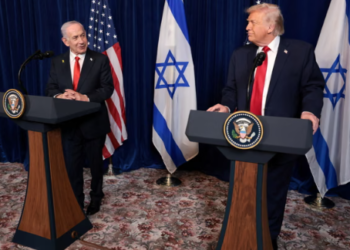 Trump and Netanyahu Clash Over Crucial US and Iran Peace Deal
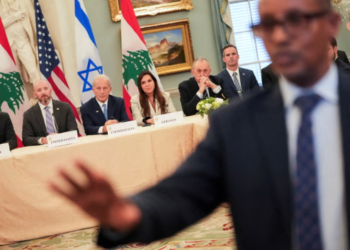 Washington Brokerage Sparking Hope Amid Regional Firestorms
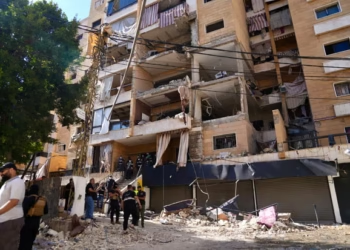 Israel Defies Trump in Direct Strikes on Targets Across Iran
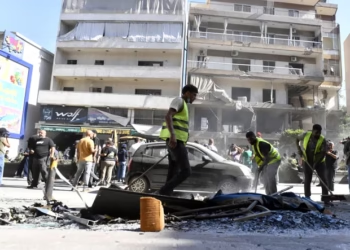 US and Iran Agree Historic Framework to End 15-Week War
 Global Powers Navigate Fragile Peace as Hormuz Reopens
 Trump Signs Landmark Iran Accord in Versailles
 Uncertainty Prevails as Landmark Peace Talks Abruptly Conclude Before Commencement
 Iran To Propose New Shipping Fees In Strait Of Hormuz
 Grief and Devotion Amidst the Rubble of Nabatieh
 High Drama in Tehran Over Secret Nuclear Letters
 Iran Prepares for Massive Six-Day Funeral for Khamenei
 Iran Prepares for Massive Funeral for Supreme Leader
 Iran Bids Farewell to Fallen Leader in Massive Procession
 Iran Mourns: Millions at Khamenei’s Final Procession
 Hamas Proposes Handing Over Control of Gaza Strip
 Israeli Officer Investigated for Car Grenade Attack
 Yemen Accuses Iran of Violating National Sovereignty
 Trump Threatens Iran Power Strikes Over Hormuz Impasse
 Houthis Strike Saudi Arabia as Middle East Tensions Rise
 Friedman Uninvited From 2024 Adelaide Writers’ Week
 New Zealand Covid Response Praised Despite Lingering Scars
 Injured Mojtaba Khamenei Elevated as Iran Leader
 Trump’s Six-Week Iranian War: The High Cost of Ignorance
 US and Iran Agree to Two-Week Provisional Ceasefire
 Kyiv and Odesa Mourn After Deadly Wave of Russian Strikes
 US Forces Seize Iranian Ship Near Hormuz Blockade
 Investigation: Offshore Loans and Sanctions
 Cross-Border Crisis Shatters Fragile Afghan Peace
 The Burning Lens: An Iranian Artist’s Visual Resistance
 One Nation Candidate’s Surprising Ties to Independents
 Putin Signals War End as Russian Momentum Stalls
 Romania’s Judicial Crisis: A System Under Siege
 Scepticism and tight security as Beijing braces for Trump
 Philippine Senator Flees After Days Under Senate Siege
 Tensions Flare as Israeli Nationalists March in Jerusalem
 Secrecy Down Under: Albanese Faces FoI Scandal
 Tony Abbott Returns as New Liberal Party President
 Discontent grows around Putin amid war strain
 Teaching Machines Right From Wrong in the Digital Age
 Oman Defies US Pressure Over Strategic Strait of Hormuz
 Ex-CIA Agent Accused of $40m Gold Theft and Fake Spy Unit
 Aukus Deal Facing Fierce Backing and Historic Criticism
 Tragic Loss of Australian Sprinter Jemma Stapleton
 Trump Urged to Condemn UFC Fighter Over Obama Slurs
 Russian Tanker Captain Remanded in UK Court After Channel Seizure
 US Military Pacific Boat Strike Kills Three People
 Trump’s Mount Rushmore Speech: A Divisive Anniversary
 Trump Swaps Planes Amid Iran Tensions