Published: 17 April 2026. The English Chronicle Desk. The English Chronicle Online
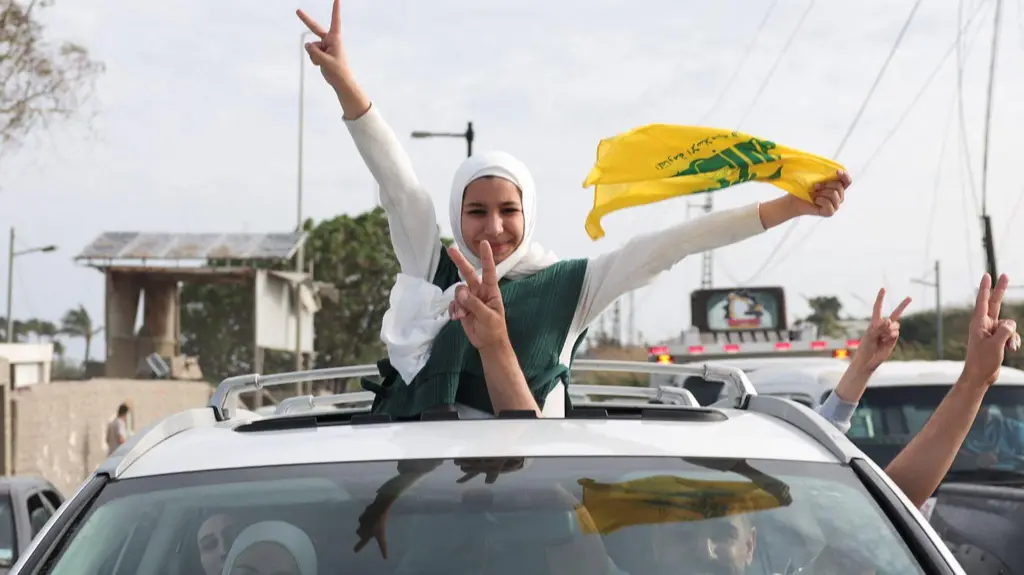
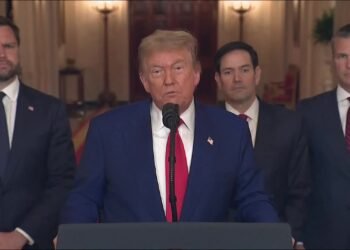
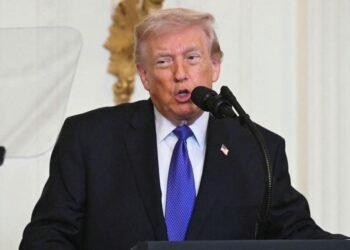
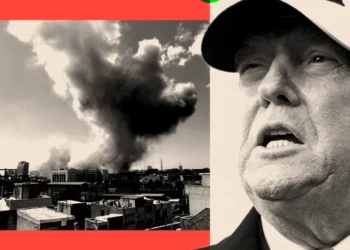
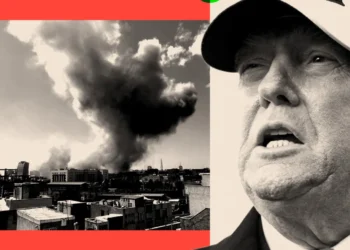
The Middle East stands at a breathless crossroads today as a U.S.-brokered 10-day ceasefire between Israel and Lebanon officially went into effect at midnight. The cessation of hostilities, announced by President Donald Trump following frantic direct diplomatic talks in Washington, offers the first significant pause in a month-long war that has devastated southern Lebanon and northern Israel. As the guns fell silent along the Blue Line, President Trump added further fuel to the diplomatic fire, telling reporters at the White House that the United States is “very, very close” to a separate, comprehensive deal with Iran that could “change the face of the world forever.”

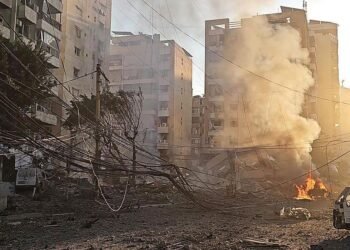
The Israel-Lebanon agreement is a fragile but historic breakthrough. Under the terms of the 10-day truce, Israel has agreed to suspend all offensive military operations and airstrikes across Lebanese territory. In exchange, the Lebanese government has committed to taking “meaningful steps” to prevent Hezbollah and other non-state armed groups from launching cross-border attacks. Crucially, Israeli Prime Minister Benjamin Netanyahu has stated that Israeli Defense Forces (IDF) will remain in their current “security zone” positions inside southern Lebanon during the pause—a condition that Hezbollah has already labeled an “illegal occupation,” warning that any Israeli movement will be met with “resistance.”
While the Lebanon border remains a tense “quiet,” the eyes of the global markets have turned toward the ongoing “Islamabad Process.” President Trump’s optimistic rhetoric follows a series of unprecedented direct meetings in Pakistan between U.S. Vice President JD Vance and Iranian Foreign Minister Abbas Araghchi—the first such face-to-face contact since 1979. Trump suggested that a “Grand Bargain” is being drafted, which would reportedly see a dramatic de-escalation of Iran’s nuclear program and a reopening of the Strait of Hormuz in exchange for massive sanctions relief and the unfreezing of billions in Iranian assets. “We’re doing something that hasn’t been done in fifty years,” Trump told the press. “It’s going to be a win for them, and a big, big win for us.”
However, the “very close” deal faces significant domestic hurdles in both Washington and Tehran. In the U.S., hardline Republicans and skeptical Democrats have questioned the “haste” of the negotiations, fearing a “bad deal” that fails to permanently dismantle Iran’s missile infrastructure. Meanwhile, in Tehran, the powerful Revolutionary Guard remains wary, with state-media outlets emphasizing that any agreement must include a total withdrawal of U.S. forces from the region. The 10-day ceasefire in Lebanon is seen by many analysts as a “testing ground” for the larger Iran deal; if the truce holds, it provides the political capital needed for both sides to sign the broader Islamabad Accord.

As the 10-day clock begins to tick, the humanitarian relief effort in Lebanon has scrambled into action, with the UN Secretary-General urging all parties to respect the “precious window of peace.” For the civilians who have spent weeks in bomb shelters, the news is a glimmer of hope amidst a year of regional fire. The world now watches to see if the “Trumpian diplomacy”—marked by high-stakes summits and direct leader-to-leader engagement—can convert this temporary silence into a durable regional settlement, or if the 10-day window is merely the calm before an even greater storm.
Related News:
 Ukraine Negotiator Reveals What It Feels Like Facing Russia
 Mandelson Arrested Amid Political Turmoil as Ukraine Marks Four Years of Conflict
 ‘Anyone who runs is shot’: Russian soldiers describe killings of troops who refuse orders
 Ukraine remembers its dead as war enters a fifth year
 Israel and Hezbollah Exchange Fire as Conflict Worsens
 Iran’s Regime Still Intact — Coming Days Will Test Its Survival
 Allies of US in the Gulf Bear Brunt of Iran Attacks
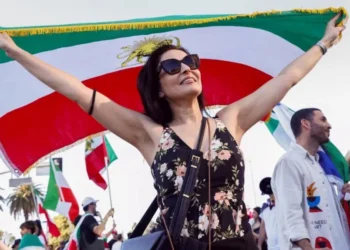 Hopes and Fears as US Iranians Take to Streets After Toppling of Supreme Leader
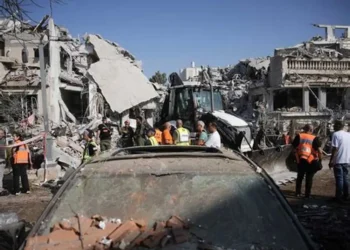 Retaliations Continue on Day Two of US-Israel Attacks on Iran
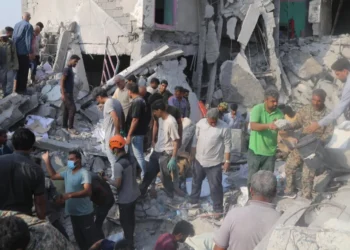 At Least 153 Dead After Reported Strike on School, Iran Says
 At Least 153 Dead After Reported Strike on School, Iran Says
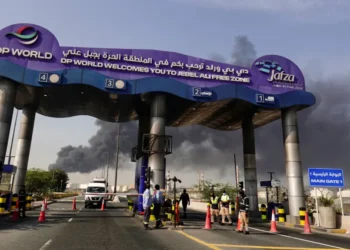 ‘It’s Eerie’ – Dubai on Edge as City Comes Under Attack
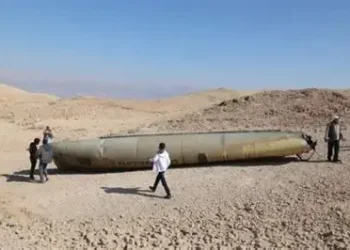 BBC Reports from Beit Shemesh After Deadly Iranian Missile Strike
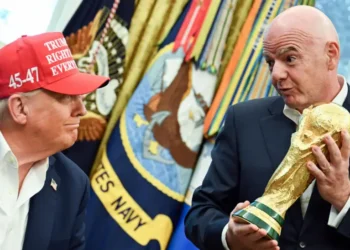 Iran, the US, and a World Cup That Starts in Three Months
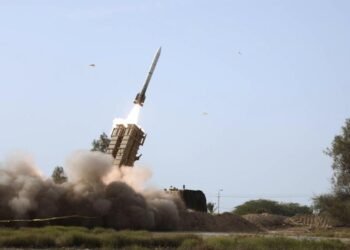 UK Will Allow US to Use Bases to Strike Iranian Missile Sites, PM Says
 Cooper: Joining US Strikes on Iran ‘Not in Britain’s Interest’
 Trump’s Iran Endgame Unclear After Mixed Messaging on War Aims
 Rubio Responds to Reported Strike on Iranian School
 Scots Caught Up in Middle East Crisis ‘Just Waiting for the Next Explosion’
 Why the US and Israel attacked Iran
 Israel Launches Fresh Strikes on Tehran & Beirut; US Warns “Hardest Hits” Ahead
 Three Days In, This War’s End Is Still Unclear
 US Has ‘Enough Weapons for Forever War,’ Trump Says
 Israel Strikes Lebanon After Hezbollah Rocket Fire as Iran Conflict Widens
 Israel’s New Airstrikes on Tehran & Beirut After US Embassy in Riyadh Is Hit
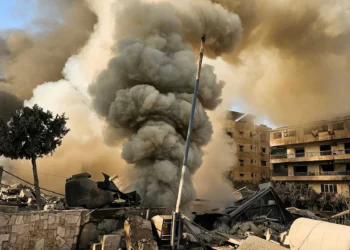 Israel Launches Ground Invasion of Lebanon Amid Widening Middle East War
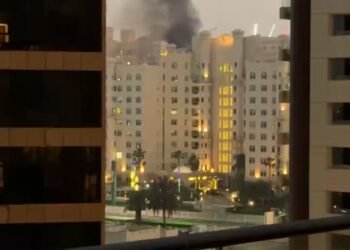 Iranian Rockets Are Testing the Resolve of Dubai’s Instagram Stars
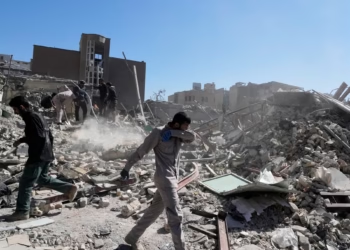 US Embassy in Riyadh Hit by Iranian Drones as Israeli Troops Enter Southern Lebanon
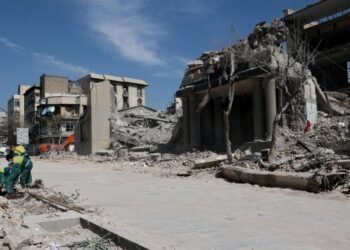 US Senate Backs Trump War Powers Amid Iran Missile Barrage
 US Submarine Sinks Iranian Warship in Indian Ocean, Hegseth Says
 Iran Postpones Khamenei Funeral as US‑Israeli Bombardment Continues
 The Devastating Conflict Where Both Sides Have Reasons to Keep Fighting
 How Depleted Weapons Stockpiles Could Affect the Iran Conflict
 Iran Drones Hit Azerbaijan Airport as War Widens
 UK Prepares Aircraft Carrier for Middle East Crisis
 Nine Days of Strikes Reshape the Middle East
 Putin Orders Evacuation at Iran Nuclear Plant Amid ‘Catastrophe’ Fears
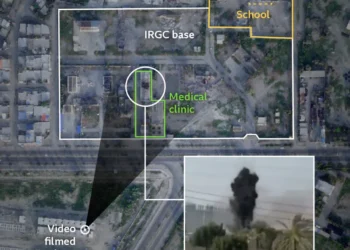 Video Analysis Suggests US Missile Hit Base Near Iran School
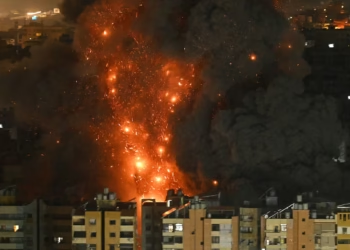 Middle East crisis live: Supreme leader ‘safe’, Iran and Israel escalate conflict
 Ukraine War Becomes Flashpoint in Hungarian Election
 Trump’s Call for an Iran Uprising Draws Historical Warning Over Iraq 1991
 Anti-Regime Iranians Turn Anger Toward Trump
 Pakistan Denies Air Strike on Afghanistan Hospital That ‘Killed 400 People’
 Trump’s Confidence Undimmed — But Every Iran Option Carries Risk
 Iran Says Intelligence Chief Killed in US-Israeli Strike as Trump Threatens ‘Hell’ Without Deal
 Trump Issues Final Ultimatum: Iran Faces ‘One Night’ Destruction as Deadline Looms
 UK Must Act with Courage and Clarity on Israel-Palestine Conflict, Says Foreign Affairs Committee Report
 Radioactive Leak at UK’s Nuclear Warhead Base Sparks Outcry Over Safety and Secrecy
 Hong Kong Summons UK and Australian Envoys Following Asylum Grants to Democracy Activists
 Is the UK Ready to Put Boots on the Ground in Ukraine? Assessing Military Capacity and Challenges
 Yvette Cooper Signals Global Momentum Towards Gaza Peace Deal Amid Humanitarian Crisis
 Russia’s Latest Push to Win US Favors Shows Deep Desperation
 BBC to Apologise Over Edited Trump Speech Amid Backlash
 Greene Pushes Epstein Files Amid Trump Fallout
 Shadow Fleet at Sea: Europe’s Battle Against Illicit Oil Shipping
 EU Says US Ties Have Suffered ‘Big Blow’ After Greenland Crisis
 Australian Families Leave Syrian Camp for Home
 Starmer Weighs Fast-Tracking Defence Boost
 Nine Arrested in France Over Death of Far‑Right Student
 Australian PM Says Former Prince Andrew Has Suffered ‘Extraordinary Fall’ but That Won’t Prompt Republic Referendum
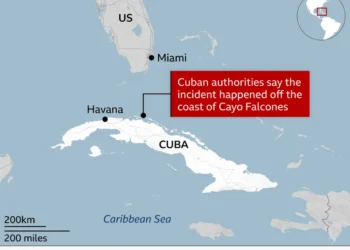 American Citizen Killed in Cuba Boat Shooting, U.S. Officials Say
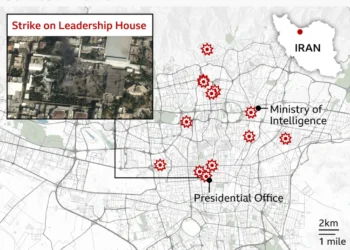 In Maps: Strikes Across Iran and the Middle East
 Civilian Deaths in Iran Pass 700 Amid Fear of Bombs and Regime Clampdown
 ‘Every Day Feels Like a Month’: Iranians Describe Life Under ‘Constant’ US‑Israeli Strikes
 Finland Plans to Lift Decades‑Old Ban on Hosting Nuclear Weapons
 Thousands Protest Iran Strikes Outside US Embassy London
 Trump Pressures Congress Over Save America Act
 Iran War Puts Trump at Political Risk Amid Rising Prices
 Queensland Protest Laws Spark Free Speech Backlash
 Trump Nato threats expose Iran strategy vacuum
 Trump Facing Backlash from Epstein Survivors Over Files
 UK Forces Ready to Seize Russian Shadow Fleet Vessels
 Trump Considers Military Operation to Seize Iran’s Uranium
 Report Says Pezzullo Acted ‘Recklessly’ in Dealings
 Hungary Claims Plot to Target Gas Pipeline Pre-Vote
 Oil and Diplomacy: Russian Refineries Burn as Zelenskyy Secures Middle East Shield
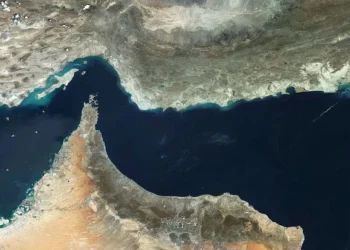 The Great Chokehold: Why the Strait of Hormuz is the Epicenter of the 2026 Crisis
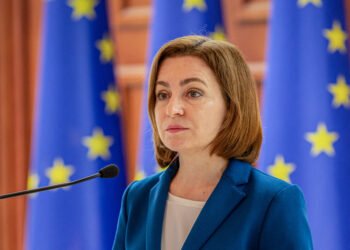 Moldova River Crisis Exposes War’s Hidden Cost
 The Frozen Frontier: Why Frostbite is the Least of Concerns for Canada’s Arctic Forces
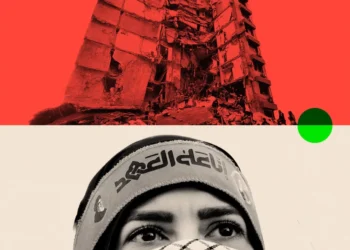 Diplomatic Deadlock: Lebanon Enters High-Stakes Border Talks with ‘No Cards to Play’