Published: 21 April 2026. The English Chronicle Desk. The English Chronicle Online
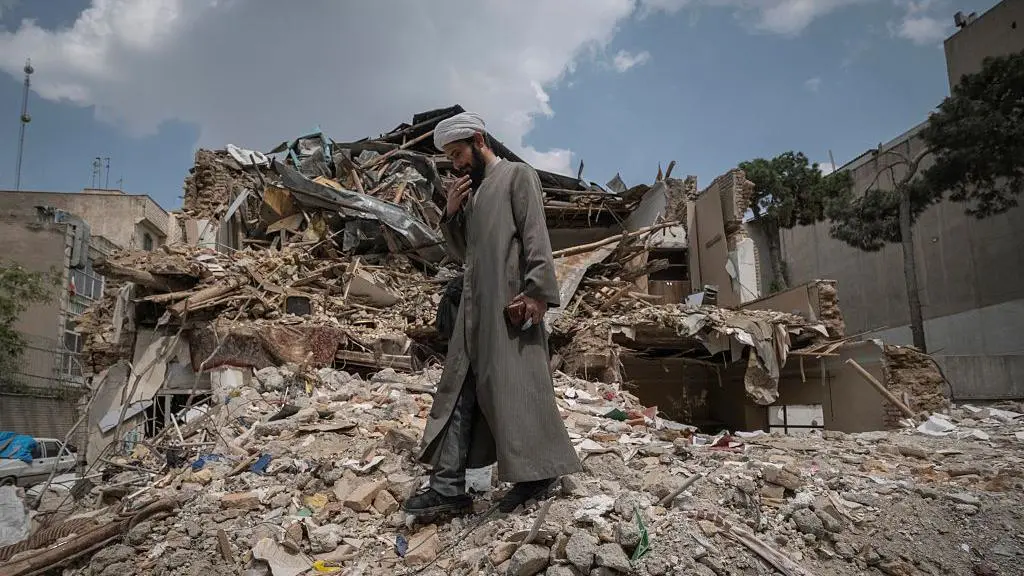
A fragile 14-day ceasefire between the United States and Iran is fast approaching its midnight expiration on Wednesday, April 22, with both nations signaling a return to open hostilities rather than the negotiating table. In a defiant statement issued early Tuesday, Iranian Parliament Speaker and top negotiator Mohammad Bagher Ghalibaf warned that Tehran has spent the two-week lull “preparing to show new cards on the battlefield.” Accusing U.S. President Donald Trump of attempting to turn the diplomatic efforts in Pakistan into a “table of surrender,” Ghalibaf asserted that Iran will not engage in dialogue “under the shadow of threats” or the ongoing naval blockade.

The rhetoric has cast a long shadow over Islamabad, where Pakistani Prime Minister Shehbaz Sharif has spent weeks preparing for a second round of high-level mediation. While the White House confirmed that a delegation led by Vice President JD Vance is en route to the Pakistani capital, Iran’s Foreign Ministry has clarified that it has “no plans” to send negotiators. Tehran cites the U.S. seizure of an Iranian-flagged cargo ship and the “hostile” blockade of the Strait of Hormuz as fundamental violations of the truce, rendering further talks in Pakistan “pointless” until Washington scales back its demands.
With the ceasefire set to expire in less than 24 hours, the military and diplomatic stances of both sides have hardened significantly.
| Stakeholder | Current Stance (21 April 2026) | Stated Objective / Threat |
| United States | JD Vance team en route to Islamabad. | No extension of ceasefire without “major concessions.” |
| Iran | Refusing to attend Pakistan talks. | Will reveal “new battlefield cards” if strikes resume. |
| Pakistan | Actively mediating as “middleman.” | Seeking a “framework agreement” to prevent total war. |
| Global Markets | Oil prices volatile (Brent ~$120). | Prediction markets give only a 16% chance of a deal. |
The “new cards” alluded to by Ghalibaf may already be in play. On Tuesday morning, maritime intelligence reports from Lloyd’s List confirmed that at least 20 Iranian “shadow vessels” successfully transited past the U.S. naval blockade. While the U.S. has maintained a strict “zero-export” policy on Iranian oil since mid-April, the IRGC’s ability to slip past the blockade suggests a sophisticated new maritime strategy. Meanwhile, President Trump has remained defiant, telling reporters that it is “highly unlikely” the ceasefire will be extended and warning that “lots of bombs” could start going off if an agreement isn’t reached before the deadline.
For Pakistan, the failure of the “Islamabad Process” would be a significant blow to its newly reclaimed role as a global mediator. Having successfully facilitated the initial April 8 ceasefire, the Pakistani government is now caught between a U.S. administration demanding a “total deal” and an Iranian leadership that feels cornered. Field Marshal Asim Munir reportedly conducted a surprise “shuttle diplomacy” visit to Tehran yesterday to convey a final message from Washington, but the frosty reception from Iranian officials suggests the gap remains unbridgeable.

As night falls in Islamabad and Tehran, the world is bracing for a return to the “Grey Zone” conflict or worse. If the ceasefire expires without a signature on the Pakistani framework, the “new cards” Iran has promised could range from advanced drone swarms to a total closure of the Strait of Hormuz—an event that would send the global economy, already battered by 190p fuel, into a tailspin. In the words of one senior diplomat: “We are no longer looking for a breakthrough; we are just looking for a reason not to start shooting again tomorrow.”
Related News:
 Modi’s London Visit Seals Historic UK-India Trade Pact Amid Global Tensions
 Rubio Calls Russian Oil Imports a Strain on India-US Relations
 Rachel Reeves to lead UK trade push in Saudi Arabia amid rights debate
 Canada Passes Carney’s First Budget in Tight Parliamentary Vote
 India’s Labour Law Overhaul Sparks Fierce Debate
 Carney’s Alberta Pipeline Deal Sparks Immediate Pushback
 Austrian Airlines Halts Tehran Flights Amid Political Unrest
 Trump Administration Probe of Fed’s Powell Draws Pushback
 Mark Carney Walks Diplomatic Tightrope on China Visit
 ‘Repatriate the Gold’: Germany Debates Bringing Reserves Home
 Japan Braces as Takaichi Begins New Term with Huge Mandate for Low‑Tax, Ultra‑Conservative Agenda
 US Trade Deficit Hits Fresh High Despite Trump’s Tariffs
 What Now for Asia After Trump’s Tariffs Were Struck Down?
 Gulf Oil Shock Sends Global Economic Ripples
 Iran Rejects Ceasefire, Warns Trump With Chilling Message
 US Says 16 Iranian Mine Ships Destroyed in Hormuz
 Russia Seeks Gains as Iran War Reshapes Global Politics
 Trump Faces New Warning Signs as Iran War Hits Home
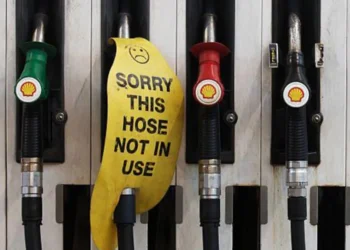 PM Seeks to Reassure Australians Over Fuel Supply
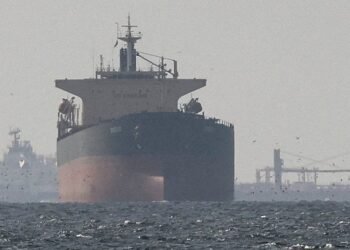 Reeves to Join Emergency G7 Meeting as Oil Hits $116
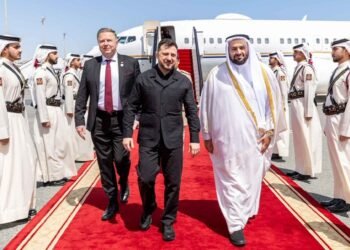 Zelensky Looks to Gulf to Protect Him from Putin
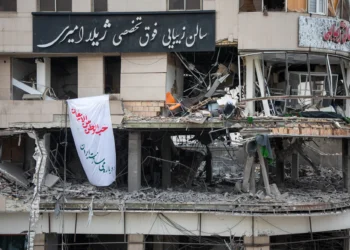 Iran Strikes Kuwaiti Desalination Plant, Killing Worker as ‘Water War’ Escalates
 Trump to Deploy “God Squad” Over Gulf Wildlife Protections
 The ‘Islamabad Initiative’: How Pakistan Won Over Trump as a Key Mediator
 Epic Fury: The Strategic Logic and Uncertain Horizon of the 2026 Iran War
 UK-Led 35-Nation Summit Seeks to Break the Hormuz Deadlock
 “Region Will Burn”: Iran Issues Defiant Retaliation Warning After Trump’s Expletive-Laced Deadline
 The “Citrus” Shift: Marmalade to be Legally Rebranded in Post-Brexit Food Realignment
 Oil and Diplomacy: Russian Refineries Burn as Zelenskyy Secures Middle East Shield
 “A Perfect Storm”: UK Small Businesses Face Doubling Energy Bills as Iran War Rattles Markets
 The $100 Billion Peace: Trump’s ‘Grand Bargain’ Ends Iran Conflict at a Staggering Cost
 ‘A Double-Sided Ceasefire’: Inside the 14-Day Truce Between the US and Iran
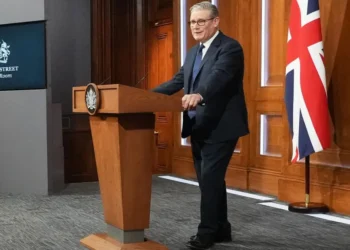 Diplomatic Sprint: Starmer Heads to the Gulf as 14-Day Truce Holds
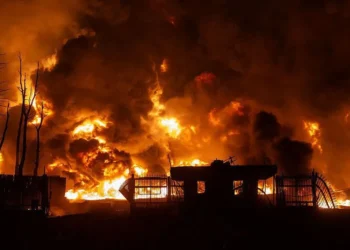 The Horns of Dilemma: Why the 2026 Iran War Ignited and Where It Goes Next
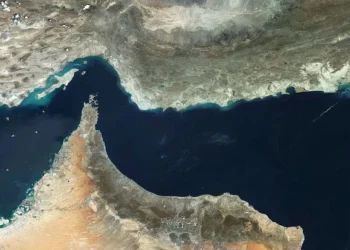 The Great Chokehold: Why the Strait of Hormuz is the Epicenter of the 2026 Crisis
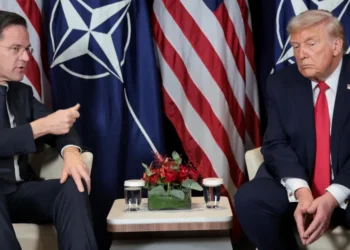 Tectonic Tension: Trump Blasts NATO Costs as Rutte Admits to ‘Very Frank’ Exchange
 Global Commerce Crisis: Cooper Demands Immediate, Toll-Free Access to Hormuz
 Midnight Fire: Israel and Hezbollah Exchange Strikes as Trump Lashes Out at Tehran
 The Prediction Prohibition: White House Staff Barred from Betting on Political Markets
 Market Shock: Oil Surges Past $100 as US Initiates Naval Blockade
 The Vance Verdict: How the Vice President Navigated the Islamabad “Pressure Cooker”
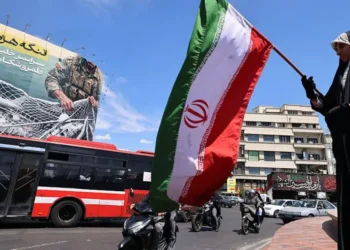 The Blockade Gambit: Trump’s High-Stakes Threat Leaves Middle East Predicaments Unchanged
 Relief at the Pump: Irish PM Unveils €505m Package to Stem Fuel Crisis
 The Liberal Gamble: Carney’s Majority Quest Hits the ‘Poilievre Wall’
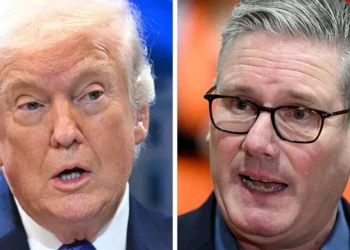 The Atlantic Rift: Starmer Pledges UK Neutrality in Iran Port Blockade
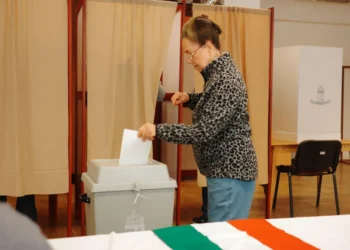 The Budapest Ripple: Katya Adler on Hungary’s ‘Jubilation’ and the Cold Shoulder from Moscow
 Diplomatic Deadlock: Lebanon Enters High-Stakes Border Talks with ‘No Cards to Play’
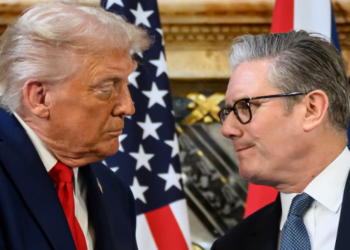 Trump Slams UK Ties and Threatens To Rewrite Trade Deal
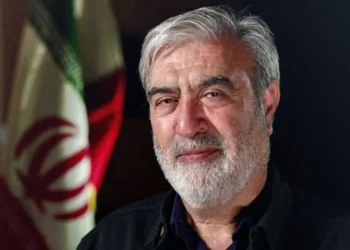 ‘Never’: Senior Lawmaker Vows Tehran Will Maintain Grip on Strait of Hormuz
 The Fog of War and the Ticker Tape: Suspicious Trades Rile Washington
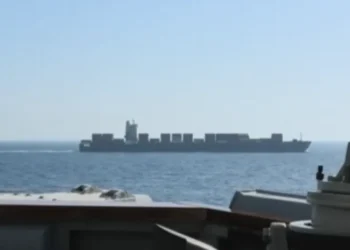 High-Seas Seizure: US Navy Intercepts Iranian Cargo Ship in Gulf of Oman
 UK Must Act with Courage and Clarity on Israel-Palestine Conflict, Says Foreign Affairs Committee Report
 Yvette Cooper Signals Global Momentum Towards Gaza Peace Deal Amid Humanitarian Crisis
 Russia’s Latest Push to Win US Favors Shows Deep Desperation
 Trump’s UK Ambassador Urges North Sea Drilling to Strengthen US Ties
BBC to Apologise Over Edited Trump Speech Amid Backlash
Trump’s UK Ambassador Urges North Sea Drilling to Strengthen US Ties
BBC to Apologise Over Edited Trump Speech Amid Backlash
 Millionaires group urge Reeves to introduce wealth tax to ‘lift kids out of poverty’
 Greene Pushes Epstein Files Amid Trump Fallout
 Shadow Fleet at Sea: Europe’s Battle Against Illicit Oil Shipping
 Starmer Says Labour’s Economic Plan Needs Years to Deliver
 Could Manchester Lead the UK’s Economic Revival?
 Australian Families Leave Syrian Camp for Home
 Ukraine Negotiator Reveals What It Feels Like Facing Russia
 American Citizen Killed in Cuba Boat Shooting, U.S. Officials Say
 Iran’s Regime Still Intact — Coming Days Will Test Its Survival
 Finland Plans to Lift Decades‑Old Ban on Hosting Nuclear Weapons
 Trump Pressures Congress Over Save America Act
 Iran War Puts Trump at Political Risk Amid Rising Prices
 Queensland Protest Laws Spark Free Speech Backlash
 Trump Nato threats expose Iran strategy vacuum
 Sri Lanka Sets Weekly Shutdown to Save Fuel
 Trump Facing Backlash from Epstein Survivors Over Files
 UK Forces Ready to Seize Russian Shadow Fleet Vessels
 Trump Considers Military Operation to Seize Iran’s Uranium
 The 8 Million Dilemma: Why Britain’s Disability Safety Net is Facing a ‘2026 Reckoning’
 Report Says Pezzullo Acted ‘Recklessly’ in Dealings
 Asian Powers Secure Energy Lifelines as Trump’s Hormuz Deadline Looms
 Electric Shock: Australians Buy Record Number of New EVs as Fuel Crisis Bites
 Moldova River Crisis Exposes War’s Hidden Cost
 The Frozen Frontier: Why Frostbite is the Least of Concerns for Canada’s Arctic Forces