Published: 21 April 2026. The English Chronicle Desk. The English Chronicle Online.
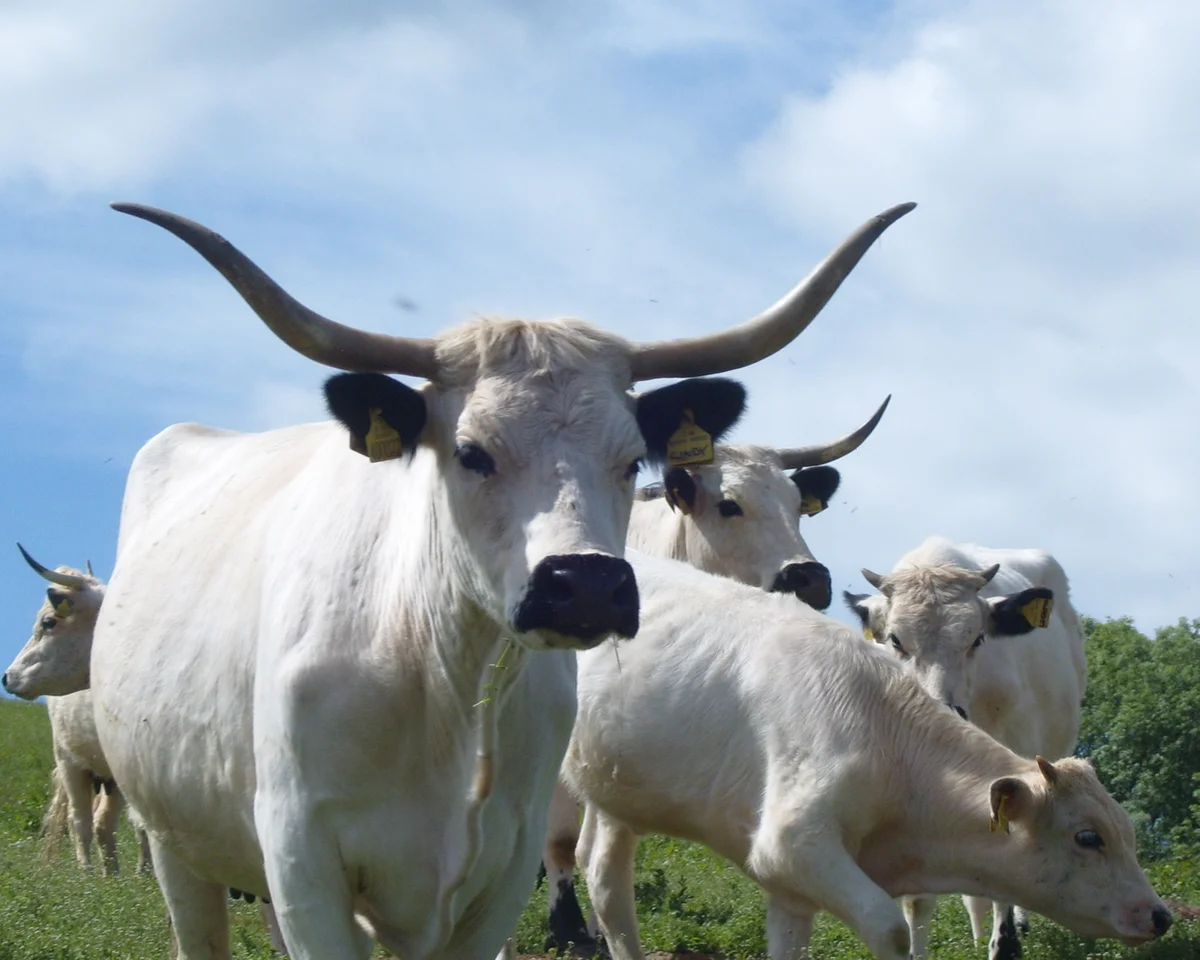
An ancient breed of cattle with deep historic roots now faces a dire future. These distinct animals once walked alongside Celtic tribes across the changing British landscape centuries ago. A leading conservation charity has officially designated them as urgently at risk this week. The Rare Breeds Survival Trust released its 2026 watchlist early on this Tuesday morning. Experts moved white park cattle into the highest priority category for urgent protection. This decision follows a concerning decline in the number of new calves born. New birth registrations dropped to below two-thirds of their levels seen during 2022. This shift highlights a troubling trend for several unique native British livestock breeds. Three other notable species also moved from at-risk status to the priority list. These include the original population of Lincoln red cattle alongside rare sheep. Both Boreray and Soay sheep now require immediate attention from our national farming community. The charity is calling upon the government to increase support for these animals. Christopher Price serves as the chief executive officer for the Rare Breeds Survival Trust. He argues that this issue extends beyond simple funding for individual farm business owners. Price believes that current environmental policies must better recognize the majesty of these creatures. These animals represent a vital component of our shared history within the British countryside. White park cattle remain fundamentally different from the commercial animals found in modern farming. Most livestock breeds today undergo selective breeding processes to maximize their overall meat yields. Price describes these white park cattle as semi-wild animals that were only partially domesticated. They possess a long and storied history that stretches back thousands of years here. Their ancestors allegedly followed Celtic people as they moved toward the fringes of Britain. This migration occurred as Roman forces pushed the local tribes north and further west. These hardy cattle remained popular throughout the long and challenging years of the medieval period. However their total numbers dwindled significantly as industrial farming methods began to take hold. Winston Churchill even recognized their immense heritage value during the second world war era. He famously sent an entire herd to Canada to ensure their continued safety abroad. The charity explains that one main reason for their decline involves a lack of incentives. Farmers often find little financial motivation to keep these unique and historic cattle breeds. Many native varieties are currently losing ground in favor of larger and faster continental breeds. Despite these economic challenges some dedicated individuals continue to care for these beautiful animals. Jan McCourt operates the Northfield farm situated on the Rutland and Leicestershire county borders. He speaks very highly of the unique qualities possessed by this specific ancient breed. McCourt considers them capable of producing what he calls the ultimate product in beef. They offer a very fine and rarely seen type of delicate fat marbling pattern.

This produces a deep and unctuous flavor that is difficult to find anywhere else. The white park breed also proves ideal for essential tasks like modern conservation grazing. Hardy native livestock are effectively used to manage fragile habitats across the British islands. These animals help make natural environments much more suitable for diverse local wildlife populations. Price suggests that these cattle serve as a vital part of our national biodiversity. The trust is currently pushing for better inclusion of livestock in biodiversity discussions. These animals played a central role in creating our meadows and healthy pasture lands. It only makes sense to use them to restore these environments in our time. Using the original breeds that helped create these landscapes is a truly logical approach. The 2026 watchlist does offer some positive news regarding several other native British breeds. Populations for animals like Aberdeen Angus cattle are currently on the steady rise today. Rare sheep breeds like the Manx Loaghtan and Leicester Longwool are also showing growth. These successes provide a glimmer of genuine hope for the future of our heritage. A spokesperson from the Department for Environment Food and Rural Affairs shared a statement. They noted that native livestock breeds provide critical genetic diversity for our rural heritage. The government plans to continue supporting these at-risk breeds through various different actions. Their sustainable farming schemes will offer funding for protecting important and necessary grazing habitats. Conservationists hope these combined efforts will prevent these historic animals from disappearing from fields. Preserving these living links to our past remains a crucial mission for modern Britain. We must act quickly to ensure these historic creatures remain part of our landscape. Future generations deserve the chance to see these animals grazing in the quiet countryside. The survival of these unique breeds is a responsibility we must all take seriously. Protecting our natural and cultural heritage requires consistent effort from farmers and the public. With the right policies and support these ancient cattle may yet secure survival. Time is pressing for these majestic creatures that have survived for so many centuries. We must ensure they continue to thrive in the rolling green hills of Britain.
Related News:
 ‘Extinct’ Antelope Returns to Sahara, Bringing Hope
 Norfolk Coastal Graves at Risk as Erosion Deepens Family Anguish
 Eden Project Founder Celebrates 25 Years of Nature’s Hope
 Winter plant bloom signals climate breakdown in UK
 UK Homes May Skip Batteries in New Green Rules
 Avocado Crisis: The Hidden Violence Behind Exports
 Smaller farms funding prioritised in England nature plans
 Dog Food Emissions: 1% of UK Greenhouse Gas Revealed
 Dutch Nationwide Fireworks Ban Expected to Transform New Year Traditions
 Storm Goretti leaves Cornwall homes without power
 Wildlife Targets at Risk in England and Northern Ireland
 Dubai Chocolate Craze Inspires South Korea’s Latest Dessert Obsession
 Traces of Glyphosate Found in UK Playground Tests
 BP’s Influence Sparks Controversy in UK STEM Education
 Polycrisis Anxiety Leaves Many Feeling Trapped in the Present
 Kent Residents Continue Facing Water Supply Disruptions
 Antarctic Penguins Shift Breeding Season Amid Climate Change
 No Gas Boiler Ban as UK Warm Homes Plan Backs Heat Pumps
 Judi Dench Champions Fight to Save London’s Green Spaces
 Half the World’s Largest Cities Face Rising Water Stress
 Record-Breaking Heat Looms Over South-East Australia as Catastrophic Fire Risk Escalates
 UK joins North Sea wind grid pact with nine European nations
 Devon hosts first high-density hydro power system
 US-Style Pickup Trucks Surge on UK Roads
 Storm Chandra floods Somerset, triggers major incident declaration
 How Sandhill Ashes Rebuilt a Bushfire-Hit Rural Community
 Storm Chandra flooding leaves England on high alert
 Reform UK Taps Boris Ally to Shape Party Nature Agenda
 James Valentine Retires from ABC After Cancer Battle
 UK Pfas Action Plan Faces Criticism From Environmentalists
 Wigan Dump Crisis Sparks Health and Safety Alarm
 Norway’s Petrol Car Sales Hit Record Low Amid EV Surge
 Fish disco plan could save 90% of fish at Hinkley C
 Santos Wins Landmark Greenwashing Case in Court
 Gentoo Penguins First Birds on Australian Territory Hit by Bird Flu
 Flood risk homes surge across England builds
 Chikungunya Spread in Europe Climbs as Climate Warms
 Deer Shooting England: New Plan to Protect Woods
 Illegal Waste Dumping: New Drone Unit Launched
 Scotland’s Emissions Plans Face Criticism for Over-Reliance on Technology
 Germany Faces Backlash Over Scrapped Renewable Heating Mandate
 Group Expands Legal Claim Over South West Water Pollution
 Scotland’s Climate Plans Face Scrutiny Over ‘Science Fiction’ Targets
 Humans – not Mimmo the dolphin – need managing in Venice lagoon
 Ocean Warming Drives Massive Marine Life Loss, Study Warns
 Ancient Stepwells Revived Amid India’s Deepening Water Crisis
 Tropical Flowers Shift Blooming Due to Climate Crisis
 Death Valley Blooms Signal Potential Superbloom Year
 Greenpeace $345m Ruling Sparks Appeal Battle
 Save the Caterpillars to Help UK Moth Populations Grow
 Wood burner legal threats spark council row
 South East Water Fined £22.5m for Repeated Supply Failures
 Yorkshire Water Funding Sparks Debate Amid Fines and Pay Row
 Net Zero Cheaper Than One Fossil Fuel Crisis, UK Told
 Musk’s xAI Permit Sparks Fury Over Power Plant Expansion
 Welsh Water Faces £44.7m Enforcement Over Sewage Breaches
 London Considers New SUV Charges to Improve Road Safety
 The Truth Behind Rising Energy Costs and Fossil Fuel Myths
 ‘Drinking from a Fetid Pond’: Superbug Genes in Lough Neagh
 MPs Slam Agency Over Failing Fight Against Waste Dumping
 Middle East Deluge: Freak Storms Bangle Desert Nations
 Trump to Deploy “God Squad” Over Gulf Wildlife Protections
 The Secret Identity Behind the Enfield Oak Felling
 Evacuations Ordered as California Wildfires Spread Fast
 UK Records Earliest Spring as Nature Awakens Fast
 Queensland Braces for Potential Second Severe Cyclone Hit
 Tragic End to Outback Search as Floods Claim a Life
 US Waste Crisis: Mexico Branded a Toxic Garbage Sink
 UK Fossil Fuel Expansion Risks Global Climate Collapse
 Cyclone Maila Intensifies to Category Five Strength
 Miles Jupp: How the Magic of the Ashes Sparked a Bold Blag
 Britain Must Break Its Long Addiction To Toxic Herbicides
 RSPB Urges Summer Bird Feeder Removal to Curb Disease
 The Toxic Scent Destroying Life in a Lancashire Town
 Britain Facing Sharp Decline in Rare Butterfly Species
 15 Million Oysters Set to Revive UK Marine Ecosystems
 Fuel Prices Drop Despite Geelong Refinery Blaze
 Big Tech Lobbies EU to Hide Massive Datacentre Emissions
 Medellín’s Green Revolution: A Global Climate Blueprint
 Celestial Magic: The Lyrid Meteor Shower Returns