Published: 21 April 2026. The English Chronicle Desk. The English Chronicle Online
As the Los Angeles Kings prepare for their opening-round playoff clash against the Colorado Avalanche, the conversation around the rink has shifted from power plays to social justice. Quinton Byfield, the Kings’ star forward and the highest-drafted Black player in NHL history, issued a powerful call for structural change today following a “disturbing” series of online racial attacks directed at junior players. In a post-practice media session, Byfield—who recently helped clinch the Kings’ fifth straight playoff berth—emphasized that while “End Racism” stickers and commemorative warm-up jerseys are a start, the sport remains far from its goal of true inclusivity.

“We’ve spent years talking about how there’s ‘no place for racism’ in our game, but the incidents keep happening,” Byfield told reporters. “It’s not enough to just say the words anymore. More has to be done to tackle the roots of this behavior, especially in the minor leagues where the next generation is watching.” Byfield’s comments come amid a “low rumbling” of frustration within the Hockey Diversity Alliance (HDA), which has criticized the league’s reliance on “performative” public relations over measurable commitments to BIPOC development programs.
Byfield and several other prominent players of color are reportedly lobbying for a “Statutory Standard” of accountability across all levels of professional and semi-professional hockey.
| Objective | Proposed Implementation | Goal |
| Bystander Training | Mandatory workshops for all NHL/AHL staff. | Empower teammates to intervene in real-time. |
| Youth Accountability | Legal bans for life for repeat offenders in junior leagues. | Remove toxic influences from the talent pipeline. |
| Financial Transparency | Annual audits of NHL diversity funding. | Ensure “inclusion” budgets reach grassroots communities. |
| Digital Protection | Enhanced AI moderation for player social media. | Shield athletes from targeted hate speech. |
The timing of Byfield’s statement is no coincidence. It follows the recent UN Secretary-General’s message for the International Day for the Elimination of Racial Discrimination, which warned that the “ancient poison” of racism is being amplified by new digital tools. In the hockey world, this has manifested as a surge in anonymous abuse via social media platforms—a trend Byfield described as “cowardly” but “deeply damaging” to the mental health of young athletes.
“When I was drafted in 2020, I hoped that by 2026 we would be having a different conversation,” Byfield remarked. “I want young kids to come to the rink and have race be zero factor. Right now, it’s still a factor, and that’s a failure on all of us.”

The NHL has faced renewed scrutiny this season for its perceived “gentle” approach to disciplining instances of racial taunting on the ice. While the league recently launched its “2026-2030 Anti-Racism Strategy,” critics argue it lacks the “teeth” necessary to effect culture change. Byfield’s public stance is expected to galvanize the HDA, which has been pushing for a formal partnership with the league to oversee grassroots initiatives.
As Byfield heads into the post-season—having already tallied two critical goals in the playoff-clinching win over Seattle—he is carrying more than just the hopes of Kings fans. He is positioning himself as the leading voice of a generation that is tired of waiting for the sport to catch up to the world around it. For Byfield, the message is simple: the game is only for everyone if everyone is safe to play it.
Related News:
 Inland Australia Town Turns Streets into a Beach for Volleyball Contest
 Austrian Climber Found Guilty After Girlfriend Froze to Death on Mountain
 Iranian Players Get Australian Visas After Anthem Protest
 Peretz Targets FA Cup Upset Amid War Concerns
 England’s Euro Odyssey: A Tale of Grit, Glory and the Lionesses’ Miraculous March to the Final
 Tottenham Takes On Newcastle
 FIFA Eyes Biennial Club World Cup from 2029, Plans Possible Expansion
 Serbia Humiliated 0-5 by England in World Cup Qualifier
 Dembélé and Bonmatí Shine as Ballon d’Or Winners in Glittering Paris Ceremony
 Hannah Hampton Makes History as First Winner of Women’s Yashin Trophy at Ballon d’Or Awards
 Liverpool Vs outhampton Set for Carabao Cup Clash at Anfield
 Dramatic Derby: Sorloth Strikes as Atletico and Real Madrid Share the Spoils
 ICC Women’s World Cup 2025: India to Host as Pakistan Fixtures Moved to Neutral Venues
 Bournemouth Stun Fulham with Dramatic Comeback in Premier League Thriller
 Chaos at Ibrox as Martin’s Rangers Era Comes to an End
 Arsenal Showcase Depth and Flexibility as Arteta Eyes Title Challenge
 Ruben Neves Strikes Late as Portugal Beat Ireland
 Kane’s Double Seals England’s World Cup Qualification
 Fabio Wardley stuns Joseph Parker to earn Usyk title shot
 Tension and Turmoil at Aston Villa v Maccabi Match
 Lando Norris Dominates Brazil GP to Strengthen F1 Title Bid
 Ronaldo Confirms Final World Cup and Plans Retirement
 Irish Hero Parrott Says Goal Brought First Tears in Years
 Tiny Curacao Makes History as Smallest Nation to Reach World Cup
 Haiti Qualifies for World Cup Despite Coach Never Visiting Country
 Barcelona Returns to Camp Nou vs Athletic Bilbao
 Mbappe Scores 4 as Real Madrid Edge Olympiakos
 Man City Lose, Champions League Risk
 Snow and Rain Warnings as Cold Snap Continues in the UK
 Epstein Eyed Record Label Investment to Access Women, Files Suggest
 Australian Presenter Apologises for Drinking Before Slurred Olympics Report
 ‘We Pray for Peace’: Indian Filmmaker From Troubled State Who Won a BAFTA
 Hilary Knight speaks out on Trump’s recent hockey remarks
 Iran, the US, and a World Cup That Starts in Three Months
 Australian GP Confident Amid Travel Disruption
 Ski Duo Named GB’s Winter Paralympics Flagbearers
 Ireland Wary but Focused Before Wales Challenge
 Travellers’ Mobile Home Burnt Down Overnight in Suspected Arson Attack
 Why Aren’t Our Dirtiest Roads Getting Cleaned?
 ‘Every Day Feels Like a Month’: Iranians Describe Life Under ‘Constant’ US‑Israeli Strikes
 Alonso Fears ‘Permanent Nerve Damage’ From Aston Martin’s Disastrous Car
 Manchester Students Mourn Ayatollah Amid Protest
 Tears and Cheers as Controversial Long‑Running Australian Breakfast Radio Show Implodes
 My One-Hour Flight Transfer Left Me Facing 10 Days Stuck in a City Under Attack
 India T20 World Cup Triumph Seals Historic Title Defence
 Australia Urged to Shield Iranian Team After Anthem Protest
 Iranian Footballers Escape Team Hotel to Seek Asylum
 Scotland World Cup Party in Boston Gets Green Light After Security Breakthrough
 Iranian Captain Departs Australia Amid Asylum Tension
 Iran World Cup Move Talks Raise Global Concerns
 Missing Cuba-Bound Aid Ships Spark Urgent Search
 Horror in the Outback as Crocodile Kills World-Renowned Doctor
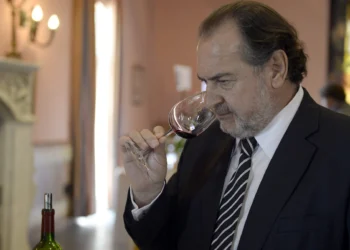 Michel Rolland: The ‘Spielberg of Wine’ Who Directed the Global Palate
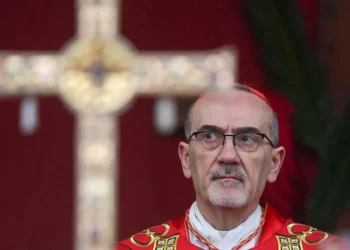 Status Quo Restored: Netanyahu Intervenes After Police Block Latin Patriarch from Holy Sepulchre
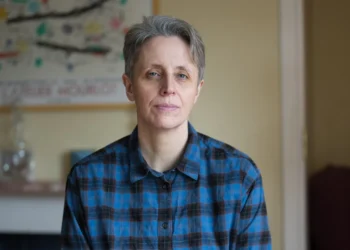 ‘The Final Word’: Kathleen Stock’s Polemic Against Assisted Dying Reshapes the UK Debate
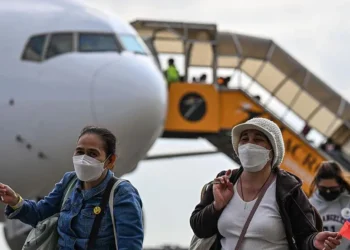 ‘The Cost of Living’: Asia’s Migrant Workers Debate if Gulf Jobs are Worth the Risk of War
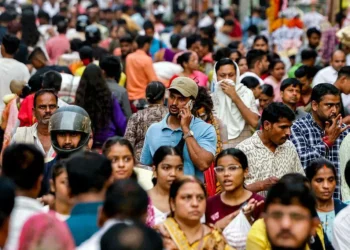 India Begins Mammoth Census for 1.4 Billion People
 “Homo Sapiens are All of Us”: Artemis II Crew Sends Emotional Message of Unity from Deep Space
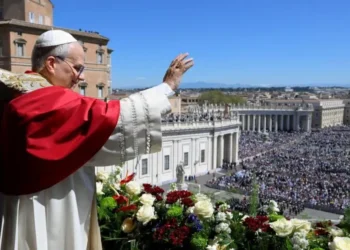 Pope Leo Urges Peace in First Easter Mass Address
 Silver Linings: Why Global Tourism is Finding “Positives” Amidst Iran War Uncertainty
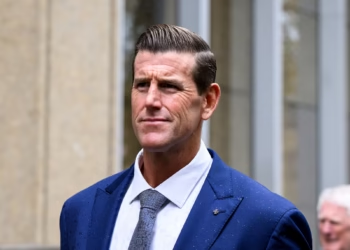 ‘I Will Not Abandon Him’: Pauline Hanson Stands by Ben Roberts-Smith After War Crime Charges
 ‘The Soul of Spain’: Politicians Clash Over Renewed Push to Move Picasso’s Guernica
 ‘It Was an Accident’: Rohan Dennis Breaks Silence to Attack ‘False Narrative’ Over Wife’s Death
 The Suffocating Silhouette: Why Metal’s Mask Trend is Turning Deadly
 Debt Relief or Drop in the Ocean? UK Caps Student Loan Interest at 6%
 The Fallen Icon: Ben Roberts-Smith Charged with Five War-Crime Murders
 The $100 Billion Peace: Trump’s ‘Grand Bargain’ Ends Iran Conflict at a Staggering Cost
 ‘No Gas, No Food’: LPG Shortage Triggers Reverse Migration in Indian Metros
 The Hidden Hurdle: Breaking the Silence on Athletic Incontinence
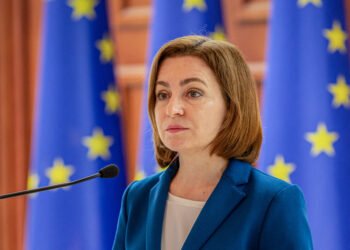 Moldova River Crisis Exposes War’s Hidden Cost
 Relief at the Pump: Irish PM Unveils €505m Package to Stem Fuel Crisis
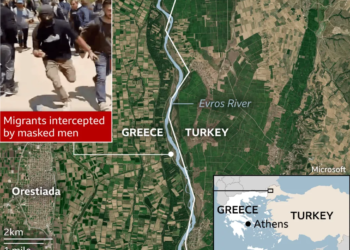 The Masked Frontier: Allegations of Greek Police Using Proxies for ‘Seismic’ Border Pushbacks
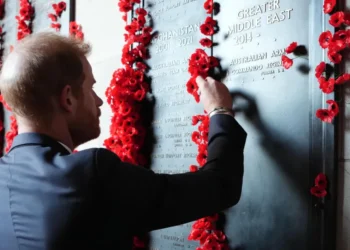 Legacy of the Future: Prince Harry Argues Children Should Be an ‘Upgrade’ of Parents
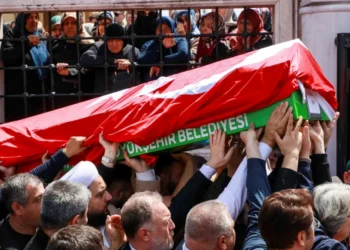 National Heartbreak: Turkey Mourns Victims of Unprecedented School Shooting Wave
 ‘Safe Haven’: Iranian Footballers Rebuild Lives in Australia Following Asylum Bid
 Fraudsters Target Runners Ahead of London Marathon
 Canadian astronaut French words ease language row
 The ‘War Tax’: How the Iran Conflict is Siphoning Your Bank Account
 The ‘Machli’ Manifesto: Why Indian Politicians are Trading Rallies for Fish Markets