Published: 21 April 2026. The English Chronicle Desk. The English Chronicle Online.
The government’s primary wildlife watchdog is currently failing to save vital natural habitats. Natural England has stopped giving formal protection to rare wildlife and endangered ecosystems today. A new report highlights that no new scientific sites have been designated since 2023. These special areas serve as a bedrock for protecting diverse species across England. Without this legal designation, fragile habitats remain at severe risk from new development. One specific site in Thurrock was identified as an important area for protection. However, that land had a planning application approved and will now be built. Experts are deeply concerned about the lack of progress in designating critical sites. The research was conducted by planning experts for the Wild Justice campaign group today. They discovered that fourteen potential sites are currently stuck on a waiting list. These areas are designated as part of the agency’s official internal development pipeline. Each of these sites has received a planning application for major development nearby. Twelve of those applications have already received official approval from the relevant local authorities. This trend poses a significant threat to the nation’s dwindling biodiversity and landscapes. Bob Elliot is the chief executive officer for the active Wild Justice campaign group. He claims that Natural England is simply dithering while ignoring its clear duties. He stated that irreplaceable wildlife sites are currently being damaged or built over today. The idea that we can protect nature while failing is truly quite absurd. You simply do not save nature by leaving important places vulnerable to human destruction. This situation must change immediately to prevent further loss of our precious natural heritage. The designation pipeline must be reopened to allow for the urgent protection of lands. The government must also stop starving the entire conservation system of its necessary resources. Every single day of inaction risks losing more of the wildlife we have left. Once these special areas are gone, they are unfortunately gone for good forevermore. Developers are usually required to mitigate ecological harms if they build near existing sites. Planning applications can also be rejected by authorities because of proximity to protected areas. The report’s authors used a one-kilometre calculation to help reflect the likely ecological damage. This is a very conservative estimate of total harm to the surrounding natural environment. Many types of urban development inflict damage on local ecology over a wider radius. Sites of special scientific interest were first created to protect English wildlife in 1949. Designating new areas is a primary duty for the agency under current national laws. This remains a key part of the government’s commitment to protect nature by 2030. According to the report, these sites currently protect only seven percent of total land. This represents a lower level of protection than any country in the European Union. In 2012, Natural England declared an intention to designate many sites each passing year.

The agency planned on moving to deciding fifty new cases annually for the public. In reality, it has decided on far fewer protected sites than originally promised publicly. It has established just thirty-three new sites in the past fourteen years of operation. No new sites have been formally extended since the year 2023 was completed either. Since 2005, the total area of these protected sites has grown very slowly indeed. The agency has officially admitted it is not adding any new sites right now. It has confirmed that it paused formal assessments of several potential sites this year. The watchdog claims it is considering new principles to prioritize the notification of sites. It also added that it is reviewing limited resources to achieve nature restoration goals. One specific site at Thurrock will be destroyed by a new port development project. This area is known as Tilbury 3 and received planning permission this February. This project will destroy part of the Ashfield area and local marshland sites. Natural England previously described this as the most important area for local invertebrates. In 2024, the agency indicated it had collected the necessary data for its designation. A final decision was expected by the public during the year 2025 period. Amanda Craig is the director of resilient landscapes for the agency known as Natural England. She said that these sites are the foundation of our most precious natural habitats. The agency maintains a rolling programme to keep under review places needing special protection. Regarding the Tilbury site, the agency is working with local partners to help matters. It has collected evidence from wildlife surveys to guide how it will be protected. The entire Thames estuary area was placed into the designation pipeline during 2020. This action followed the recognition of severe threats to unique wildlife found there. Back in 2008, one hundred sites had been identified as having high value. Six years later, these sites were lost to development or under imminent threat today. The new report was written by Dr Kiera Chapman and two other academic experts. It found that sixty-three percent of potential sites were at high risk from development. The academics analysed planning applications that signalled an intent to develop on potential sites. Eight potential sites had major development proposed in a local authority’s official plan. Six of those local plans have already been approved and adopted by the councils. Other sites are currently threatened by more amorphous future developments such as new cities. Some potential sites have languished on the pipeline list for over ten years now. No final decision has been made despite the long wait for these unique areas. Last year, the agency published a massive strategy for the recovery of our nature. Curiously, that document did not even mention these protected scientific sites a single time. Public trust is eroding as the agency appears to abandon its core conservation mission. Activists are demanding immediate transparency regarding the current state of all these protected areas. The government faces mounting pressure to intervene and save these landscapes from further ruin. Failure to act now will leave a permanent scar on the natural history of England. Protecting our environment is a responsibility that cannot be delayed any longer for society. We must ensure that future generations inherit a world that is still remarkably rich.
Related News:
 ‘Extinct’ Antelope Returns to Sahara, Bringing Hope
 Norfolk Coastal Graves at Risk as Erosion Deepens Family Anguish
 Eden Project Founder Celebrates 25 Years of Nature’s Hope
 Winter plant bloom signals climate breakdown in UK
 UK Homes May Skip Batteries in New Green Rules
 Avocado Crisis: The Hidden Violence Behind Exports
 Smaller farms funding prioritised in England nature plans
 Dog Food Emissions: 1% of UK Greenhouse Gas Revealed
 Dutch Nationwide Fireworks Ban Expected to Transform New Year Traditions
 Storm Goretti leaves Cornwall homes without power
 Wildlife Targets at Risk in England and Northern Ireland
 Dubai Chocolate Craze Inspires South Korea’s Latest Dessert Obsession
 Traces of Glyphosate Found in UK Playground Tests
 BP’s Influence Sparks Controversy in UK STEM Education
 Polycrisis Anxiety Leaves Many Feeling Trapped in the Present
 Kent Residents Continue Facing Water Supply Disruptions
 Antarctic Penguins Shift Breeding Season Amid Climate Change
 No Gas Boiler Ban as UK Warm Homes Plan Backs Heat Pumps
 Judi Dench Champions Fight to Save London’s Green Spaces
 Half the World’s Largest Cities Face Rising Water Stress
 Record-Breaking Heat Looms Over South-East Australia as Catastrophic Fire Risk Escalates
 UK joins North Sea wind grid pact with nine European nations
 Devon hosts first high-density hydro power system
 US-Style Pickup Trucks Surge on UK Roads
 Storm Chandra floods Somerset, triggers major incident declaration
 How Sandhill Ashes Rebuilt a Bushfire-Hit Rural Community
 Storm Chandra flooding leaves England on high alert
 Reform UK Taps Boris Ally to Shape Party Nature Agenda
 James Valentine Retires from ABC After Cancer Battle
 UK Pfas Action Plan Faces Criticism From Environmentalists
 Wigan Dump Crisis Sparks Health and Safety Alarm
 Norway’s Petrol Car Sales Hit Record Low Amid EV Surge
 Fish disco plan could save 90% of fish at Hinkley C
 Santos Wins Landmark Greenwashing Case in Court
 Gentoo Penguins First Birds on Australian Territory Hit by Bird Flu
 Flood risk homes surge across England builds
 Chikungunya Spread in Europe Climbs as Climate Warms
 Deer Shooting England: New Plan to Protect Woods
 Illegal Waste Dumping: New Drone Unit Launched
 Scotland’s Emissions Plans Face Criticism for Over-Reliance on Technology
 Germany Faces Backlash Over Scrapped Renewable Heating Mandate
 Group Expands Legal Claim Over South West Water Pollution
 Scotland’s Climate Plans Face Scrutiny Over ‘Science Fiction’ Targets
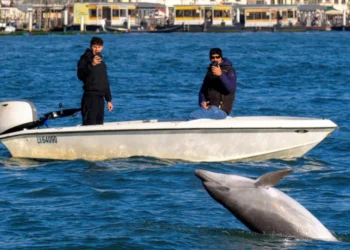 Humans – not Mimmo the dolphin – need managing in Venice lagoon
 Ocean Warming Drives Massive Marine Life Loss, Study Warns
 Ancient Stepwells Revived Amid India’s Deepening Water Crisis
 Tropical Flowers Shift Blooming Due to Climate Crisis
 Death Valley Blooms Signal Potential Superbloom Year
 Greenpeace $345m Ruling Sparks Appeal Battle
 Save the Caterpillars to Help UK Moth Populations Grow
 Wood burner legal threats spark council row
 South East Water Fined £22.5m for Repeated Supply Failures
 Yorkshire Water Funding Sparks Debate Amid Fines and Pay Row
 Net Zero Cheaper Than One Fossil Fuel Crisis, UK Told
 Musk’s xAI Permit Sparks Fury Over Power Plant Expansion
 London Considers New SUV Charges to Improve Road Safety
 The Truth Behind Rising Energy Costs and Fossil Fuel Myths
 ‘Drinking from a Fetid Pond’: Superbug Genes in Lough Neagh
 MPs Slam Agency Over Failing Fight Against Waste Dumping
 Middle East Deluge: Freak Storms Bangle Desert Nations
 Trump to Deploy “God Squad” Over Gulf Wildlife Protections
 The Secret Identity Behind the Enfield Oak Felling
 Evacuations Ordered as California Wildfires Spread Fast
 UK Records Earliest Spring as Nature Awakens Fast
 Queensland Braces for Potential Second Severe Cyclone Hit
 Tragic End to Outback Search as Floods Claim a Life
 US Waste Crisis: Mexico Branded a Toxic Garbage Sink
 UK Fossil Fuel Expansion Risks Global Climate Collapse
 Cyclone Maila Intensifies to Category Five Strength
 Miles Jupp: How the Magic of the Ashes Sparked a Bold Blag
 Britain Must Break Its Long Addiction To Toxic Herbicides
 RSPB Urges Summer Bird Feeder Removal to Curb Disease
 The Toxic Scent Destroying Life in a Lancashire Town
 Britain Facing Sharp Decline in Rare Butterfly Species
 15 Million Oysters Set to Revive UK Marine Ecosystems
 Fuel Prices Drop Despite Geelong Refinery Blaze
 Big Tech Lobbies EU to Hide Massive Datacentre Emissions
 Medellín’s Green Revolution: A Global Climate Blueprint
 Celestial Magic: The Lyrid Meteor Shower Returns
 Ancient Cattle Breed Faces Urgent Risk of Extinction