Published: 05 December 2025. The English Chronicle Desk. The English Chronicle Online
Maritime security in the Middle East has reached a perilous new tipping point following the seizure of two international cargo ships by Iranian naval forces in the strategic Strait of Hormuz. The Islamic Revolutionary Guard Corps (IRGC) confirmed the operation on Wednesday, identifying the detained vessels as the MSC Francesca and the Epaminondas. According to Iranian state media, the ships were intercepted and forcibly redirected toward Iranian territorial waters after allegedly violating maritime regulations and tampering with their automated tracking systems. This aggressive maneuver follows a chaotic morning in the waterway, during which at least three commercial vessels reported coming under direct fire, highlighting the extreme volatility of the region’s most critical energy chokepoint.

The day began with reports from the United Kingdom Maritime Trade Operations (UKMTO) detailing a series of escalations that caught the shipping industry off guard. In the first incident, a container ship positioned approximately 15 nautical miles northeast of Oman was approached by an IRGC gunboat. Without any prior radio contact or warning, the gunboat reportedly opened fire, causing significant damage to the vessel’s bridge. While the crew remained physically unharmed, the sheer intensity of the unprovoked assault sent shockwaves through the global maritime community. Hours later, a second outbound cargo ship reported being fired upon west of the Iranian coast, resulting in the vessel being brought to a complete halt in the water. Iranian officials have defended these actions as “enforcement of maritime law,” claiming the ships ignored repeated warnings and were attempting to exit the Strait covertly.
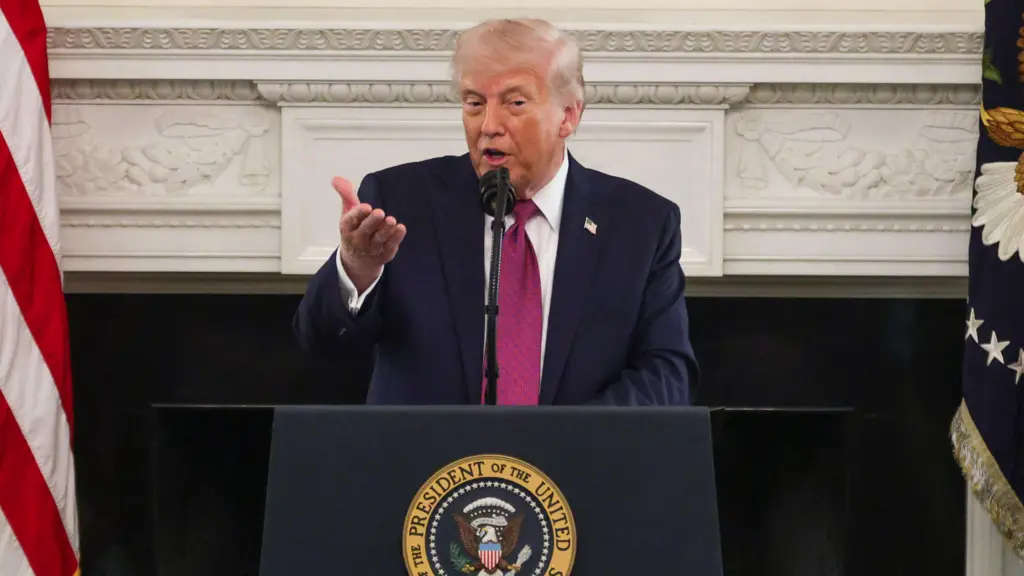
The timing of these seizures is particularly fraught, coming just hours after a major diplomatic development involving Washington. President Donald Trump had announced an indefinite extension of a fragile ceasefire with Iran, which was originally slated to expire this week. However, the optimism surrounding that announcement has been severely dampened by Iran’s simultaneous assertion that the U.S. naval blockade of its ports remains a “red line” that justifies a retaliatory stance. Tehran has labeled the ongoing American presence and the recent seizure of an Iranian-flagged ship, the Touska, as acts of “armed piracy.” The IRGC’s statement emphasized that they have achieved “smart monitoring” of the Strait and will not hesitate to take “firm and lawful action” against any vessel they believe is complicit in the blockade or navigating under suspicious conditions.

As the MSC Francesca and Epaminondas are held for inspection of their cargo and documentation, the global economy is already beginning to feel the tremors of this maritime standoff. Shipping traffic through the Strait has plummeted as major firms suspend operations to avoid the risk of fire or seizure. With thousands of mariners effectively stranded in the Persian Gulf and oil transit routes disrupted, the international community is watching with bated breath to see if diplomacy can survive this latest surge in hostilities. For now, the Strait of Hormuz remains a theater of high-stakes brinkmanship, where the line between a fragile truce and open conflict is as thin as the wake left by a passing gunboat.
Related News:
 Gulf Oil Shock Sends Global Economic Ripples
 UK Must Act with Courage and Clarity on Israel-Palestine Conflict, Says Foreign Affairs Committee Report
 Radioactive Leak at UK’s Nuclear Warhead Base Sparks Outcry Over Safety and Secrecy
 Mutual Inconvenience: Why Alaska Was Chosen for the Trump-Putin Summit on Ukraine
 Hong Kong Summons UK and Australian Envoys Following Asylum Grants to Democracy Activists
 Is the UK Ready to Put Boots on the Ground in Ukraine? Assessing Military Capacity and Challenges
 Channel Crossings Surge: Over 1,000 People Arrive in the UK in Small Boats in a Single Day
 Widow of Charlie Kirk Forgives Killer at Emotional Memorial Service
 Yvette Cooper Signals Global Momentum Towards Gaza Peace Deal Amid Humanitarian Crisis
 Public Trust in SNP Hits Historic Low Amid NHS Concerns
 Johnson Suggests Mandelson Linked to China Spy Controversy
 Rachel Reeves signals welfare reform ahead of key budget
 Russia’s Latest Push to Win US Favors Shows Deep Desperation
 BBC to Apologise Over Edited Trump Speech Amid Backlash
 Britain deploys RAF specialists to assist Belgium with drone threats
 Trump Urges Herzog to Grant Netanyahu Full Pardon
 Indian authorities demolish Kashmir home linked to Red Fort blast
 Greene Pushes Epstein Files Amid Trump Fallout
 Trump Deploys DHS to Charlotte in Major Arrest Operation
 December Run-Off in Chile as Election Produces No Winner
 Canada Passes Carney’s First Budget in Tight Parliamentary Vote
 Shadow Fleet at Sea: Europe’s Battle Against Illicit Oil Shipping
 India’s COP30 Delay Raises Global Climate Concerns
 Georgians Defy Government Crackdown After Year of Protests
 Albanese Opens Door to Bondi Royal Commission Amid Rising Pressure
 EU weighs response amid Greenland tariff crisis with Trump
 EU Says US Ties Have Suffered ‘Big Blow’ After Greenland Crisis
 Israel Moves to Bar MSF From Gaza Operations
 Australian Families Leave Syrian Camp for Home
 Starmer Weighs Fast-Tracking Defence Boost
 Nine Arrested in France Over Death of Far‑Right Student
 Andrew Arrest Sparks Republic Debate in Australia
 Australian PM Says Former Prince Andrew Has Suffered ‘Extraordinary Fall’ but That Won’t Prompt Republic Referendum
 Musk Cuts Starlink Access for Russian Forces – Giving Ukraine an Edge at the Front
 Farage Chagos Islands Row Sparks Fury
 Ukraine Negotiator Reveals What It Feels Like Facing Russia
 Chad Shuts Border With Sudan in Bid to Stop Conflict Spreading
 French Minister Moves to Block US Envoy Kushner from Government Access
 Has Europe truly learned from the failures of 2022?
 American Citizen Killed in Cuba Boat Shooting, U.S. Officials Say
 Iran’s Regime Still Intact — Coming Days Will Test Its Survival
 Allies of US in the Gulf Bear Brunt of Iran Attacks
 Trump Faces Questions Over Iran Conflict Plan
 Israel Launches Ground Invasion of Lebanon Amid Widening Middle East War
 Herzog Asio meeting sparks security storm
 Nepal Holds First General Election Since Gen Z Protests Toppled Government
 How Depleted Weapons Stockpiles Could Affect the Iran Conflict
 Macron Finds ‘Freedom Fries’ Redemption in Iran Crisis
 Finland Plans to Lift Decades‑Old Ban on Hosting Nuclear Weapons
 Minister Meets Crews Who Will ‘Take Out’ Iranian Drones
 UK–US Tensions Ease as Starmer and Trump Hold First Call Since Iran Row
 Nine Days of Strikes Reshape the Middle East
 Trump Pressures Congress Over Save America Act
 Iran War Puts Trump at Political Risk Amid Rising Prices
 Iran’s New Leader Faces Existential Test
 Iranian Football Squad Asylum Drama Shocks Australia
 Ukraine War Becomes Flashpoint in Hungarian Election
 Queensland Protest Laws Spark Free Speech Backlash
 Oil Price Jumps Despite Deal to Release Record Amount of Reserves
 Eswatini Deal Sparks Global Outcry Over US Deportations
 Yvette Cooper: UK Must Follow Principles, Not US Pressure
 Trump Nato threats expose Iran strategy vacuum
 Trump’s Confidence Undimmed — But Every Iran Option Carries Risk
 Israel Says Iran Security Chief Larijani ‘Killed’
 Philippines energy emergency sparks coal power surge
 Trump Facing Backlash from Epstein Survivors Over Files
 UK Forces Ready to Seize Russian Shadow Fleet Vessels
 Trump Considers Military Operation to Seize Iran’s Uranium
 Report Says Pezzullo Acted ‘Recklessly’ in Dealings
 Hungary Claims Plot to Target Gas Pipeline Pre-Vote
 Oil and Diplomacy: Russian Refineries Burn as Zelenskyy Secures Middle East Shield
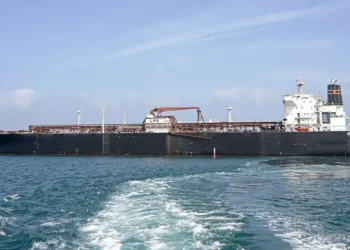 Asian Powers Secure Energy Lifelines as Trump’s Hormuz Deadline Looms
 ‘The Soul of Spain’: Politicians Clash Over Renewed Push to Move Picasso’s Guernica
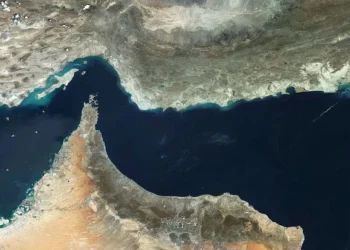 The Great Chokehold: Why the Strait of Hormuz is the Epicenter of the 2026 Crisis
 Moldova River Crisis Exposes War’s Hidden Cost
 The Frozen Frontier: Why Frostbite is the Least of Concerns for Canada’s Arctic Forces
 Diplomatic Deadlock: Lebanon Enters High-Stakes Border Talks with ‘No Cards to Play’
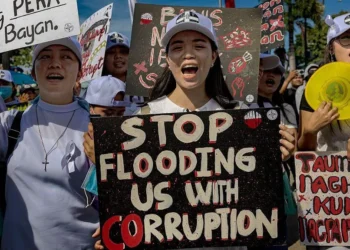 The ‘Big Fish’ Lands: Marcos Confirms Arrest of Key Figure in Flood-Control Scandal
 The Fog of War and the Ticker Tape: Suspicious Trades Rile Washington
 Brinkmanship in Islamabad: Tehran Vows ‘New Battlefield Cards’ as Ceasefire Wanes