Published: 24 April 2026. The English Chronicle Desk. The English Chronicle Online
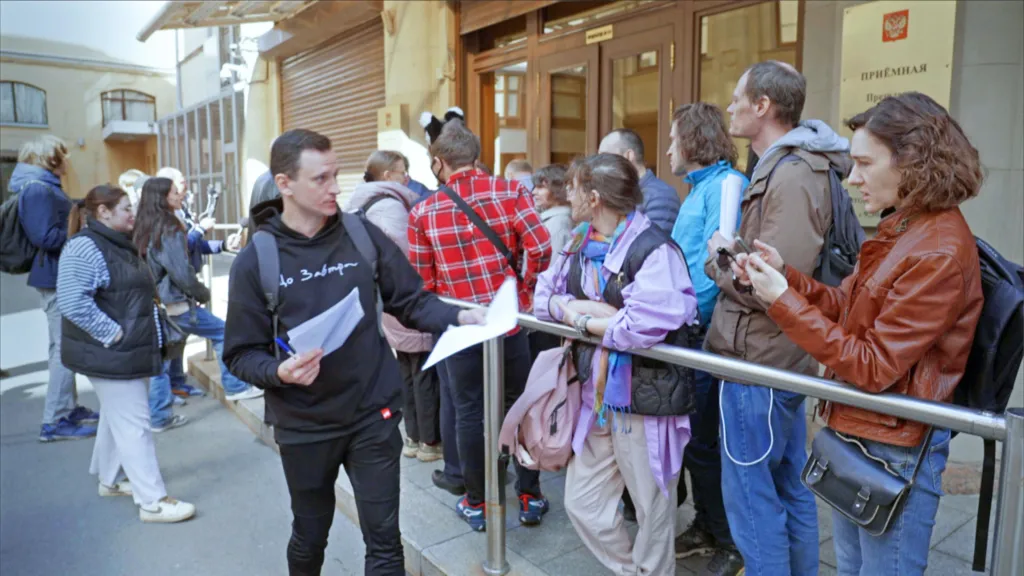
In a sobering dispatch from Moscow, the BBC’s Russia Editor Steve Rosenberg has detailed the final stages of the Kremlin’s campaign to isolate the Russian internet. As the conflict in Ukraine enters its fifth year, the Russian government has moved beyond simple censorship, deploying “sovereign internet” technology to throttle Western platforms to the point of total paralysis. However, as Rosenberg reports, this tightening grip is no longer just a political inconvenience—it is becoming a primary driver of domestic discontent, particularly among a youth demographic that has grown up in a global digital culture.

According to Rosenberg, the Kremlin’s strategy—dubbed “Digital Sovereignty”—is aimed at creating a closed loop of information, similar to China’s Great Firewall but implemented with significantly more friction. This week, the Russian communications regulator Roskomnadzor began testing a new “deep packet inspection” (DPI) system that reportedly blocked 90% of encrypted VPN traffic in Moscow and St. Petersburg. For the millions of Russians who rely on VPNs to access independent news, YouTube, and Instagram, the digital window to the world has suddenly slammed shut.
The push for total control is meeting unexpected resistance from within. Unlike the state-controlled television audience of the older generation, Russia’s under-35s are feeling the “digital pinch” in their wallets and social lives.
The Economic Cost: Small businesses and freelancers who rely on international software and social media marketing have seen their livelihoods “choked off” by the new restrictions.
The Content Crisis: With YouTube now virtually inaccessible without high-level technical workarounds, the “quiet dissent” of the Russian middle class is turning into vocal frustration.
The “Grey” Market: Rosenberg reports a surge in “black market” internet services, where tech-savvy Russians are paying premium prices for hardware capable of bypassing state-run servers via satellite links.
Rosenberg’s analysis suggests that Vladimir Putin’s administration is attempting a difficult balancing act: maintaining the illusion of a modern, tech-forward nation while systematically removing the tools of modern life.
“The Kremlin wants the convenience of the internet without the freedom of it,” Rosenberg writes. “But the internet is not like a television; you cannot simply change the channel. It is the infrastructure of everyday life. By cutting the wires, the state is making the lives of its citizens noticeably smaller, poorer, and more isolated.”

While mass street protests remain rare due to the threat of severe imprisonment, the discontent is manifesting in “micro-rebellions.” Rosenberg points to a significant rise in the use of localized, decentralized “mesh networks” in university dormitories and the growing popularity of underground “data-sharing parties” where news and international media are swapped via physical hard drives—a throwback to the Samizdat culture of the Soviet era.
As the Kremlin prepares for the 2026 regional elections, the “Internet War” has become a central pillar of its domestic security strategy. However, as Steve Rosenberg concludes, the more the state squeezes the digital world, the more it risks alienating the very tech-literate class it needs to keep the Russian economy afloat. The “Digital Iron Curtain” is being lowered, but the people behind it are increasingly unwilling to live in the dark.
Related News:
 Modi’s London Visit Seals Historic UK-India Trade Pact Amid Global Tensions
 Rubio Calls Russian Oil Imports a Strain on India-US Relations
 Rachel Reeves to lead UK trade push in Saudi Arabia amid rights debate
 Canada Passes Carney’s First Budget in Tight Parliamentary Vote
 India’s Labour Law Overhaul Sparks Fierce Debate
 Carney’s Alberta Pipeline Deal Sparks Immediate Pushback
 Austrian Airlines Halts Tehran Flights Amid Political Unrest
 Trump Administration Probe of Fed’s Powell Draws Pushback
 Mark Carney Walks Diplomatic Tightrope on China Visit
 ‘Repatriate the Gold’: Germany Debates Bringing Reserves Home
 Japan Braces as Takaichi Begins New Term with Huge Mandate for Low‑Tax, Ultra‑Conservative Agenda
 US Trade Deficit Hits Fresh High Despite Trump’s Tariffs
 What Now for Asia After Trump’s Tariffs Were Struck Down?
 Gulf Oil Shock Sends Global Economic Ripples
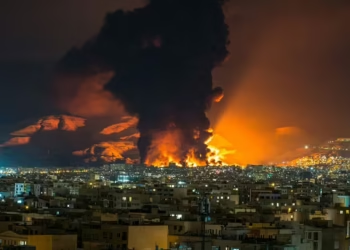 Iran Rejects Ceasefire, Warns Trump With Chilling Message
 US Says 16 Iranian Mine Ships Destroyed in Hormuz
 Russia Seeks Gains as Iran War Reshapes Global Politics
 Trump Faces New Warning Signs as Iran War Hits Home
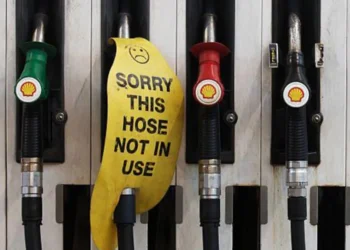 PM Seeks to Reassure Australians Over Fuel Supply
 Reeves to Join Emergency G7 Meeting as Oil Hits $116
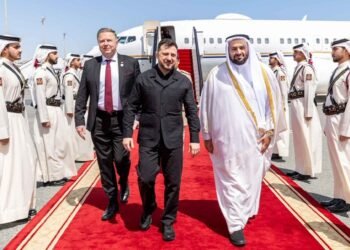 Zelensky Looks to Gulf to Protect Him from Putin
 Iran Strikes Kuwaiti Desalination Plant, Killing Worker as ‘Water War’ Escalates
 Trump to Deploy “God Squad” Over Gulf Wildlife Protections
 The ‘Islamabad Initiative’: How Pakistan Won Over Trump as a Key Mediator
 Epic Fury: The Strategic Logic and Uncertain Horizon of the 2026 Iran War
 UK-Led 35-Nation Summit Seeks to Break the Hormuz Deadlock
 “Region Will Burn”: Iran Issues Defiant Retaliation Warning After Trump’s Expletive-Laced Deadline
 The “Citrus” Shift: Marmalade to be Legally Rebranded in Post-Brexit Food Realignment
 Oil and Diplomacy: Russian Refineries Burn as Zelenskyy Secures Middle East Shield
 “A Perfect Storm”: UK Small Businesses Face Doubling Energy Bills as Iran War Rattles Markets
 The $100 Billion Peace: Trump’s ‘Grand Bargain’ Ends Iran Conflict at a Staggering Cost
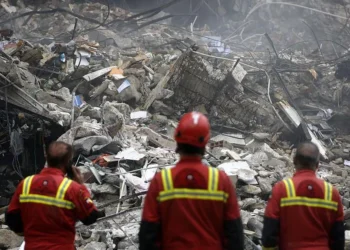 ‘A Double-Sided Ceasefire’: Inside the 14-Day Truce Between the US and Iran
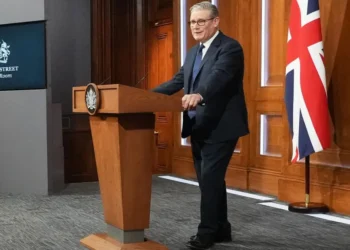 Diplomatic Sprint: Starmer Heads to the Gulf as 14-Day Truce Holds
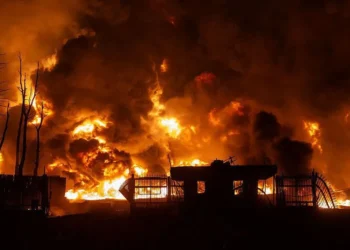 The Horns of Dilemma: Why the 2026 Iran War Ignited and Where It Goes Next
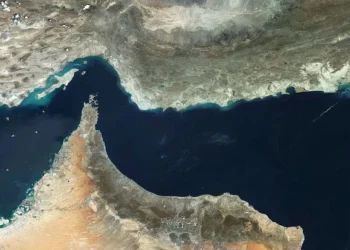 The Great Chokehold: Why the Strait of Hormuz is the Epicenter of the 2026 Crisis
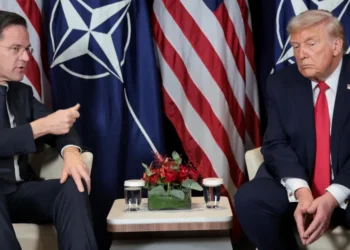 Tectonic Tension: Trump Blasts NATO Costs as Rutte Admits to ‘Very Frank’ Exchange
 Global Commerce Crisis: Cooper Demands Immediate, Toll-Free Access to Hormuz
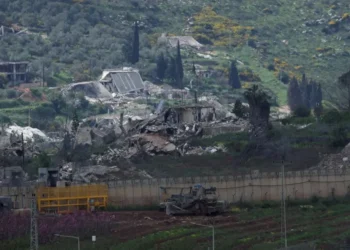 Midnight Fire: Israel and Hezbollah Exchange Strikes as Trump Lashes Out at Tehran
 The Prediction Prohibition: White House Staff Barred from Betting on Political Markets
 Market Shock: Oil Surges Past $100 as US Initiates Naval Blockade
 The Vance Verdict: How the Vice President Navigated the Islamabad “Pressure Cooker”
 The Blockade Gambit: Trump’s High-Stakes Threat Leaves Middle East Predicaments Unchanged
 Relief at the Pump: Irish PM Unveils €505m Package to Stem Fuel Crisis
 The Liberal Gamble: Carney’s Majority Quest Hits the ‘Poilievre Wall’
 The Atlantic Rift: Starmer Pledges UK Neutrality in Iran Port Blockade
 The Budapest Ripple: Katya Adler on Hungary’s ‘Jubilation’ and the Cold Shoulder from Moscow
 Diplomatic Deadlock: Lebanon Enters High-Stakes Border Talks with ‘No Cards to Play’
 Trump Slams UK Ties and Threatens To Rewrite Trade Deal
 ‘Never’: Senior Lawmaker Vows Tehran Will Maintain Grip on Strait of Hormuz
 The Fog of War and the Ticker Tape: Suspicious Trades Rile Washington
 High-Seas Seizure: US Navy Intercepts Iranian Cargo Ship in Gulf of Oman
 ‘Table of Surrender’: Tehran Vows ‘New Cards’ as Islamabad Peace Talks Teeter on Brink
 Brinkmanship in Islamabad: Tehran Vows ‘New Battlefield Cards’ as Ceasefire Wanes
 ‘I Get it in Writing’: Trump Extends Iran Ceasefire Amid Frantic Islamabad Push
 Resilience and Rupture: Why the Middle East Crisis is Succeeding Where Trade Wars Failed
 Standoff at the Strait: Iran Rejects Reopening Amid “Flagrant” Ceasefire Breaches
 Red Lines in Ottawa: PM Carney Insists US “Won’t Dictate Terms” of Trade Review
 Russia’s Latest Push to Win US Favors Shows Deep Desperation
 Trump’s UK Ambassador Urges North Sea Drilling to Strengthen US Ties
BBC to Apologise Over Edited Trump Speech Amid Backlash
Trump’s UK Ambassador Urges North Sea Drilling to Strengthen US Ties
BBC to Apologise Over Edited Trump Speech Amid Backlash
 Millionaires group urge Reeves to introduce wealth tax to ‘lift kids out of poverty’
 Greene Pushes Epstein Files Amid Trump Fallout
 Shadow Fleet at Sea: Europe’s Battle Against Illicit Oil Shipping
 Starmer Says Labour’s Economic Plan Needs Years to Deliver
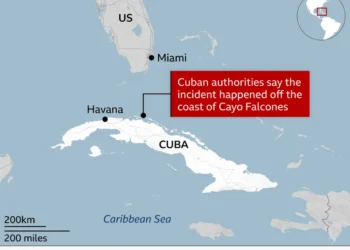 American Citizen Killed in Cuba Boat Shooting, U.S. Officials Say
 Iran’s Regime Still Intact — Coming Days Will Test Its Survival
 Finland Plans to Lift Decades‑Old Ban on Hosting Nuclear Weapons
 Trump Pressures Congress Over Save America Act
 Iran War Puts Trump at Political Risk Amid Rising Prices
 Queensland Protest Laws Spark Free Speech Backlash
 Trump Nato threats expose Iran strategy vacuum
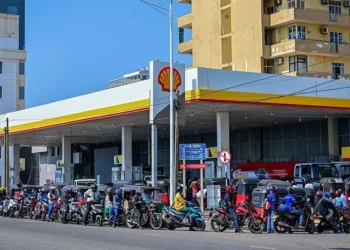 Sri Lanka Sets Weekly Shutdown to Save Fuel
 Trump Facing Backlash from Epstein Survivors Over Files
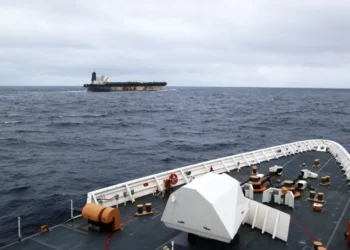 UK Forces Ready to Seize Russian Shadow Fleet Vessels
 Trump Considers Military Operation to Seize Iran’s Uranium
 The 8 Million Dilemma: Why Britain’s Disability Safety Net is Facing a ‘2026 Reckoning’
 Report Says Pezzullo Acted ‘Recklessly’ in Dealings
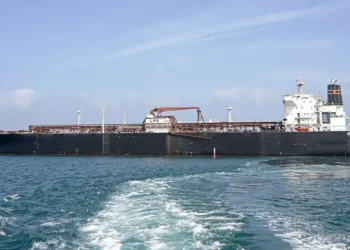 Asian Powers Secure Energy Lifelines as Trump’s Hormuz Deadline Looms
 Electric Shock: Australians Buy Record Number of New EVs as Fuel Crisis Bites
 Moldova River Crisis Exposes War’s Hidden Cost