Published: 28 April 2026. The English Chronicle Desk. The English Chronicle Online.
German Chancellor Friedrich Merz has recently expressed strong concerns regarding the current diplomatic efforts between the United States and Iran. He suggests that the ongoing American strategy is leading to significant humiliation for the United States on the global stage. Merz believes the current negotiating team in Washington is being consistently outwitted by the leadership in Tehran. This assessment highlights a growing strain in transatlantic relations as the international community observes these delicate talks. The German leader spoke candidly while addressing students during a recent public appearance in the city of Marsberg. He emphasised that the Iranian side appears far more skilled at stalling the process than American officials are at securing concrete results. His remarks follow the recent cancellation of a high-level diplomatic trip by American negotiators to the city of Islamabad.
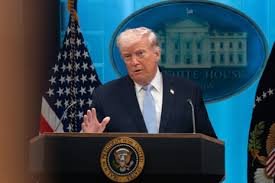
Earlier, American representatives had travelled to Pakistan twice for indirect talks, yet both sessions concluded without achieving substantial progress toward a lasting agreement. President Donald Trump has consistently attempted to frame these diplomatic stalemates in an optimistic light to his domestic audience. He recently informed television news outlets that the United States maintains a position of strength at the table. According to the president, Iranian authorities understand that they must eventually contact the United States to resolve their disputes. However, Merz maintains that the reality of the situation suggests the Iranian delegation is effectively avoiding meaningful concessions while wasting precious time. He specifically singled out the Islamic Revolutionary Guard Corps as a primary driver behind this obstructive and highly sophisticated negotiation strategy.

The German chancellor expressed his urgent hope that this period of instability and diplomatic limbo would conclude as quickly as possible. His words have resonated across various European capitals where leaders are increasingly anxious about the regional consequences of this prolonged deadlock. Many Nato allies remain worried that the lack of progress will only serve to further destabilise an already fragile Middle Eastern security environment. Meanwhile, Iranian officials have introduced a new proposal focusing on the vital Strait of Hormuz to shift the current conversation. This plan suggests that discussions regarding nuclear weapons and missile programmes could be set aside for a future date. Under this proposed arrangement, international shippers would be required to pay fees to Tehran for transit services through the strait.
This proposal represents a notable departure from previous Iranian demands that sought broad security guarantees in exchange for ending their blockade. Diplomatic experts remain highly sceptical that such a limited focus will satisfy the long-term strategic objectives established by Washington. The International Maritime Organization has already firmly rejected the legality of any such fees being imposed on international navigation routes. Officials at the organisation point out that there is no established legal framework for countries to tax ships passing through these vital international corridors. This response from the maritime authorities complicates the Iranian proposal and further narrows the path toward a mutually acceptable diplomatic breakthrough.
The economic situation within Iran continues to deteriorate sharply as the American-led blockade enters a new and increasingly intense phase. International financial institutions have forecast a significant contraction in the country’s gross domestic product during the current calendar year. Inflation rates have climbed to historic levels, creating extreme pressure on the daily lives of ordinary citizens throughout the nation. Food staples and essential healthcare services are becoming increasingly difficult for the average family to afford under these dire economic circumstances. The blockade has also severely disrupted the operation of Iran’s energy export infrastructure, leaving tankers stranded and storage facilities completely overwhelmed. Experts suggest that these long-term logistical failures will cause deep and lasting damage to the country’s vital energy sector for many years.
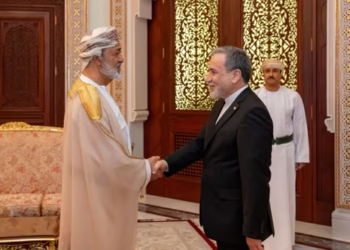
In an effort to mitigate these hardships, the Iranian foreign minister recently travelled to Moscow to seek support from the Russian government. Senior Russian officials have pledged to provide assistance that serves the regional interests of all parties, aiming for a swift return to peace. Analysts tracking the relationship between these two nations observe that the focus remains on securing alternative trade routes to bypass current maritime restrictions. The land link through the Caspian Sea is increasingly viewed as one of the few remaining options for maintaining connection with global markets. However, military strikes have recently targeted key regional ports, further complicating efforts to establish these alternative trade pathways for the Iranian economy.
Domestic pressures also continue to weigh heavily on Iranian negotiators as they grapple with the demands of hardline factions and shifting public opinion. The regime remains locked in a battle for its own survival, making them willing to endure immense economic pain rather than offer total capitulation. President Trump faces his own unique set of political challenges as he manages the fallout from rising fuel costs and general domestic inflation. There is a palpable sense of urgency within the White House to reach a resolution before upcoming diplomatic meetings take place in Beijing. The administration is also mindful of the potential negative impact that a global fuel shortage could have on major international sporting events later this year.

If a deal to reopen the Strait of Hormuz were reached, observers speculate that the administration might try to declare an early victory. Such an agreement could potentially highlight the success of recent military operations in degrading Iran’s nuclear and military infrastructure. However, security analysts warn that leaving Iran with its existing stockpile of highly enriched uranium would pose a persistent threat to regional security. The regime has proven its ability to reconstitute military capabilities quite rapidly through the use of inexpensive and easily deployed technologies. This resilience ensures that the long-term challenge posed by Iran will remain a central concern for policymakers throughout the global community.
The situation remains fluid as tensions in neighbouring Lebanon add yet another layer of complexity to the broader regional security landscape. Military leaders continue to monitor the threat posed by militant groups that remain well-armed and capable of launching unpredictable attacks. Achieving a lasting peace in this part of the world will require more than just technical solutions; it necessitates a fundamental reassessment of current diplomatic strategies. Chancellor Merz’s intervention serves as a stark reminder that the eyes of the world are fixed on these developments with growing apprehension. The path forward remains narrow, requiring compromise from all involved actors to prevent further escalation in an already volatile and dangerous region. As international efforts continue, the global community waits to see if a viable solution can emerge from this ongoing and deeply concerning standoff.
Related News:
 Capitol Attack Anniversary Sparks Deep Political Divide
 Saudi Officials Report Zubaidi Flee Before Yemen Peace Talks
 UK Targets in New York Bomb Threat Hoax: Man Jailed
 Gambia Supreme Court Hears Case to Overturn FGM Ban
 Trump targets Iran trade with 25% tariff warning
 Rudd successor: Defence chief and former ministers considered
 US Senate rejects resolution limiting Trump military powers
 Venezuela regime claims release of political prisoners signals new era
 Gulf states warn Trump Iran strikes risk wider Middle East war
 Machado Trump medal gesture reshapes Venezuela power struggle
 Greenland defence seen as shared Nato duty amid troop arrivals
 Geopolitical football: Iran, Trump and the World Cup clash
 Canada-China trade gains momentum in new strategic partnership
 Trump Receives Machado’s Nobel Medal in White House Meeting
 Syria President Declares Victory as Ceasefire Reached with SDF
 US Considers Asylum for British Jews Amid Rising Antisemitism
 Trump slams UK ‘stupidity’ over Chagos Islands, eyes Greenland takeover
 Trump Tightens Grip on EU and UK Energy Supply
 Shinzo Abe’s killer receives life sentence in Japan
 China General Under Investigation Amid Leadership Purge
 Philippines ferry disaster leaves 15 dead, dozens missing
 Cambridge Faces Scrutiny Over Arms Investment Transparency
 Epstein UAE Emails Shake British Royal Andrew’s Legacy
 Christchurch gunman seeks to vacate guilty plea
 Infantino Faces Russia Threat and Trump Concerns at Uefa Congress
 Concerns rise for Canberra boy amid Iran detention fears
 Caribbean Leaders Urge Dialogue Amid US Oil Embargo on Cuba
 Ukraine Sends Drone Experts to Defend US Bases in Jordan
 New Zealand Covid Response Praised Despite Lingering Scars
 Abramovich Chelsea Sale Cash Faces Jersey Probe
 Yvette Cooper: UK Must Follow Principles, Not US Pressure
 US Strike on IRIS Dena Strains Strategic Indian Security Ties
 Slovenia Election: A Nation at a Crossroads
 Jury Rules Meta and YouTube Liable for Addictive Design
 Saudi Arabia Urging US to Keep Up Iran Attacks
 Trump Softens Cuba Oil Stance as Russian Tanker Nears
 The Woman Guarding Earth From the Threat of Asteroids
 IMF Predicts Global Economic Crisis Due to Gulf Unrest
 California Defies Trump With Strict New AI Standards
 Germany Grapples With AI Abuse Following TV Star Scandal
 Exiled Tycoon Warns of New Russian Attacks on UK Soil
 Labor Under Fire Over Stalled University Fee Reform
 LA 2028: Millions of Affordable Olympic Tickets Announced
 Trump Slams Europe as Transatlantic Tensions Boil Over
 Inside the Deceptive Machine: A Former Producer Speaks Out
 Italy Faces Third Successive World Cup Absence After Loss
 Starmer Urges Ambitious EU Ties Amid Middle East Conflict
 Spain Faces Backlash Over Xenophobic Chants in Egypt Draw
 A Global Voice For Justice: Stephen Lewis Dies At Age 88
 Trump Issues Stark Warning After Strike On Iran’s Largest Bridge
 Hope and Fear as Iranians Flee Across the Turkish Border
 Tragic End to Outback Search as Floods Claim a Life
 Ben Roberts-Smith Arrested Over Alleged War Crimes
 Reform UK Pledges To Halt Visas Over Reparations Demands
 US and Iran Agree to Two-Week Provisional Ceasefire
 Starmer visits Gulf as US and Iran agree ceasefire
 Gaza Child Arrives in UK for Life-Changing Care
 Israel Defies Ceasefire as Lebanon Operations Persist
 Pakistan Brokers Historic Peace Deal Amid Rising Tensions
 UK Holds Firm on Strait of Hormuz Amid Trump Pressure
 Rory McIlroy Eyes New Horizons After Masters Defence
 Trump Signals Hope for New Iran Talks as Ceasefire Fades
 Reeves Slams Trump Over Iran War Lack Of Exit Plan
 US and Iran Pursue Extension of Ceasefire via Pakistan
 Trump’s Islamabad Gamble: The High Stakes of a New Iran Deal
 Wall Street Hits Historic High Amid Hopes for Iranian Peace
 Ian Katz to Step Down as Channel 4 Content Chief
 The General’s Gambit: Pakistan’s New Role in Global Peace
 Mexico, Spain and Brazil call for Cuba dialogue amid crisis
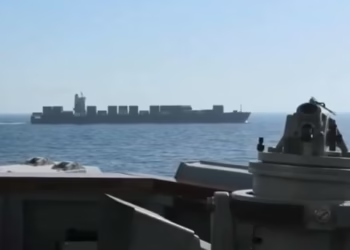 US Forces Seize Iranian Ship Near Hormuz Blockade
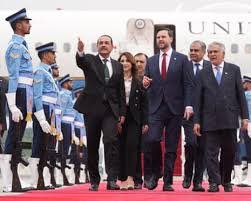 Pakistan’s Ambitious Bid for Middle East Peace
 Trump Starts $166bn Tariff Refund Process
 Israeli Soldiers Jailed Over Vandalism of Lebanese Statue
 Trump Weighs Sending Afghan Allies to the Congo
 Timor-Leste Faces Tough Questions Over Resort Proposal
 Pentagon Shakes Up Navy Leadership Amid Hormuz Blockade
 Trump Threatens UK With Big Tariff Over Tech Tax
 Prominent Voices Challenge Palestine Action Ban
 Security Scrutiny After Washington Shooting Incident
 Stalled Diplomacy: Middle East Peace Efforts Reach Deadlock