Published: 29 April 2026. The English Chronicle Desk. The English Chronicle Online
From Jakarta to Manila, countries across Southeast Asia are increasingly turning toward Russia to secure vital fuel and fertiliser supplies as disruptions from ongoing Middle East tensions continue to strain global markets. The shift marks a significant geopolitical and economic realignment in a region that has traditionally depended heavily on Middle Eastern energy exports.
The growing urgency comes as fuel shortages and rising fertiliser costs ripple through developing economies in the region. Governments from Indonesia to the Philippines are now accelerating negotiations with Moscow, despite repeated warnings from Western allies, particularly the European Union, which has urged Southeast Asian nations to avoid strengthening Russia’s energy revenues during the Ukraine conflict.
The EU’s foreign policy chief Kaja Kallas recently cautioned ASEAN member states against expanding oil imports from Russia, arguing that such trade would indirectly support Moscow’s military operations in Ukraine. However, regional leaders appear increasingly focused on domestic energy security rather than geopolitical pressure, especially as inflationary risks and supply disruptions intensify.

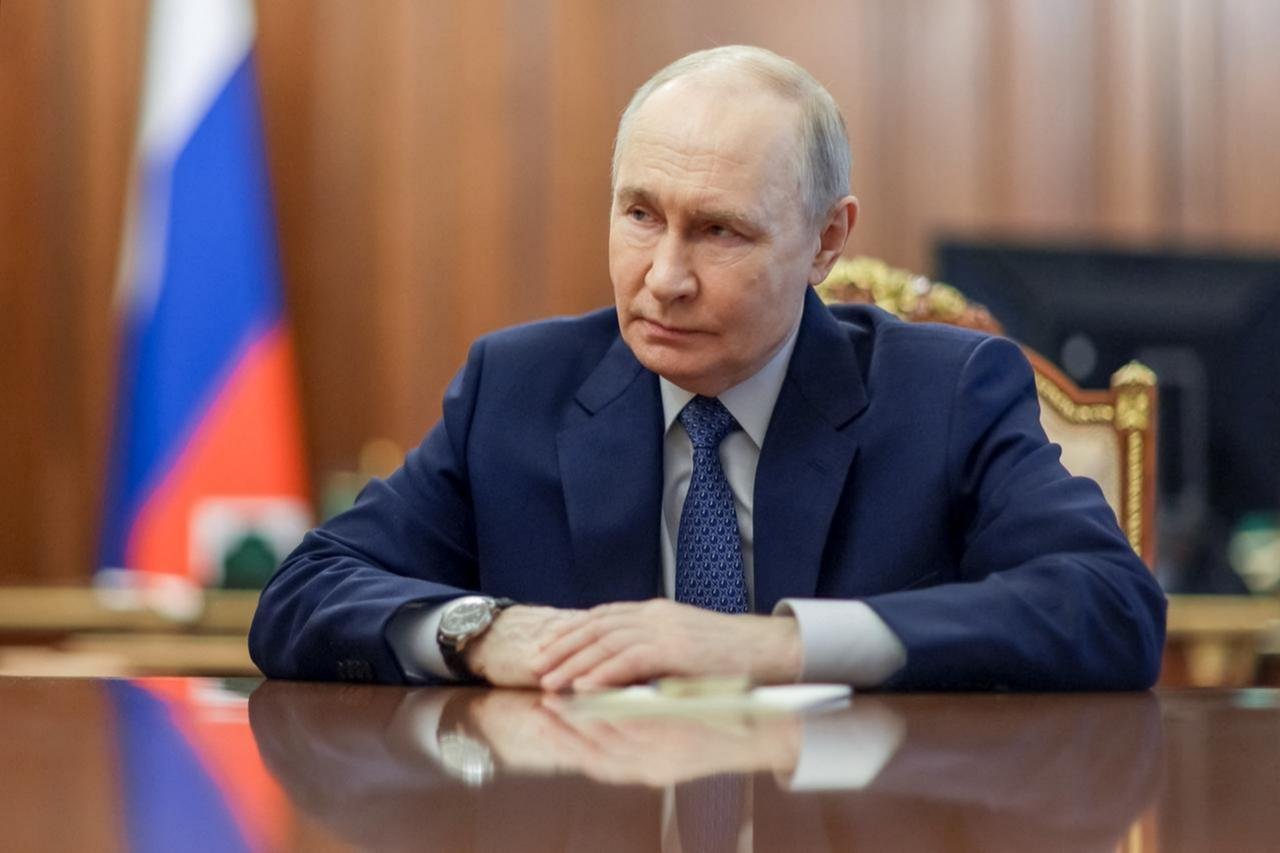
Indonesia has taken one of the most decisive steps, announcing plans to import up to 150 million barrels of Russian crude oil following high-level talks between President Prabowo Subianto and Russian President Vladimir Putin in Moscow. The Philippines, a long-standing US ally, has also resumed Russian crude imports for the first time in five years, signaling a notable shift in trade patterns.
Thailand is reportedly exploring agreements with Russia for fertiliser imports, while Vietnam continues to deepen its long-term cooperation with Moscow in the energy sector, including nuclear power development. These moves highlight a broader regional trend of diversification away from traditional Middle Eastern suppliers.
Experts say the realignment is being driven by a combination of economic necessity and strategic recalibration. South-east Asia, heavily dependent on imported fuel and agricultural inputs, has been particularly vulnerable to global price shocks. With Middle Eastern instability affecting supply chains, Russia has emerged as a relatively accessible alternative supplier willing to offer competitive pricing and flexible arrangements.
Despite Western concerns, Russia has significantly expanded its economic footprint in the region. Analysts note that high global energy prices, along with temporary Western waivers allowing discounted Russian oil purchases, have generated substantial revenue for Moscow. This has also strengthened Russia’s argument that Western sanctions have not succeeded in isolating it economically.
Public sentiment in parts of Southeast Asia appears to favour Russia more than expected. Surveys conducted in recent years suggest that many respondents in countries like Indonesia and Vietnam view Russia positively, with some even expressing support for its position in the Ukraine conflict. Analysts attribute this to Russia’s image as a counterbalance to Western influence and its perceived support for non-Western political values.
According to Ian Storey of the ISEAS–Yusof Ishak Institute in Singapore, Russia benefits from its portrayal as a strong, independent global power. He noted that President Vladimir Putin is often seen in parts of the region as a symbol of resistance against Western dominance, an image that resonates with certain political and cultural narratives.
However, analysts also caution that Russia’s influence in Southeast Asia remains limited compared to major powers like the United States and China. While Moscow has increased its diplomatic and economic engagement, it lacks the financial scale and long-term investment capacity of its global competitors. Moreover, Russia’s growing dependence on China could complicate its role in regions where China’s territorial disputes already create tension.
Energy diplomacy is not the only area of expansion. Russia is also strengthening its presence in nuclear energy partnerships. Agreements with countries such as Vietnam and Myanmar signal Moscow’s intention to position itself as a key provider of nuclear technology in the region, particularly as governments look for long-term energy alternatives beyond fossil fuels.
The United States has also played a role in shaping the current landscape. A temporary waiver on sanctions related to Russian oil shipments was introduced to stabilise global supply, and its extension has been influenced by pressure from Asian economies concerned about energy affordability. Future decisions on this waiver are expected to significantly impact regional import strategies.

Beyond economics, the growing Russia–ASEAN engagement carries strong symbolic and political meaning. Countries like Indonesia view such partnerships as part of a broader non-alignment strategy, balancing relationships with both Western and Eastern powers. Analysts say this reflects a desire to maintain strategic independence in an increasingly polarised global environment.
For Russia, deepening ties with Southeast Asia offers both economic relief and diplomatic validation. Joint initiatives and upcoming summits, including a planned Russia–ASEAN commemorative meeting in Kazan, are expected to showcase Moscow’s continued relevance on the global stage despite Western sanctions.
As global energy markets remain volatile, the relationship between Southeast Asia and Russia is likely to evolve further. Whether this partnership becomes a long-term strategic alignment or a temporary response to crisis-driven shortages will depend on geopolitical developments, energy prices, and the future direction of global alliances.
Related News:
 Canada Passes Carney’s First Budget in Tight Parliamentary Vote
 India’s Labour Law Overhaul Sparks Fierce Debate
 Carney’s Alberta Pipeline Deal Sparks Immediate Pushback
 Austrian Airlines Halts Tehran Flights Amid Political Unrest
 Mark Carney Walks Diplomatic Tightrope on China Visit
 Japan Braces as Takaichi Begins New Term with Huge Mandate for Low‑Tax, Ultra‑Conservative Agenda
 Nine Killed in Karachi Consulate Protest
 Gulf Oil Shock Sends Global Economic Ripples
 Trump Faces New Warning Signs as Iran War Hits Home
 Trump to Deploy “God Squad” Over Gulf Wildlife Protections
 Victory or Compromise? Tehran’s Streets Erupt in Mixed Emotion Following Ceasefire
 Trump Slams UK Ties and Threatens To Rewrite Trade Deal
 Athens Mayor Moves to Tackle Overtourism Crisis
 Trump’s UK Ambassador Urges North Sea Drilling to Strengthen US Ties
BBC to Apologise Over Edited Trump Speech Amid Backlash
Trump’s UK Ambassador Urges North Sea Drilling to Strengthen US Ties
BBC to Apologise Over Edited Trump Speech Amid Backlash
 Britain deploys RAF specialists to assist Belgium with drone threats
 Millionaires group urge Reeves to introduce wealth tax to ‘lift kids out of poverty’
 US Justice Department Files Lawsuit Against California Over Partisan Voting Maps
 Greene Pushes Epstein Files Amid Trump Fallout
 Trump Deploys DHS to Charlotte in Major Arrest Operation
 December Run-Off in Chile as Election Produces No Winner
 Shadow Fleet at Sea: Europe’s Battle Against Illicit Oil Shipping
 Pentagon Officials in Ukraine to Discuss War End
 Venezuela Threatens Nobel Winner Machado with Fugitive Status
 Georgians Defy Government Crackdown After Year of Protests
 Starmer Says Labour’s Economic Plan Needs Years to Deliver
 EU plans $105bn Ukraine aid using frozen Russian assets
 Russia losses Ukraine war peace talks intensify amid rising deaths
 Albanese Opens Door to Bondi Royal Commission Amid Rising Pressure
 Trump Escalates Minnesota Immigration Surge Amid Rising Tensions
 Iran Protesters Defy Crackdown as Violent Clashes Intensify
 Trump Threatens Strong Action If Iran Executes Protesters
 Machado Trump medal gesture reshapes Venezuela power struggle
 EU weighs response amid Greenland tariff crisis with Trump
 MPs warn AI financial risks threaten UK stability
 EU Says US Ties Have Suffered ‘Big Blow’ After Greenland Crisis
 Andrew Hastie Emerges as Leadership Rival to Ley
 UK New Car Discounts Near £6,000 as Prices Are Slashed
 Israel Moves to Bar MSF From Gaza Operations
 After the Landslide: Can India Reset Ties with BNP Bangladesh?
 Australian Families Leave Syrian Camp for Home
 Trump Attacks UK-California Energy Pact
 Trump and Chagos Deal Rift Over Iran Strikes
 Andrew Arrest Sparks Republic Debate in Australia
 Global corruption crisis: Who Washington shields
 Farage Chagos Islands Row Sparks Fury
 Trump Speech Sparks Intense Debate Across Divided America
 Has Europe truly learned from the failures of 2022?
 Trump Faces Questions Over Iran Conflict Plan
 Herzog Asio meeting sparks security storm
 Nepal Holds First General Election Since Gen Z Protests Toppled Government
 Oil Prices Surge Above $100 Amid Iran War
 Pete Hegseth Iran War Remarks Spark Alarm
 Trump Pressures Congress Over Save America Act
 China Moves to Enshrine ‘Ethnic Unity’ Law
 Iranian Football Squad Asylum Drama Shocks Australia
 Queensland Protest Laws Spark Free Speech Backlash
 Eswatini Deal Sparks Global Outcry Over US Deportations
 Yvette Cooper: UK Must Follow Principles, Not US Pressure
 Trump Iran War Stance Hardens as Conflict Widens
 Trump Nato threats expose Iran strategy vacuum
 Sri Lanka Sets Weekly Shutdown to Save Fuel
 Philippines energy emergency sparks coal power surge
 Trump Facing Backlash from Epstein Survivors Over Files
 Trump Threatens Iran With Total Infrastructure Destruction
 Russia: The Unforeseen Winner of the Iran Conflict
 Can Congress Stop US Sports Teams From Moving Cities?
 US Senators Slam Ticketmaster Over Sneaky New Fee Hikes
 Report Says Pezzullo Acted ‘Recklessly’ in Dealings
 Tax Shift Hits UK Farms: New Inheritance Rules Begin
 Oil and Diplomacy: Russian Refineries Burn as Zelenskyy Secures Middle East Shield
 “A Perfect Storm”: UK Small Businesses Face Doubling Energy Bills as Iran War Rattles Markets
 The Great Chokehold: Why the Strait of Hormuz is the Epicenter of the 2026 Crisis
 California fireworks blast: murder charges filed in case
 Policy Stand-Off: Streeting Denies Any ‘System Update’ to Resident Doctor Pay Deal
 Diplomatic Deadlock: Lebanon Enters High-Stakes Border Talks with ‘No Cards to Play’
 The Fog of War and the Ticker Tape: Suspicious Trades Rile Washington
 Brinkmanship in Islamabad: Tehran Vows ‘New Battlefield Cards’ as Ceasefire Wanes
 “Industrial-Scale Extraction”: White House Memo Accuses China of Mass AI Theft
 Return of the “Skiffs”: Threat Level Raised as Somali Pirates Seize Second Vessel in a Week