Published: 29 April 2026. The English Chronicle Desk. The English Chronicle Online.
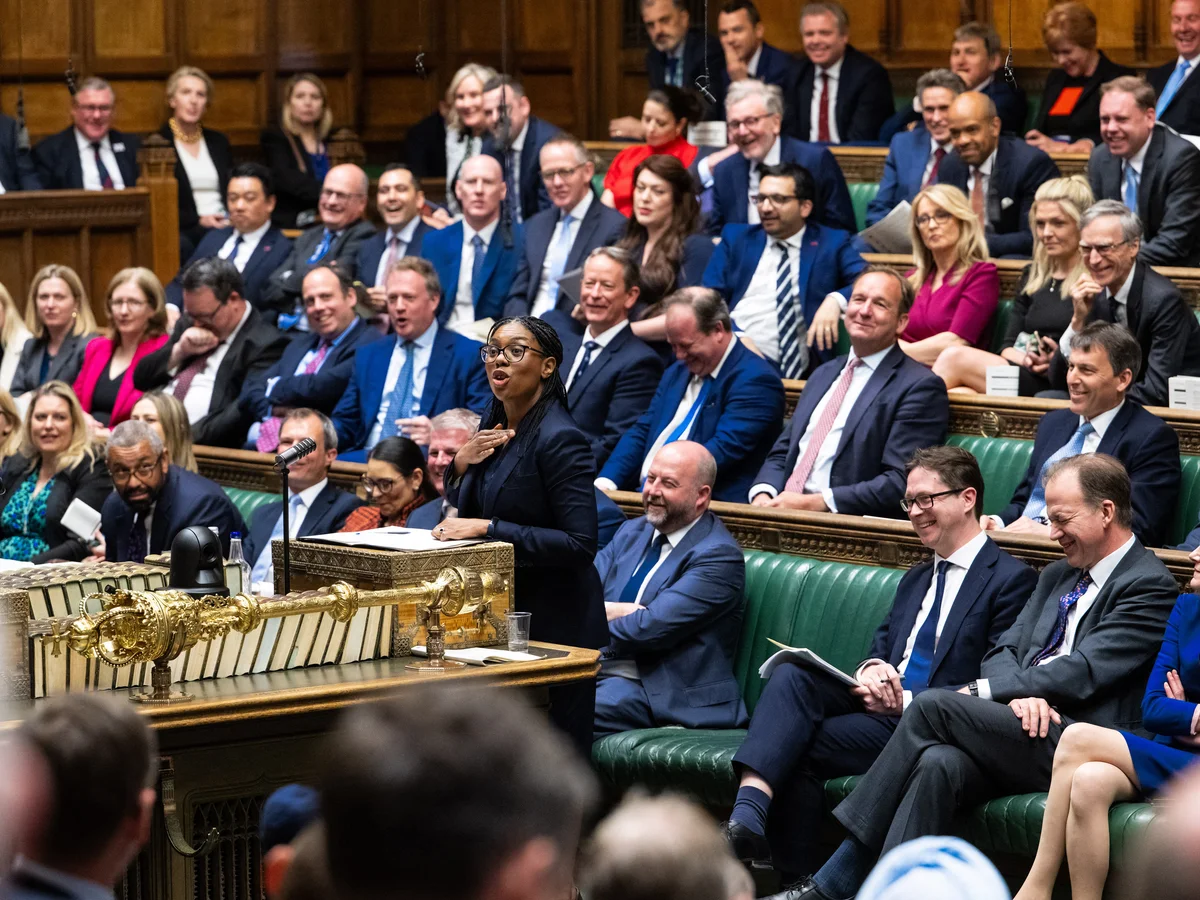
Prime Minister Keir Starmer has successfully fended off a major parliamentary rebellion today. His government blocked a bid to force an investigation into the Peter Mandelson appointment. Downing Street officials deployed their full weight to ensure Labour MPs stood against the motion. This political maneuver prevented an inquiry by the powerful House of Commons privileges committee. Despite this tactical victory, many Labour lawmakers warned the Prime Minister is losing vital support. They fear he is rapidly running out of necessary political capital to govern effectively this year.
The atmosphere in Westminster remains tense following a very difficult day for the current administration. Labour backbenchers have expressed growing frustration with the direction taken by the leadership team lately. Some MPs voiced anger that they were forced to shield the Prime Minister from a formal inquiry. They believe this decision leaves them exposed to public accusations of participating in a deliberate cover-up. Previously loyal members have now cautioned the Prime Minister to tread very carefully in coming weeks. This warning carries significant weight given the expected poor results in the upcoming local elections.
One minister described the current state as a visit to the infamous last-chance saloon today. Another official added that the Prime Minister has little remaining credit in the bank with backbenchers. He must now choose how to spend that remaining influence with much more wisdom than before. Tuesday was a day of high jeopardy for the Prime Minister and his senior Downing Street team. Morgan McSweeney and Sir Philip Barton provided testimony that raised many new questions about the process. Their statements focused on how much pressure officials faced to accelerate the controversial posting to Washington.

While Labour MPs shift their focus to limiting election damage, this scandal will likely return. The intelligence and security committee has now finished its own comprehensive review of key government documents. This upcoming report could create significant new problems for the Prime Minister as the summer nears. Downing Street is currently taking a brief moment of relief after the failure of the vote. Conservative leader Kemi Badenoch had tabled the motion regarding whether the Prime Minister misled Parliament. The government secured the vote by a margin of one hundred and twelve votes to ensure victory.
Some relief was felt among insiders when senior figures chose to keep their opinions private today. However, fifteen Labour backbenchers broke ranks to support the opposition motion during the final vote count. These rebels are mostly from the left wing and have well-known histories of opposing the leadership. There is also rising concern that fifty-three MPs did not vote during this critical House session. Some of these absences might have been intentional, though they cannot all be labeled as simple abstentions. One vocal rebel, Emma Lewell, criticized the decision to force members to block the motion today.
She argued that this move plays directly into a narrative that the government has secrets. Her comments highlight the fear that good colleagues will be accused of acting in bad faith. A damaging revelation emerged on Tuesday regarding the current UK ambassador to the United States today. Christian Turner, who succeeded Mandelson, reportedly described the Prime Minister as being on the ropes. During private remarks in February, he suggested that the leadership future felt quite touch and go. He further noted that the Prime Minister is a stubborn man unlikely to resign his position.
The diplomat suggested the upcoming May elections would be the ultimate test for the Prime Minister. If Labour performs very poorly, he speculated that the party might move to remove their leader. This assessment reflects the conventional thinking currently circulating among many circles within the Westminster political bubble. Meanwhile, damaging disclosures regarding the security vetting of Mandelson surfaced before the foreign affairs select committee. Morgan McSweeney admitted that Foreign Office officials felt real pressure to expedite the entire diplomatic posting. However, he strongly denied that they were ever forced to skip any necessary security vetting steps.
The former chief of staff acknowledged asking officials to act at pace for national interests. He insisted that he never requested that anyone do anything that was truly improper or illegal. He told the committee that there is a real difference between working fast and lowering standards. McSweeney claimed they never asked anyone to skip any part of the required vetting process today. The focus remained entirely on whether they could work quickly rather than ignoring established security rules. He also discussed learning about the ongoing links between Mandelson and the late Jeffrey Epstein recently.
He described discovering this information as feeling like a sharp knife through his own soul. The former aide suggested the Prime Minister would not have proceeded had he known the truth. He acknowledged that revoking the posting would have been embarrassing for the government at the time. Yet, he admitted that such a move would have been far preferable to the current situation. Many Labour MPs are angry that Downing Street knew about these close friendships during the appointment. Despite these red flags, officials decided to send him to Washington to represent the United Kingdom.

McSweeney admitted he made a serious error of judgment in his advice to the Prime Minister. He believed that the experience and political skills of the minister could serve UK trade interests. He specifically hoped to utilize these relationships as Donald Trump re-entered the White House this year. Sir Philip Barton provided his own evidence to the committee about the vetting process as well. He noted that Downing Street seemed largely uninterested in the details of the complex vetting process. He felt there were no real avenues available to him to express his valid professional concerns.
When asked about the pressure to complete the vetting, he said the demands were absolutely clear. He believed no one in the department could doubt the pressure to move as quickly possible. He denied rumors that he received a crude phone call demanding immediate approval of the posting. McSweeney labeled such persistent Westminster rumors as corrosive to the public faith in the system. Speculation now turns toward a potential cabinet reshuffle following the local elections on May seventh. Some reports suggest the Prime Minister hopes to bring his former deputy back into the fold.
There has been no official confirmation that any specific offer of return has been made yet. The former deputy resigned last year after failing to satisfy the ministerial code of conduct. The Prime Minister has previously called her a hugely talented figure for the entire Labour party. The next few weeks will undoubtedly define the political legacy of the current government in power. The Prime Minister must navigate these challenges while keeping his divided party together during difficult times. His ability to lead will face its greatest test when the election results are finally declared.
Related News:
 Green Party Surges Past Labour in Latest UK Poll
 Trump’s UK Ambassador Urges North Sea Drilling to Strengthen US Ties
 French Taxi Driver Cleared in David Lammy Theft Case After Fare Dispute
 Millionaires group urge Reeves to introduce wealth tax to ‘lift kids out of poverty’
 Starmer Faces Growing Dissent as Labour MPs Weigh Leadership Challenge
 Reeves rejects £1bn plea for NHS redundancy payouts
 PM Condemns Leaks, Vows Loyalty to Ministers and Stability
 Major Rent Reform Ends No-Fault Evictions in England
 Peers Flood Assisted Dying Bill with 942 Amendments
 Most Tories Expect to Support a Farage-Led Government
 Labour MP claims devolution bill is ‘blatant discrimination’ against Cornwall
 Millions Face Higher Taxes Under Reeves New Budget
 Starmer Says Labour’s Economic Plan Needs Years to Deliver
 Culture secretary to review Telegraph takeover by Daily Mail owner
 UK Government Borrowing Drops to £11.6bn in December
 Labour Blocks Burnham as Party Rift Deepens Ahead of Polls
 Andy Burnham and the Labour Rift Over Power and Leadership
 Huge mistake: Labour blocks Burnham from byelection bid
 Artificial intelligence will cost jobs, admits Liz Kendall
 Labour targets Greens on drugs in Gorton Denton byelection
 Greens nominate Hannah Spencer for Gorton and Denton byelection
 Mandelson Faces Police Inquiry Over Epstein Leak
 Starmer Condemns ‘Depraved’ Russian Strikes on Ukraine
 Labour Thinktank Row Deepens Over Journalist Probe Claims
 Morgan McSweeney downfall shocks Labour leadership
 Labour Lord Doyle Apologises Over Paedophile Ties in Political Storm
 Cabinet Secretary Shake-Up Triggers Due Diligence Warning
 Starmer Faces Inquiry Calls Over Thinktank Probe
 Royal Mail Delivery Crisis Deepens Amid Weather Chaos
 UK shelves £110m border project amid trade strain
 Farage Unveils Reform UK Frontbench Team
 California Democrats Vow Trump Reckoning
 Trump Tariffs Threat Spark UK and EU Alarm
 Wales Approves Assisted Dying Bill Consent
 UK EU Trade Reset Gains Public Backing
 Your Party leadership fight nears dramatic end
 NHS Maternity Units Cover Up Harmful Childbirth Errors
 Green Party Stuns Labour in Gorton and Denton Byelection
 Corbyn Leads Your Party in Coordinated Left-Flank Strategy
 Labour Together scandal sparks clean break vow
 Asylum Seekers to Work After Year-Long Wait
 Starmer Row as Greens Demand Apology
 Proposed Law Leaves Gap for Children of Convicted Paedophiles
 Gordon Brown urges court for crimes against children
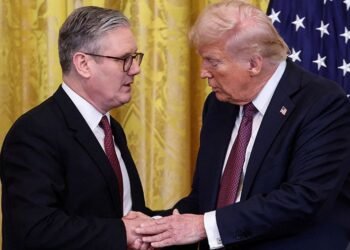 Starmer Praised for Stance on Trump and Iran Conflict
 Inquiry into HMRC child benefit errors launched by NAO
 NHS Plans to Cut Overseas Workers Labeled Overambitious
 Farage Faces Backlash Over Crypto Cameo Endorsements
 Family Court Reform Promises New Era for UK Families
 Army Probes Apache Flyover at Kid Rock’s Nashville Estate
 Relationship with Trump may be beyond repair, Starmer warned
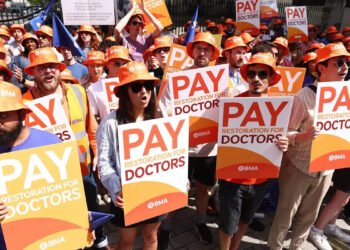 Unions Raise Concerns Over Doctors’ Pay Dispute
 UK Government Poised to Revive Stalled Hillsborough Law
 Starmer Faces Commons Test Over Mandelson Scandal
 UK Stands Firm on Falklands Amid US Rift
 Crackdown Backfires on UK Climate Protesters
 Welsh Labour Faces Potential Historic Election Defeat
 Labour Members Doubt Starmer Future as Burnham Leads Poll
 Reform UK Faces Crisis as Newly Elected Councillors Resign
 Farage Faces New Questions Over Private Helicopter Use
 NHS Drug Deal Faces Legal Threat Over US Trade Agreement
 Green Party Makerfield Candidate Resigns Over Posts
 UK Welfare: Focus on Jobs Over Benefit Cuts, Says JRF
 Secret Role of UK Security Services in Troubles Amnesty Law
 Starmer Leadership Under Pressure After Setbacks
 The Hidden Crisis Eroding Trust in British Communities
 Deepfake Abuse on X Sparks Safety Concerns for Dissidents
 Modernising the Military: Carns Demands Urgent Procurement Reform
 UK Ministers Lobby Trump Over Under-16s Social Media Ban
 Starmer Resolves to Fight Burnham in Leadership Battle
 Starmer Resigns as Prime Minister Amid Internal Pressure
 MP Warning: Northern Rail Risks Repeating HS2 Failures
 Hollie Ridley to Step Down as Labour General Secretary
 New South Wales Premier Chris Minns Signals Tough Road Ahead for Labor
 Jarvis Urges Burnham to Secure 3.5% Defence Spending
 Farage Warns Sky News Following Financial Inquiry
 Reform UK Finances Face Deep NCA Probe
 Ann Widdecombe, Formidable Political Figure, Dies at 78
 Treasury Reform Urged After Tragic Loss
 Sadiq Khan Backs Call for Maximum UK Work Heat Limit