Published: 30 April 2026. The English Chronicle Desk. The English Chronicle Online
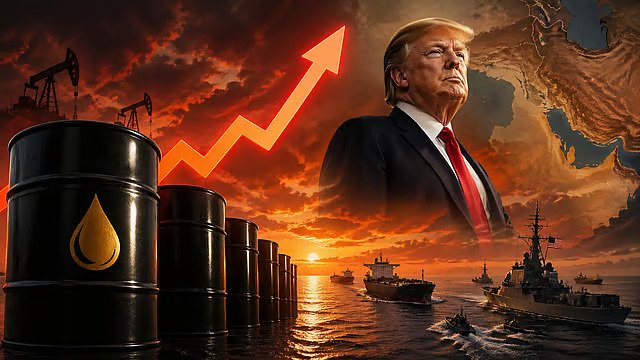
Global oil markets have been thrown into turmoil after Brent crude prices surged above $120 per barrel, reaching levels not seen since the energy shocks of 2022, as geopolitical tensions involving the United States and Iran intensified and supply disruption fears spread across financial markets.
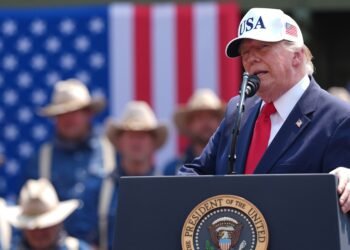
The sharp rise in prices followed comments attributed to US President Donald Trump, who reportedly suggested that a US naval blockade of Iranian ports could continue for months if necessary. The remarks, combined with ongoing uncertainty over stalled diplomatic efforts, triggered immediate volatility in global energy trading and heightened concerns about prolonged disruption to one of the world’s most critical oil transit routes.
Brent crude briefly climbed past $126 per barrel, marking a rapid increase of more than 13 percent within 24 hours. Traders and analysts said the surge reflected growing fears that the Strait of Hormuz, a narrow but strategically vital shipping corridor through which a significant share of global oil exports passes, could remain partially or fully restricted for an extended period. Any sustained disruption in the strait has historically had immediate and severe effects on global supply chains and energy prices.

Market anxiety intensified after reports indicated that Iranian authorities had significantly restricted maritime access in the region, affecting the movement of oil tankers. Although official confirmation from all parties involved remains limited, shipping data and industry monitoring groups have indicated increased delays and rerouting of vessels, contributing to uncertainty in global supply forecasts.
Diplomatic efforts aimed at de-escalation have so far failed to produce meaningful breakthroughs. Talks involving US and Iranian representatives reportedly collapsed over the weekend, leaving both sides entrenched in their positions. Analysts suggest that the breakdown in negotiations has reduced expectations of a near-term resolution, further driving speculative pressure in commodity markets.
In Washington, the administration has signalled that it is prepared to maintain its current military posture if necessary. According to officials briefed on internal discussions, President Trump has considered the possibility of extending naval operations in the region to maintain pressure on Iran. The stated objective, according to US sources, is to limit Iran’s ability to export oil and restrict revenue flows that could support its wider strategic activities.
Speaking publicly, Trump warned that Iran “better get smart soon,” while also suggesting that sustained pressure could force changes in Tehran’s energy production capabilities. He has previously characterised the blockade strategy as a means of constraining Iranian economic leverage, though critics warn that such measures carry significant risks for global stability.
Energy analysts have noted that the Strait of Hormuz is one of the most sensitive chokepoints in the global oil system, with millions of barrels of crude passing through it daily. Any prolonged disruption, even partial, can have immediate ripple effects across global markets, pushing up fuel prices, increasing transport costs, and contributing to broader inflationary pressures.
The current spike in oil prices has already begun to affect financial markets beyond the energy sector. Government bond yields in several major economies have risen as investors anticipate higher inflation and slower economic growth. In Japan, Europe, and the United Kingdom, benchmark yields have reached multi-year highs, reflecting growing concerns about a potential stagflationary environment—where inflation rises while economic growth slows.
Economists have warned that a prolonged disruption in the Strait of Hormuz could have severe global consequences. Some projections suggest that if supply constraints continue for several months, oil prices could climb significantly higher, potentially reaching levels that would place additional strain on already fragile global economies. Rising energy costs typically feed into higher prices for goods and services, affecting both consumers and businesses worldwide.
In the United States, inflation has already shown signs of upward pressure in recent months, with energy prices playing a key role in broader cost increases. Similar trends have been observed in Europe, where policymakers are closely monitoring the potential impact of sustained oil price volatility on economic recovery and monetary policy decisions.
Market strategists have described the situation as one of the most significant geopolitical risks to energy stability in recent years. The combination of military escalation, disrupted shipping routes, and unresolved diplomatic tensions has created what analysts call a “high-risk pricing environment,” where markets react sharply to even small developments or statements from political leaders.
There is also growing debate among economists about the potential long-term consequences of a prolonged blockade or restricted maritime access in the region. Some warn that extended disruption could trigger a global recession, particularly if energy prices remain elevated for several months. Others argue that global markets may eventually adjust through alternative supply routes and increased production from other oil-producing nations, though such adjustments typically take time.

Historical comparisons have been drawn to previous energy crises, including the 2008 oil price spike and the disruptions following earlier conflicts in the Middle East. In those periods, sharp increases in crude prices contributed to inflationary pressures and economic instability, though each situation had unique geopolitical and economic conditions.
The current crisis has also placed pressure on policymakers in multiple countries to balance economic stability with geopolitical strategy. Governments dependent on oil imports are facing rising fiscal strain, while exporters are navigating volatile market conditions and uncertain demand forecasts.
In parallel, diplomatic channels remain active, with several countries attempting to mediate or de-escalate tensions. However, there is currently little indication of a breakthrough, and markets appear to be pricing in the possibility of continued disruption in the near term.
As the situation develops, energy traders, policymakers, and international organisations are closely watching for any changes in naval activity, diplomatic engagement, or shipping conditions in the Strait of Hormuz. For now, the oil market remains highly sensitive, with prices responding rapidly to both political rhetoric and on-the-ground developments in one of the world’s most strategically important regions.
Related News:
 US Calls Australia Media Law “Foreign Extortion”
 Canada Passes Carney’s First Budget in Tight Parliamentary Vote
 India’s Labour Law Overhaul Sparks Fierce Debate
 Carney’s Alberta Pipeline Deal Sparks Immediate Pushback
 Shock US Raid: Maduro Pleads Not Guilty in Manhattan Court
 Mark Carney Walks Diplomatic Tightrope on China Visit
 Machado Trump medal gesture reshapes Venezuela power struggle
 Trump Receives Machado’s Nobel Medal in White House Meeting
 Iran unrest slows under brutal crackdown and global tensions
 US Considers Asylum for British Jews Amid Rising Antisemitism
 Russia Strikes Kyiv and Kharkiv as Peace Talks Enter Day Two
 Keir Starmer meets Xi to strengthen UK-China economic relations
 Thousands Protest ICE Operations in Nationwide US Day of Action
 Epstein Files Reveal Trump Officials’ Emails with Financier
 Thousands Protest ICE in New York Against Trump Deportation Campaign
 Yvette Cooper: UK Must Follow Principles, Not US Pressure
 Trump to Deploy “God Squad” Over Gulf Wildlife Protections
 Trump Slams UK Ties and Threatens To Rewrite Trade Deal
 Athens Mayor Moves to Tackle Overtourism Crisis
 Southeast Asia Turns to Russia Amid Energy Crisis
 Ukraine Urges UK to Seize Russian Oil Tankers
 Capitalism ‘Suicidal’, Warns Petro at Climate Summit
 Trump orders US troop pullout from Germany
 Activists allege abuse after Gaza flotilla seizure
 Global order shifts amid Trump-era turmoil
 Trump approval plunges amid Iran war fears
 Trump Threatens UN Budget Cuts as US Pushes ‘Trade Over Aid’ Agenda
 Australia pushes Pacific security pact amid China tension
 Indiana Republicans Defy Trump in Key Vote Test
 Middle East Crisis Escalates as Oil Routes Shake Markets
 Tensions Emerge in Netanyahu-Trump Alliance
 Norway Doubles Down on Oil and Gas for Europe Energy Security
 US Awaits Iran Reply on New Ceasefire Proposal
 Putin Declares Russia Victory at Scaled Victory Day Parade
 Beijing Becomes Centerstage for Global Diplomatic Ballet
 Hormuz Talks Near Critical Stage
 UK Pushes for New EU Goods Trade Deal
 Reeves Fights to Keep Treasury Role Amid Labour Turmoil
 UK Urged to Build EU Rejoin Consensus, Says Miliband
 Zelenskyy warns over Oreshnik threat as Kyiv hit
 Discontent grows around Putin amid war strain
 Former ICC prosecutor condemns US sanctions
 Japan Suffers Plastic Shortage Due to Middle East Crisis
 Trump’s Iran Legacy Hangs on Tehran Deal
 Europe Weighs Hormuz Navigation Fee Plan
 Ukraine Creates Long-Range Strike Command
 Houthis Strike Saudi Arabia as Middle East Tensions Rise
 Taliban global ties grow as rights fears mount
 Seoul proposes historic peace talks to replace Korean War armistice
 Trump’s UK Ambassador Urges North Sea Drilling to Strengthen US Ties
BBC to Apologise Over Edited Trump Speech Amid Backlash
Trump’s UK Ambassador Urges North Sea Drilling to Strengthen US Ties
BBC to Apologise Over Edited Trump Speech Amid Backlash
 Britain deploys RAF specialists to assist Belgium with drone threats
 Millionaires group urge Reeves to introduce wealth tax to ‘lift kids out of poverty’
 Greene Pushes Epstein Files Amid Trump Fallout
 December Run-Off in Chile as Election Produces No Winner
 Shadow Fleet at Sea: Europe’s Battle Against Illicit Oil Shipping
 Georgians Defy Government Crackdown After Year of Protests
 Starmer Says Labour’s Economic Plan Needs Years to Deliver
 UK and US Drop in Global Corruption Index Rankings
 Canberra Poster Seizure Sparks Free Speech Row
 Jacinda Ardern Move Sparks Kiwi Reflection
 New Zealand Covid Response Praised Despite Lingering Scars
 Injured Mojtaba Khamenei Elevated as Iran Leader
 Air Canada CEO Faces Outcry Over Recent Language Misstep
 Relationship with Trump may be beyond repair, Starmer warned
 US and Iran Agree to Two-Week Provisional Ceasefire
 Investigation Into Anti-Trump Motives After Gala Shooting
 Tough Fiscal Realities Await Next Scottish Government
 US ‘Narco Boat’ Strikes Draw Global Outcry
 FIFA Confirms Global Ban for Benfica Star Prestianni
 One Nation Candidate’s Surprising Ties to Independents
 Putin Signals War End as Russian Momentum Stalls
 Scepticism and tight security as Beijing braces for Trump
 Philippine Senator Flees After Days Under Senate Siege
 High Street Crisis: Fears Grow Over Post Office Closures
 Oil Markets Face ‘Red Zone’ Threat Amid Iran Crisis
 Tony Abbott Returns as New Liberal Party President
 Aukus Deal Facing Fierce Backing and Historic Criticism
 Trump’s Mount Rushmore Speech: A Divisive Anniversary
 Trump Swaps Planes Amid Iran Tensions