Published: 30 April 2026. The English Chronicle Desk. The English Chronicle Online
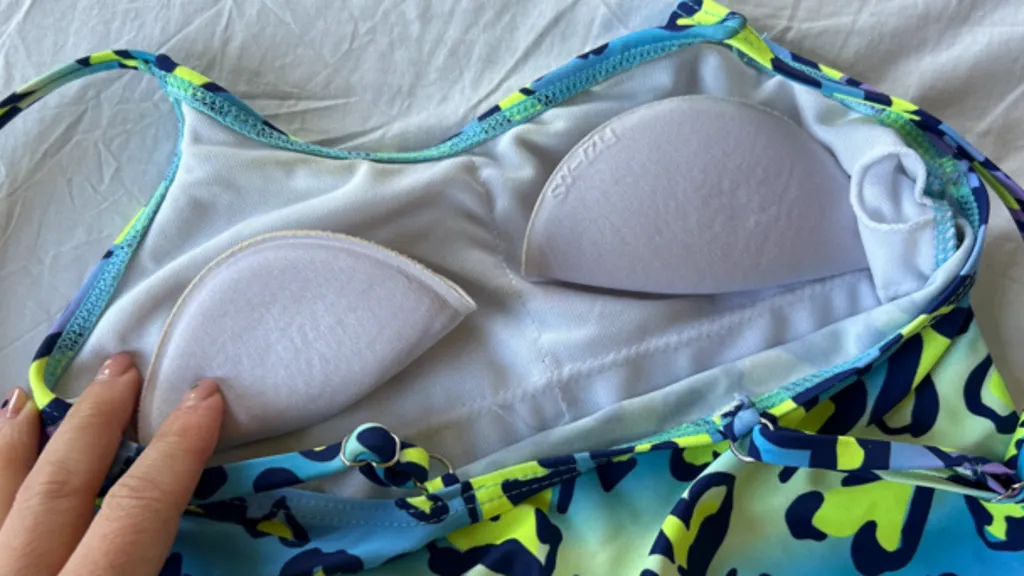
A mother’s social media post has ignited a national firestorm this morning, following her “total horror” at discovering what she described as “sexualised” and “wholly inappropriate” swimwear for young girls at a major UK high-street retailer. The post, which has been shared over 40,000 times, features a range of bikinis and swimming costumes designed for children as young as four, featuring high-leg cuts, “cut-out” midriffs, and padded tops that the parent argues are “shameful adult trends being forced onto children.”

The controversy has tapped into a raw nerve in Britain, coming just weeks after the government declared an “antisemitism national security emergency” and as parents grapple with the “Wild West” of digital safety and the Grok AI sexual deepfake scandal.
The mother, Sarah Jenkins, 32, from Manchester, posted photos of the swimwear during a shopping trip for her five-year-old daughter.
The “Inappropriate” Design: The offending items include a “monokini” with deep side cut-outs and a bikini set featuring a “bra-style” padded top for ages 5–6.
The “Lingerie” Aesthetic: “I felt like I was walking through the lingerie section, not the children’s department,” Mrs. Jenkins told The English Chronicle. “Why does a five-year-old need a padded top? Why are we exposing so much of their skin in designs meant for adults? It’s not just ‘fashion’; it’s the sexualisation of childhood.”
The Retailer’s Defense: The retailer, which has not yet removed the items, issued a statement claiming the range was “designed with current fashion trends in mind” and that padding in smaller sizes was purely for “shape and comfort.”
The outcry coincides with a separate, growing movement regarding children’s swimwear safety, led by former Olympian Rebecca Adlington.
The “Drowning” Danger: Campaigners are simultaneously urging parents to avoid “invisible” colours like blue, white, and grey, which disappear underwater. Critics argue that retailers are prioritizing “aesthetic trends”—whether sexualised or muted—over the basic physical safety of the child.
The Digital Shadow: Experts warn that the “over-exposure” of children in revealing swimwear on social media feeds directly into the burgeoning AI deepfake crisis. As seen with the Grok scandal earlier this year, seemingly innocent photos are being scraped and manipulated into “nudified” images at an industrial scale.
National Trust Crisis: A spokesperson for Children First said the retail trend contributes to a “hollowing out” of protection. “When we normalise adult designs for children, we blur the lines of what is acceptable, making it harder to protect them in both the physical and digital worlds.”
The row has reached the ears of the Department for Education, with calls for a statutory code of conduct for retailers of children’s clothing.
“Retailers have a moral obligation that transcends ‘fashion trends,'” said one MP. “We are seeing a market failure where the innocence of children is being traded for a ‘look’ that belongs in a nightclub, not a paddling pool.”
Across the country, “Mumsnet” and TikTok have become battlegrounds for the debate.
“Let Kids Be Kids”: The prevailing sentiment among the thousands of comments on Mrs. Jenkins’ post is a demand for “sensible, age-appropriate” gear that allows for play without “performative” fashion.

The “Grown-Up” Pressure: Psychologists warn that wearing adult-styled clothing can accelerate “social aging,” leading to body image issues before a child has even reached primary school.
As the King visits Washington and the Premier Inn owner cuts 3,800 jobs, the “Swimwear Row” serves as a reminder that for many families, the most important battles are being fought in the aisles of their local shopping centers. For Sarah Jenkins and thousands of other parents, the “Golden Tone” of childhood is something that cannot be bought—and certainly shouldn’t be sold as a “mini-adult” bikini.
Related News:
 The Cost of Compassion: Rising Fuel Prices Put ‘Seismic’ Strain on Transport Charity
 The Price of Help: Fuel Surge Threatens Charitable ‘Power Plant’
 The Waiting Ward: ‘Month of Worry’ as Doctor Strikes Trigger Seismic Surgery Delays
 ‘The Cost of a Life’: Air Ambulances Fear Fuel Spikes May Force Operational Grounding
 The Price of Safety: Why Parents are Quitting Careers to Manage Child Food Allergies
 The “Cancer Commute”: Patient Warns of Breaking Point Over 40-Mile Treatment Trek
 NHS May Pay 25% More for Medicines Amid US Drug Talks
 UK Vets May Be Forced to Publish Prices After CMA Probe
 North Sea oil workers must lose weight or face job loss
 Study Finds One in Seven England Takeaways Are Dark Kitchens
 Royal Mail Blames Poor Weather and Sickness for Delayed Deliveries
 Illegal Skin Lightening Cream Being Sold in UK Butchers, Watchdog Warns
 Store at Famous Shopping Village to Close After 18 Years Due to Rising Costs
 Tesco Announces New Rule for Customer Parking Spaces – ‘We Need These Everywhere!’
 ‘I Almost Died After a Touch‑and‑Go C‑Section’
 Water Cremation Introduced in UK First
 Scots Firefighter Cycles 800 Miles for MND Charity
 Woman, 29, ‘Chucked’ Into Care Home 100 Miles Away
 Father Dies by Suicide Weeks After Wedding in Clitheroe
 Sarah Ferguson Loses Another £1.5m Amid Financial Struggles
 SNP Health Secretary Criticised Over NHS Failures Locally
 Scotland Combines Alcohol and Drug Strategy to Cut Addiction Deaths
 Courier Firm Bust After 14 Years as Evri Deliveries Face ‘Temporary Disruption’
 Dad Delivers Baby After Midwife Flees During High‑Risk Labour in UK
 Schnauzer Travels 140 Miles for Life-Saving Spinal Surgery
 Fuel Costs Are Rising — Drivers on the Frontline of the Price Surge
 ‘Heating Oil Suppliers Are Holding Us to Ransom’ as Prices and Cancellations Surge
 Charity Watchdog Takes Control of Learning Disability Care Home
 Rising Costs Force Families to Rethink Days Out
 Brain-Damaged Scot ‘Stuck’ in Hospital at Centre of Police Probes
 Fire Crews Battle Major Blaze at Coventry Car Dealership
 ‘A Living Nightmare’: Parents of Vaccinated Teenager Speak Out After Rare Meningitis B Battle
 The High Cost of Survival: How the 2026 Fiscal Outlook is Redefining British Life
 Safety Fears at New £200m Maternity Unit: Mums-to-Be ‘Put at Risk’
Fuel Famine: How African Nations are Rationing Power and ‘Diluting’ Petrol to Survive
Safety Fears at New £200m Maternity Unit: Mums-to-Be ‘Put at Risk’
Fuel Famine: How African Nations are Rationing Power and ‘Diluting’ Petrol to Survive
 ‘My Daughter is Under the Rubble’: The Human Cost of the Tehran Strikes
 Parents Warned Against Letting Children Cuddle Lambs Following Infection Spike
 Gridlock Britain: Easter 2026 Set for Busiest Roads in Four Years
 ‘Empty Tanks’: UK Drivers Cry Foul as Petrol Prices Surge Amid $120 Oil Threat
 Debt Relief or Drop in the Ocean? UK Caps Student Loan Interest at 6%
 ‘Look After the Children’: The 84-Year-Old Widower Fighting a Broken Care System
 The ‘Shredder’ Syndrome: Why the 2026 Job Market is Breaking Entry-Level Spirits
 ‘The Best Decision I Ever Made’: A Mother’s Viral Plea After a Near-Miss with Lung Disease
 Property Peak? UK House Prices Dip Amid Geopolitical Jitters and ‘War Uncertainty’
 The Kitchen Table Crisis: How the 2026 Iran War Hits Your Wallet
 The Miracle of Phoenix: ‘Half Dead’ Rescue Dog Defies the Odds in Worcestershire
 The Hidden Hurdle: Breaking the Silence on Athletic Incontinence
 The Pre-School Lottery: Families Left in ‘Holding Pattern’ as Local Places Vanish
 The Friendship Friction: Would You Call Out Your Friend’s Toxic Behaviour?
 The Silent Lifeline: Why the 2026 Digital Switchover has Millions Saying, ‘I Didn’t Realise How Much I Needed My Landline’
 The Sofa Sanctuary: Llantwit Major Family Living in ‘Disgusting’ Rat Infestation
 Near-Miss Tragedy: 11-Year-Old Injured After Found Gun Discharges
 Heroism on the Platform: Strangers Save Youth After Seizure on Train Tracks
 Toxic Trail: Dog Owners Warned Over ‘Vile’ Poisoned Meat Found in Parks
 The Freedom Hub: Can a Former Women’s Jail Unlock This City’s Potential?
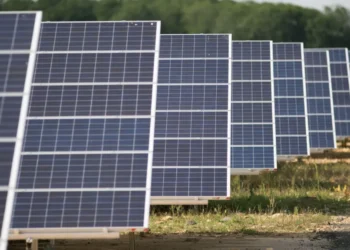 The Green Mile: Country Lane Solar Farm Set to Power 13,000 Homes
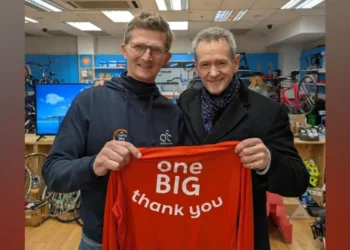 The Wheels of Hope: Charity Delivers ‘Seismic’ Joy Through Specialized Bikes for Children with Cancer
 Policy Stand-Off: Streeting Denies Any ‘System Update’ to Resident Doctor Pay Deal
 Rights and Respect: Nurse Wins Legal Settlement Over Transgender Pronoun Dispute
 The Pouch Peril: Dental Experts Probe the ‘Seismic’ Impact of Nicotine Pouches on Oral Health
 ‘A Walking Miracle’: UK’s Youngest In-Utero Transfusion Patient Celebrates Recovery
 ‘The Triple-Shift Generation’: The 20-Somethings Juggling Three Jobs to Stay Afloat
 ‘A Beacon of Hope’: £3m Injection Set to Transform Town’s Community Hub
 ‘The Flyover Returns’: A40 Westway Reopens Overnight Following Month-Long Gridlock
 ‘Economic Sandbags’: UK Retailers Activate Price Rise Contingency Plans as Supply Chain Strains Mount
 McDonald’s Leadership Under Fire Over Stance on Workplace Misconduct
 UK Pub Price Hikes: Landlady Calls Drink Increases Last Resort
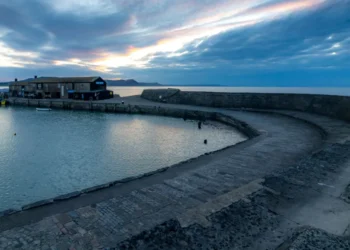 Restoring the Gateway: £6.2m Investment to Save Historic Harbour
 “Jobs Will Go”: Rishi Sunak Warns AI is Already Eroding Entry-Level Opportunities
 The Hidden Debt Trap: Thousands Sued by Councils Over Soaring Home Care Costs
 Insult to Injury: Sky Apologises After Demanding “Charred Remains” of TV Box from Fire Victim
 Human Capital for AI Infrastructure: Meta Cuts 8,000 Staff to Fuel $135bn Bet
 NHS Safety Fears as Nurses Cover Doctor Gaps
 Reform UK funding: mystery billionaire revealed
 A Nation in Flux: UK Healthy Life Expectancy Plummets to Record Lows
 “We Are Shielding Them”: UK Families Face £11 Billion Hit as Iran War Bills Surge
 “A Pint-Sized Crisis”: Publicans Warn of Industry ‘Carnage’ as Energy and Tax Hikes Loom
 A Century of Crust: The Family Pie Firm Celebrating 100 Years of Northern Soul
 Reality Check on Reform: Minister Says Outright Abolition of Leasehold “Impossible”
 End of the “Beefeater” Era: Whitbread to Cut 3,800 Jobs in Radical Strategic Reset