
Published: 1 May 2026. The English Chronicle Desk. The English Chronicle Online
As the conflict in the Middle East enters its third month, the head of one of the world’s largest fertilizer companies has issued a stark warning: the global food system is facing a “catastrophic” disruption that could put billions of meals at risk. Svein Tore Holsether, CEO of Yara International, described the current shipping blockade in the Strait of Hormuz as a “food security timebomb” that is already triggering a “global auction on fertilizer.”
With the waterway—a transit point for one-third of the world’s fertilizer trade—effectively closed, prices for nitrogen-based fertilizers like urea have surged by as much as 70% since February. Experts warn that the resulting “yield gap” could push an additional 45 million people into acute hunger by mid-2026.

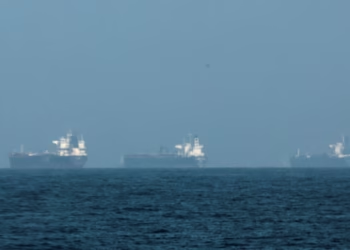
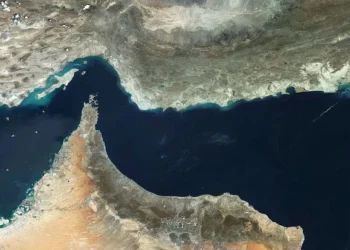
The crisis is centered on the Strait of Hormuz, where the near-total shutdown of shipping has paralyzed the flow of raw materials essential for global agriculture.
The Urea Squeeze: The Middle East provides approximately 34% of global urea exports. Without it, plants simply cannot grow at the scale required to feed 8 billion people.
The Energy Link: Nitrogen fertilizer is made using Liquified Natural Gas (LNG). With 20% of global LNG also passing through the Strait, production costs have skyrocketed, forcing plants from Europe to Asia to throttle output.
The “Double Shock”: Farmers are being hit by a “pincer movement” of rising fuel costs for their tractors and the unavailability of the nutrients needed for the current spring planting season.
While the impact is being felt on the British high street through rising bread and meat prices, the “fertilizer boss” warned that the true tragedy is unfolding in the Global South.
Africa’s Crisis: Unlike European farmers who benefit from government subsidies, smallholders in Africa are being priced out of the market entirely. Yara’s CEO warned of “reduced yields and crop failures” across the continent if the blockade isn’t lifted within weeks.
The “Global Auction”: As supplies dwindle, wealthy nations are outbidding poorer ones for the remaining stock. “We are heading for a situation where food security is determined by the size of a country’s treasury,” Holsether noted.
The “Slow-Motion” Famine: Unlike an earthquake or a flood, a fertilizer shortage is a “slow-motion” disaster. The impact of the “missing” nutrients today won’t be fully realized until the harvest fails in six months’ time.
The warning comes amidst a growing scandal in the corporate world. A report by DeSmog today revealed that senior executives at major fertilizer and grain giants have sold shares worth over $66 million since the conflict began, capitalizing on the very price hikes that are threatening global food security.
“While farmers and consumers pay the price, industry giants are enriching shareholders,” said one campaigner. This “accountability rot” is mirroring the political tensions seen in Kemi Badenoch’s BBC radio “hotseat” today, where the Tory leader accused the government of failing to secure Britain’s own domestic supply chains.

As King Charles concludes his visit to Washington—a trip focused on “unity and resilience”—the fertilizer crisis serves as a reminder of how fragile that resilience truly is. While the Southbank Centre celebrates its 75th anniversary and the RHS Wisley wisteria blooms, the “invisible infrastructure” of the global food system is fraying.
The World Bank has warned that if the Iran war persists, urea prices could exceed the record peaks seen in 2022. For the average British family, this could mean the “Golden Tone” of a Sunday roast becomes an unaffordable luxury. For billions elsewhere, the stakes are much higher: the difference between a meal and a “food security timebomb” finally going off.
Related News:
 Shein UK Faces Allegations of Shifting Majority of Profits to Singapore to Reduce UK Tax
 British AI Startup Outshines Human Forecasters in Global Prediction Contest
 China warns UK over delayed London mega embassy decision
 Rachel Reeves to lead UK trade push in Saudi Arabia amid rights debate
 UPS Cargo Plane Crash in Kentucky Kills Seven
 UK New Car Discounts Near £6,000 as Prices Are Slashed
 US Will Not Back Out of Tariff Deals with UK and Others, Says Trump Trade Representative
 Storm Hernando: Edinburgh Airport Flights Cancelled in US Travel Chaos
 Storm Hernando: Edinburgh Airport Flights Cancelled in US Travel Chaos
 Gulf shipping crisis sparks food price fears
 Yorkshire Water Funding Sparks Debate Amid Fines and Pay Row
 The Truth Behind Rising Energy Costs and Fossil Fuel Myths
 New £10bn rescue plan offered for Thames Water
 Millions Left Without Power as Grid Fails
 UK Wage Growth Slows as Jobs Market Holds Firm
 Middle East Conflict to Hit UK Economy Hardest
 Tropical Cyclone Narelle Batters the Western Australian Coast
 ‘Horror on the Street’ and ‘Fears Grow over Shortages’
 Trump to Deploy “God Squad” Over Gulf Wildlife Protections
 ‘Better Off Not Planting’: UK Farmers Face 36% Fertiliser Spike as Gulf Crisis Bites
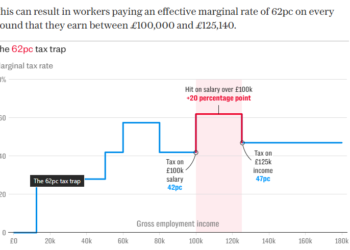 The ‘Career Ceiling’: One in Five High Earners Say £100k Tax Trap is ‘Ruining’ Their Ambition
 The Banbridge Rescue: 300 Sheep Saved from Massive Hay Shed Inferno
 Debt Relief or Drop in the Ocean? UK Caps Student Loan Interest at 6%
 The ‘Shredder’ Syndrome: Why the 2026 Job Market is Breaking Entry-Level Spirits
 Diplomatic Sprint: Starmer Heads to the Gulf as 14-Day Truce Holds
 Global Commerce Crisis: Cooper Demands Immediate, Toll-Free Access to Hormuz
 The Kitchen Table Crisis: How the 2026 Iran War Hits Your Wallet
 Night of Fire: Thousands of Turkeys Perish in Cheshire Barn Inferno
 The Empty Express: India’s $100 Billion Metro Gamble Faces a Ridership Crisis
 ‘The Wild West’ of Energy: 500 Farmers Launch High Court Battle Against Pylon ‘Intimidation’
 ‘The £100,000 Hammer’: War in Iran Forces UK Businesses to Absorb Historic Fuel Hikes
 Stalemate at the Serac: 100-Foot Ice Block Paralyzes Everest Climbing Season
 The “Long Tail” of War: Minister Warns Economic Scarring Could Last Eight Months Post-Conflict
 “A Zero-Value Home”: Seven Years of Sinkhole Stagnation Leaves Family Trapped
 Capitalism ‘Suicidal’, Warns Petro at Climate Summit
 The Coastal Crossroads: Santa Marta Caught at the Heart of the Global Energy Shift
 UK Must Act with Courage and Clarity on Israel-Palestine Conflict, Says Foreign Affairs Committee Report
 Radioactive Leak at UK’s Nuclear Warhead Base Sparks Outcry Over Safety and Secrecy
 Terence Stamp, ’60s British Film Legend and Star of Superman, Dies at 87
 Is the UK Ready to Put Boots on the Ground in Ukraine? Assessing Military Capacity and Challenges
 UK House Price Growth Slows as Buyers Exercise Caution Ahead of Autumn Budget
 Reeves Faces Setback as Labour May Miss Homes Target
 Trump’s UK Ambassador Urges North Sea Drilling to Strengthen US Ties
 Millionaires group urge Reeves to introduce wealth tax to ‘lift kids out of poverty’
 Starmer Says Labour’s Economic Plan Needs Years to Deliver
 ‘Extinct’ Antelope Returns to Sahara, Bringing Hope
 Historic £100-Weekly Pension Boost Brings Relief for UK Mineworkers
 No Gas Boiler Ban as UK Warm Homes Plan Backs Heat Pumps
 Devon hosts first high-density hydro power system
 What is Groundwater Flooding and Why Dorset is Seeing ‘Historical Highs’
 Pound Sinks and Borrowing Costs Rise as Starmer Fights for Job
 Major UK Clothing Firm Collapses into Administration — 109 Jobs at Risk
 Could Manchester Lead the UK’s Economic Revival?
 Starmer Weighs Fast-Tracking Defence Boost
 Snow and Rain Warnings as Cold Snap Continues in the UK
 Lloyds Boss Accepts Concern Over Use of Staff Data in Pay Talks
 Fly-Tippers to Be Hunted by ‘Drone Squad’ in Crackdown from the Sky
 Australian PM Says Former Prince Andrew Has Suffered ‘Extraordinary Fall’ but That Won’t Prompt Republic Referendum
 Farage Chagos Islands Row Sparks Fury
 UK Job Vacancies Hit Five-Year Pandemic Low
 UK Youth Unemployment Surges Amid Tax Changes
 Brit ‘in Good Spirits’ Amid Dubai Missile Attacks, Stranded but Safe
 Charity Watchdog Takes Control of Learning Disability Care Home
 UK Forces Ready to Seize Russian Shadow Fleet Vessels
 The 8 Million Dilemma: Why Britain’s Disability Safety Net is Facing a ‘2026 Reckoning’
 New UK Farm Inheritance Tax Rule Will Cause ‘Significant Challenges’, Say Accountants
 Oil and Diplomacy: Russian Refineries Burn as Zelenskyy Secures Middle East Shield
 Electric Shock: Australians Buy Record Number of New EVs as Fuel Crisis Bites
 Country Diary: The Eagle’s Shadow Over the Lambing Shed
 The Great Chokehold: Why the Strait of Hormuz is the Epicenter of the 2026 Crisis
 The Waiting Ward: ‘Month of Worry’ as Doctor Strikes Trigger Seismic Surgery Delays
 Diplomatic Deadlock: Lebanon Enters High-Stakes Border Talks with ‘No Cards to Play’
 Roadside Reckoning: Nearly 160,000 Uninsured Vehicles Seized in National Crackdown
 The Fog of War and the Ticker Tape: Suspicious Trades Rile Washington
 ‘Unviable and Unfair’: Private Hire Drivers Warn New 2026 Rules Will Decimate Local Trade
 ‘A Fragile Calm’: Oil Prices Dip as Trump Extends Iran Ceasefire, But Blockade Holds Firm
 “Industrial-Scale Extraction”: White House Memo Accuses China of Mass AI Theft
 Beyond the Swoosh: Anta Sports Overtakes Rivals to Become Global Top Three
 “Three-Wheeled Triumph”: Mayor of Erewash Completes 2,000-Mile European Charity Run
 Reality Check on Reform: Minister Says Outright Abolition of Leasehold “Impossible”