Published: 1 May 2026. The English Chronicle Desk. The English Chronicle Online
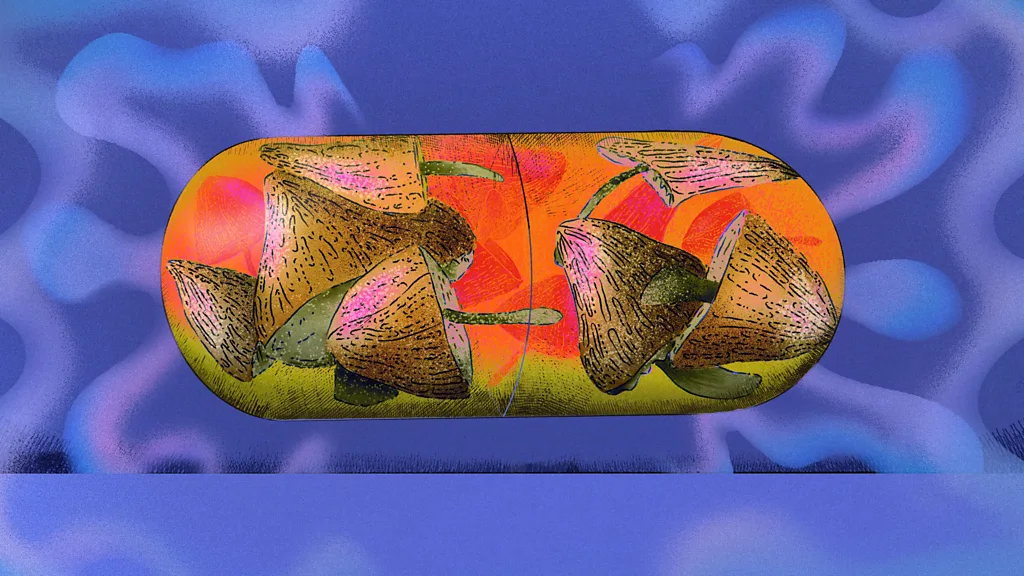
In a breakthrough that could fundamentally reshape addiction treatment, researchers at Johns Hopkins University have published results from a randomized clinical trial showing that psilocybin—the active compound in “magic mushrooms”—is significantly more effective at helping people quit smoking than traditional nicotine patches. The study, published in JAMA Network Open this March, suggests that a single, high-dose psychedelic experience, when paired with structured cognitive behavioral therapy (CBT), can disrupt the “dopamine loops” of nicotine addiction more effectively than replacing the drug itself.

While the UK continues to battle “accountability rot” in public health and a surge in digital fraud, this medical milestone offers a rare “Golden Tone” of optimism for the nearly 6 million smokers in Britain.
The trial compared a single session of psilocybin-assisted therapy against a standard 10-week course of nicotine patches. The results at the six-month mark were described by lead author Matthew Johnson as “striking.”
The Abstinence Gap: Approximately 40.5% of the psilocybin group achieved prolonged, biochemically verified smoking abstinence, compared to just 10% of those using nicotine patches.
The Odds Ratio: Statistically, those treated with psilocybin were six times more likely to remain smoke-free than their counterparts on conventional nicotine replacement therapy.
Harm Reduction: Even for those who did not quit entirely, the psilocybin group reduced their daily cigarette intake by more than half, a far greater reduction than seen in the patch group.
Unlike patches or gums, psilocybin does not target nicotine receptors. Instead, researchers believe it operates on a “meta-level” of behavioral change.
Neuroplasticity and Learning: Experts suggest the drug creates a window of “enhanced neuroplasticity,” allowing patients to “step outside” their usual patterns and rewrite their relationship with smoking.
The Shift in Agency: Participants reported a profound “shift in perspective,” viewing their addiction not as an inescapable physical need, but as a “story” they no longer had to tell.
The “Trip” as a Tool: During the sessions, participants wore eyeshades and listened to music, engaging in a “self-directed” internal journey. This experience was then integrated through 13 weeks of intensive CBT to lock in the behavioral changes.
While the results are a “milestone,” medical professionals urge caution regarding “DIY” attempts at cessation.
Controlled Conditions: The trial was conducted in a highly clinical setting with trained facilitators. No serious adverse events were reported, though some participants experienced temporary spikes in blood pressure and headaches.
The Exclusion List: The study excluded individuals with certain cardiovascular issues or mental health conditions, such as schizophrenia, highlighting that this is a “medical intervention,” not a universal cure.
The FDA Process: Researchers conclude that psilocybin is now a “promising candidate” moving toward potential FDA approval, which would eventually influence the NHS’s own prescribing guidelines.
The success of the “magic mushroom” trial comes at a time when the UK’s mental health infrastructure is under fire—with CQC downgrades for CAMHS wards and a push for improved eating disorder care.
The “Dopamine Desert”: In a world where teens are trialling life without social media to escape digital addiction, the prospect of a one-time treatment for tobacco offers a radical alternative to “daily drug use.”

Resilience Amidst War: With the $126 oil spike and the Iran war driving national anxiety, the ability to “unplug” from a 20-year smoking habit could significantly bolster public health resilience.
As the Southbank Centre celebrates 75 years and the RHS Wisley wisteria reaches its peak purple, the Johns Hopkins study reminds us that sometimes the secret to “evergreen” health isn’t found in a patch, but in a profound shift of mind. For those tired of the “backlog” of failed New Year’s resolutions, the message for May 2026 is clear: the future of quitting might just be found in the fungi.
Related News:
 Mind Launches Inquiry into AI and Mental Health After Guardian Investigation
 Water Cremation Introduced in UK First
 ‘A Living Nightmare’: Parents of Vaccinated Teenager Speak Out After Rare Meningitis B Battle
 ‘The Best Decision I Ever Made’: A Mother’s Viral Plea After a Near-Miss with Lung Disease
 Paws for Peace: Frankie the Cockapoo Brings ‘Unfiltered’ Joy to MND Centre
 The Friendship Friction: Would You Call Out Your Friend’s Toxic Behaviour?
 The ‘Pain-Free’ Revolution: Hospital Celebrates ‘Seismic’ Hip Surgery Milestone
 The Wheels of Hope: Charity Delivers ‘Seismic’ Joy Through Specialized Bikes for Children with Cancer
 Robotic Revolution: UK Surgeons Complete First “Fully Autonomous” Abdominal Procedure
 “The Weight of the Nation”: Campaigners Demand Overhaul of “Fragmented” Eating Disorder Care
 UK Launches World-First Gonorrhoea Vaccine Amid Record Infection Surge
 AI Tools Used by English Councils Found to Downplay Women’s Health Issues, Raising Concerns Over Gender Bias in Care
 Shocking Rise in Children’s Exposure to Violent Online Pornography Raises Alarm
 Omeprazole Alert: NHS Issues Guidance on Safe Use for Heartburn and Indigestion
 Eligibility Confusion Over COVID Vaccination Leaves Pharmacies Struggling Across the UK
 Majority of UK Men Would Opt for Prostate Cancer Screening, Survey Finds
 Scientists Announce First Potentially Accurate Blood Test for Chronic Fatigue Syndrome
 NHS May Pay 25% More for Medicines Amid US Drug Talks
 Survey Shows Most GPs Rushing Appointments
 Genetic Tests May Predict Return of Blood Cancer
 UK Woman Becomes Longest Survivor of Heart-Lung Transplant
 Thousands in the UK sue Johnson & Johnson over alleged talcum powder, linked to cancer
 ‘Game-Changing’ HIV Prevention Jab Set for NHS Approval
 Experts Urge Legal Right to Timely Cancer Care
 Patients to Test Health at Home to Ease NHS Winter Pressure
 North Sea oil workers must lose weight or face job loss
 No link found between paracetamol in pregnancy and autism
 UK launches major AI drive to fight deadly superbugs
 Coffins Now Too Large to Cremate Amid Rising Obesity Crisis
 NHS paediatric leave parents waiting months for answers
 Robo-Vaccination Could Transform Fight Against Bovine TB
 Illegal Skin Lightening Cream Being Sold in UK Butchers, Watchdog Warns
 ‘A Disgrace’ — Patient Blasts Neurology Report
 ‘I Almost Died After a Touch‑and‑Go C‑Section’
 Vegetarian Diet Linked to Lower Risk of Several Cancers
 Streeting Criticises SNP Over NHS App Dispute
 Scots Firefighter Cycles 800 Miles for MND Charity
 Woman, 29, ‘Chucked’ Into Care Home 100 Miles Away
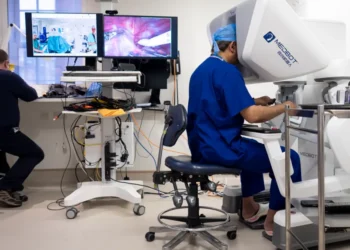 Surgeon’s op on patient 1,500 miles away a UK first
 Father Dies by Suicide Weeks After Wedding in Clitheroe
 SNP Health Secretary Criticised Over NHS Failures Locally
 Scotland Combines Alcohol and Drug Strategy to Cut Addiction Deaths
 Dad Delivers Baby After Midwife Flees During High‑Risk Labour in UK
 Schnauzer Travels 140 Miles for Life-Saving Spinal Surgery
 Brain-Damaged Scot ‘Stuck’ in Hospital at Centre of Police Probes
 The High Cost of Survival: How the 2026 Fiscal Outlook is Redefining British Life
 Safety Fears at New £200m Maternity Unit: Mums-to-Be ‘Put at Risk’
 ‘F***, We’re Dead’: The Chilling Final Words from the Air France 447 Cockpit
 Spring Awakening: Temperatures to Hit 17°C as Britain Bathes in Sunshine
 Fuel Famine: How African Nations are Rationing Power and ‘Diluting’ Petrol to Survive
 ‘My Daughter is Under the Rubble’: The Human Cost of the Tehran Strikes
 Parents Warned Against Letting Children Cuddle Lambs Following Infection Spike
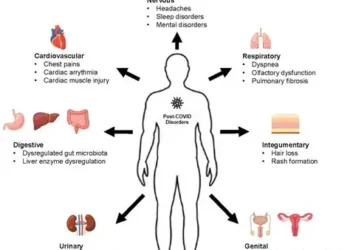 ‘Zoom Dysmorphia’ Explosion: BDD Patients Quadruple in Post-Pandemic UK
 ‘Look After the Children’: The 84-Year-Old Widower Fighting a Broken Care System
 The Miracle of Phoenix: ‘Half Dead’ Rescue Dog Defies the Odds in Worcestershire
 The Hidden Hurdle: Breaking the Silence on Athletic Incontinence
 The Silent Lifeline: Why the 2026 Digital Switchover has Millions Saying, ‘I Didn’t Realise How Much I Needed My Landline’
 The Sofa Sanctuary: Llantwit Major Family Living in ‘Disgusting’ Rat Infestation
 Southern Skies: High Turnout and Surprise Visitors in Birdwatch 2026
 Near-Miss Tragedy: 11-Year-Old Injured After Found Gun Discharges
 GSK cancer drug shows early promise in trials
 The Price of Help: Fuel Surge Threatens Charitable ‘Power Plant’
 Heroism on the Platform: Strangers Save Youth After Seizure on Train Tracks
 Toxic Trail: Dog Owners Warned Over ‘Vile’ Poisoned Meat Found in Parks
 The Green Mile: Country Lane Solar Farm Set to Power 13,000 Homes
 Digital Shield: Met Police Trial AI to Fast-Track Child Abuse Investigations
 The Waiting Ward: ‘Month of Worry’ as Doctor Strikes Trigger Seismic Surgery Delays
 Rights and Respect: Nurse Wins Legal Settlement Over Transgender Pronoun Dispute
 The Pouch Peril: Dental Experts Probe the ‘Seismic’ Impact of Nicotine Pouches on Oral Health
 Breakthrough in Women’s Health: ‘Non-Invasive’ Womb Cancer Test Nears National Rollout
 ‘A Walking Miracle’: UK’s Youngest In-Utero Transfusion Patient Celebrates Recovery
 Human Capital for AI Infrastructure: Meta Cuts 8,000 Staff to Fuel $135bn Bet
 NHS Safety Fears as Nurses Cover Doctor Gaps
 Reform UK funding: mystery billionaire revealed
 A Nation in Flux: UK Healthy Life Expectancy Plummets to Record Lows
 “It Felt Like Normal Life Just Dissolved”: Teenage Girls Invent Drug-Detecting Straw After Spiking Ordeal
 “Don’t Ignore Us”: Bereaved Families Demand Urgent Summit as PM Meets Tech Giants
 The “Cancer Commute”: Patient Warns of Breaking Point Over 40-Mile Treatment Trek
 “Adult Trends” for Children: Mum’s Viral Horror at “Sexualised” Swimwear in Major UK Retailer
 The “Dry” Life: Teens Trialing Social Media Bans Call Initial Disconnection “Boring” and “Dry”