Published: 1 May 2026. The English Chronicle Desk. The English Chronicle Online
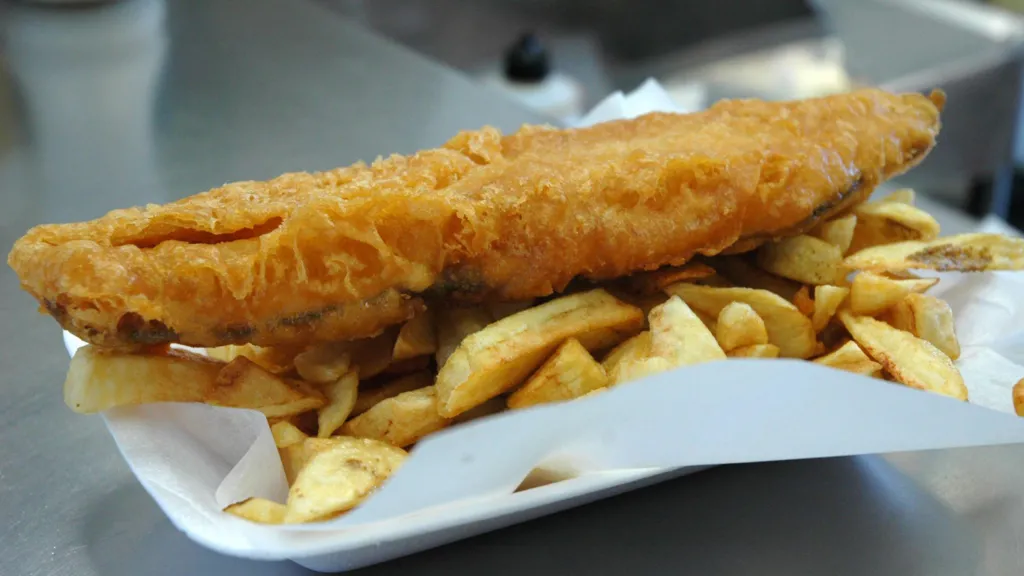
In a scandal that has left the nation’s “fish and chip fiends” reeling, a new investigation has revealed that a growing number of UK takeaways are secretly swapping out traditional cod and haddock for cheap, imported catfish. The practice, dubbed “The Great Basa Bait,” involves selling Pangasius—a freshwater catfish primarily farmed in Vietnam—as a “traditional fish supper” without clearly identifying the species to the customer.

The revelation comes at a time when the National Fish & Chip Awards 2026 crowned North Yorkshire’s The Scrap Box as the nation’s best, highlighting a stark divide between the “gold standard” of the industry and the “accountability rot” found in struggling local chippies.
The use of Basa (often marketed as “river cobbler”) has sparked fierce debate on digital forums like Reddit, where users have labeled the practice as “literal catfishing.”
The Price Gap: With the cost of cod hitting £330 per box (triple the 2024 price), chippies can save over £1.10 per portion by switching to catfish.
The Taste Test: While some consumers claim Basa is “tasty and nutritious,” others have described it as “mushy” and “horrible” compared to the firm, white flakes of Atlantic cod.
The Origin Fear: Despite rigorous safety standards, viral misinformation on “shadow” social accounts has re-circulated debunked claims that Basa is “farmed in sewers,” contributing to a “dopamine desert” of consumer trust in high-street food.
The “catfishing” scandal is a direct symptom of the 2026 Fisheries Crisis, which has seen British fleets tied up in ports like Brixham due to diesel prices hitting 157p per litre.
The Cod Ban: The Marine Conservation Society has officially downgraded UK-caught cod to its “worst” rating, urging consumers to completely avoid it to prevent a population collapse.
The “Postcode Lottery” of Frying: While award-winning shops in Whitby continue to use traditional beef dripping and sustainably sourced haddock, urban chippies are increasingly turning to “white fish” blends that often hide catfish in the fine print.
The Transparency Deficit: Trading Standards has warned that selling “fish and chips” without naming the species is a breach of the Food Information Regulations, noting that “justice has no expiry date” for those found to be deliberately misleading the public.
Experts suggest that the UK’s obsession with just two species is the root of the problem.
The Resilience Solution: To avoid being “catfished,” advocates are urging the public to embrace hake, pollock, or ling—plentiful British species that are currently shipped to Spain and France.
The “Golden Tone” of Recovery: Much like the RHS Wisley wisteria requires careful tending to thrive, the British fishing industry needs a “necessary reset” of consumer habits.
The Robotic Dividend: Some high-tech chippies are trialing “autonomous fryers”—similar to the technology used in the milestone robotic abdomen surgeries—to optimize yield and keep prices down without compromising on fish quality.

As the Southbank Centre celebrates 75 years of British tradition and King Charles concludes his Washington visit, the humble fish supper remains a cornerstone of national identity. However, for those visiting their local chippy this May, the message is clear: if the price looks too good to be true, you might just be eating a “river cobbler” instead of a “king of the sea.”
“We don’t mind eating catfish if we’re told it’s catfish,” said one disgruntled customer. “But don’t give us a ‘traditional supper’ and tell us it’s cod when it’s actually a bottom-feeder from the Mekong.”
Related News:
 Caffè Nero Warns Coffee Prices May Rise Again
 How to Exit Your Broadband Contract Without Paying Exit Fees
 Chancellor Rachel Reeves Pushes for Sweeping Changes to Environmental Protections to Accelerate Development
 Inflation Latest: Cost of Living Expected to Rise Again in Key Figures Released Today
 Retail Sales See Uptick Amid Errors and Delays as ONS Faces Scrutiny
Shein UK Faces Allegations of Shifting Majority of Profits to Singapore to Reduce UK Tax
Retail Sales See Uptick Amid Errors and Delays as ONS Faces Scrutiny
Shein UK Faces Allegations of Shifting Majority of Profits to Singapore to Reduce UK Tax
 UK Retail Sales Rise in August, but Tax Concerns Loom Over Festive Period
 Jaguar Land Rover Extends Production Halt Following Cyber-Attack
 UK Labour Market Shows Signs of Cooling as Wage Growth Slows and Redundancies Rise
 British AI Startup Outshines Human Forecasters in Global Prediction Contest
 Great Britain’s Energy Operator Commits to Strengthening Grid to Prevent Blackouts
 UK Government Backs Return of International Rail Travel to Kent Stations
 Senior Tories Condemn Badenoch’s Vow to Repeal Climate Change Act as Catastrophic
 Wetherspoon vows to keep prices low amid soaring energy and tax costs
 UK House Price Growth Slows as Buyers Exercise Caution Ahead of Autumn Budget
 Kemi Badenoch Unveils ‘Golden Rule’ to Halve Spending Cuts for Deficit Reduction at Tory Conference
 New V-Level qualification to transform post-16 education
 Pizza Hut to shut 68 sites after collapsing into administration
 Real living wage set to rise nearly 7% for UK workers in 2026
 Reeves Faces Setback as Labour May Miss Homes Target
 Trump’s UK Ambassador Urges North Sea Drilling to Strengthen US Ties
 M&S Profits More Than Halve After Cyber-Attack
 Tony Blair think tank warns Rachel Reeves must cut taxes if manifesto broken
 Millionaires group urge Reeves to introduce wealth tax to ‘lift kids out of poverty’
 Global markets drop amid tech sell-off and China slowdown
 Starmer Says Labour’s Economic Plan Needs Years to Deliver
 Virgin Media Fined £23.8m Over Telecare Safety Failures
 Rising Water Bills Lift Troubled Thames Back to Profit
 Historic £100-Weekly Pension Boost Brings Relief for UK Mineworkers
MPs warn AI financial risks threaten UK stability
Historic £100-Weekly Pension Boost Brings Relief for UK Mineworkers
MPs warn AI financial risks threaten UK stability
 Households in England Face Rising Water Bills in April
 UK New Car Discounts Near £6,000 as Prices Are Slashed
 Pound Sinks and Borrowing Costs Rise as Starmer Fights for Job
 London Loses Its Grip on Ambitious Young Workers
 Major UK Clothing Firm Collapses into Administration — 109 Jobs at Risk
 Could Manchester Lead the UK’s Economic Revival?
 Royal Mail Blames Poor Weather and Sickness for Delayed Deliveries
 Lloyds Boss Accepts Concern Over Use of Staff Data in Pay Talks
 UK Job Vacancies Hit Five-Year Pandemic Low
 US Will Not Back Out of Tariff Deals with UK and Others, Says Trump Trade Representative
 Luxury Airbnb Cabins With Hot Tubs Must Be Demolished After Planning Ruling
 UK Youth Unemployment Surges Amid Tax Changes
 Strong Rebound for UK Housing Market Sees 6% More Homes
 Reeves Must Back Defence Plan or Face Dismissal, Says Unite Chief
 Switching Energy Deal Can Save £200 as Price Cap Falls
 Labour’s Employment Shake‑Up ‘Makes Britain Worse Than France’
 Sarah Ferguson Loses Another £1.5m Amid Financial Struggles
 UK Fuel Tax Hike Plan to Be Kept Under Review Over Iran Conflict
 ‘Heating Oil Suppliers Are Holding Us to Ransom’ as Prices and Cancellations Surge
 UK Wage Growth Slows as Jobs Market Holds Firm
 Charity Watchdog Takes Control of Learning Disability Care Home
 English Football’s Managerial Merry-Go-Round Has Become a Circus
 Tottenham Ramp Up Roberto De Zerbi Pursuit with Blockbuster Five-Year Offer
 The 8 Million Dilemma: Why Britain’s Disability Safety Net is Facing a ‘2026 Reckoning’
 The ‘Peterborough Windfall’: Council Calculator Finds £84,800 in Unclaimed Support
 ‘Better Off Not Planting’: UK Farmers Face 36% Fertiliser Spike as Gulf Crisis Bites
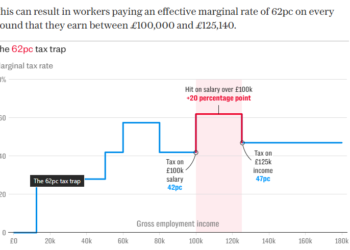 The ‘Career Ceiling’: One in Five High Earners Say £100k Tax Trap is ‘Ruining’ Their Ambition
 ‘White Elephant on Wheels’: Orkney Council to Sell £456,000 Bin Lorry with Only 2,000 Miles
 New UK Farm Inheritance Tax Rule Will Cause ‘Significant Challenges’, Say Accountants
 Iceland Boss Offers Role to Sacked Waitrose Employee
 Debt Relief or Drop in the Ocean? UK Caps Student Loan Interest at 6%
 The Silicon Emerald: How Irish Engineers are Cashing In on the AI Boom
 The Pre-School Lottery: Families Left in ‘Holding Pattern’ as Local Places Vanish
 Heavier SUVs Accelerate Britain’s Pothole Crisis
 The Waiting Ward: ‘Month of Worry’ as Doctor Strikes Trigger Seismic Surgery Delays
 Policy Stand-Off: Streeting Denies Any ‘System Update’ to Resident Doctor Pay Deal
 Roadside Reckoning: Nearly 160,000 Uninsured Vehicles Seized in National Crackdown
 Carmakers Face £3bn Gap in UK Loan Payout Scandal
 The 190p Barrier: Why UK Diesel Prices Are Shattering Records (Again)
 ‘Unviable and Unfair’: Private Hire Drivers Warn New 2026 Rules Will Decimate Local Trade
 ‘The £100,000 Hammer’: War in Iran Forces UK Businesses to Absorb Historic Fuel Hikes
 ‘Economic Sandbags’: UK Retailers Activate Price Rise Contingency Plans as Supply Chain Strains Mount
 ‘Maritime Drones and Steel’: £50m Defence Deals Set to Spark Job Boom in Plymouth and South Yorkshire
 “Jobs Will Go”: Rishi Sunak Warns AI is Already Eroding Entry-Level Opportunities
 Human Capital for AI Infrastructure: Meta Cuts 8,000 Staff to Fuel $135bn Bet
 The “Cancer Commute”: Patient Warns of Breaking Point Over 40-Mile Treatment Trek
 Reality Check on Reform: Minister Says Outright Abolition of Leasehold “Impossible”
 End of the “Beefeater” Era: Whitbread to Cut 3,800 Jobs in Radical Strategic Reset
 Millions Face Food Poverty as Consumer Confidence Hits Record Low
 The £3,000 License: Learners “Held Hostage” by Cancelled Tests and Shifting Goalposts