Published: 4 May 2026. The English Chronicle Desk. The English Chronicle Online
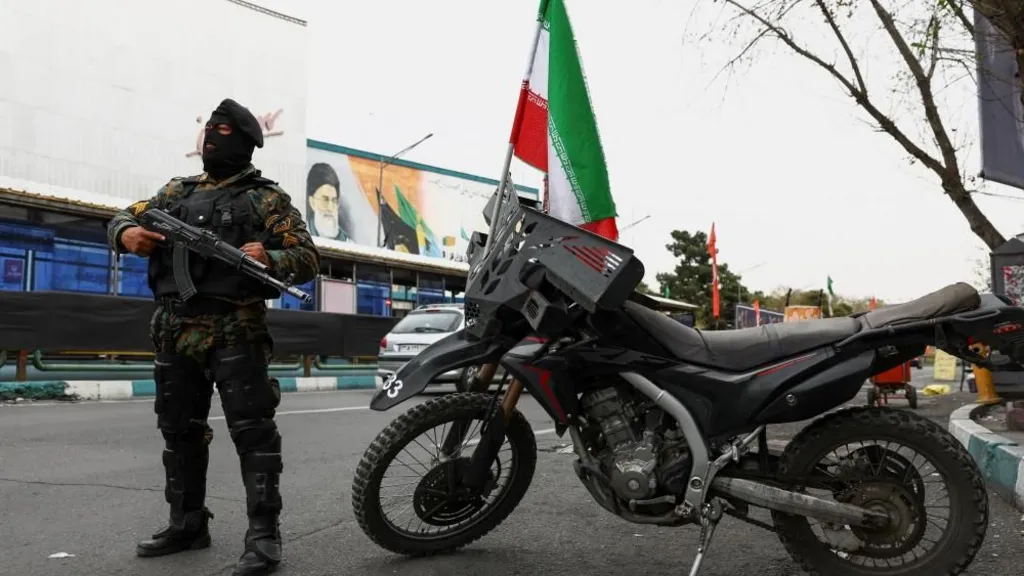
As the dust begins to settle on the 2026 Iran War, a chilling new reality is taking hold across the streets of Tehran and Isfahan. While the U.S.–Israeli “decapitation strikes” in February succeeded in assassinating Ayatollah Ali Khamenei and senior figures like Ali Larijani, the predicted collapse of the Islamic Republic has failed to materialize. Instead, the regime has emerged from the fire not just intact, but increasingly militarized, vengeful, and more entrenched than at any point in its 47-year history.

For the millions of Iranians who took part in the “Winter Revolution” of January 2026—only to be met with a massacre that left an estimated 20,000 dead—the current stalemate feels less like a ceasefire and more like a “clinical silence” before a storm of retribution.
The primary source of fear is the rapid, iron-fisted succession of Mojtaba Khamenei as the new Supreme Leader.
The IRGC Coup: Analysts describe Mojtaba’s rise not as a traditional clerical succession, but as a “palace coup” by the Islamic Revolutionary Guard Corps (IRGC). With the clergy sidelined, the IRGC now effectively controls every lever of the state, from the $126 oil spike profits to the “justice” system.
A “Ready for Revenge” Mentality: Having survived a direct assassination attempt on the leadership, the IRGC is reportedly in “avenging mode.” A new wave of arrests has targeted “foreign-instigated rioters,” with multiple executions carried out just this week—including that of Mehrab Abdollahzadeh on May 3.
The “Shadow” Network: Intelligence suggests the regime is using the war as a cover to permanently dismantle the “Reformist” wing, arresting anyone accused of “aiding the Zionist entity” during the bombing campaigns.
The regime has successfully turned the war into a justification for a “National Intranet,” effectively cutting 90 million people off from the global internet.
The Communication Blackout: Despite Elon Musk’s Starlink efforts, the IRGC’s “signal jamming” and the seizure of thousands of satellite kits have created an information desert. Iranians fear that “what the world doesn’t see, the regime can destroy.”
The “Dopamine Desert” of Fear: The vibrant protest culture of late 2025 has been replaced by a “survivalist” mindset. “We are likely to be here for a long time,” one activist told a leaked call, echoing the sentiment of the British couple currently held in Evin prison.
The “Accountability Rot” of the West: Many Iranians feel betrayed by the “farcical” US intelligence assessments that suggested the regime would fall after a few strikes. Instead, the external aggression has allowed the hardliners to frame their survival as a “Sacred Victory.”
As the Southbank Centre celebrates 75 years of British liberty and King Charles concludes his Washington visit, the disparity between the West’s rhetoric of “regime change” and the reality on the ground is stark.
The “Hormuz” Lever: By selectively closing the Strait of Hormuz, the regime has successfully forced a stalemate, realizing that Washington’s will to fight is “wavering” as energy prices cripple the global economy.
The “Golden Tone” of Defiance: In his first official address, Mojtaba Khamenei vowed that Iran would “keep fighting as long as it takes,” a message aimed as much at domestic dissenters as it was at foreign powers.

The RHS Wisley wisteria may be in bloom in London, but in Iran, the “Spring of 2026” is defined by the sound of gallows and the “drone of drones” over protest-hit cities. The regime is no longer merely “surviving”; it is actively retooling itself into a praetorian state that views its own population as the ultimate enemy.
“The war didn’t kill the regime,” noted one diaspora leader in London. “It gave the regime the excuse it needed to finally kill the opposition. They aren’t just back; they are ready for revenge.”
Related News:
 Israel and Hezbollah Exchange Fire as Conflict Worsens
 Iran’s Regime Still Intact — Coming Days Will Test Its Survival
 Allies of US in the Gulf Bear Brunt of Iran Attacks
 Hopes and Fears as US Iranians Take to Streets After Toppling of Supreme Leader
 Retaliations Continue on Day Two of US-Israel Attacks on Iran
 At Least 153 Dead After Reported Strike on School, Iran Says
 At Least 153 Dead After Reported Strike on School, Iran Says
 ‘It’s Eerie’ – Dubai on Edge as City Comes Under Attack
 BBC Reports from Beit Shemesh After Deadly Iranian Missile Strike
 Iran, the US, and a World Cup That Starts in Three Months
 Cooper: Joining US Strikes on Iran ‘Not in Britain’s Interest’
 Trump’s Iran Endgame Unclear After Mixed Messaging on War Aims
 Rubio Responds to Reported Strike on Iranian School
 Scots Caught Up in Middle East Crisis ‘Just Waiting for the Next Explosion’
 Why the US and Israel attacked Iran
 Israel Launches Fresh Strikes on Tehran & Beirut; US Warns “Hardest Hits” Ahead
 Three Days In, This War’s End Is Still Unclear
 US Has ‘Enough Weapons for Forever War,’ Trump Says
 Israel Strikes Lebanon After Hezbollah Rocket Fire as Iran Conflict Widens
 Israel’s New Airstrikes on Tehran & Beirut After US Embassy in Riyadh Is Hit
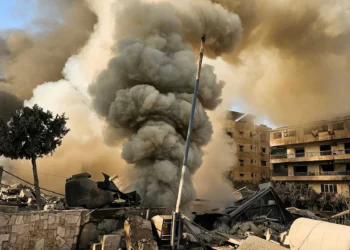 Israel Launches Ground Invasion of Lebanon Amid Widening Middle East War
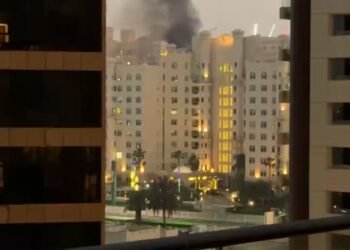 Iranian Rockets Are Testing the Resolve of Dubai’s Instagram Stars
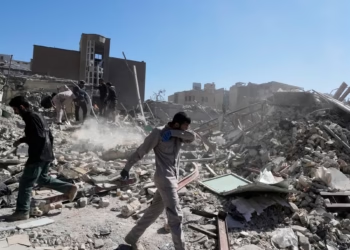 US Embassy in Riyadh Hit by Iranian Drones as Israeli Troops Enter Southern Lebanon
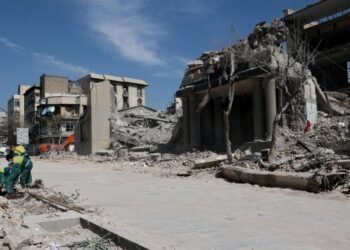 US Senate Backs Trump War Powers Amid Iran Missile Barrage
 UK Prepares Aircraft Carrier for Middle East Crisis
 Nine Days of Strikes Reshape the Middle East
 Putin Orders Evacuation at Iran Nuclear Plant Amid ‘Catastrophe’ Fears
 Video Analysis Suggests US Missile Hit Base Near Iran School
 Iran Says Intelligence Chief Killed in US-Israeli Strike as Trump Threatens ‘Hell’ Without Deal
 US Urges Iran to Make Deal as Military Presence Rises
 Ukraine Negotiator Reveals What It Feels Like Facing Russia
 Mandelson Arrested Amid Political Turmoil as Ukraine Marks Four Years of Conflict
 ‘Anyone who runs is shot’: Russian soldiers describe killings of troops who refuse orders
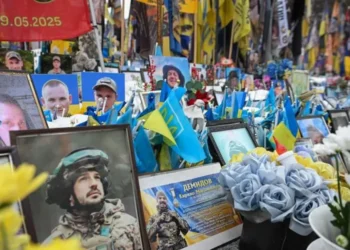 Ukraine remembers its dead as war enters a fifth year
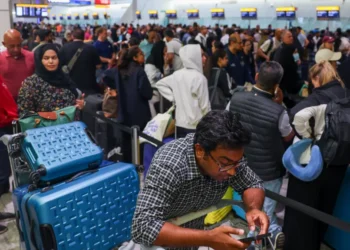 Middle East Flights Halted After Iran Strikes
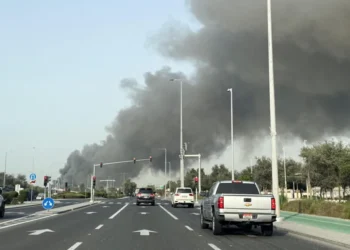 Allies of US in the Gulf Bear Brunt of Iran Attacks
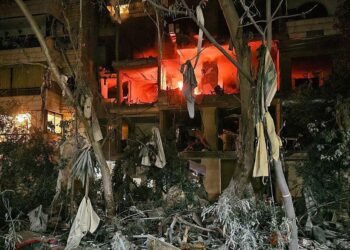 Israeli Attacks Kill 31 in Lebanon, Iran Strikes Across Region, US Warplanes Crash in Kuwait
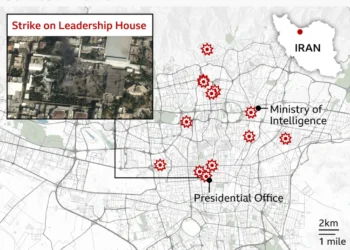 In Maps: Strikes Across Iran and the Middle East
 Months of Planning Behind US‑Israeli Mission to Target Iran’s Supreme Leader
 UK Will Allow US to Use Bases to Strike Iranian Missile Sites, PM Says
 What Khamenei’s Death Means for Russia and China
 Tehran Makes New Threat to Gulf Shipping as US Says ‘Hardest Hits’ on Iran ‘Yet to Come’
 Did Trump Declare War and Did Congress Approve Iran Attacks? What to Know
 Melania Trump Chairs UN Security Council Meeting on Children in Conflict Amid Iran Strikes
 The Third Day of the US‑Israeli War With Iran
 Latest on Middle East Conflict — In Maps: Strikes Across Iran and the Region
 Amazon Says Drones Damaged Three Facilities in UAE and Bahrain
 Man Recalls ‘Terrifying’ Dubai Missile Ordeal During Iran Strikes
 US Strikes on Iran Triggered by Israel’s Plan to Launch Attack, Rubio Says
 First Wave of Europeans Stranded by Iran Conflict Return Home, With Hundreds of Thousands Still Left in Region
 Civilian Deaths in Iran Pass 700 Amid Fear of Bombs and Regime Clampdown
 US Submarine Sinks Iranian Warship in Indian Ocean, Hegseth Says
 How Depleted Weapons Stockpiles Could Affect the Iran Conflict
 Iran Drones Hit Azerbaijan Airport as War Widens
 Macron Finds ‘Freedom Fries’ Redemption in Iran Crisis
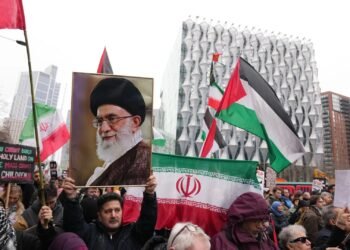 Thousands Protest Iran Strikes Outside US Embassy London
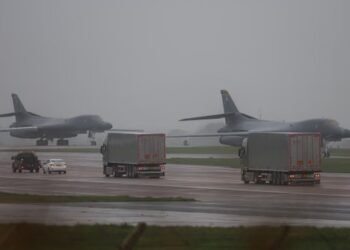 US Bombers Arrive at RAF Base Amid Rising Iran Tensions
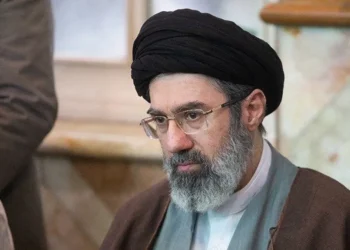 Who Is Mojtaba Khamenei, Iran’s New Supreme Leader?
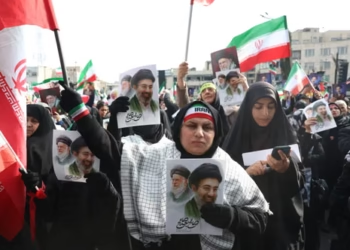 Mojtaba Khamenei Supporters Rally as Iranians Fear Repression
 Iran’s New Leader Faces Existential Test
 Iran Rejects Ceasefire, Warns Trump With Chilling Message
 Iran Defiance Grows Amid US-Israel War Pressure
 Middle East crisis live: Supreme leader ‘safe’, Iran and Israel escalate conflict
 Iranian Exile Factions Seek US Backing for Iran’s Future
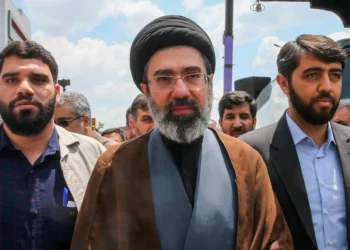 Injured Mojtaba Khamenei Elevated as Iran Leader
 Ukraine War Becomes Flashpoint in Hungarian Election
 Busy International Airport Targeted by Iran in Latest Strikes
 Trump’s Call for an Iran Uprising Draws Historical Warning Over Iraq 1991
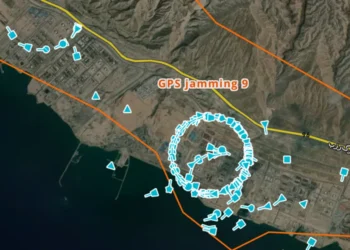 GPS Jamming: The Invisible Battle in the Middle East
 Anti-Regime Iranians Turn Anger Toward Trump
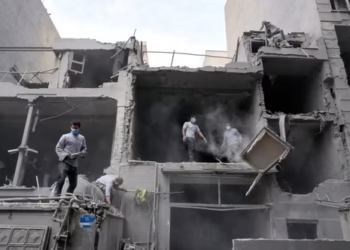 Trump Iran War Stance Hardens as Conflict Widens
 Trump’s Confidence Undimmed — But Every Iran Option Carries Risk
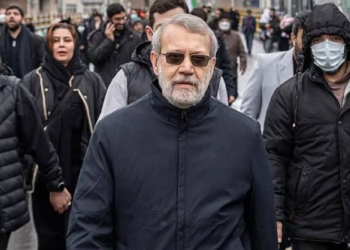 Israel Says Iran Security Chief Larijani ‘Killed’
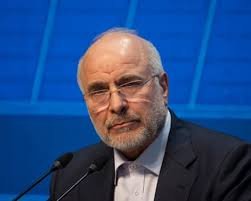 Ghalibaf Iran: Survivor Emerges in Shifting Power Game
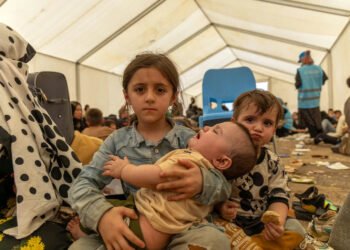 Death, displacement and military duties: children plunged into crisis
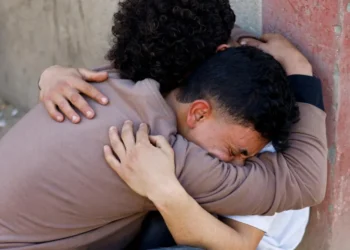 Ten Dead as Israeli Strikes and Internal Clashes Rock Gaza
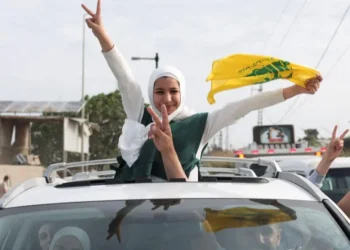 The 10-Day Window: Israel-Lebanon Ceasefire Holds as Trump Teases Iran ‘Mega-Deal’
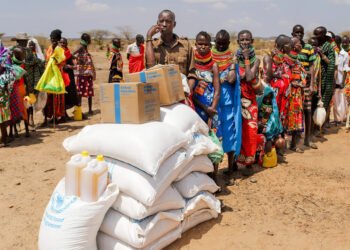 Aid Crisis Grows as Hormuz War Disrupts Supply
 Trump likens US Navy actions to ‘pirates’
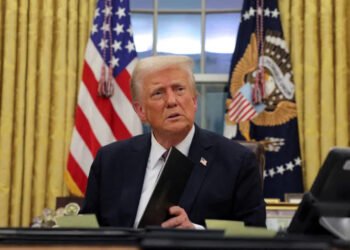 Global order shifts amid Trump-era turmoil