Published: 09 May 2026. The English Chronicle Desk. The English Chronicle Online.
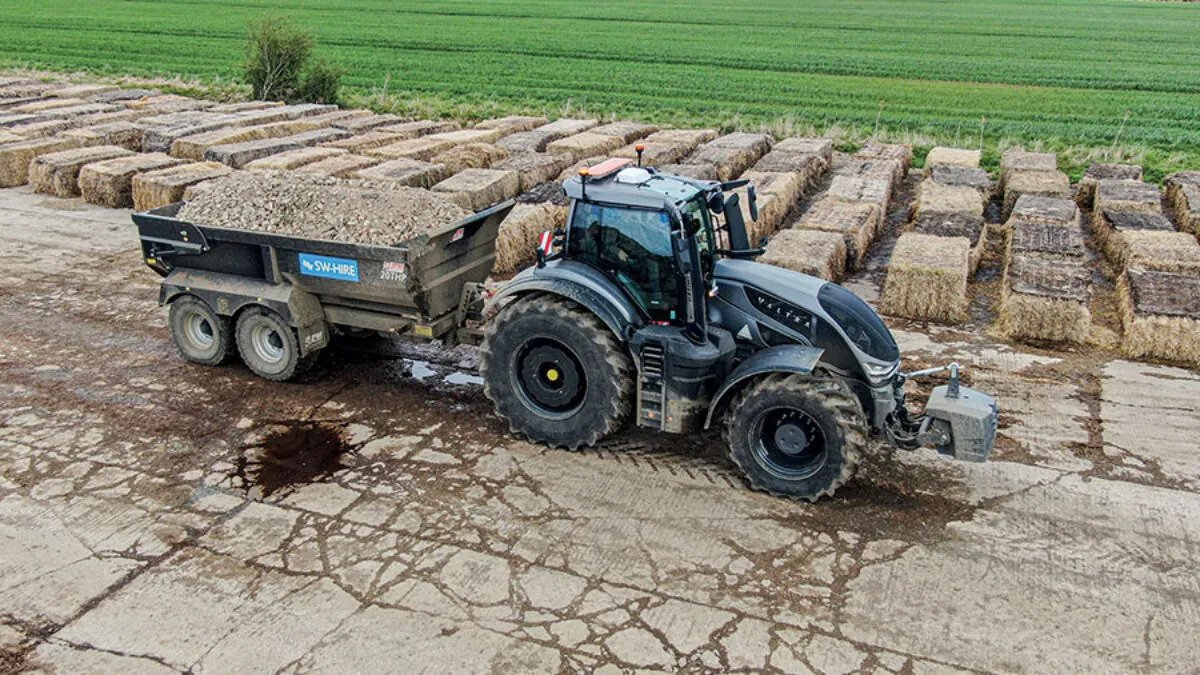
For farmers, timing can mean everything. A few hours lost during planting season can disrupt carefully planned schedules, threaten crop growth and increase financial pressure in an industry already facing rising costs and unpredictable weather. In the Lincolnshire market town of Brigg, one farmer was recently reminded just how fragile that balance can be after a tractor breakdown brought an already demanding spring workday to a sudden halt.
What began as a routine trip through the countryside quickly turned into a stressful race against time when one of the farm’s most important machines broke down while transporting equipment needed for a bird food crop planting operation. The incident occurred during a critical seasonal window, with dry weather conditions forcing farmers to move quickly before changing forecasts and worsening soil conditions reduced planting opportunities.
The breakdown highlighted the often unseen pressures faced by Britain’s farming communities, where expensive machinery, narrow weather windows and educational outreach efforts must all somehow fit into the rhythm of daily agricultural life.
Late April had brought unusually dry conditions across many parts of eastern England, including Lincolnshire. Although dry weather can help farmers access fields more easily, prolonged dryness also creates serious risks for newly planted seeds, particularly for specialist crops designed to support wildlife during winter months. The farmer involved explained that the bird food crop needed to be planted within a very specific timeframe — after the final spring frosts but before the soil lost too much moisture.

These wildlife-supporting crops have become an increasingly important part of modern British farming. Often planted under environmental stewardship schemes, they provide food sources for birds and other wildlife during colder months when natural resources become scarce. Farmers balancing commercial agriculture with environmental conservation rely heavily on careful seasonal timing to ensure such crops establish successfully.
The day’s work had initially been progressing smoothly. Seed had already been delivered to the field, and the tractor was returning to collect rollers used to press the seed into the soil after planting. However, while travelling through Brigg, warning lights suddenly appeared on the dashboard before steam began pouring from beneath the bonnet.
The tractor, described as both the smallest and newest on the farm, quickly became immobilised as water leaked from underneath the engine. Forced to pull partially into a roadside driveway, the driver soon found traffic backing up behind the stranded vehicle. A rapid inspection confirmed that the problem would require professional assistance from the local machinery dealer.
For the farmer, the breakdown could hardly have come at a worse moment. Spring planting schedules already operate under immense pressure, particularly when weather forecasts threaten imminent changes. Delays can force farmers to work late into the evening or compress several days’ labour into shorter periods, increasing physical strain and operational costs.
Yet the disruption affected more than just the farm’s workload. Among the traffic caught behind the broken-down tractor was a school bus carrying approximately 30 children heading to the farm for an educational visit organised in partnership with the Country Trust charity.
The charity works across Britain to help children, particularly those from urban and disadvantaged backgrounds, better understand food production, farming and the countryside. Educational farm visits have become increasingly valued in recent years as many children grow up with limited direct exposure to agriculture despite its central role in everyday life.
The stranded farmer recalled the awkwardness of seeing schoolchildren waving enthusiastically from the delayed bus while the tractor steamed helplessly beside the road. Originally, the children had been expected to meet the farm machinery up close and learn about its role in daily agricultural operations. Instead, the unexpected mechanical failure forced a rapid adjustment to the day’s activities.
By the time the farmer returned to the property, the visiting children had already toured the crops and settled down to eat packed lunches. Plans for photographs with the tractor had been abandoned, replaced instead with demonstrations involving a forklift truck. Despite the disruption, the visit still offered the children a rare opportunity to experience the realities of a functioning farm rather than a carefully staged attraction.
For many farmers, such educational outreach carries increasing importance as public understanding of agriculture continues to decline. Industry groups have frequently warned about the widening disconnect between consumers and food production, with many younger people unfamiliar with how crops are grown, livestock managed or environmental schemes maintained. Farm visits organised through charities and schools are therefore seen as vital opportunities to bridge that gap.
The breakdown also illustrated the financial pressures involved in modern farming operations. Agricultural machinery represents one of the largest investments for many farms, with tractors alone often costing as much as a family home. Farmers typically rely on using machinery intensively across multiple seasons in order to justify the enormous expense.
As a result, breakdowns are an unavoidable reality. Modern tractors combine sophisticated electronics, hydraulics and high-performance engines capable of operating in demanding conditions for long hours. Even newer machines can suffer costly mechanical failures, particularly during the busiest periods of the agricultural calendar when they are placed under continuous strain.
The financial impact of unexpected repairs can be substantial, especially for smaller farms already facing rising fuel costs, volatile crop prices and ongoing uncertainty linked to weather conditions and agricultural policy changes. In many cases, repair bills arrive precisely when farms are already managing seasonal cash-flow pressures.

Despite the setbacks, the work eventually continued. The bird food crop was planted and rolled into the soil before darkness fully settled over the countryside. By the end of the day, exhaustion had replaced frustration as farm workers compressed the remaining tasks into fewer available hours. The appearance of a barn owl at dusk marked the close of a difficult but ultimately successful operation.
Although the farm’s finances took another hit due to the repair costs, the tractor has since returned to service and resumed work. For the farmer, the experience served as another reminder of the delicate balance between machinery, weather, wildlife conservation and public engagement that shapes modern rural life.
Beyond the mechanical breakdown itself, the episode offered a glimpse into the everyday resilience required across Britain’s farming communities. From coping with unpredictable weather to maintaining expensive equipment and educating future generations, farmers often operate under intense pressure rarely visible to those outside the countryside.
In the end, the children still left with memories of a real working farm, the seeds were planted in time, and another unpredictable farming day was brought to a close — proof that in agriculture, even the worst disruptions must eventually give way to the next task waiting in the field.
Related News:
 UK Schools Struggle as Classrooms Top 40C
 NHS Safety Fears as Nurses Cover Doctor Gaps
 Older Than Dinosaurs: Secrets of Mayfly Dance Revealed
 Britons Build Emergency Supplies Amid Rising Fears
 Sycamore Gap Artwork Chosen After Public Vote
 Public Confidence in University Degrees Plummets in the UK
 British Teens in EU Face Soaring UK University Fees
 London Tube Heat Reaches Dangerous Levels
 Three-Quarters of England’s Riverbanks Still Off Limits
 Cambridge Professor Jason Arday Found Dead at Home
 London’s 2026 ‘Great Stink’ Raises Sewer Concerns
 Burnham unveils £65m drought aid for farmers
 Six-Figure Tutors Teach Toddlers to ‘Be British’
 How Bringing Forests Into Preschools Boosts Children’s Health
 Is a two-week half-term a good deal? Some parents in England aren’t so sure
 Children to Learn Local History in Major Curriculum Overhaul
 Top Christmas Books Reads: Classics to Cozy Romcoms
 England Curriculum Review Recommends Major Changes
 Greta Thunberg Backs Student Facing UK Visa Revocation
 Audio Books deals and promo codes to explore in November 2025
 London’s Childlessness Crisis: Schools Closing as Families Shrink
 No link found between paracetamol in pregnancy and autism
 Government urges schools to ban phones to curb classroom disruption
 England’s Special Needs Support Faces Breaking Point
 Higgs Donates Nobel Medal to His Beloved University
 UK Schools Face Staff Exodus Amid Wellbeing Crash
 Schools urged to trial four-day week to ease pressure on teachers in England and Wales
 Oxford Names ‘Rage Bait’ Word of the Year
 Cambridge College Faces Backlash Over Private School Recruitment
 Glasgow rector cleared by watchdog in antisemitism case
 UK Launches First Town of Culture Competition
 UK Ministers Drop Foreign Student Targets for Global Education Push
 City & Guilds pay surge sparks backlash amid £22m cuts
 School Suspensions Now Reserved for Only Severe Misbehaviour
 Harvey Willgoose School Stabbing Red Flags Missed
 Kingsbury stabbing probe led by counter-terror police
 Send spending gap leaves deprived areas behind
 Aberdeen Chosen for GB Energy HQ at Marischal Square
 Councils Urge Means Testing for Send School Transport
 Student Loan Crisis Sparks Outrage Among Graduates in England
 New Era for UK Special Needs Support
 UK Energy Reform Could Cut Bills by £200
 UK Banks Maintain £100 Contactless Limit Despite FCA Rule Change
 Rising Costs Force Families to Rethink Days Out
 UK Parents Voice Concerns Over Special Education Support
 Keir Starmer Vows Strong Action Against Online Tech Giants
 UK Records Earliest Spring as Nature Awakens Fast
 Archbishop Prays for Middle East Peace in First Easter Sermon
 Storm Dave Disrupts Travel but Conditions Set to Ease
 Exhibition Revisits Life of 18th-Century Black Court Figure
 Student Loan Interest May Rise Despite 6% Cap
 Kezia Dugdale Warns of Possible Reversal of Equal Rights Gains
 Synagogue Arson Attempt Sparks Security Fears
 City & Guilds Sale Sparks Fees and Pay Uproar
 Canadian astronaut French words ease language row
 Walsall Rapist Jailed After Hate-Filled Online Trail
 Crackdown Backfires on UK Climate Protesters
 Two Children Die in Wolverhampton House Fire Tragedy
 Reform UK funding: mystery billionaire revealed
 John Terry Faces Backlash Over Political Posts
 Greens Face Internal Row Over Antisemitism Claims
 Barrister Criticises Trial After Suicide Case Verdict
 Labour Members Turn Against Starmer Leadership
 Father’s diaries reveal doubts over Hawking
 Pope Meets Families in Italy Toxic Waste Zone
 UK rejects EV charging VAT cut amid Treasury clash
 Victim says non-custodial rape sentence ‘rock in my face’
 Starmer Leadership Under Pressure After Setbacks
 Is a University Degree Still Worth the Cost?
 Ban the Smack: New Study Links Hitting to Poor Grades
 The Hybrid School Revolution Defying the Social Media Ban
 Systemic Failure: White Working-Class Pupils Left Behind
 School Bosses Face Strict Pay Cap
 UK Nations Brace for Potential Breakup Amid Reform Surge
 Cornwall Van Dwellers Face Eviction in Housing Crisis
 UK Seas Face Extreme Heatwave as Global Temperatures Surge
 UK Power Grid Strained by Summer Heatwave
 Westminster Council Threatens Charing Cross Soup Kitchen
 BBC Warned About Missing Clothes of Murder Victim
 Gen Z turns to BirdTok for a gentler digital escape