Published: 11 May 2026. The English Chronicle Desk. The English Chronicle Online.
The sun-drenched shores of Tenerife became the backdrop for a tense international operation this weekend as medical teams scrambled to manage a health crisis. Dozens of passengers and crew members from various nations have been evacuated from a polar cruise vessel following a deadly outbreak of hantavirus. This complex mission began on Sunday morning under the watchful eyes of global health authorities and worried onlookers. British citizens were among the first groups to be removed from the ship during the two-day rescue window. They were quickly ushered onto chartered flights bound for the United Kingdom to begin a period of strict medical observation. By late Sunday evening, a plane carrying twenty-two British nationals touched down at Manchester Airport to meet awaiting teams. These individuals are now entering a specialized hospital quarantine facility located in the Merseyside region for further testing.
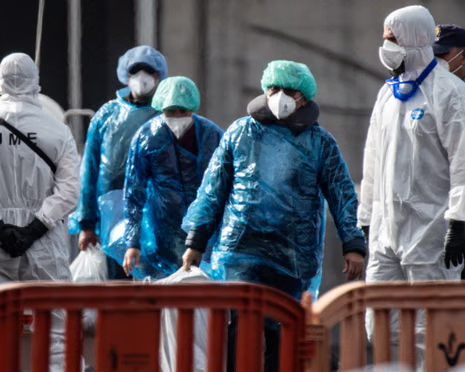
Earlier in the day, Spanish passengers were seen leaving the vessel while wearing protective blue plastic ponchos and hair coverings. They were guided by medical professionals dressed in full hazmat suits who conducted initial screenings for any signs of infection. Once cleared for travel, these passengers were transported by coach directly to the airport for their journey home. The vessel originally arrived in the Canary Islands during the early hours of Sunday with 146 people aboard. This arrival followed the tragic deaths of three individuals and the hospitalization of eight others due to the virus. Most of the remaining people on the ship have not shown any symptoms of the illness yet. However, the entire manifest had been confined to their small cabins for several days to prevent transmission. Health experts noted that this specific virus typically spreads only through very close and sustained physical contact.
Every person leaving the ship undergoes a rigorous screening process designed to identify the early signs of hantavirus. This illness often begins with common flu-like symptoms but can rapidly progress to severe respiratory arrest in certain cases. The nineteen passengers and three crew members from Britain are being housed at Arrowe Park Hospital in Wirral. According to the head of the NHS trust, none of the British group currently show any symptoms. They will reside in self-contained flats for seventy-two hours while receiving regular welfare checks from medical staff. After this initial period, they will be required to self-isolate at their own homes for forty-five days. This lengthy precaution is intended to ensure that the public remains safe from any potential delayed viral onset. Repatriation flights for citizens of other nations have also been organized to return people to their home countries.
The Spanish government and the World Health Organization have assured the public that no contact occurred with local residents. Fourteen Spanish citizens reached Madrid on Sunday evening as the first wave of the domestic repatriation effort concluded. Subsequent flights have been departing for the Netherlands, Germany, Belgium, Greece, Canada, and the United States throughout the night. Even as these flights took off, news emerged that a French national was already showing symptoms of the illness. The French Prime Minister confirmed that five of their citizens were placed in strict isolation immediately upon landing. This move was supported by a new government decree designed to protect the general public from further exposure. Meanwhile, officials in the United States reported that one of their seventeen returnees also displayed mild respiratory symptoms.
Another American passenger reportedly tested positive for a specific strain of the virus known as the Andes variety. Spanish authorities have indicated that a Dutch refuelling plane will assist with any remaining evacuations scheduled for Monday. The final flight of this massive logistical undertaking is expected to depart for Australia with six people aboard. The Philippines remains the nation with the highest number of citizens involved in this particular maritime health crisis. Of the thirty-eight Filipino crew members, many served as stewards and hotel staff for the luxury cruise line. These workers are being transferred to the Netherlands on two separate flights to begin their mandatory quarantine periods. A smaller group of fourteen essential staff members will stay on the ship to navigate it toward Rotterdam. These deck and engine operatives are necessary to ensure the vessel reaches its final destination safely and efficiently.
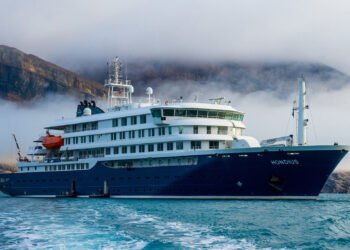
All evacuated individuals are being asked to isolate for forty-two days from their last point of potential exposure. For many on board, this date would have been several weeks ago during the height of the outbreak. The MV Hondius is currently anchored just off the coast near the southern commercial port of Granadilla. Passengers are being ferried to the dock in small groups of ten by a tiny support boat. These transfers only occur when a plane is fueled and sitting on the asphalt ready for immediate boarding. The President of the Canary Islands explained that this method minimizes any time spent on Spanish soil. Authorities are working against the clock as weather conditions are expected to worsen in the coming days. Rising winds off the coast could make further boat transfers impossible for those still waiting to leave.
Despite the high stakes, health officials have been quick to dismiss fears of a new global pandemic emerging. The Director General of the World Health Organization addressed these concerns during a press conference held in Tenerife. He was asked if allowing passengers to travel across the globe could lead to new localized outbreaks. He responded confidently that their current assessment suggests the risk of a widespread disaster is currently very low. On the ground at the port, Spain’s health secretary clarified the diagnostic protocols being used for the passengers. He noted that PCR testing was not actually performed while the individuals were still on the ship itself. Instead, medical teams focused on taking temperatures and reviewing detailed health surveys to identify any potential viral symptoms. This approach was criticized by some nations who requested more thorough testing before the passengers boarded flights.
The United Kingdom and the United States both asked for on-board PCR testing but were initially refused by authorities. However, these countries were granted permission to conduct their own medical tests once the planes entered international airspace. Every participating nation is now carrying out its own unique set of health checks and isolation requirements for citizens. The European Commission is attempting to coordinate these various responses to avoid massive discrepancies between neighboring countries. The polar cruise ship had previously spent several days stranded off the coast of Cape Verde before arriving. Local officials there had refused to let the vessel dock due to fears of overwhelming their healthcare system. The World Health Organization maintains that hantaviruses do not spread with the same speed or ease as Covid-19.
Treatment for the infection is generally considered highly effective if medical intervention occurs during the earliest stages of illness. The primary challenge for doctors is the long incubation period which can last up to eight weeks. This means that an infected person might feel perfectly healthy while still harboring the virus in their system. Because of this uncertainty, a massive international effort is underway to trace anyone who left the ship recently. This includes twenty-nine people who disembarked on the remote island of Saint Helena over a month ago. Two British individuals are already self-isolating at home because they may have been exposed during that specific stop. Neither person has reported feeling unwell, but they are being monitored closely by local health officials for changes.
The reach of this operation even extended to the isolated British overseas territory of Tristan da Cunha. A specialist army team and medical experts were recently parachuted onto the island to provide emergency aid. They were responding to reports of a resident who returned home from the ship with a suspected infection. This resident is currently being treated with specialized equipment that was delivered during the high-stakes aerial mission. As the MV Hondius prepares for its final voyage to the Netherlands, the world remains on high alert. The successful evacuation of so many people under such difficult conditions is a testament to international cooperation. For now, the focus shifts to the quarantine wards and the long wait for the incubation period to end. Families of those involved are hopeful that the worst of the crisis has finally passed for them.
Related News:
 The diet that can significantly ease symptoms of IBS
 Europe, North America face early wave of bird flu
 Tick Bite Tragedy Claims Teen in Meat Allergy Case
 Hospital Fungal Outbreak Sparks Major Cover-Up Claims
 Tehran Diary: Dark Days Under Relentless Bombardment
 Canada Plasma Deaths Raise Safety Concerns After Two Donors Die
 “I was fighting two wars”: Ukraine soldiers’ addiction crisis
 Giuliani hospitalised in critical condition
 US Court Restores Abortion Pill Access Temporarily
 Hantavirus Cruise: Britons Face 45-Day Isolation Order
 Bad Weather Threatens Hantavirus Cruise Ship Evacuation
 Cruisers Face Perth Quarantine After Hantavirus Outbreak
 WHO Declares Ebola Outbreak a Global Emergency
 Deadly Ebola Outbreak Surges as Western Aid Vanishes
 Ebola outbreak in DRC overwhelms health system as cases surge
 Maldives Cave Diving Tragedy Raises Safety Alarm
 Pope Meets Families in Italy Toxic Waste Zone
 Unflinching Witness: Doctors Document Gaza’s Medical Crisis
 Mystery Grows Over Mitch McConnell’s Health
 Patients to Test Health at Home to Ease NHS Winter Pressure
 BBC to Apologise Over Edited Trump Speech Amid Backlash
 Britain deploys RAF specialists to assist Belgium with drone threats
 Reeves rejects £1bn plea for NHS redundancy payouts
 Greene Pushes Epstein Files Amid Trump Fallout
 December Run-Off in Chile as Election Produces No Winner
 Zelenskyy Signs Fighter Jet Deal Amid Russian Drone Attacks
 Stroke Patient Mistaken for Drunk, Care Delayed
 Shadow Fleet at Sea: Europe’s Battle Against Illicit Oil Shipping
 US Suspends Afghan Immigration After White House Shooting
 Five-Year-Old Dies After Rare Tonsil Surgery Complication
 ‘Extinct’ Antelope Returns to Sahara, Bringing Hope
 Irish Beach Tragedy: Irish Drown at Whitehaven Beach in Australia
 Sanctioned oil tankers sail Channel amid Russia scrutiny
 Pentagon Signals Reduced Role in Deterring North Korea
 Streeting moves on doctor pay to end strike dispute
 UK reports baby formula toxin poisoning cases across the country
 UK and US Drop in Global Corruption Index Rankings
 SA Police Intensify Search in Gus Lamont Case
 Canberra Poster Seizure Sparks Free Speech Row
 Evo Morales Returns After Mysterious Absence
 Placenta Accreta Warning as Hunt Urges Action
 Jacinda Ardern Moves To Australia Following Her US Fellowships
 Jacinda Ardern Move Sparks Kiwi Reflection
 Middle East Airspace Crisis Strands Thousands
 Nick Greiner Warns Over Election Review Fallout
 Kelly Wilkinson Inquest Reveals Bail Failure
 New Zealand Covid Response Praised Despite Lingering Scars
 Tehran Strikes Mark War’s Most Devastating Night
 Injured Mojtaba Khamenei Elevated as Iran Leader
 Gordon Brown urges court for crimes against children
 The Kill Line: A Shifting Vision of the American Dream
 ‘Drinking from a Fetid Pond’: Superbug Genes in Lough Neagh
 Pakistan Targets Militant Hideouts in Afghanistan
 ICE detention warning sparks fear among immigrants
 Air Canada CEO Faces Outcry Over Recent Language Misstep
 Extreme Weather: Europe Shivers as Cyclone Narelle Hits
 Palantir Boss Defends NHS Deal Amid Government Break Clause
 Asia Turns Back to Coal Amid Middle East Energy Crisis
 Relationship with Trump may be beyond repair, Starmer warned
 Unions Raise Concerns Over Doctors’ Pay Dispute
 Trump’s Six-Week Iranian War: The High Cost of Ignorance
 Artemis II Returns After Historic Moon Flyby
 Trump Brokers Landmark Lebanon Ceasefire Amid Regional Hopes
 Ben Roberts-Smith Denies War Crime Allegations in First Statement
 Crisis in NHS Surgery Scheduling Hits Patients Hard
 Britain’s Health Decline: A Growing National Concern
 RFU Backs Borthwick Despite England’s Poor Six Nations
 Infantino Defends Soaring World Cup 2026 Ticket Costs
 Trump Announces 3-Day Russia–Ukraine Ceasefire Deal
 Trump Rejects Tehran Peace Plan as Regional Truce Crumbles
 UK Experts Urge Four-Day Week to Combat National Obesity
 Putin Signals War End as Russian Momentum Stalls
 Scepticism and tight security as Beijing braces for Trump
 Tensions Flare as Israeli Nationalists March in Jerusalem
 Record Spending Highlights Growing Crisis In National Health Service
 Aukus Deal Facing Fierce Backing and Historic Criticism
 Clean Air Initiatives Spark Major Fall in London Hospital Admissions
 NHS Urges Investigation For Irregular Periods
 UK Schools Struggle as Classrooms Top 40C
 Houthis Strike Saudi Arabia as Middle East Tensions Rise