Published: 12 May 2026. The English Chronicle Desk. The English Chronicle Online.
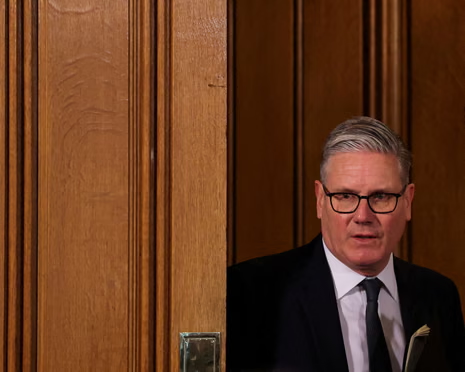
Prime Minister Keir Starmer remains resolute today as he faces a mounting political crisis. He stood firm during a tense cabinet meeting held at Downing Street earlier this morning. The Prime Minister told his ministers that he would not resign from his office. He insisted that the formal threshold for a leadership challenge has not been reached yet. This bold stance effectively dares his internal rivals to launch an official bid against him. Starmer maintains that his primary focus remains on governing the nation during these difficult times. He expressed his commitment to the British people despite the recent local election results today. The Prime Minister took full responsibility for the disappointing performance of the Labour party lately. He acknowledged that the past forty-eight hours have been deeply destabilising for the whole government. This period of uncertainty has incurred a significant economic cost for families across the country. Starmer reminded his cabinet that a specific process exists for challenging a party leader now. Since that process has not been triggered, he intends to continue with his daily work. The country expects the government to get on with the business of governing the nation.
No cabinet minister called for his immediate resignation during the meeting held on Tuesday morning. This lack of direct confrontation allowed the Prime Minister to assert his remaining political authority. Starmer specifically addressed the health secretary, Wes Streeting, in a very pointed and direct manner. He challenged those who might wish to replace him to follow the official party rules. The Prime Minister believes that constant internal bickering only harms the welfare of the British public. He argued that the Labour party promised real change to the voters during the election. Delivering on those promises requires a stable leadership that is not distracted by internal fights. Many senior ministers chose to publicly support the Prime Minister after the cabinet meeting ended. Pat McFadden, the work and pensions secretary, said that nobody challenged Starmer during the talks. He believes the government should carry on with its planned legislative agenda for the year. Liz Kendall also voiced her support for the Prime Minister while speaking to several reporters. She emphasized that the country faces massive challenges in the volatile Middle East region today. The technology secretary noted that the cost of living remains a top priority for families.
The government must focus on growing the economy and helping people with their daily bills. Kendall insisted that the Prime Minister has her full support during this very turbulent period. Peter Kyle, the business secretary, described the cabinet meeting as being very purposeful and focused. He told the media that no leadership challenge has been triggered by any party members. Despite this show of cabinet unity, the Prime Minister still faces a significant backbench rebellion. At least eighty Labour members of parliament have now called for his eventual departure today. This number includes ten additional lawmakers who joined the public rebellion only this Tuesday morning. Miatta Fahnbulleh became the first minister to resign from the government in a public move. The former communities minister urged Starmer to set a clear timetable for an orderly transition. She believes the Prime Minister has lost the trust and confidence of the British public. Fahnbulleh claimed that voters expressed their deep dissatisfaction during the recent local elections across England. She is known to be a close ally of the energy secretary, Ed Miliband. More resignations from the junior ranks of the government are expected to follow quite soon.
Darren Jones, the chief secretary, admitted that the Prime Minister is listening to his colleagues. He noted that many members are asking for a clear plan regarding the future leadership. However, the Prime Minister will make his own decisions about the best way forward now. Jones warned potential rivals that the job of Prime Minister is incredibly difficult and grueling. He suggested that some people might have unrealistic expectations about fixing the national problems quickly. He compared the idea of a new leader to a messiah in a sarcastic tone. Political stability is essential when the nation is facing a global security crisis right now. Several senior cabinet ministers met with Starmer on Monday to discuss the current political situation. This group included the home secretary, Shabana Mahmood, and the foreign secretary, Yvette Cooper today. John Healey and the deputy prime minister, David Lammy, were also present during these talks. Some ministers advised Starmer to oversee an orderly transition of power to a new leader. They fear that the recent election defeats could mark the end of his current premiership. Other ministers encouraged the Prime Minister to fight on and defend his record of service.
The cabinet remains divided on the best strategy to handle this growing internal party revolt. Some officials want a dignified approach to whatever might happen in the coming several weeks. Richard Hermer and Steve Reed are among those urging the Prime Minister to remain in power. They believe that changing leaders now would only create more chaos for the British economy. Over the last night, some Labour members began to voice their support for the leader. Neil Coyle expressed his horror at what he called an elephant trap for the party. He argued that local elections should not be used as a referendum on national leadership. Coyle believe those attacking Starmer have nothing real to offer their local communities right now. Nick Smith also emphasized the need for unity and strength during this global security crisis. He believes that political stability is the most important factor for the country at present. The Prime Minister is banking on this desire for stability to keep his job today. He hopes that the difficulty of a leadership contest will deter his potential political rivals. However, the pressure from the backbenches continues to grow with each passing hour this week.

The atmosphere within Westminster is described by many observers as being incredibly tense and uncertain. Starmer is trying to project an image of a leader who is fully in control. He spent the morning discussing the economy and international affairs with his top ministerial team. The Prime Minister wants to move the conversation away from his own personal political future. He believes that the public cares more about their mortgages than internal Labour party rules. Whether this strategy will work depends on the actions of his senior cabinet colleagues soon. If more ministers follow the example of Miatta Fahnbulleh, his position may become untenable. For now, the Prime Minister is refusing to blink in this high-stakes political poker game. He is standing by his record and his right to lead the British government today. The coming days will be a crucial test of his resilience and his political skill. Many analysts believe that Starmer is fighting for his political life in a hostile environment. The British public is watching closely as the drama unfolds within the walls of parliament. The Labour party must decide if it wants to stay the course or change path. This decision will have profound implications for the future of the entire United Kingdom now.
Starmer remains convinced that he is the best person to lead the country through crisis. He has survived many political storms before and intends to survive this one as well. His supporters point to his past successes in rebuilding the party after previous election losses. They argue that he deserves the chance to see his long-term plans through to completion. His critics, however, say that the time for his leadership has finally come to an end. They want a fresh start and a new face to lead them into the future. The Prime Minister is not ready to hand over the keys to Downing Street yet. He will continue to work on his policy goals until he is forced to stop. The threshold for a challenge remains a vital shield for his current position of power. Without a formal trigger, he can claim that he still has a legitimate mandate today. The British political landscape is shifting rapidly as the sun sets over the city. Every member of the cabinet must now consider their own loyalty to the current leader. The Prime Minister is waiting to see who will be the next person to move. He stays focused on the heavy responsibilities that come with his high office today.
Related News:
 Green Party Surges Past Labour in Latest UK Poll
 Trump’s UK Ambassador Urges North Sea Drilling to Strengthen US Ties
 French Taxi Driver Cleared in David Lammy Theft Case After Fare Dispute
 Millionaires group urge Reeves to introduce wealth tax to ‘lift kids out of poverty’
 Starmer Faces Growing Dissent as Labour MPs Weigh Leadership Challenge
 Reeves rejects £1bn plea for NHS redundancy payouts
 PM Condemns Leaks, Vows Loyalty to Ministers and Stability
 Major Rent Reform Ends No-Fault Evictions in England
 Peers Flood Assisted Dying Bill with 942 Amendments
 Most Tories Expect to Support a Farage-Led Government
 Labour MP claims devolution bill is ‘blatant discrimination’ against Cornwall
 Millions Face Higher Taxes Under Reeves New Budget
 Starmer Says Labour’s Economic Plan Needs Years to Deliver
 Culture secretary to review Telegraph takeover by Daily Mail owner
 UK Government Borrowing Drops to £11.6bn in December
 Labour Blocks Burnham as Party Rift Deepens Ahead of Polls
 Andy Burnham and the Labour Rift Over Power and Leadership
 Huge mistake: Labour blocks Burnham from byelection bid
 Artificial intelligence will cost jobs, admits Liz Kendall
 Labour targets Greens on drugs in Gorton Denton byelection
 Greens nominate Hannah Spencer for Gorton and Denton byelection
 Mandelson Faces Police Inquiry Over Epstein Leak
 Starmer Condemns ‘Depraved’ Russian Strikes on Ukraine
 Labour Thinktank Row Deepens Over Journalist Probe Claims
 Morgan McSweeney downfall shocks Labour leadership
 Cabinet Secretary Shake-Up Triggers Due Diligence Warning
 Starmer Faces Inquiry Calls Over Thinktank Probe
 Royal Mail Delivery Crisis Deepens Amid Weather Chaos
 UK shelves £110m border project amid trade strain
 Farage Unveils Reform UK Frontbench Team
 California Democrats Vow Trump Reckoning
 Trump Tariffs Threat Spark UK and EU Alarm
 Wales Approves Assisted Dying Bill Consent
 UK EU Trade Reset Gains Public Backing
 Green Party Stuns Labour in Gorton and Denton Byelection
 Corbyn Leads Your Party in Coordinated Left-Flank Strategy
 Labour Together scandal sparks clean break vow
 Asylum Seekers to Work After Year-Long Wait
 Starmer Row as Greens Demand Apology
 Proposed Law Leaves Gap for Children of Convicted Paedophiles
 Gordon Brown urges court for crimes against children
 Starmer Praised for Stance on Trump and Iran Conflict
 Inquiry into HMRC child benefit errors launched by NAO
 NHS Plans to Cut Overseas Workers Labeled Overambitious
 Farage Faces Backlash Over Crypto Cameo Endorsements
 Family Court Reform Promises New Era for UK Families
 Army Probes Apache Flyover at Kid Rock’s Nashville Estate
 Relationship with Trump may be beyond repair, Starmer warned
 Unions Raise Concerns Over Doctors’ Pay Dispute
 UK Government Poised to Revive Stalled Hillsborough Law
 Starmer Faces Commons Test Over Mandelson Scandal
 UK Stands Firm on Falklands Amid US Rift
 Crackdown Backfires on UK Climate Protesters
 Welsh Labour Faces Potential Historic Election Defeat
 Starmer Survives Mandelson Rebellion
 Silent Tracks: Rail Line Without Passengers
 Major test for Labour as polls open in Great Britain
 Labour Members Doubt Starmer Future as Burnham Leads Poll
 Reform UK Faces Crisis as Newly Elected Councillors Resign
 Farage Faces New Questions Over Private Helicopter Use
 NHS Drug Deal Faces Legal Threat Over US Trade Agreement
 Green Party Makerfield Candidate Resigns Over Posts
 UK Welfare: Focus on Jobs Over Benefit Cuts, Says JRF
 Secret Role of UK Security Services in Troubles Amnesty Law
 Starmer Leadership Under Pressure After Setbacks
 The Hidden Crisis Eroding Trust in British Communities
 Deepfake Abuse on X Sparks Safety Concerns for Dissidents
 Modernising the Military: Carns Demands Urgent Procurement Reform
 UK Ministers Lobby Trump Over Under-16s Social Media Ban
 Starmer Resolves to Fight Burnham in Leadership Battle
 Starmer Resigns as Prime Minister Amid Internal Pressure
 MP Warning: Northern Rail Risks Repeating HS2 Failures
 Hollie Ridley to Step Down as Labour General Secretary
 New South Wales Premier Chris Minns Signals Tough Road Ahead for Labor
 Jarvis Urges Burnham to Secure 3.5% Defence Spending
 Farage Warns Sky News Following Financial Inquiry
 Reform UK Finances Face Deep NCA Probe
 Ann Widdecombe, Formidable Political Figure, Dies at 78
 Treasury Reform Urged After Tragic Loss
 Sadiq Khan Backs Call for Maximum UK Work Heat Limit