Published: 19 May 2026. The English Chronicle Desk. The English Chronicle Online.
The National Health Service has achieved a major milestone in medical equity across the United Kingdom. A groundbreaking artificial pancreas rollout is successfully narrowing traditional gaps in modern healthcare delivery. Recent figures show that this initiative reduces historical disparities affecting both ethnic and socioeconomic groups. The innovative system represents a profound shift in how chronic conditions are managed today. Patients who previously struggled to access top medical technology are now receiving vital support. This development ensures that life-changing treatments are distributed based on need rather than privilege. Medical professionals across the nation have widely celebrated the early results of this programme.
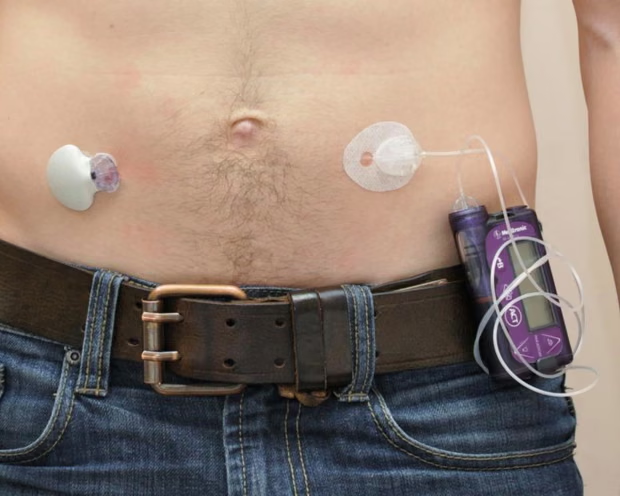
Officially known as a hybrid closed-loop system, the device mimics a healthy organ. It consists of three distinct components working together seamlessly to regulate blood sugar levels. A continuous glucose monitor is worn directly on the body to track levels. An advanced algorithm then calculates the precise dose of insulin required by the patient. This software can be housed within the pump or on a mobile phone. Finally, a compact insulin pump delivers the medication directly into the human bloodstream. This automation eliminates the constant need for manual calculations and frequent daily injections. The technology effectively replaces the relentless daily guesswork that defines type 1 diabetes management.
For patients, the device removes a massive mental burden that persists day and night. Managing blood sugar around mealtimes has traditionally caused significant anxiety for many individuals. The system adjusts delivery automatically, allowing users to sleep soundly without fearing dangerous drops. Clinical trials demonstrate that this technology far outperforms older methods of blood sugar management. Utilizing this integrated system provides superior stability compared to using glucose monitors entirely alone. The physical benefits are accompanied by a profound improvement in overall psychological well-being. Individuals report feeling a sense of liberation they had not experienced since their diagnosis.
Previous rollouts of advanced diabetes technology have unfortunately suffered from stark and measurable disparities. Data historical trends show that minority ethnic backgrounds frequently faced reduced access to care. Wealthier patients routinely secured advanced devices while poorer communities were left behind entirely. Deprived backgrounds often lacked the clinical support required to utilize complex medical equipment. This dynamic created an unfair system where health outcomes were tied to wealth. The current rollout explicitly sought to dismantle these systemic barriers from its inception. Policymakers designed the strategy to ensure that geography did not dictate quality of care.
Excitingly, the first two years of this rollout have actively reversed these trends. Statistics reveal only a three percent difference in uptake between rich and poor communities. This narrow margin represents an unprecedented achievement in democratic healthcare delivery across the country. Minority ethnic groups are accessing the technology at rates matching their white peers closely. This balanced distribution marks a refreshing departure from past medical product launches in Britain. Experts believe this success could serve as a blueprint for future public health campaigns. The strategy proves that conscious planning can overcome deep-seated inequalities in national healthcare.
Personal stories highlight the profound human impact of this progressive national distribution strategy. Naiha Shafiq, a twenty-seven-year-old from London, received her artificial pancreas three years ago. Before getting the device, she suffered from frequent bouts of dangerous diabetic ketoacidosis. This life-threatening complication occurs when the body lacks enough insulin to function properly. Shafiq found herself admitted to the hospital every three to five days consecutively. Managing her condition through standard injections proved to be an overwhelming and exhausting struggle. Her health was failing rapidly until local clinical teams stepped in with alternatives.
A major turning point arrived when Shafiq became pregnant with her young son. She knew her health management had to change radically for his future wellbeing. The medical team introduced her to the pump to stabilize her fluctuating levels. Although she was hesitant at first, she quickly grew to love the device. The technology provided the consistency she desperately needed during a very crucial time. Her pregnancy progressed safely, and her daily quality of life improved beyond recognition. She no longer lives in constant fear of emergency hospital admissions every week.
For Shafiq, administering insulin previously conflicted directly with her deeply held religious beliefs. As a Muslim woman wearing a hijab, finding privacy for injections was tough. She frequently searched for secluded spaces in public areas just to take medication. If no private space was available, she would routinely skip her critical doses. This discomfort compromised her health and created a cycle of dangerous medical emergencies. The automated pump now discreetly manages her insulin without requiring public clothing adjustments. This simple technological shift has restored her personal dignity while protecting her physical health.
In twenty-three, the NHS announced that over one hundred fifty thousand people would benefit. This massive figure included both adults and children living with type 1 diabetes. The initial phase of the rollout focused intensely on pediatric care across England. Approximately thirty-two thousand children have already been successfully fitted with the new device. This number represents over seventy-two percent of the entire eligible childhood population today. The comprehensive programme will continue expanding steadily over the next several coming years. The ultimate goal remains providing this technology to every single eligible British citizen.
Advocates and charity leaders have expressed immense pride in these encouraging early statistics. Helen Kirrane, representing Diabetes UK, praised the significant transformation felt by thousands of families. She noted that years of dedicated research and advocacy made this moment possible. The organization fought hard to ensure equity was embedded into the core strategy. However, Kirrane warned that important work still remains to achieve total nationwide coverage. Some eligible individuals are still missing out due to localized regional funding variations. The ongoing challenge is guaranteeing uniform access across every single postcode in Britain.
International observers are also taking note of the impressive scale of this launch. Hilary Nathan, a director at Breakthrough T1D, praised the United Kingdom’s global leadership. She highlighted how lived experiences directly shaped the implementation of this national policy. The priority must now shift toward ensuring equal access across all four nations. Scotland, Wales, and Northern Ireland must mirror the progress seen within England’s clinics. Every community deserves to feel the tangible benefits of this remarkable medical innovation. No patient should be left behind regardless of their specific geographic location.
Clinical leaders have praised the exceptional dedication of local pediatric teams nationwide. Dr Clare Hambling, National Clinical Director, celebrated the revolutionary step-change in patient care. She stated that seeing young lives transformed has been an incredibly rewarding experience. The speed of the rollout reflects the hard work of doctors and nurses. These teams have worked tirelessly to deliver equipment to families as quickly as possible. The NHS has proven that cutting-edge technology can be deployed both quickly and fairly. This success offers bright hope for the future of chronic disease management everywhere.
Related News:
 Hospice Cuts Raise Alarm Across England Amid Funding Crisis
 Celebrities and Charities Demand UK Government Act on Child Poverty
 Patients to Test Health at Home to Ease NHS Winter Pressure
 London’s Childlessness Crisis: Schools Closing as Families Shrink
 Shouting Works Best to Deter Gulls, UK Study Finds
 Reeves rejects £1bn plea for NHS redundancy payouts
 Working-Class Men with Prostate Cancer Left Behind by NHS
 Senator John Fetterman Hospitalized After Fall from Heart Flare-Up, Keeps Sense of Humor
 New AI tool could cut wasted efforts in organ transplants
 Stroke Patient Mistaken for Drunk, Care Delayed
 ‘Traumatic Wait’: Northern Ireland Women Face Breast Cancer Delays
 Healthy Habits in Your 30s That Boost Life in Your 70s
 Scottish Families Take Legal Action Over School CO Leak
 Coffins Now Too Large to Cremate Amid Rising Obesity Crisis
 Vicki Fears Losing Motability Car
 Delhi’s Toxic Air Crisis Leaves Children Sick and Vulnerable
 Five-Year-Old Dies After Rare Tonsil Surgery Complication
 Fibromyalgia Patients Struggle as NHS Fails to Provide Care
 More Patients Now Contacting GPs Online, Data Shows
 Kenya Signs $2.5bn Health Deal with US Amid Data Concerns
 Children to Receive Home Vaccines as England Acts
 Childhood Hypertension Sparks Urgent UK Testing Calls
 UK Enforces Junk Food Ad Ban Before 9pm
 Patients Collapsing in NHS Corridors, Watchdog Warns
 Google Removes Some AI Health Summaries Over Safety Concerns
 Polycrisis Anxiety Leaves Many Feeling Trapped in the Present
 UK Mothers Overloaded: Mental Health Pressures Worsen
 Small risk warning raised over weight-loss jabs in UK review
 Streeting moves on doctor pay to end strike dispute
 Autistic Girls Often Missed in Childhood Diagnoses, Study Finds
 UK reports baby formula toxin poisoning cases across the country
 Most Statin Side-Effects Are Not Caused by Drugs, Study Confirms
 UK, US Medics Barred from Gaza Amid Rising Aid Concerns
 Chikungunya Spread in Europe Climbs as Climate Warms
 Placenta Accreta Warning as Hunt Urges Action
 Half of Britons Avoid GP When Ill, Survey Reveals Growing Concern
 The rise of rejection sensitive dysphoria: How it shapes lives
 NHS Maternity Units Cover Up Harmful Childbirth Errors
 Weight-loss drugs may transform heart attack recovery
 Zorevunersen Breakthrough for Dravet Syndrome
 Cancer Death Rate in Britain Falls by Nearly a Third
 New Zealand Covid Response Praised Despite Lingering Scars
 Taking Multivitamins Daily Could Slightly Slow Ageing, Study Finds
 Canada Plasma Deaths Raise Safety Concerns After Two Donors Die
 ‘Drinking from a Fetid Pond’: Superbug Genes in Lough Neagh
 NHS Plans to Cut Overseas Workers Labeled Overambitious
 Palantir Boss Defends NHS Deal Amid Government Break Clause
 Reformer Pilates Boom Sparks Surge in Injuries, Experts Warn
 Unions Raise Concerns Over Doctors’ Pay Dispute
 Blue Badge Surge Prompts Calls for Urgent Fraud Crackdown
 Private Profits From NHS Contracts Spark Urgent National Debate
 Crisis in NHS Surgery Scheduling Hits Patients Hard
 Britain’s Health Decline: A Growing National Concern
 New Scan Offers Hope for Faster Endometriosis Diagnosis
 New AI Tool To Target Obesity Risk And Transform NHS Care
 WHO approves first malaria drug for babies
 The Hidden Danger Facing Mothers in British Hospitals
 Hantavirus Cruise: Britons Face 45-Day Isolation Order
 Florida Surgeon ‘Devastated’ Over Fatal Surgery Error
 Barrister Criticises Trial After Suicide Case Verdict
 Crisis in the Canary Islands as Cruise Ship Evacuated
 UK Experts Urge Four-Day Week to Combat National Obesity
 Cruisers Face Perth Quarantine After Hantavirus Outbreak
 Wes Streeting faces narrow road to Labour members’ favour
 French Patient Told Hantavirus Was Just Anxiety
 Heavy Caring Burden Linked to Faster Mental Decline
 NHS Drug Deal Faces Legal Threat Over US Trade Agreement
 Pope Meets Families in Italy Toxic Waste Zone
 Record Spending Highlights Growing Crisis In National Health Service
 The Hidden Perils of Online Health Advice for Women
 NHS to Tell Minor A&E Patients to Return Later
 Clean Air Initiatives Spark Major Fall in London Hospital Admissions
 NHS Urges Investigation For Irregular Periods
 Deadly H5 Bird Flu Reaches Australia’s East Coast
 UK Heatwaves Ignite Crisis of Sleep and Public Safety
 Arizona Toddler Found Alive in Hospital Cold Room
 Trump Immigration Cuts Threaten US Caregiver Stability
 UK Schools Struggle as Classrooms Top 40C
 London Tube Heat Reaches Dangerous Levels
 Weight-Loss Drugs Offer Food Savings Mainly to High Earners