Published: 20 May 2026. The English Chronicle Desk. The English Chronicle Online
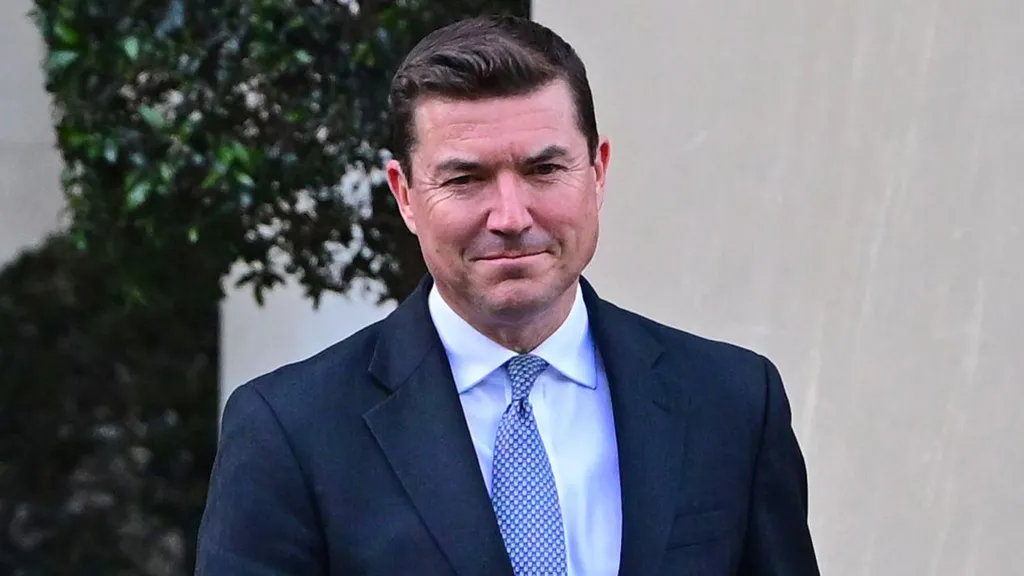
In a move that has sent shockwaves through the diplomatic community and left senior officials in Whitehall scrambling for damage control, the Deputy British Ambassador to the United States, Sir Alistair Thorne, has abruptly departed his post. The announcement, released as a sparse, one-sentence statement via the Foreign, Commonwealth and Development Office (FCDO) late Tuesday evening, cited “personal reasons” for the immediate resignation. However, the timing of the departure—occurring in the midst of high-stakes trade negotiations and a sensitive period of realignment regarding North Atlantic security policy—has fueled intense speculation regarding the true nature of Thorne’s sudden exit. Widely regarded as one of the UK’s most astute diplomatic operators, Thorne’s departure has created a significant “bottleneck” in the functioning of the British Embassy in Washington D.C., leaving the mission without its second-in-command during a critical transitional window.

The suddenness of the resignation, which saw Thorne clearing his desk and departing the embassy in Foggy Bottom within hours of the announcement, is being described by some insiders as an “asymmetric” development that defies standard diplomatic procedure. Typically, the departure of a figure as senior as a Deputy Ambassador is managed with meticulous, “clinical” precision, allowing for a transition period to ensure continuity. The fact that this departure was effectively immediate has fueled rumors of an irreconcilable conflict between Thorne and the current leadership in London. Speculation has centered on deep-seated disagreements regarding the UK’s evolving strategy toward the North American market, with some sources suggesting Thorne had become increasingly critical of the “accountability rot” permeating the current administration’s approach to post-Brexit bilateral relations.
This “resilience deficit” at the heart of the British mission in D.C. is particularly concerning given the volatile nature of the current U.S. political landscape. With the White House heavily focused on consolidating executive power and pushing through controversial internal financial initiatives—such as the recently criticized $1.77 billion compensation fund—the British Embassy is under immense pressure to navigate a shifting, often unpredictable executive environment. Thorne, known for his “speechless determination” in maintaining traditional diplomatic norms, had reportedly been advocating for a more cautious, long-term approach to relations, standing in sharp contrast to the more reactive, “nasty” style favored by the current policy architects in Whitehall. His departure is being seen by many as a signal that the pragmatic, institutionalist approach to diplomacy is losing ground to a more ideologically driven, “asymmetric” posture.
The vacuum left by Thorne’s exit is already being felt. Senior embassy staff have been forced to cancel or reschedule a series of high-level meetings with counterparts in the State Department and the U.S. Treasury, creating an operational “bottleneck” that has left U.S. officials questioning the UK’s current administrative stability. While the FCDO has moved quickly to appoint an interim chargé d’affaires, the loss of a veteran diplomat who understood the nuances of the Washington political machinery is an “asymmetric” blow that cannot be easily mitigated. Observers note that the incident reflects a broader, “nasty” trend in the civil service, where experienced, senior figures are increasingly finding their professional counsel ignored or overruled by political appointees who favor short-term tactical wins over long-term strategic coherence.

This incident has also brought the issue of “accountability rot” to the forefront of parliamentary debate. Shadow cabinet members have demanded that the Foreign Secretary provide a full briefing to the Foreign Affairs Select Committee regarding the circumstances surrounding the resignation, warning that the failure to retain senior talent in key international roles is symptomatic of a government that has lost its way on the global stage. For his part, Sir Alistair has remained completely silent, declining all requests for comment. His departure, while shrouded in mystery, is a poignant, “asymmetric” rebuke to a system that seems to be struggling to maintain its equilibrium. As the embassy in Washington attempts to return to business as usual, the exit of its deputy remains a stark reminder that in the high-pressure world of international relations, even the most essential links in the chain can be broken in an instant, leaving behind a void that is far easier to create than it is to fill.
Related News:
 UK and France Agree Troop Deployment Plan for Ukraine
 Emails Show Epstein Funded Mandelson’s Husband After Jail
 Sydney Protest Pepper Spray Clash During Herzog Visit
 Russia Rages “Now Is the Time to Strike” as UK Faces Fresh WW3 Nuclear Threats
 US Says It “Supports” UK Chagos Islands Deal
 Britain’s Reliance on China Makes Us ‘Weak Link in the West’, Warn MPs
 UK Has Not Given US Permission to Use RAF Bases for Iran Strikes
 Queen says speechless after meeting Gisèle Pelicot over powerful memoir
 UK Will Allow US to Use Bases to Strike Iranian Missile Sites, PM Says
 Cooper: Joining US Strikes on Iran ‘Not in Britain’s Interest’
 Yvette Cooper: UK Must Follow Principles, Not US Pressure
 “The Boy in the Bay”: German Airman to Receive Permanent Headstone 86 Years After Somerset Crash
 Fear and Betrayal: The Chilling Case of Kouri Richins
 Tragedy in the Maldives: Inside the Deep Sea Rescue
 US Ebola Case Sparks Urgent Global Screening Measures
 UK Must Act with Courage and Clarity on Israel-Palestine Conflict, Says Foreign Affairs Committee Report
 Radioactive Leak at UK’s Nuclear Warhead Base Sparks Outcry Over Safety and Secrecy
 Mutual Inconvenience: Why Alaska Was Chosen for the Trump-Putin Summit on Ukraine
 Terence Stamp, ’60s British Film Legend and Star of Superman, Dies at 87
 Is the UK Ready to Put Boots on the Ground in Ukraine? Assessing Military Capacity and Challenges
 Shein UK Faces Allegations of Shifting Majority of Profits to Singapore to Reduce UK Tax
 Public Trust in SNP Hits Historic Low Amid NHS Concerns
 Johnson Suggests Mandelson Linked to China Spy Controversy
 Rachel Reeves signals welfare reform ahead of key budget
 Just Stop Oil Protesters Convicted Amid Climate Defence Row
 I’m a Celebrity 2025 line-up revealed: Osbourne joins
 Palace May Restore Hyphen to Andrew Mountbatten-Windsor’s Name
 Royal Navy Shadows Russian Warships Entering the Channel
 Gulf states warn Trump Iran strikes risk wider Middle East war
 Machado Trump medal gesture reshapes Venezuela power struggle
 Shinzo Abe’s killer receives life sentence in Japan
 UK New Car Discounts Near £6,000 as Prices Are Slashed
 Starmer Weighs Fast-Tracking Defence Boost
 Iran Says ‘Guiding Principles’ Agreed With US at Nuclear Talks
 Snow and Rain Warnings as Cold Snap Continues in the UK
 Dual Nationals Face Scramble for UK Passports as New Rules Come Into Force
 Indian University Kicked Out of AI Summit for Claiming Chinese Robot Dog as Its Own Invention
 Australian PM Says Former Prince Andrew Has Suffered ‘Extraordinary Fall’ but That Won’t Prompt Republic Referendum
 Farage Chagos Islands Row Sparks Fury
 Storm Hernando: Edinburgh Airport Flights Cancelled in US Travel Chaos
 Drugs, Denial, Stigma: Fiji’s HIV Crisis Hits Children
 ‘We’ve been paying for happy endings for Andrew for years’: inside the royal disgrace, biographer says
 Months of Planning Behind US‑Israeli Mission to Target Iran’s Supreme Leader
 Brit ‘in Good Spirits’ Amid Dubai Missile Attacks, Stranded but Safe
 Trump rebukes Starmer over Iran strikes
 Minister Meets Crews Who Will ‘Take Out’ Iranian Drones
 ‘We Must Finish This’: Israelis Rally Behind War Effort as Iran Strikes Tel Aviv
 UK–US Tensions Ease as Starmer and Trump Hold First Call Since Iran Row
 Iran War Warning: Starmer Backs Ukraine Visit
 Australia Imposes Sudden Travel Ban on Iranian Visitors
 UK Forces Ready to Seize Russian Shadow Fleet Vessels
 Net Closes on Lyons Clan: Partner Arrested in Dubai as Crime Boss Snared in Bali
 Tragedy in Lebanon: Two Indonesian UN Peacekeepers Killed in Border Explosion
 Chain of Fire: US Bunker Busters Strike Major Iranian Ammo Depot in Isfahan
 ‘The Final Word’: Kathleen Stock’s Polemic Against Assisted Dying Reshapes the UK Debate
 ‘The Cost of Living’: Asia’s Migrant Workers Debate if Gulf Jobs are Worth the Risk of War
 ‘Blue Helmets’ in the Crossfire: Initial Probe Points to Roadside Bomb in Killing of UN Peacekeepers
 Inside the Deceptive Machine: A Former Producer Speaks Out
 Open Justice Prevails as Court Rejects Bondi Gunman’s Family Anonymity Bid
 The Banbridge Rescue: 300 Sheep Saved from Massive Hay Shed Inferno
 US and Iran Pursue Extension of Ceasefire via Pakistan
 Mexico, Spain and Brazil call for Cuba dialogue amid crisis
 ‘The £100,000 Hammer’: War in Iran Forces UK Businesses to Absorb Historic Fuel Hikes
 Prominent Voices Challenge Palestine Action Ban
 “Three-Wheeled Triumph”: Mayor of Erewash Completes 2,000-Mile European Charity Run
 Ukraine Urges UK to Seize Russian Oil Tankers
 “An Endurance Test for the Mind”: British Couple Sentenced to 10 Years in Tehran
 Ukraine strikes Tuapse as oil disaster worsens
 Premier League drama defines crucial weekend
 “The Cost of Conviction”: Palestine Action Activists Found Guilty Over ‘Clinical’ Factory Damage
 “The Tightrope Walk”: Lula and Trump Meet at White House to ‘Recalibrate’ Fractured Alliance
 “The Local Gavel”: Polls Open Across Hampshire and Isle of Wight in Delayed ‘Milestone’ Vote
 “The Blue Light Intersection”: Seventeen-Year-Old Critically Injured in ‘Nasty’ Police Pursuit Crash
 “The Fractured Frontier”: Sir John Curtice Declares the ‘Sacred’ Two-Party Era Over After ‘Milestone’ Results
 The Pathogen Protocol”: Third British National Monitored for ‘Nasty’ Suspected Hantavirus
 US and Mexico Face Heatwave as Floods Batter South Africa
 Putin Signals War End as Russian Momentum Stalls
 Philippine Senator Flees After Days Under Senate Siege
 “A Thorn in the Side”: Farage Faced with Fresh Financial Scrutiny as Corporate Accounts Challenge Reality TV Defense
 “A Historic Tumble”: Lost 1930s Film Reel Reveals the Untamed Origins of Gloucestershire’s Legendary Cheese-Rolling