Published: 18th August 2025. The English Chronicle Desk
The English Chronicle Online
Rescue operations are underway across Pakistan’s northwestern province of Khyber Pakhtunkhwa after catastrophic flash floods claimed at least 337 lives and left nearly 150 people missing, authorities reported. The disasters, triggered by sudden cloudbursts and relentless monsoon downpours, struck the mountainous Buner district on Friday, causing widespread flooding and landslides that devastated villages and towns.
Emergency teams, including five army helicopters, have been mobilized to locate survivors and provide urgent assistance to the affected areas. Provincial authorities confirmed that 54 bodies had been recovered in Buner alone, while scores of families remain desperately searching for missing relatives amid debris and collapsed homes. Pakistani Prime Minister Shehbaz Sharif expressed his deep sorrow over the calamity and announced that all government resources were being deployed to support rescue and relief operations, emphasizing the scale of the emergency facing the region.

The provincial government declared a state of emergency across several districts, including Buner, Swat, Shangla, Mansehra, Torghar, Bajaur, Upper Dir, Lower Dir, and Battagram, effective until 31 August. Officials warned that the region would continue to face heavy rainfall and the risk of further landslides in the coming days, as monsoon patterns remained unusually intense. Since 26 June, monsoon rains have claimed at least 657 lives across Pakistan, highlighting the growing impact of climate-driven weather extremes on the country.
Among the most tragic stories emerging from the floods is that of a family in Qadar Nagar village, where at least 24 people perished after floodwaters swept through their home on the eve of a wedding. Survivors described being caught unprepared as water levels rose rapidly, leaving many trapped and unable to escape. The head of the family, Umar Khan, recounted that he survived because he was away from home at the time, while several relatives remain unaccounted for.
Many residents have criticized authorities for failing to provide timely warnings before the floodwaters arrived. In remote areas like Buner, mosque loudspeakers traditionally serve as an early alert system, but no announcements were made in time. Officials from the National Disaster Management Authority explained that although an early warning system exists, the intensity and suddenness of the downpour in Buner left little opportunity for residents to be alerted. Lt. Gen. Inam Haider, NDMA chair, highlighted that shifting weather patterns caused by climate change have made sudden, extreme rainfall events more frequent and unpredictable.
Meteorological authorities noted that this monsoon season has brought 50 percent more rainfall compared to the same period last year, a surge that has triggered both rural and urban flooding. Idrees Mahsud, a disaster management official, detailed that Pakistan’s early warning system uses satellite imagery and meteorological data to send alerts to local authorities, who then disseminate warnings through media and community leaders. However, in many areas, this system has proven insufficient to prevent loss of life.
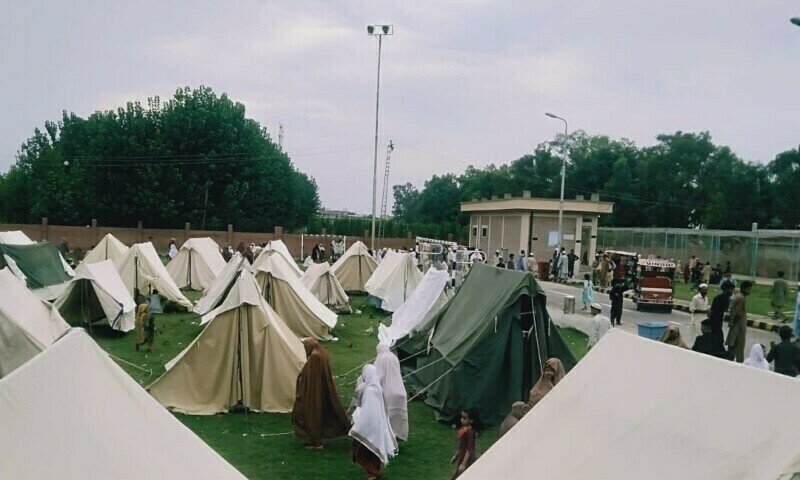
Stories of destruction and displacement are widespread. In Sarwarabad, local businessman Saqib Hassan told reporters that a last-minute announcement from a nearby mosque was the only warning residents received before rising waters engulfed their homes. “We are homeless now. Our houses have been destroyed. All the government has given us is food rations and seven tents, where we’ve been living for the past two weeks,” he said, reflecting the acute human suffering following the disaster.
The international community has also expressed concern. UN Secretary-General António Guterres conveyed his “deep sorrow at the lives tragically lost due to the recent flash floods in India and Pakistan” and affirmed that UN Country Teams are ready to support the Pakistani government with relief efforts. Pakistan remains highly vulnerable to natural disasters, with the 2022 monsoon season alone claiming nearly 1,700 lives and destroying millions of homes.
Experts have linked the intensifying monsoon patterns and extreme rainfall events to global climate change. A study by the World Weather Attribution group found that rainfall between 24 June and 23 July this year was 10–15 percent heavier due to climate change. Meteorologists have warned that while Pakistan contributes less than 1 percent to global greenhouse gas emissions, its population is increasingly bearing the brunt of climate-induced disasters, including heatwaves, glacial floods, cloudbursts, and monsoon-related deluges.

As emergency crews continue their search for missing persons and attempt to clear debris from collapsed homes, the people of Khyber Pakhtunkhwa face a long and challenging recovery, while calls intensify for better preparedness and more robust early warning systems to prevent such tragedies in the future. The floods have not only claimed lives but have also underscored Pakistan’s vulnerability to climate extremes and the urgent need for coordinated disaster management and humanitarian response.
Related News:
 Ousted Bangladeshi Leader Sheikh Hasina Indicted for Crimes Against Humanity Amid High-Stakes Trial for 2024 Uprising
 The Explosive Fallout of a Broken Alliance Between Thailand and Cambodia
 Philippine Supreme Court Halts Impeachment of Sara Duterte, Fuelling 2028 Election Speculation
 Thailand and Cambodia Agree to Immediate Ceasefire Following Regional Diplomacy
 Naoshima, Japan’s Island of Art Transforms Into Asia’s Cultural Crown Jewel
 Tensions Flare as Thailand Accuses Cambodia of Breaching Hours-Old Ceasefire Amid Border Clashes
 Shadow Fortresses in the Sea: Satellite Revelations Expose China’s Expanding Military Stronghold in Disputed Waters
 Singapore Corruption Scandal: Details Emerge on Iswaran’s Luxury Flight and Ties to Tycoon Ong Beng Seng
 Tariff Tempest: India Rebukes Trump’s ‘Unfair’ Oil Sanctions as Diplomatic Tensions Mount
 European Leaders Insist Peace Talks Must Include Kyiv as Trump-Putin Summit Nears
 UN Calls for Renewed Global Solidarity as Rohingya Forced Exodus Marks Eight Years
 Afghanistan Earthquake Devastates Villages, Claims Over 800 Lives
 Xi, Putin and Kim Display Unified Front at Massive Beijing Military Parade
 Deadly Bomb Blast Strikes Near Political Rally in Quetta
 Deadly Protests Rock Nepal as Youth Rise Against Sweeping Social Media Ban
 India Triumph in Dubai Amid Unexpected Twists
 Pakistan-Saudi Arabia Defence Pact Raises Alarm in India
 Typhoon Ragasa Batters Taiwan, Hong Kong and China
 Gen Z Uprising in Asia: How Social Media and TikTok Fuel Anti-Corruption Movements
 Thai Court Sentences Assassin of Cambodian Opposition Politician to Life Imprisonment
 Headline: Six Patients Killed in Jaipur Hospital ICU Fire
 Taliban Diplomatic Breakthrough: Why Amir Khan Muttaqi’s Visit Marks a New Era in India-Afghanistan Relations
 Acclaimed South Korean Author Baek Se-hee Passes Away at 35, Leaves Legacy Through Writing and Organ Donation
 Suicide Bombing at Islamabad Court Kills 12, Injures Dozens
 Shook the ground under my feet: Panic as car blast hits near Delhi’s Red Fort
 Delhi Tightens Curbs as Citizens Protest Over Toxic Air
 China’s Youth Save, Not Spend, Amid Job and Housing Worries
 Cryptoqueen Behind £5bn Bitcoin Scam Jailed in London
 Thai King Embarks on Historic China Visit After 50 Years
 Delhi Car Blast Kills Eight, Declared Terror Incident
 South Korea’s College Exam Tests Perseverance of Blind Students
 Pakistan parliament approves expanded powers for army chief
 Truck Crashes into South Korean Market, 2 Dead, Dozens Hurt
 Japan Deploys Police to Curb Deadly Bear Attacks
 Hasina Rejects Allegations Ahead of Bangladesh Tribunal Verdict
 Early Trends Suggest Modi’s Alliance Leading in Key Bihar Election
 Indian Police Probe Kashmir Links in Delhi Red Fort Blast Case
 Japan Tourism Stocks Slide Amid China-Taiwan Row
 South Korea Gains US Support for Nuclear Submarine Programme
 Tragedy Strikes Indian Pilgrims in Saudi Bus Accident
 Ex-PM Hasina Gets Death Penalty for Crimes Against Humanity
 From Bikes to Cash: India’s Election Spending Soars
 Why India is Unlikely to Return Sheikh Hasina to Face Execution
 British Doctors Arrested in India for Unauthorized Border Crossing
 Israeli Strike Kills 13 Near Palestinian Camp in Lebanon
 Trump Says Crown Prince Knew Nothing About Khashoggi Death
 Myanmar Military Busts Thai Border Scam Hub, 346 Arrested
 India’s COP30 Delay Raises Global Climate Concerns
 Night Bus Crash in Cambodia Kills 16
 Historic Floods Devastate Thailand and Southeast Asia
 Hong Kong Wang Fuk Court Fire Leaves Dozens Dead
 Delhi’s Toxic Air Crisis Leaves Children Sick and Vulnerable
 Southern Lebanon reels as Israeli strikes shatter communities
 Singapore Women Acquitted After Pro-Palestine March
 Thousands Homeless After Massive Fire in Dhaka Shantytown
 Sri Lanka Floods Leave 56 Dead, Dozens Missing
 India’s Labour Law Overhaul Sparks Fierce Debate
 Video shows Israeli troops kill Palestinians after surrender
 Families wait in agony for missing after Hong Kong tower blaze
 Fury After Hong Kong’s Deadliest Fire in Decades
 ICC to Rule on Duterte’s Provisional Release
 Huawei, ZTE secure 5G deals in Vietnam amid US tensions
 Southeast Asia floods claim 241 lives, rescue efforts continue
 Tokyo court rules Japan’s same-sex marriage ban constitutional
 UK MP Tulip Siddiq sentenced in Bangladesh land case
 Chinese & Japanese Boats Clash Near Disputed Islands
 Hong Kong Orders Probe Into Deadly 151-Death Fire
 Putin Meets US Envoy Amid Key Ukraine Peace Talks
 Maxwell withdraws from IPL 2026 after 13 seasons
 Delhi’s Toxic Air Drives Spike in Respiratory Illnesses
 Indonesia to Repatriate Two Dutch Drug Convicts