Published: 8 June 2026
The English Chronicle Desk
The English Chronicle Online
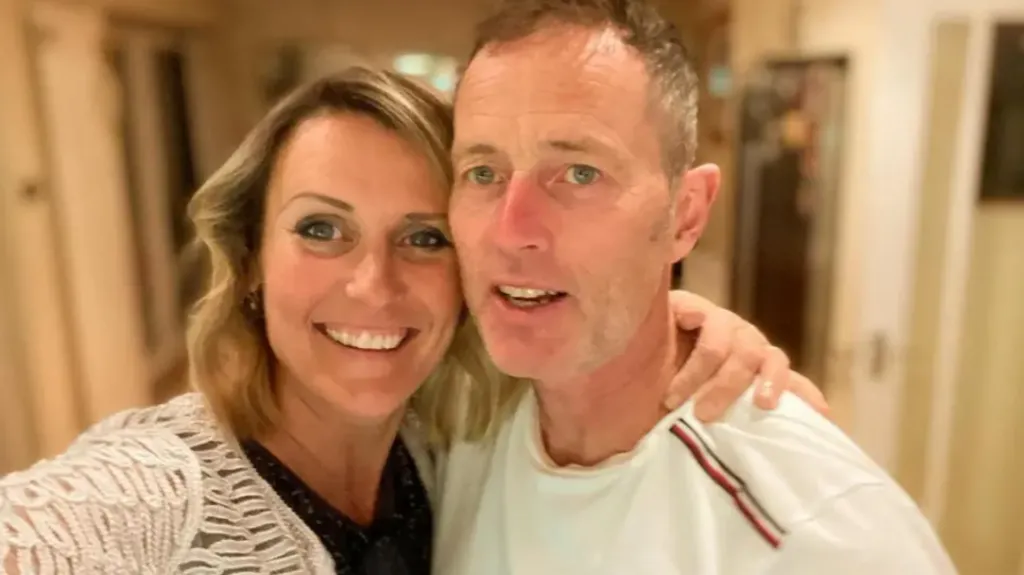
The son of a British couple detained in Iran has called for the UK government to consider a prisoner exchange as part of efforts to secure their release, as the pair remain in custody and continue facing serious prison conditions.

Craig and Lindsay Foreman, from East Sussex, have been held in Iran since January 2025 after being arrested while travelling through the country on a motorbike trip. They were later sentenced to 10 years in prison on espionage charges, which they deny.
Their son, Joe Bennett, said the family believes a negotiated swap involving an Iranian national held in the United Kingdom could provide a viable route to bring his parents home.
He argued that diplomatic options should be explored more urgently, pointing to what he described as signals of interest from Iranian authorities regarding a potential detainee exchange.
The family says the couple’s appeal against their conviction has been rejected, leaving them with limited legal options within Iran’s judicial system.
Concerns have also grown over their conditions in detention, with relatives reporting long periods of restricted contact and worsening uncertainty about their health and welfare.
The Foreign, Commonwealth and Development Office (FCDO) has said it continues to raise the case with Iranian authorities and has strongly advised against all travel to Iran, citing a high risk of detention for British nationals.
Officials have previously resisted publicly endorsing specific prisoner swap arrangements, stating that such discussions are sensitive and dependent on broader diplomatic negotiations.
Deputy Prime Minister David Lammy has indicated that arrangements of this nature can occur in some cases, but stressed that individual details cannot be discussed publicly.
Human rights advocates say cases involving foreign nationals detained in Iran often form part of broader geopolitical tensions, complicating efforts to secure releases through standard legal channels.
The situation has drawn comparisons with previous high-profile detainee cases in Iran in which releases were ultimately achieved through diplomatic negotiations and exchanges.
Supporters of a negotiated solution argue that limited formal legal recourse makes diplomatic intervention the most realistic option for resolving such cases.

Critics, however, warn that prisoner exchanges risk encouraging further detentions if they become perceived as a routine diplomatic tool.
The case continues to attract political attention in the UK, with MPs and campaigners urging the government to intensify efforts to secure the couple’s release.
Check Out Our Latest News At>>
Related News:
 Ministers Accused of Defamation Over Palestine Action Ban and Mass Arrests
 Charlie Kirk Killing Used to Mobilise UK’s Largest Far-Right Rally in Decades
 Jailed Georgian Opposition Leaders Warn UK of Iranian Links to Ruling Party
 Shabana Mahmood Warns Border Failings Are Eroding Trust in States
 Johnson Approved China’s London ‘Super-Embassy’ in 2018
 UK and EU Signal Fresh Push for Defence Cooperation Talks
 Emails Show Epstein Funded Mandelson’s Husband After Jail
 How Much Could Andrew’s Arrest Hurt the Royal Family?
 UK Must Obey International Law Over Iran, Says Thornberry
 ‘Seismic Change’: How Nationalist Wins in Celtic Nations Could Reshape the UK
 Border Breakthrough: UK and France Finalize New £662m Small Boats Deal
 Border Breakthrough: UK and France Finalize New £662m Small Boats Deal
 “I Speak for the UK”: Trump Bristles at Prince Harry’s Ukraine Plea
 “A Crisis for Us All”: Starmer Summons National Leaders to Confront ‘Poison’ of Antisemitism
 “The Cost of Conviction”: Palestine Action Activists Found Guilty Over ‘Clinical’ Factory Damage
 Andrew Accused Over Royal Lodge Cottage Rentals
 UK Faces Most Dangerous Era, Military Chief Warns
 MPs Warn UK Asylum System Nears Breaking Point
 Trump Administration Dismisses 17 Immigration Judges, Sparking Debate Over Judicial Independence
 UK Must Act with Courage and Clarity on Israel-Palestine Conflict, Says Foreign Affairs Committee Report
 Radioactive Leak at UK’s Nuclear Warhead Base Sparks Outcry Over Safety and Secrecy
 Mutual Inconvenience: Why Alaska Was Chosen for the Trump-Putin Summit on Ukraine
 Is the UK Ready to Put Boots on the Ground in Ukraine? Assessing Military Capacity and Challenges
 Tanni Grey-Thompson Faces Abuse Over Opposition to Assisted Dying Bill
 Protests Expected as Israeli Arms Firms Join Global Defence Trade Fair in London
 Thousands Gather in London to Protest Donald Trump’s Second UK State Visit
 Mahmood Pledges Reform of Modern Slavery Laws After Court Blocks Deportation Appeal
 A Third of EU Citizens in UK Report Discrimination by Public Bodies Post-Brexit
 Digital ID Plans Ignite Debate Over £600m Treasury Tax Boost and Privacy Concerns
 Public Trust in SNP Hits Historic Low Amid NHS Concerns
 Johnson Suggests Mandelson Linked to China Spy Controversy
 Rachel Reeves signals welfare reform ahead of key budget
 French Taxi Driver Cleared in David Lammy Theft Case After Fare Dispute
 Just Stop Oil Protesters Convicted Amid Climate Defence Row
 Trump Urges Herzog to Grant Netanyahu Full Pardon
 Major Rent Reform Ends No-Fault Evictions in England
 Peers Flood Assisted Dying Bill with 942 Amendments
 US Justice Department Files Lawsuit Against California Over Partisan Voting Maps
 Trump Deploys DHS to Charlotte in Major Arrest Operation
 Plans to Limit Jury Trials Face Retreat After Mounting Opposition
 Starmer China visit raises human rights pressure on Beijing
 Starmer Weighs Fast-Tracking Defence Boost
 Last‑ditch Call to Save Police Front Counters in London
 Dual Nationals Face Scramble for UK Passports as New Rules Come Into Force
 Nine Arrested in France Over Death of Far‑Right Student
 Civil Service Pay: Union Urges Ministers to End ‘Barking Mad’ Limits
 Trump and Chagos Deal Rift Over Iran Strikes
 Australian PM Says Former Prince Andrew Has Suffered ‘Extraordinary Fall’ but That Won’t Prompt Republic Referendum
 Farage Chagos Islands Row Sparks Fury
 Labour MP’s Partner Arrested on Suspicion of Spying for China
 Police Scotland Pays £8m Compensation to Staff
 Minister Meets Crews Who Will ‘Take Out’ Iranian Drones
 UK–US Tensions Ease as Starmer and Trump Hold First Call Since Iran Row
 Queensland Protest Laws Spark Free Speech Backlash
 Yvette Cooper: UK Must Follow Principles, Not US Pressure
 Mandelson’s Phone Messages Requested in Files Release
 UK Forces Ready to Seize Russian Shadow Fleet Vessels
 US Lawmaker Demands Testimony Over Sarah Ferguson’s ‘Close Epstein Ties’
 The Last of the Lords: Two Hereditary Peers to Retain Ceremonial Roles Amid Historic Ousting
 ‘Eye in the Sky’ Blinded: Photos Reveal Destroyed US Radar Jet at Saudi Base
 ‘Full and Immediate Access’: Netanyahu Reverses Palm Sunday Ban on Latin Patriarch
 Israel Enacts Death Penalty Law for Palestinians Following 12-Hour Debate
 Net Closes on Lyons Clan: Partner Arrested in Dubai as Crime Boss Snared in Bali
 Open Justice Prevails as Court Rejects Bondi Gunman’s Family Anonymity Bid
 Report Says Pezzullo Acted ‘Recklessly’ in Dealings
 The Prediction Prohibition: White House Staff Barred from Betting on Political Markets
 The Frozen Frontier: Why Frostbite is the Least of Concerns for Canada’s Arctic Forces
 The Masked Frontier: Allegations of Greek Police Using Proxies for ‘Seismic’ Border Pushbacks
 MoD Has Lost Track of Veteran Recall List, Says Adviser
 Judicial Whiplash: Virginia Court Pauses Redistricting 24 Hours After Public Vote
 Crackdown Backfires on UK Climate Protesters
 Return of the “Skiffs”: Threat Level Raised as Somali Pirates Seize Second Vessel in a Week
 The “Charles Charm” Offensive: Did the Royals Find Their Mojo in D.C.?
 Cartel crackdown raises fears of fresh violence
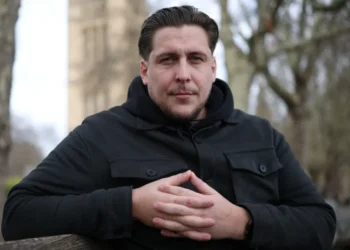 “An Endurance Test for the Mind”: British Couple Sentenced to 10 Years in Tehran
 US Court Restores Abortion Pill Access Temporarily
 “The Local Gavel”: Polls Open Across Hampshire and Isle of Wight in Delayed ‘Milestone’ Vote
 “The Reality Reckoning”: Government Demands Accountability as Channel 4 Pulls Married at First Sight UK Over Grave Sexual Assault Allegations
 Farage and Reform UK Reshape British Politics
 Zelensky Invites Putin to Direct Peace Talks