Published: 25 June 2026. The English Chronicle Desk. The English Chronicle Online.
A New Era of Learning
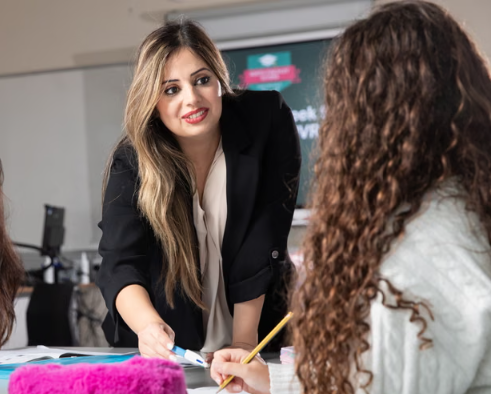
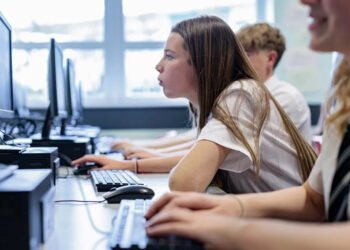
Two years ago, Ellie Ball could barely bring herself to attend her local mainstream school. Today, the sixteen-year-old student is actively planning to take four demanding A-level examinations very soon. She hopes to study the fascinating new field of astrolaw at a major university. This unique discipline basically covers the complex legal frameworks governing outer space exploration activities. Her incredible personal transformation happened entirely through using a modern digital screen from home. Four days every single week, Ellie attends remote lessons provided by a hybrid provider. Then once a week, she travels entirely alone on busy commuter trains to classes. This long journey represents a massive change from her previous difficult and painful experiences. Back then, she could not even manage the brief drive to her school. Now, she confidently navigates the crowded morning commute alongside regular city workers every week.
The weekly commute to London takes approximately one full hour of challenging travel time. Ellie admits she does not like the busy journey through the crowded city streets. However, she completes it happily because she absolutely loves her new school experience now. Her current institution is the innovative London Park School Hybrid based in the capital. This progressive establishment belongs to the well-known private Dukes Education family of British schools. Recently, the school achieved international recognition for its unique approach to secondary education models. The institution was named a proud finalist for the prestigious World’s Best School prize. This specific award highlights schools that demonstrate exceptional excellence in overcoming significant adversity globally. The competitive shortlist features a Polish school supporting vulnerable Ukrainian refugees across modern Europe. It also includes an American school serving resilient children of poor migrant workers.
Redefining Student Wellbeing
A unique school in the Amazon rainforest completes this impressive and highly diverse international shortlist. That distant educational facility currently serves about four thousand young people every single year. Additionally, the London Park School Hybrid will shortly open its own sixth form department. The school has also been shortlisted for a prestigious Tes Schools award quite recently. This nomination specifically recognizes their outstanding pupil mental health initiative of the academic year. Meanwhile, the national conversation regarding children and technology grows increasingly fraught across Great Britain. Many traditional schools are rapidly restricting the use of personal smartphones during daytime classes. Furthermore, government ministers are actively legislating a strict social media access ban nationwide. For students like Ellie, these political discussions feel completely detached from their reality.
She firmly believes that digital screens themselves are not inherently bad or damaging tools. Instead, she argues that the specific way people use technology causes major problems. Her previous mainstream school did not utilize screens, yet she felt completely miserable there. The hybrid model relies heavily on screens, but it saved her entire educational future. Without this digital framework, she would not currently participate in any formal education. Instead, she is happily planning her university career and loving her daily studies. Ellie’s father also shared similar anxieties regarding the implementation of the incoming ban. He fears the new law could potentially stop children from accessing vital education. Specifically, it might restrict valuable online GCSE provisions that many students find absolutely essential.
Building Confidence Through Innovation
If the proposed act goes ahead as written, this remains a massive downside. His younger daughter relies on social media to engage with the wider world. She loves literature and theatre, so she follows her favorite authors and artists. Without these digital platforms, the young girl would feel completely lost and isolated. However, a government spokesperson offered reassurance regarding the true scope of the bill. The Department for Science, Innovation and Technology issued a clarifying statement to the public. Officials stated they are not looking to ban dedicated online educational platforms today. These specific digital services actively support essential schoolwork and positive learning outcomes nationwide. Meanwhile, other students at the hybrid school share similarly positive experiences with modern technology.
Sixteen-year-old Ahlam De Chausay previously struggled to communicate with confidence in public settings. However, after five productive years at the hybrid school, her life changed completely. She now happily speaks at open mornings to crowds of prospective new parents. The young student confidently answers complex questions from highly skeptical, visiting adult guests. Ahlam notes that parental questions frequently reveal deep anxieties regarding teenage screen time. Many parents assume that digital learning makes children isolated and socially awkward over time. They believe hours spent behind screens must damage real-world communication skills entirely. However, hybrid learning actually helped Ahlam become significantly more social and genuinely confident. She developed her necessary interpersonal skills at a comfortable, highly personalized pace always.
Addressing the Attendance Crisis
Furthermore, the daily schedule incorporates numerous independent study periods for all modern students. During regular break times, students must prove they are resting away from screens. This clever structure has made Ahlam much more independent in her daily routines. The wider educational community is taking close notice of these remarkable student successes. Vikas Pota is the proud founder of T4 Education, which runs the prizes. He firmly believes the London school thoroughly deserves its place on the shortlist. He notes that the country currently faces a massive crisis regarding student wellbeing. This widespread issue frequently leads to chronic absenteeism and poor academic outcomes overall. There is a pressing need to recognize that different students learn differently today.
Students with complex special educational needs are often poorly served by mainstream systems. England’s traditional schools are currently facing mounting social and financial pressures nationwide. Statistics show that more than one hundred seventy thousand children were severely absent. This massive group of vulnerable students missed at least half of their lessons. If mainstream schooling cannot cater to diverse needs, it fails countless teenagers daily. In Pota’s expert view, the true significance of the school is profound. Its value lies not merely in the basic adoption of advanced technology. Instead, the real magic is what technology allows educators to achieve every day. Through its balanced hybrid model, this institution is changing learning outcomes quite creatively.
The Path Forward
We must collectively recognize that responsible technology offers genuine solutions to enduring challenges. Traditional classrooms cannot always solve the structural issues that modern schools face daily. Innovation provides a reliable path forward for students who reject conventional teaching methods. Ambreen Baig helps guide this transformation as a co-director of the school. She strongly believes that restricting screens is a deeply flawed educational philosophy today. Telling modern youth to avoid screens resembles telling past generations to avoid books. Rather than limiting access, her primary responsibility is teaching safe digital navigation skills. The jobs of tomorrow will absolutely demand high levels of digital literacy always. Technological confidence is becoming an essential requirement for career success in modern society.
Hybrid learners develop these vital digital skills safely from a very early age. Her colleague, fellow co-director Jamie Whiteside, supports this progressive perspective completely and wholeheartedly. He argues that their educational screen use differs greatly from harmful online environments. The activities they conduct through digital screens remain fundamentally simple and human-centric always. Through these pixels, real humans who know each other talk to each other. This direct personal connection ensures that technology serves humanity rather than replacing it entirely. The success of this model could spark a revolution across the entire country. Educators are watching the school’s progress with immense interest and growing optimism today. As political debates over technology continue, this institution proves that viable alternatives exist.
Related News:
 Six-Figure Tutors Teach Toddlers to ‘Be British’
 How Bringing Forests Into Preschools Boosts Children’s Health
 Is a two-week half-term a good deal? Some parents in England aren’t so sure
 Bridget Phillipson Vows to Confront Unions Over Reading Tests
 Children to Learn Local History in Major Curriculum Overhaul
 Top Christmas Books Reads: Classics to Cozy Romcoms
 England Curriculum Review Recommends Major Changes
 Mortgages and AI Set to Feature in English Schools
 Greta Thunberg Backs Student Facing UK Visa Revocation
 Audio Books deals and promo codes to explore in November 2025
 London’s Childlessness Crisis: Schools Closing as Families Shrink
 No link found between paracetamol in pregnancy and autism
 Government urges schools to ban phones to curb classroom disruption
 Stephen Fry backs SafeCall to protect missing children
 England’s Special Needs Support Faces Breaking Point
 Higgs Donates Nobel Medal to His Beloved University
 UK Schools Face Staff Exodus Amid Wellbeing Crash
 Schools urged to trial four-day week to ease pressure on teachers in England and Wales
 Oxford Names ‘Rage Bait’ Word of the Year
 Cambridge College Faces Backlash Over Private School Recruitment
 Glasgow rector cleared by watchdog in antisemitism case
 UK Launches First Town of Culture Competition
 UK Ministers Drop Foreign Student Targets for Global Education Push
 City & Guilds pay surge sparks backlash amid £22m cuts
 School Suspensions Now Reserved for Only Severe Misbehaviour
 Harvey Willgoose School Stabbing Red Flags Missed
 Kingsbury stabbing probe led by counter-terror police
 School phone policies drain English staff resources, study finds
 English secondary schools urged to expand Send inclusion bases
 Send spending gap leaves deprived areas behind
 Children’s vocabulary shrinking amid rising screen time concerns
 Councils Urge Means Testing for Send School Transport
 SEND overhaul gives schools new support funds
 SEND Plan Gains Cautious Support Amid England Schools’ Workload Concerns
 Student Loan Crisis Sparks Outrage Among Graduates in England
 New Era for UK Special Needs Support
 UK Parents Voice Concerns Over Special Education Support
 Keir Starmer Vows Strong Action Against Online Tech Giants
 Student Loan Interest May Rise Despite 6% Cap
 City & Guilds Sale Sparks Fees and Pay Uproar
 NHS Safety Fears as Nurses Cover Doctor Gaps
 Sussex Wins Landmark High Court Battle Against OfS Fine
 City & Guilds Faces Governance Crisis Over Sale
 Tractor Breakdown Tests Lincolnshire Farmers
 Public Confidence in University Degrees Plummets in the UK
 Is a University Degree Still Worth the Cost?
 Tech Trends and the Battle Against Exam Hall Cheating
 Ban the Smack: New Study Links Hitting to Poor Grades
 Systemic Failure: White Working-Class Pupils Left Behind
 School Bosses Face Strict Pay Cap
 British Teens in EU Face Soaring UK University Fees
 UK Schools Struggle as Classrooms Top 40C
 Cambridge Professor Jason Arday Found Dead at Home
 Inside the Helpline Protecting Missing Children in the UK
 PlayStation PS5 Deals Hit Lowest Prices Ahead of Black Friday
 Five-Year-Old Dies After Rare Tonsil Surgery Complication
 Starmer Says Labour’s Economic Plan Needs Years to Deliver
 Starmer Faces Parliamentary Battles Over UK-EU ‘Reset’ Plan
 Met Police Vetting Failures Let Serial Rapists Remain
 Fatal Bolton Taxi Crash Claims Three Teens and Driver
 ScottishPower Tops List of Worst UK Energy Suppliers
 Judi Dench Champions Fight to Save London’s Green Spaces
 Crowborough Camp Welcomes First Asylum Seekers
 BBC Funding Crisis: Tim Davie Warns of Jeopardy Ahead
 Artificial intelligence will cost jobs, admits Liz Kendall
 Older Women Vanish from BBC Screens, Review Confirms Bias
 Keir Starmer Struggles to Secure His Grip on Downing Street
 Farage Faces Standards Probe Over Cash Property Purchase
 Closing the Gap: UK Pensions Commission Demands Action
 Russian Electronic Attack Targets UK Defence Chief Jet
 UK Shoppers Face Prolonged Price Rises At Tills
 Tube Strike Brings Capital to a Standstill Over Shift Disputes
 Makerfield Voters Demand Real Change as Election Looms
 Ryanair Faces Probe Over Mandatory Family Seating Fees
 Britain’s Crowning Butterfly Takes the Nation by Storm
 Stirchley Community Housing Scheme Faces Crisis
 UK Care Crisis: Row Explodes Over New Visa Settlement Rules
 Sainsbury’s Boss Optimistic As Grocery Inflation Eases
 US Airman Avoids British Court in Indecent Exposure Case
 Ann Widdecombe, Formidable Political Figure, Dies at 78