Published: 29 June 2026
The English Chronicle Desk
The English Chronicle Online
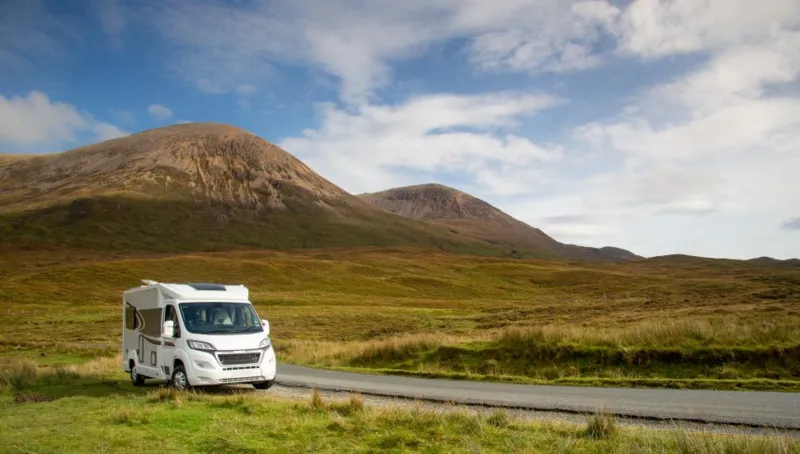
The Isle of Skye has long been one of Scotland’s most celebrated destinations, attracting visitors from around the world with its dramatic landscapes, rugged coastline and picturesque villages. However, as tourism continues to grow, many local residents say the popularity of the island is creating new challenges, particularly linked to the increasing number of campervans and motorhomes arriving each year.
For some islanders, the issue has become a source of frustration. Residents report problems ranging from traffic congestion and littering to inappropriate waste disposal and overnight parking in unsuitable locations.
One local resident described the impact in stark terms, saying they regularly witness tourists using public spaces as toilets due to a lack of facilities.

“I see tourists pee in front of my house,” the resident said, reflecting concerns shared by others who believe parts of the island are struggling to cope with visitor numbers during peak seasons.
The Isle of Skye’s popularity has grown significantly over the past decade. Social media, travel blogs and international tourism campaigns have helped transform the island into one of the UK’s most photographed destinations.
Natural landmarks such as the Old Man of Storr, the Quiraing and the Fairy Pools attract thousands of visitors each year, bringing valuable income to local businesses, accommodation providers and tourism operators.
Many residents acknowledge the importance of tourism to the local economy.
Hotels, restaurants, shops and tour companies rely heavily on visitor spending, particularly during the summer months. Tourism supports jobs and contributes significantly to economic activity across the island.
However, balancing economic benefits with the needs of local communities has become increasingly difficult.
Campervans have become a particular focus of debate.
The flexibility and affordability of campervan travel appeal to many visitors, allowing them to explore remote areas while reducing accommodation costs. Advances in vehicle technology and growing interest in outdoor travel have further increased their popularity.
Yet the rapid growth in campervan tourism has placed pressure on infrastructure that was never designed to accommodate such large numbers.
Many roads on Skye are narrow single-track routes originally built to serve small communities rather than high volumes of tourist traffic.
During busy periods, congestion can become severe, leading to delays and frustration for both residents and visitors.
Emergency services and delivery vehicles may also encounter difficulties navigating crowded roads.
Parking presents another challenge.
Residents say some visitors park overnight in lay-bys, residential areas or environmentally sensitive locations.
While many campervan users follow regulations and behave responsibly, local authorities report instances of illegal parking and overnight stays in unsuitable areas.
Waste management has emerged as a significant concern.
Public facilities on the island can become overwhelmed during peak tourism periods, leading some visitors to dispose of rubbish improperly or empty waste tanks in unauthorised locations.
Environmental groups warn that such practices can damage ecosystems and create health concerns.
For residents living near popular tourist spots, the effects can be particularly noticeable.
Some report increased noise, blocked access roads and reduced privacy during busy months.
Others say they feel their communities are becoming increasingly crowded, particularly when visitor numbers greatly exceed local populations.
Tourism experts note that Skye is not alone in facing these challenges.
Popular destinations across Europe have struggled to manage rising visitor numbers while protecting local communities and natural environments.
The phenomenon is often described as “overtourism” – a situation in which tourism growth begins to negatively affect residents’ quality of life and the visitor experience itself.
Local authorities and tourism organisations have introduced measures aimed at addressing the issue.
Additional public toilets, waste disposal facilities and designated campervan sites have been developed in some areas to encourage responsible behaviour.
Educational campaigns have also sought to inform visitors about local regulations and environmental responsibilities.
Many organisations promote responsible travel through initiatives encouraging tourists to respect communities, dispose of waste properly and use designated camping facilities whenever possible.
Supporters argue that most visitors are willing to behave responsibly when provided with clear information and adequate facilities.
Campervan owners themselves often point out that the majority of travellers follow rules and contribute positively to local economies.
Many purchase food, fuel and services from local businesses while exploring the region.
They argue that a small minority of irresponsible visitors should not define perceptions of all campervan tourists.
Business owners are also divided on the issue.
Some believe tighter controls are necessary to protect local infrastructure and community wellbeing.
Others worry that excessive restrictions could discourage tourism and harm businesses that depend on visitor spending.
The debate reflects broader questions about how destinations can manage sustainable tourism.
Experts increasingly argue that successful tourism policies must balance economic benefits with environmental protection and residents’ quality of life.
This may require investment in infrastructure, improved visitor management and long-term planning.
Climate and environmental concerns add another dimension to the discussion.
The Isle of Skye’s landscapes are among its greatest attractions, but they are also vulnerable to erosion and ecological damage if visitor numbers are not carefully managed.
Conservation groups stress the importance of protecting natural habitats while ensuring public access remains possible.
For many residents, the issue is not opposition to tourism itself but rather the need for better management.
They emphasise that visitors are welcome but believe additional resources are required to ensure communities are not overwhelmed.
As tourism continues to evolve, Skye faces the challenge of preserving the qualities that make it attractive in the first place.
Finding a balance between welcoming visitors and protecting local communities will likely remain a key issue for policymakers, residents and tourism operators alike.

The experiences described by some islanders illustrate the pressures that can accompany growing visitor numbers.
While tourism brings significant opportunities, it also highlights the importance of planning, investment and responsible travel.
As the Isle of Skye continues to attract global attention, the debate over campervans and sustainable tourism serves as a reminder that even the most beautiful destinations must carefully manage success to ensure it benefits both visitors and those who call the island home.
Related News:
 Scotland Braces for 80mph Gales and ‘Intense Rain’
 “A Canvas of Spring”: Readers Capture Scotland’s Golden Hour and New Life
 “Enough is Enough”: Local MP Vows to Fight Rainham Quarry Plans
 Heat, Drought and Fire Push UK Nature to Breaking Point in 2025
 UK Snow Forecast Arctic Blast to Bring Up to 11 Inches of Snow
 Norfolk Coastal Graves at Risk as Erosion Deepens Family Anguish
 Record Wildfires Sweep England Amid Hottest 2025 Summer
 Winter plant bloom signals climate breakdown in UK
 Local Fish Could Boost UK Health and Economy Significantly
 World’s richest 1% consume annual emissions in just ten days
 Storm Goretti leaves Cornwall homes without power
 Robo-Vaccination Could Transform Fight Against Bovine TB
 Kent Residents Continue Facing Water Supply Disruptions
 No Gas Boiler Ban as UK Warm Homes Plan Backs Heat Pumps
 Judi Dench Champions Fight to Save London’s Green Spaces
 UK joins North Sea wind grid pact with nine European nations
 Devon hosts first high-density hydro power system
 Storm Chandra floods Somerset, triggers major incident declaration
 UK Pfas Action Plan Faces Criticism From Environmentalists
 Wigan Dump Crisis Sparks Health and Safety Alarm
 What is Groundwater Flooding and Why Dorset is Seeing ‘Historical Highs’
 Dozens of Flood Warnings in England After Days of Non-Stop Rain
 Fish disco plan could save 90% of fish at Hinkley C
 Temperatures Dip Below Freezing as Arctic Air Sweeps Across the UK
 Flooding May Worsen Before It Improves as More Rain Forecast for the UK
 Flood risk homes surge across England builds
 Deer Shooting England: New Plan to Protect Woods
 Illegal Waste Dumping: New Drone Unit Launched
 Fly-Tippers to Be Hunted by ‘Drone Squad’ in Crackdown from the Sky
 Deer Shooting to Be Facilitated in England to Protect Woodlands
 Bodies of Man and Boy Found in Burnt‑Out Car After Horror Crash in the Highlands
 South Lanarkshire Council Helps Mark Care Day 2026
Storm Hernando: Edinburgh Airport Flights Cancelled in US Travel Chaos
South Lanarkshire Council Helps Mark Care Day 2026
Storm Hernando: Edinburgh Airport Flights Cancelled in US Travel Chaos
 Group Expands Legal Claim Over South West Water Pollution
 Scotland’s Climate Plans Face Scrutiny Over ‘Science Fiction’ Targets
 Police Appeal After Goshawk ‘Brutally Shot’
 Miliband Says Climate Impact of Data Centres Is Uncertain
 UK Winter Nowhere Near a Record Breaker Despite Floods and Storms
 UK Records Warmest Day of the Year as Temperatures Exceed 18 °C
 Farmers on Edge as Record Rainfall Dampens Slurry Season
 Conservation Budgets Hit by Increased Fly‑Tipping Costs
 Water Cremation Introduced in UK First
 Scotland Becomes First UK Country to Allow Water Cremations
 New Infection Risk Alert at Glasgow’s Flagship Hospital
 Wood burner legal threats spark council row
 Fan Chief Condemns ‘Shameful’ Violence After Rangers–Celtic Chaos
 Swinney: ‘Enormous’ Damage After Blaze Near Glasgow Central
 Dramatic Rescue as Ice Shelf Detaches on Lake Huron
 Glasgow Central Fire Sparks Days of Disruption
 Scots Man Convicted in Dirty Money Case After DNA Found on Cash
 Man Arrested Over Gunshot Death in Motherwell
 Net Zero Cheaper Than One Fossil Fuel Crisis, UK Told
 CCTV Shows Limping Man Missing Nine Days as Police Appeal
 Man Dies in Glasgow Flat Fire as Police Probe ‘Unexplained’ Death
 Teen Wins Payout After TRNSMT Crush Horror
 Tommy and Gail Sheridan to Stand for New Political Party After Alba Demise
 Second Man Arrested Over ‘Gunshot’ Death of Young Dad in Motherwell Home
 London Considers New SUV Charges to Improve Road Safety
 MPs Slam Agency Over Failing Fight Against Waste Dumping
 Tropical Cyclone Narelle Batters the Western Australian Coast
 ‘White Elephant on Wheels’: Orkney Council to Sell £456,000 Bin Lorry with Only 2,000 Miles
 The Banbridge Rescue: 300 Sheep Saved from Massive Hay Shed Inferno
 UK Records Earliest Spring as Nature Awakens Fast
 Country Diary: A Bum Note Amid the Dawn Chorus
 Country Diary: The Eagle’s Shadow Over the Lambing Shed
 High-Rise Rescue: The Dramatic Recovery of a Stranded Peregrine Falcon
 RSPB Urges Summer Bird Feeder Removal to Curb Disease
 The Lough’s Lament: Can Fiction Spark a ‘Seismic’ Rescue for Lough Neagh?
 Southern Skies: High Turnout and Surprise Visitors in Birdwatch 2026
 Britain Facing Sharp Decline in Rare Butterfly Species
 10 Scenic Stays in Scotland’s Highlands & Islands
 Night of Fire: Thousands of Turkeys Perish in Cheshire Barn Inferno
 The “Purple Rain” of Surrey: RHS Wisley’s 100-Metre Wisteria Tunnel Reaches Peak Bloom
 “A Life Irreversibly Destroyed”: Widow of Falsely Accused Man to Sue Scottish Authorities
 “The Northern Front”: Scotland’s Press Navigates a Turbulent Week of Political Posturing and Territorial Conflict
 Saving Our Lost Rainforests: The Battle for Dartmoor
 Whitehall Steps In: The Battle Over Thames Water Deepens
 Amber Heat Health Alerts Issued as UK Temperatures Expected to Exceed 30C
 Met Office Issues Amber Extreme Heat Warning as Temperatures Near 35C
 Temperatures Set to Fall This Week, But Forecasters Warn Heat Could Return Soon