Published: 29 June 2026
The English Chronicle Desk
The English Chronicle Online
For generations, parenthood has often been viewed as a natural milestone in adult life. Yet an increasing number of women are choosing not to have children, challenging traditional expectations and reshaping conversations about family, fulfilment and personal choice.
While motherhood remains a deeply valued and rewarding experience for many women, others are deciding that having children is not the right path for them. Their reasons vary widely, reflecting changing social attitudes, economic realities and individual priorities.
For some women, the decision is rooted in a desire for personal freedom.
Many say they value the flexibility to pursue careers, travel, hobbies and relationships without the responsibilities associated with raising children. They argue that a fulfilling life can take many forms and does not necessarily require becoming a parent.

Others describe their choice as a reflection of self-awareness.
Some women simply do not feel a strong desire to become mothers and believe it is better to recognise that honestly than to follow societal expectations.
Family experts note that previous generations often experienced greater pressure to have children, whereas today individuals generally have more freedom to make decisions that align with their own values and aspirations.
Economic factors also play a significant role.
The cost of raising children has increased considerably in many countries, with housing, childcare, education and everyday living expenses placing pressure on family budgets.
Some women say financial concerns influenced their decision, particularly in uncertain economic times.
Rising housing costs and concerns about long-term financial stability have become common considerations for younger adults planning their futures.
For some, the prospect of balancing childcare responsibilities with career ambitions can also appear challenging.
Environmental concerns have emerged as another factor in the discussion.
Some women cite climate change, resource pressures and uncertainty about the future as reasons for deciding not to have children.
While this perspective remains controversial, it reflects growing awareness of environmental issues among younger generations.
Researchers note that decisions about parenthood are increasingly influenced by global as well as personal considerations.
Health concerns can also shape reproductive choices.
Some women may have medical conditions that make pregnancy more complicated or choose not to pass on inherited health conditions.
Others prioritise their physical or mental wellbeing and conclude that parenthood is not the best option for their circumstances.
Importantly, experts emphasise that there is no single reason behind the decision not to have children.
The motivations are often complex and deeply personal.
Sociologists argue that modern society is witnessing a broader shift in attitudes toward family life.
Traditional expectations that adulthood should follow a specific sequence—education, career, marriage and children—have become less dominant.
People increasingly define success and happiness in their own ways.
As a result, child-free lifestyles have become more visible and socially accepted in many parts of the world.
Despite this progress, some women report facing criticism or intrusive questions about their decision.
Common assumptions include suggestions that they may change their minds, regret their choice or simply have not met the right circumstances.
Campaigners argue that such attitudes can be dismissive and fail to respect personal autonomy.
Women who choose not to have children often describe frustration at being expected to justify their decision.
Many say society generally accepts explanations for wanting children but is less comfortable with explanations for not wanting them.
Advocates for reproductive choice argue that both decisions deserve equal respect.
Psychologists note that satisfaction and wellbeing are influenced by many factors, not solely by parenthood status.
Research suggests that people can lead meaningful and fulfilling lives with or without children, depending on their personal circumstances, relationships and goals.
For some women, choosing not to have children allows them to dedicate more time to careers, creative pursuits, volunteering or caring for other family members.
Others focus on friendships, travel, education or community involvement.
These alternative life paths demonstrate the diversity of modern experiences.
At the same time, experts caution against framing the discussion as a competition between parents and non-parents.
Both lifestyles involve opportunities, challenges and sacrifices.
Parenthood can bring joy, purpose and connection, while also requiring significant commitment and responsibility.
Similarly, child-free individuals may enjoy greater flexibility but face different social expectations and experiences.
Demographic trends suggest the issue is becoming increasingly significant.
Birth rates have declined across many developed countries, prompting debates about population ageing, workforce shortages and long-term economic planning.
Governments are examining policies related to childcare, housing affordability and parental support in efforts to help people achieve their desired family size.
However, researchers stress that declining birth rates do not necessarily mean fewer people want children.
Many individuals continue to aspire to parenthood but delay having children due to financial, housing or relationship circumstances.
Others actively choose not to become parents.
The distinction is important when discussing demographic change.
Social media and online communities have also given child-free women greater visibility.
Platforms allow people to share experiences, challenge stereotypes and connect with others who have made similar choices.
As a result, discussions that were once considered unusual have become increasingly mainstream.
Family researchers believe society is gradually becoming more accepting of different life choices.
Marriage, parenthood, career paths and living arrangements are all becoming more diverse than in previous generations.
This shift reflects broader changes in how people define identity, success and personal fulfilment.
For the women who have chosen not to have children, the decision is often less about rejecting parenthood and more about embracing a life that feels authentic to them.

They argue that happiness is not determined by following a single model of adulthood but by making choices that align with individual values and circumstances.
As attitudes continue to evolve, conversations about parenthood and child-free living are likely to become more nuanced and inclusive.
What remains clear is that there is no one-size-fits-all approach to building a meaningful life.
Whether women choose to have children or not, many believe the most important principle is that the decision should be respected as a personal choice.
Related News:
 South Africa’s Garden Route Gem Faces Looming Water Crisis
 Labour Utterly Humiliated by Straight-Talking Mum Who Cut Through Keir Starmer’s Insanity
 Renters Furious as Decent Homes Standard Delayed Until 2035
 Motorists Could Face ‘Mandatory’ Driving Ban for Road Offences Under Tougher Laws
 US Civil Rights Leader Jesse Jackson Dies Aged 84
 Snow and Rain Warnings as Cold Snap Continues in the UK
 Epstein Eyed Record Label Investment to Access Women, Files Suggest
 ‘Don’t Make Us Security Guards,’ Says Teacher Stabbed by Pupil
 ‘A Disgrace’ — Patient Blasts Neurology Report
 Toddlers in Finland Lead the Fight to Save Sámi Language
 ‘We Pray for Peace’: Indian Filmmaker From Troubled State Who Won a BAFTA
 ‘It’s Joy in a Pot’: Why Houseplants Could Make You Happier
 Calls Grow to Remove Billboard Following Lyra McKee Graffiti
 ‘Every Day Feels Like a Month’: Iranians Describe Life Under ‘Constant’ US‑Israeli Strikes
 Tears and Cheers as Controversial Long‑Running Australian Breakfast Radio Show Implodes
 Guernsey Mother Breaks Down After £11,500 Battery Waste Fine
 Father Dies by Suicide Weeks After Wedding in Clitheroe
 Sarah Ferguson Loses Another £1.5m Amid Financial Struggles
 Teen Wins Payout After TRNSMT Crush Horror
 Scotland World Cup Party in Boston Gets Green Light After Security Breakthrough
 Biker Suffers Fractured Spine After Hitting Pothole in Edinburgh
 ‘Heating Oil Suppliers Are Holding Us to Ransom’ as Prices and Cancellations Surge
 Rare Glimpse of Historic Bridge Thanks to Low Tide
 Nepal to swear in ex-rapper as new prime minister
 Missing Cuba-Bound Aid Ships Spark Urgent Search
 Families Tortured by Authorities During Investigations Inquiry Told
 Watchdog Probes Police Handling of Andrew Tate Abuse Claims
 The High Cost of Survival: How the 2026 Fiscal Outlook is Redefining British Life
 US Lawmaker Demands Testimony Over Sarah Ferguson’s ‘Close Epstein Ties’
 The Last of the Lords: Two Hereditary Peers to Retain Ceremonial Roles Amid Historic Ousting
 Fuel Famine: How African Nations are Rationing Power and ‘Diluting’ Petrol to Survive
 ‘Eye in the Sky’ Blinded: Photos Reveal Destroyed US Radar Jet at Saudi Base
 Four Teens Charged After Assault on Rescue Volunteer and Dog
 Woman Deported from China Over Manx Passport Mix-Up
 Joanna Lumley: ‘I Wash My Face with Whatever Soap’s Lying on the Side of the Bath’
 ‘My Hatred of Dogs is Ruining My Love Life’
 John Bengtson: The ‘Silent Film Sleuth’ Who Found History in the Background
 ‘The Final Word’: Kathleen Stock’s Polemic Against Assisted Dying Reshapes the UK Debate
 ‘The Cost of Living’: Asia’s Migrant Workers Debate if Gulf Jobs are Worth the Risk of War
 National Treasure: Raja Ravi Varma Masterpiece Smashes Indian Art Record with $17.9m Sale
 ‘The Soul of Spain’: Politicians Clash Over Renewed Push to Move Picasso’s Guernica
 The Suffocating Silhouette: Why Metal’s Mask Trend is Turning Deadly
 The Fallen Icon: Ben Roberts-Smith Charged with Five War-Crime Murders
 Heartbreak in Bournemouth: The Tragic Death of James Blanch
 The Changing Face of Georgia: Trump-Backed Clay Fuller Wins Election
 The Gilgo Beach Case: Heuermann Expected to Plead Guilty to Eighth Victim
 Paws on the Wheel: Driver Facing Fine After Dog Photographed on Lap
 The Miracle of Phoenix: ‘Half Dead’ Rescue Dog Defies the Odds in Worcestershire
 The Pre-School Lottery: Families Left in ‘Holding Pattern’ as Local Places Vanish
 Moldova River Crisis Exposes War’s Hidden Cost
 Toxic Trail: Dog Owners Warned Over ‘Vile’ Poisoned Meat Found in Parks
 The Waiting Ward: ‘Month of Worry’ as Doctor Strikes Trigger Seismic Surgery Delays
 MoD Has Lost Track of Veteran Recall List, Says Adviser
 ‘The Last of the Greatest’: UK’s Oldest WWII Veteran Passes Away Aged 109
 ‘A Sacred Space Shattered’: Two Found Guilty in London Church Drive-By Murder Trial
 “Jobs Will Go”: Rishi Sunak Warns AI is Already Eroding Entry-Level Opportunities
 “Three-Wheeled Triumph”: Mayor of Erewash Completes 2,000-Mile European Charity Run
 The “Cancer Commute”: Patient Warns of Breaking Point Over 40-Mile Treatment Trek
 Ukraine Urges UK to Seize Russian Oil Tankers
 Older Than Dinosaurs: Secrets of Mayfly Dance Revealed
 Tragedy in the Red Centre: Outback Search Ends in Discovery of Missing Girl’s Body
 The “Invisible” Masterpiece: Banksy-Signed Statue Stuns London Commuters
 Reality Check on Reform: Minister Says Outright Abolition of Leasehold “Impossible”
 End of the “Beefeater” Era: Whitbread to Cut 3,800 Jobs in Radical Strategic Reset
 The “Dry” Life: Teens Trialing Social Media Bans Call Initial Disconnection “Boring” and “Dry”
 “Invisible Agony”: 98-Year-Old Woman Left in “Severe Pain” for Days Amidst Care Backlog
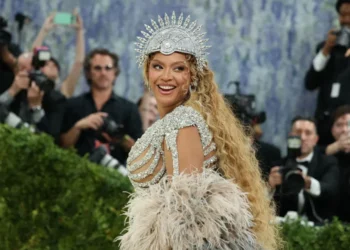 “The Garden of Time”: Surrealist Sculptures and Living Flora Dominate the 2026 Met Gala
 Florida Surgeon ‘Devastated’ Over Fatal Surgery Error
 Immigration Judges Fear Pressure in Trump Era
“The Price Persistence”: Navigating the UK’s Evolving Cost-of-Living Landscape
Immigration Judges Fear Pressure in Trump Era
“The Price Persistence”: Navigating the UK’s Evolving Cost-of-Living Landscape
 Pope Meets Families in Italy Toxic Waste Zone
 Bear Escapes Factory Through Open Window
 Fans Bring Flags and Fire to World Cup Scenes
 Fans Invited to Share Scotland World Cup Stories
 Spain Tourism Surges as Travellers Avoid Middle East
 Widow Distressed by Nine-Month Delay to Husband’s Pension Payment
 “My Drinking Days Are Over” — How to Enjoy an Alcohol-Free World Cup
 Sinkhole Outside Chip Shop “Has Cut Trade in Half”, Owner Says
 Spain Sees Tourism Boom as Travellers Shift Away From Middle East
 Prince George Set to Begin Studies at Eton This September