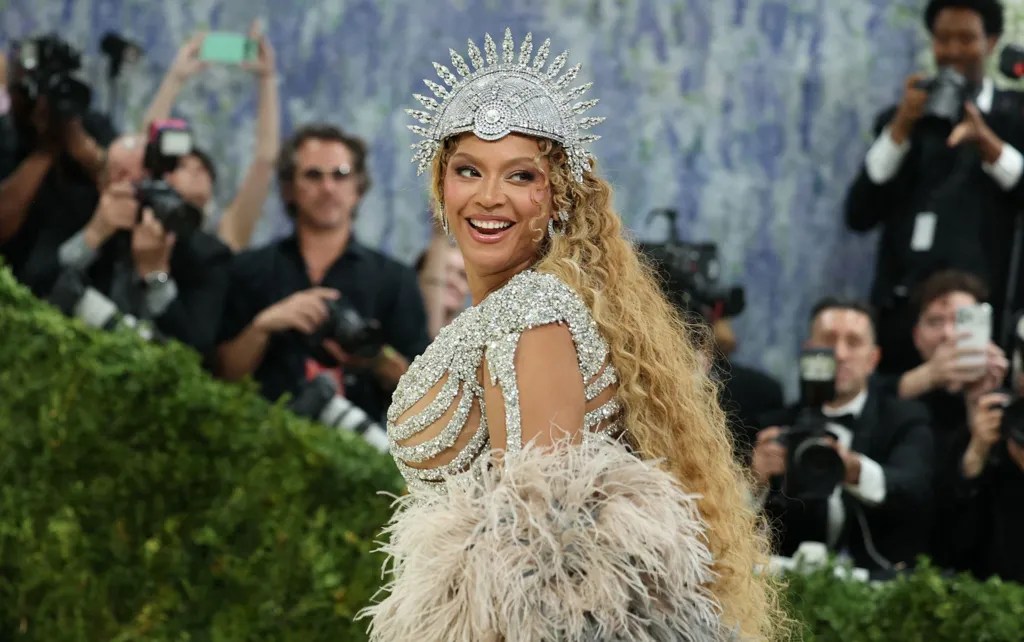
Published: 5 May 2026. The English Chronicle Desk. The English Chronicle Online
The steps of the Metropolitan Museum of Art were transformed into a “living tapestry” last night as the 2026 Met Gala officially opened the Sleeping Beauties: Reawakening Fashion exhibition. Under the dress code “The Garden of Time,” the world’s cultural elite navigated a fine line between botanical beauty and the “clinical silence” of decay. From “metabolic” gowns that changed color in real-time to archival pieces pulled from centuries of “dormancy,” the evening was a milestone in the fusion of technology and textile.

While the $126 oil spike and the Iran war continue to dominate the “hard” news cycle, the Gala provided a much-needed “dopamine hit” of escapism, even as several designers used the platform to address the “resilience deficit” of the planet.
This year’s standouts rejected the “accountability rot” of disposable trends, opting instead for structural complexity and biological integration.
Zendaya’s “Evolving Vine”: Co-chair Zendaya stunned in a custom Maison Margiela by John Galliano. The gown featured 3D-printed vines that appeared to grow across her bodice over the course of the red carpet, a feat of “human-machine coordination” that left the fashion world in awe.
Bad Bunny’s “Clockwork Count”: Incorporating the “time” element of the theme, Bad Bunny wore a structured suit that featured an exposed, ticking mechanical heart, symbolizing the “justice has no expiry date” concept of enduring style.
Tyla’s “Sand of Time”: In a literal interpretation of the J.G. Ballard short story, the singer wore a Balmain gown sculpted entirely from sand and micro-crystals. She had to be carried up the stairs—a “milestone” of fashion-over-function that went viral within seconds.
The Gala wasn’t without its controversies, as several “protest looks” sought to break through the “clinical silence” of the red carpet.
The “Medication Desert” Gown: One emerging designer debuted a dress made entirely of recycled pharmaceutical packaging, highlighting the global “medical sovereignty” crisis and the “resilience deficit” in healthcare.
The “Strait of Hormuz” Blue: A recurring color palette of deep, “oil-slick” blues was interpreted by critics as a subtle nod to the maritime tensions currently gripping the globe.
The Archival “Sleeping Beauties”: Several stars wore authentic 19th-century garments that were too fragile to be cleaned or altered, requiring “white-glove” security detail—a “clinical” approach to preservation that mirrored the theme’s focus on the ephemeral nature of life.
As King Charles concludes his Washington visit, the absence of British royals at the Gala was noted, though British design remained a “golden tone” throughout the night.
The “Hormuz” Effect on Silk: Industry insiders noted that the conflict in the Middle East has created a “supply chain surge” in luxury fabric prices, making many of last night’s gowns more expensive to produce than in any previous year.
Southbank at 75: Several British attendees used the occasion to hint at the upcoming Southbank Centre 75th Anniversary celebrations, which are expected to bridge the gap between “high art” and “street resilience.”

As the RHS Wisley wisteria provides a natural floral backdrop for the UK’s own spring season, the Met Gala’s artificial garden has set the tone for the 2026 aesthetic: a mix of “post-apocalyptic” structuralism and “hyper-natural” romanticism.
“It wasn’t just a party; it was a manifesto,” said one former Vogue editor. “In a world facing a ‘national security emergency,’ these designers chose to fight back with the most powerful weapon they have: beauty.” Whether the “Garden of Time” will stand the test of it remains to be seen, but for one night in New York, the “clinical silence” of the world was broken by the roar of the red carpet.
Related News:
 GMB Issues Bombshell Andrew Update Minutes Into Show as Furious Viewers ‘Switch Off’
 Singapore Offers to Set Up Single Americans with ‘Epic’ First Dates – There’s Just One Catch
 Revealed: The Billions Given to Charity by Ordinary Indians Every Year
 Australian Presenter Apologises for Drinking Before Slurred Olympics Report
 We Thought Gen Z Was Flocking to Church — The Truth Is More Complicated
 Germany’s Fairy Tale Route: The Real Places Behind the Grimm Stories
 Toddlers in Finland Lead the Fight to Save Sámi Language
 Karen Gillan Reveals What She Misses Most About Scotland’s Food and People
 ‘We Pray for Peace’: Indian Filmmaker From Troubled State Who Won a BAFTA
 BBC Apologises After Racial Slur Aired at BAFTAs by Guest With Tourette’s
 Man discovers £18k trading card stash in his loft
 BBC Edited a Second Racial Slur Out of BAFTA Ceremony
 After Decades of Decline, Why Welsh Male Voice Choirs Are Back
 ‘The Bride!’ Review: Maggie Gyllenhaal’s Bride of Frankenstein Riff Is Exhilarating and Unforgettable
 Scots Mum Aims to Inspire Daughter in Miss Universe GB
 Why Every Culture Has a Healing Broth
 National Treasure: Raja Ravi Varma Masterpiece Smashes Indian Art Record with $17.9m Sale
 ‘Really Feeling the Love’: Savannah Guthrie Returns to NBC as Search for Mother Continues
 The Lough’s Lament: Can Fiction Spark a ‘Seismic’ Rescue for Lough Neagh?
 The Hidden Hoard of 1692: Glencoe Massacre Coins to be Displayed at Folk Museum
 Exhibition Revisits Life of 18th-Century Black Court Figure
 The ‘Machli’ Manifesto: Why Indian Politicians are Trading Rallies for Fish Markets
 Shaken, Stirred, and Syncopated: 2026 BBC Proms Unveils Boldest Lineup Yet
 ‘The Kings of the Rave’: Carl Cox ‘Humbled’ by Towering Mural Marking Prodigy Tour
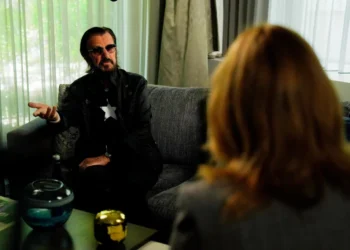 Live and Unfiltered: Ringo Starr on Learning the Drums, Making Mistakes, and the “Long Long Road” Ahead
 “A Magnet for People”: Hundreds Gather as Madness Star Sings at Primrose Hill Vigil
 “An Encyclopaedia in a Shirt”: Retired IT Analyst Becomes Seventh Millionaire Jackpot Winner
 A Century of Crust: The Family Pie Firm Celebrating 100 Years of Northern Soul
 The “Golden Tone”: Horn Virtuoso Invests £8,500 in Future Prodigy’s Dreams
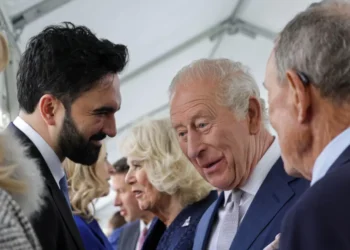 The “Rock” and a Hard Place: NYC Mayor Mamdani Proposes Imperial Handover to King Charles
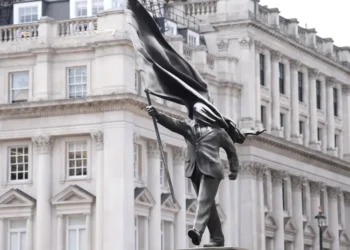 The “Invisible” Masterpiece: Banksy-Signed Statue Stuns London Commuters
 Under the Microscope: Kemi Badenoch Faces BBC Local Radio “Grilling” Ahead of May 7
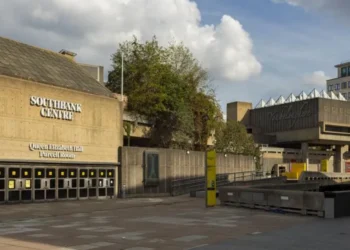 “A Tonic for the Nation” Reimagined: Southbank Centre Marks 75 Years of Artistic Rebellion
 South Africa’s Garden Route Gem Faces Looming Water Crisis
 Labour Utterly Humiliated by Straight-Talking Mum Who Cut Through Keir Starmer’s Insanity
 Renters Furious as Decent Homes Standard Delayed Until 2035
 Motorists Could Face ‘Mandatory’ Driving Ban for Road Offences Under Tougher Laws
 US Civil Rights Leader Jesse Jackson Dies Aged 84
 Snow and Rain Warnings as Cold Snap Continues in the UK
 Epstein Eyed Record Label Investment to Access Women, Files Suggest
 ‘Don’t Make Us Security Guards,’ Says Teacher Stabbed by Pupil
 Louvre Museum Director Resigns Months After High‑Profile Heist
 Tracey Emin Says My Bed Would Be ‘Tidy, Clean and Boring’ If Made Today
 ‘It’s Joy in a Pot’: Why Houseplants Could Make You Happier
 Souped‑Up Warhol Exhibition Pops Into City With New Works
 Calls Grow to Remove Billboard Following Lyra McKee Graffiti
 ‘Every Day Feels Like a Month’: Iranians Describe Life Under ‘Constant’ US‑Israeli Strikes
 Father Dies by Suicide Weeks After Wedding in Clitheroe
 Teen Wins Payout After TRNSMT Crush Horror
 Scotland World Cup Party in Boston Gets Green Light After Security Breakthrough
 ‘Heating Oil Suppliers Are Holding Us to Ransom’ as Prices and Cancellations Surge
 Nepal to swear in ex-rapper as new prime minister
 The High Cost of Survival: How the 2026 Fiscal Outlook is Redefining British Life
 US Lawmaker Demands Testimony Over Sarah Ferguson’s ‘Close Epstein Ties’
 ‘Eye in the Sky’ Blinded: Photos Reveal Destroyed US Radar Jet at Saudi Base
 Four Teens Charged After Assault on Rescue Volunteer and Dog
 Woman Deported from China Over Manx Passport Mix-Up
 ‘My Hatred of Dogs is Ruining My Love Life’
 ‘The Final Word’: Kathleen Stock’s Polemic Against Assisted Dying Reshapes the UK Debate
 ‘The Cost of Living’: Asia’s Migrant Workers Debate if Gulf Jobs are Worth the Risk of War
 ‘The Soul of Spain’: Politicians Clash Over Renewed Push to Move Picasso’s Guernica
 The Suffocating Silhouette: Why Metal’s Mask Trend is Turning Deadly
 The Fallen Icon: Ben Roberts-Smith Charged with Five War-Crime Murders
 Heartbreak in Bournemouth: The Tragic Death of James Blanch
 The Changing Face of Georgia: Trump-Backed Clay Fuller Wins Election
 Paws on the Wheel: Driver Facing Fine After Dog Photographed on Lap
 The Miracle of Phoenix: ‘Half Dead’ Rescue Dog Defies the Odds in Worcestershire
 The Pre-School Lottery: Families Left in ‘Holding Pattern’ as Local Places Vanish
 Moldova River Crisis Exposes War’s Hidden Cost
 The Waiting Ward: ‘Month of Worry’ as Doctor Strikes Trigger Seismic Surgery Delays
 ‘The Last of the Greatest’: UK’s Oldest WWII Veteran Passes Away Aged 109
 “Jobs Will Go”: Rishi Sunak Warns AI is Already Eroding Entry-Level Opportunities
 “Three-Wheeled Triumph”: Mayor of Erewash Completes 2,000-Mile European Charity Run
 Ukraine Urges UK to Seize Russian Oil Tankers
 Tragedy in the Red Centre: Outback Search Ends in Discovery of Missing Girl’s Body
 Reality Check on Reform: Minister Says Outright Abolition of Leasehold “Impossible”
 End of the “Beefeater” Era: Whitbread to Cut 3,800 Jobs in Radical Strategic Reset
 The “Dry” Life: Teens Trialing Social Media Bans Call Initial Disconnection “Boring” and “Dry”
 “Invisible Agony”: 98-Year-Old Woman Left in “Severe Pain” for Days Amidst Care Backlog
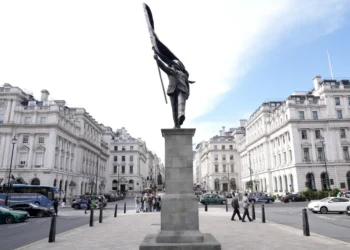 “Stealth and Scaffolding”: The Midnight Logistics Behind Banksy’s Latest London Plinth