Published: 04 May 2026. The English Chronicle Desk. The English Chronicle Online.
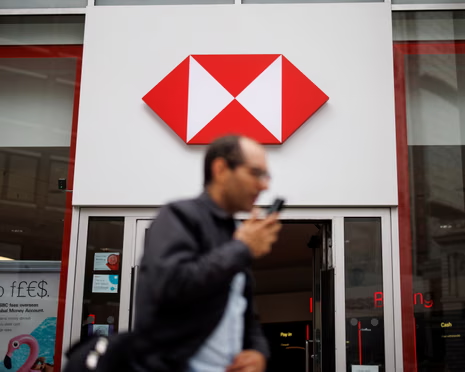
The global financial landscape faced a significant tremor this morning as HSBC announced results. The London-headquartered banking giant reported a noticeable decline in its first-quarter profits for this year. This financial downturn comes at a time of immense geopolitical instability within the Middle Eastern region. A primary factor in this decline is a substantial charge linked to the ongoing conflict. The war involving Israel and Iran has created ripples across every major international credit market. HSBC confirmed that its total profit hit reached an estimated one point three billion dollars. This figure represents a four percent drop compared to the same period during last year. Total profits for the quarter settled at nine point four billion dollars for the bank. Revenue actually saw a modest increase of six percent to reach eighteen billion dollars overall. However, these gains were overshadowed by the rising costs of potential losses on various loans. Investors reacted swiftly to the news as shares dropped by five percent on the market. This decline marked the sharpest fall for any company on the FTSE 100 index today.

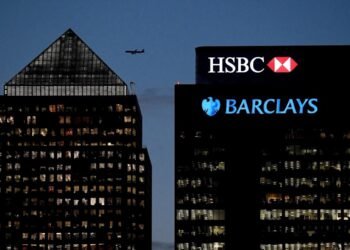
Beyond the geopolitical concerns, a specific fraud-related charge has captured the attention of city analysts. HSBC disclosed a four hundred million dollar exposure linked to a complex securitisation involving fraud. This particular issue originated within the investment banking division of the massive UK-based financial institution. Chief Financial Officer Pam Kaur explained that the charge involved loans to a private group. This unnamed private equity group was subsequently exposed to the troubled private credit lending sector. Reports suggest the situation is connected to a firm known as Mortgage Financial Solutions. This lender recently collapsed amid serious allegations of fraud and financial mismanagement during the winter. HSBC has officially refused to confirm the specific name of the firm in public statements. The Financial Times however cited sources familiar with the matter regarding this specific lender link. This development follows a similar announcement from rival bank Barclays regarding their own recent losses. Barclays previously took a two hundred million pound hit from the same collapsing mortgage lender. The UK financial regulator has now launched a formal investigation into this widening credit scandal.
The situation shines a bright light on the risks inherent within the private credit industry. High street banks often find themselves indirectly affected when these opaque sectors experience sudden failures. Ms. Kaur described the specific fraud case as idiosyncratic during her morning press briefing today. She insisted that HSBC remains extremely careful when dealing with the private credit market overall. The bank currently holds an exposure of six billion dollars to this specific lending sector. This amount is considered relatively small compared to the total balance sheet of the bank. HSBC maintains a total balance sheet worth well over one trillion dollars at this time. The executive team remains mindful of the risks associated with these types of private investments. They are currently conducting a broad review of all high-risk concentrations within their global portfolio. The bank intends to implement even more rigorous due diligence processes for all future deals. This move aims to protect the institution from secondary exposure to underlying business failures.
The impact of the war on Iran continues to weigh heavily on financial projections. HSBC allocated three hundred million dollars specifically to cover potential losses stemming from the regional conflict. Military escalations often lead to increased defaults and a general tightening of available global credit. The Middle East remains a vital hub for international trade and massive energy market stability. Any disruption in this region tends to increase the cost of doing business globally. Analysts worry that prolonged fighting could lead to further impairments in the coming fiscal quarters. The bank is monitoring the situation closely to adjust its risk models as events unfold. Global markets are sensitive to any news regarding the stability of major oil-producing nations today. HSBC must navigate these turbulent waters while maintaining its status as a leading global lender. The intersection of geopolitical warfare and corporate fraud presents a unique challenge for the board.
Investors are now questioning the transparency of private credit markets following this recent string of losses. The secretive nature of these loans makes it difficult for outsiders to assess true risk levels. Regulators in London and Washington are looking for ways to increase oversight of these firms. The collapse of Mortgage Financial Solutions has served as a wake-up call for many institutions. It demonstrates how quickly financial contagion can spread through interconnected secondary markets and private equity. HSBC is working to reassure shareholders that its core business remains strong despite these setbacks. The increase in revenue suggests that customer demand for banking services remains robust and healthy. However, the cost of risk is clearly rising in an increasingly unpredictable and violent world. The bank must prove that its risk management systems are capable of spotting early warnings. The coming months will be crucial for restoring investor confidence in the bank’s primary strategy.

The broader UK economy is also feeling the pressure of these international and domestic shocks. Higher interest rates have already put a strain on many lenders and their corporate borrowers. When combined with fraud and war, the economic outlook becomes significantly more complex for everyone. HSBC is often seen as a bellwether for the health of the global economy. Its struggles suggest that other major banks may soon report similar issues with their portfolios. The rise in soured loans is a trend that many analysts have been predicting. Central banks are watching these developments to determine their next moves regarding national interest rates. Maintaining a balance between fighting inflation and supporting growth is becoming more difficult every day. The news from HSBC highlights the fragility of the post-pandemic recovery in many global sectors. Banking leaders are calling for more stability in international relations to help calm the markets.
In conclusion, HSBC faces a challenging period as it navigates both internal and external crises. The combination of a major war and a sophisticated fraud case is a heavy burden. The bank’s leadership is taking steps to mitigate further damage and improve its internal checks. Whether these measures will be enough to satisfy the regulators and the investors remains seen. The financial world is watching closely to see how the bank handles these emerging risks. Transparency will be key as the investigation into Mortgage Financial Solutions continues to develop further. For now, the city remains cautious about the short-term prospects for the banking sector overall. The resilience of the global financial system is being tested in new and unexpected ways. HSBC intends to remain a pillar of stability despite the current headwinds it is facing. The bank will provide more updates as the situation in the Middle East evolves further. Investors hope for a return to steady growth once these immediate issues are finally resolved.
Related News:
 Reeves Faces Setback as Labour May Miss Homes Target
 Virgin Trains Moves Closer to Challenging Eurostar Monopoly
 Trump’s UK Ambassador Urges North Sea Drilling to Strengthen US Ties
 Ryanair Chief UK Economy ‘Doomed’ Under Labour
 M&S Profits More Than Halve After Cyber-Attack
 Earl of Yarmouth Faces £1.3m Legal Bill Over Family Estate
 Millionaires group urge Reeves to introduce wealth tax to ‘lift kids out of poverty’
 From Lego to Pokémon: How Adults Are Driving UK Toy Market Growth
 New laws to bolster UK’s defences against cyber attacks on NHS, transport and energy
 Canada Passes Carney’s First Budget in Tight Parliamentary Vote
 Starmer Says Labour’s Economic Plan Needs Years to Deliver
 Virgin Media Fined £23.8m Over Telecare Safety Failures
 Starmer Faces Parliamentary Battles Over UK-EU ‘Reset’ Plan
 Reeves Pub Business Rates U-Turn Calms Labour Revolt
 ScottishPower Tops List of Worst UK Energy Suppliers
 Markets Slide As Gold Rally Signals Risk From Trump Greenland Tariff Plan
 UK Eyes Global Investment with Visa Fee Refunds
 City & Guilds pay surge sparks backlash amid £22m cuts
 UK Inflation Hits 3.4% in December, Ending Five-Month Decline
 Trump Fed bid heads to Supreme Court
 ‘Black Tax’: Burden, Pride and Survival for African Workers
 AI job losses UK: Britain faces sharper employment shock
 India-EU Free Trade Deal Marks Historic Economic Shift
 EU Signals Open Mind on UK Customs Union Talks
 Telstra AI jobs cuts as automation drive expands
 BT Names New Openreach Chief Amid Major Fibre Expansion
 UK Banks Plot Payment Backup Amid Trump Fears
 UK Unemployment Rate Climbs to 5.2% Peak
 UK shelves £110m border project amid trade strain
 Aston Martin Cuts 20% Jobs Amid £363m Loss
 Switching Energy Deal Can Save £200 as Price Cap Falls
 Rachel Reeves Faces Middle East Conflict Test
 Grocery Inflation Rises Amid War Fears
 BrewDog sold Highland estate for knockdown price after abandoning reforestation plans
 Rising Costs Force Families to Rethink Days Out
 Oil Slides, Stocks Jump on Trump Peace Signals
 UK inflation held at 3% before global energy price hit
 Ticketmaster Fees Rise Despite Recent US Junk Fee Crackdown
 M&S Demands Urgent Action on Rising Violent Retail Crime
 New Era for Sick Pay as Millions Gain Critical Rights
 Oil Prices Surge as Trump Issues New Deadline to Iran
 US and Iran Agree to Two-Week Provisional Ceasefire
 Stefano Gabbana Resigns as Chair of Italian Luxury Giant
 Rolls-Royce SMR Secures £600m Boost for Nuclear Future
 Aegon Sells Historic UK Arm to Standard Life for £2bn
 Central Bank Chiefs Hold Crisis Simulation in Washington
 UK Staycations Rise as Travel Fears Grow
 Former Brexit Chief Calls for Rejoining the EU
 Albanese Rejects Gas Export Tax Push
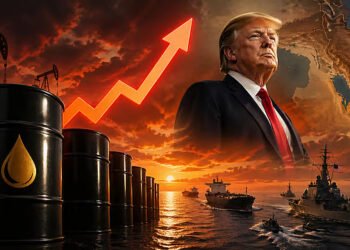 Oil Prices Surge Above $120 Amid Iran Blockade Fears
 Silent Tracks: Rail Line Without Passengers
 Trump approval plunges amid Iran war fears
 Tough Fiscal Realities Await Next Scottish Government
 DeepMind Staff Vote to Unionize Over US Military Contract
 US Awaits Iran Reply on New Ceasefire Proposal
 Aramco Surges as East-West Pipeline Counters Gulf Tensions
 Big Tobacco Under Fire Over Controversial New Ad Campaign
 High Street Crisis: Fears Grow Over Post Office Closures
 UK Firms Freeze Spending as Iran Conflict Bites
 Summer Shock: British Energy Bills Set for Grim July Hike
 Reeves to Fast-Track Clean Energy Amid Iran Crisis
 Oil Markets Face ‘Red Zone’ Threat Amid Iran Crisis
 Belfast Approves Pilot Extension of Sunday Trading Hours
 Albanese Defends Tax Reforms Amid Emotional Speech
 Tube Strike Brings Capital to a Standstill Over Shift Disputes
 BP Stands Firm on Amanda Blanc Amid Boardroom Storm
 UK House Prices Drop For Third Month Due To War Fears
 Top Chefs Back Andy Burnham to Save UK Hospitality Sector
 GSK Secures Landmark $10.6bn Deal for Nuvalent
 UK Economy Suffers a Sharp Downturn as Iran Conflict Bites
 AI Scams Push UK Investment Fraud Past £220m
 Rethinking the Blueprint for Youth Employment in Britain
 Sainsbury’s Boss Optimistic As Grocery Inflation Eases
 UK Households Suffer Squeeze As Disposable Incomes Drop
 Creditors Eye Thames Water Even Under Nationalisation
 Record £28m Fine for Virgin Media Over Cancellation Woes
 Jet2 Sees Summer Surge Despite Global Tensions
 Ukraine Creates Long-Range Strike Command
 BBC Faces Real Jeopardy as Licence Fee Income Declines
 Thames Water Future Remains Uncertain Amid Funding Crunch