Published: 29 June 2026
The English Chronicle Desk
The English Chronicle Online
The expanded World Cup format has delivered memorable stories, surprise performances and new opportunities for emerging football nations. Yet as the tournament progresses, debate continues over whether the competition has sacrificed some of its traditional drama in pursuit of greater inclusivity.
The latest edition of the World Cup introduced significant structural changes, increasing the number of participating teams and reshaping the route to the knockout stages. Organisers argued that expansion would make the tournament more representative of global football and provide more nations with a chance to compete on the sport’s biggest stage.

In many respects, those objectives appear to have been achieved.
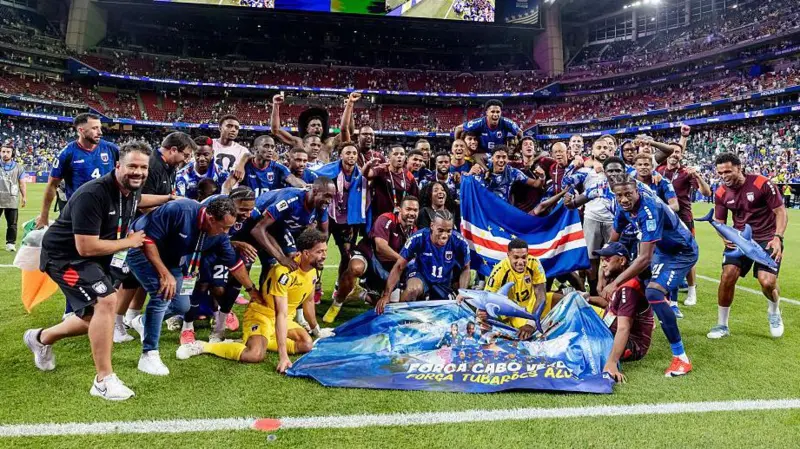
Supporters have witnessed breakthrough performances from countries that might never previously have qualified. Smaller football nations have enjoyed moments of national pride, passionate fan support and opportunities to showcase their talent to a worldwide audience.
Several underdogs have produced eye-catching results, generating headlines and capturing the imagination of neutral supporters.
These stories have become one of the defining features of the tournament.
Football has always thrived on unpredictability. The possibility that a lesser-known team might challenge established powers is part of what makes international tournaments so compelling.
The expanded format has created more opportunities for such moments to occur.
Fans from newly qualified nations have travelled in large numbers, adding colour, atmosphere and fresh narratives to the competition.
Many observers argue that this broader representation reflects football’s status as a truly global sport.
For decades, critics claimed that some regions were underrepresented at major tournaments despite growing investment and development.
Expansion was intended to address that imbalance and provide a platform for emerging football cultures.
However, while the tournament has produced plenty of stories, some analysts believe it has reduced the sense of jeopardy that traditionally defined the group stage.
In previous World Cups, a single poor performance could leave even elite teams facing elimination. Every match carried enormous significance because there was little margin for error.
Under the revised system, critics argue that stronger nations have more room to recover from setbacks.
The expanded qualification pathways and altered group-stage dynamics mean that teams can sometimes progress despite inconsistent performances.
As a result, some matches have lacked the urgency and tension that characterised earlier tournaments.
Football commentators have noted that the fear of elimination often produces some of the sport’s most dramatic moments.
Last-minute goals, unexpected exits and high-pressure encounters have long been central elements of World Cup history.
When qualification becomes slightly easier, some argue, part of that drama is inevitably diluted.
Several group-stage fixtures have illustrated this concern.
In some cases, teams entered matches knowing that defeat would not necessarily end their tournament, reducing the stakes compared with previous editions.
While supporters still enjoyed entertaining football, the emotional intensity was sometimes perceived as lower.
Defenders of the new format reject this criticism.
They argue that expansion has not removed jeopardy but merely redistributed it.
Smaller nations now have realistic opportunities to compete, while established powers still face pressure to perform consistently.
Tournament organisers also point to strong attendance figures, global television audiences and widespread public engagement as evidence that the competition remains highly compelling.
From a commercial perspective, expansion has undoubtedly increased the tournament’s reach.
More participating nations mean larger audiences, greater sponsorship opportunities and increased global interest.
Broadcasters benefit from additional matches, while football associations gain valuable exposure on the international stage.
The financial implications are significant.
Participation in a World Cup often provides national federations with resources that can be reinvested into grassroots development, coaching programmes and infrastructure projects.
Supporters of expansion argue that these benefits extend well beyond the tournament itself.
The experience gained by players, coaches and administrators can contribute to long-term growth within developing football nations.
As a result, expansion may help strengthen the global game over time.
Players have expressed mixed views regarding the changes.
Some welcome the opportunity for more countries to participate and compete at the highest level.
Others have raised concerns about fixture congestion and the increasing demands placed on athletes already facing crowded domestic schedules.
Sports scientists continue to debate the impact of longer tournaments and additional matches on player welfare.
Managing fatigue has become a growing challenge in modern football, particularly for elite players involved in multiple competitions throughout the year.
Fans themselves remain divided.
Many enjoy seeing new nations on the world stage and appreciate the fresh storylines that have emerged.
Others miss the ruthless competitiveness that once made every group-stage match feel like a knockout encounter.
The discussion reflects a broader question facing international sport: should major tournaments prioritise exclusivity or inclusivity?
Traditionalists often favour smaller fields that maximise competitive intensity.
Reformers argue that global competitions should reflect the diversity and growth of modern sport.
The World Cup’s new structure represents an attempt to balance those competing priorities.
Whether it has succeeded depends largely on how success is defined.
If the goal was to create more opportunities and expand football’s global reach, the tournament appears to have achieved considerable progress.
If the objective was to preserve every element of the high-stakes drama associated with previous editions, some observers remain unconvinced.
What is undeniable is that the competition has generated conversation.
Supporters around the world continue to debate the merits of the format while enjoying the stories unfolding on the pitch.
Unexpected heroes have emerged, new football nations have earned recognition and millions of fans have engaged with the tournament.
As the knockout rounds approach, attention will shift from structure to results.
The ultimate test of any World Cup is whether it produces unforgettable moments, compelling narratives and a worthy champion.

So far, the expanded format has certainly delivered memorable stories.
The question that remains is whether those stories are enough to compensate for what some believe is a reduction in jeopardy.
The answer may not become clear until several tournaments have passed and football can fully assess the long-term impact of its biggest competition’s most significant transformation in decades.
Related News:
 Rising World Cup Ticket Prices Spark Concern
 Scotland Branded “Unprofessional” in World Cup Fallout as England Build Momentum
 Chinese Football Fans Embrace Referee as Unexpected World Cup Figure
 Referee Controversy Raises Questions Over FIFA’s Control of the World Cup
 Nike Charges Fans Most for World Cup Replica Shirts
 Saka Playing Through Pain As England World Cup Campaign Looms
 England Cruise Past Costa Rica as World Cup Warm-Up Sharpens Tuchel’s Vision
 ‘We all love him’: Henderson backs Bellingham for England success
 Can France Escape the Ghosts of their 2002 World Cup Nightmare?
 Deschamps Shields Mbappé From Fierce Political Storm
 Messi Equals World Cup Record In Masterclass Victory
 Erling Haaland Double Fires Norway To Victory On Debut
 Iran Files Official Fifa Complaint Over World Cup Travel
 Historic Victory for Canada as They Defeat Nine-Man Qatar
 Heartbreak for Canada as Koné Suffers Horrific Injury
 Declan Rice Facing Burnout as Tuchel Confronts Midfield Crisis
 Rodrygo Reflects On World Cup Pressure And Social Media
 How ‘Little Scotland’ Is Embracing the World Cup Spirit
 Cape Verde Hold Uruguay in Dramatic World Cup Clash
 World Cup 2026: Reclaiming the American Dream
 The Forgotten Hosts Making World Cup History Behind the Scenes
 Southgate Calls for Different Approach to Boys
 Rivalry That Changed Modern Football Forever
 Can Vinicius Win Over Brazil at Last?
 Fifa Faces Backlash Over Ticket Payment Demand
 Fans Bring Flags and Fire to World Cup Scenes
 11 EFL Stars Ready to Shine at World Cup
 Arsenal Trio Named on Player of the Year List
 Three Arsenal Stars Make Award Shortlist
 Fans Invited to Share Scotland World Cup Stories
 Fans Angry Over US Visa Rules Before World Cup
 Iran Team Arrives in Mexico Amid US Visa Dispute
 “My Drinking Days Are Over” — How to Enjoy an Alcohol-Free World Cup
 Kane Enters Ballon d’Or Debate After Bayern Form, but World Cup Seen as Decisive Factor
 Football Regulator Contacts West Ham Over “Serious Allegations” Linked to Sullivan
 David Sullivan Barred from Contact with West Ham Women’s and Youth Teams Since 2023
 Safeguarding Probe Limits West Ham Owner’s Role
 Football Hopes to Outshine World Cup Drama in Mexico
 Tension Grips Mexico City Ahead of World Cup Opener
 Inside the Three Lions: Bellingham Reveals Euro 2024 Flaws
 Chaos and Celebration at the Historic Azteca Stadium
 Real Madrid Sign Marc Cucurella From Chelsea
 Why Bringing Back Jordan Henderson Is Thomas Tuchel’s Masterstroke
 World Cup Fury as Iran Coach Slams Fifa and US
 Tuchel’s England Mission Goes Beyond Football Success
 New Premier League Fixtures Set Stage for Thrilling Season
 London Set to Honour Euro 2025 Champions as Lionesses Take Victory Parade Through the Capital
 Tottenham Takes On Newcastle
 Rugby Confronts Safety Concerns with Smart Mouthguards at Women’s World Cup
 Premier League Supercomputer Predicts Tough Season for Man Utd Amid Three-Team Title Battle
 Mbappé Hat-Trick Powers Real Madrid to 5-0 Rout Over Kairat
 Chaos at Ibrox as Martin’s Rangers Era Comes to an End
 Wolvaardt’s Masterclass Fires South Africa into First World Cup Final
 UK and Ireland Announce Venues for Euro 2028 Tournament
 Saka Solidifies Role as Tuchel’s Key England Lieutenant
 Tiny Curacao Makes History as Smallest Nation to Reach World Cup
 Australia Face Big Changes as Cummins and Lyon Ruled Out of Ashes
 Raducanu Battles Injury as Britain Exit United Cup
 Manchester United Fan Group Targets Jim Ratcliffe Over Club Chaos
 ALL GUNNS BLAZING: Arsenal vs Wigan LIVE SCORE – FA Cup Updates
 Swearing, Illicit Filming & Rule Changes – What Next in Curling Cheating Row?
 Hilary Knight speaks out on Trump’s recent hockey remarks
 Can Chelsea Kick‑Start Faltering Palmer?
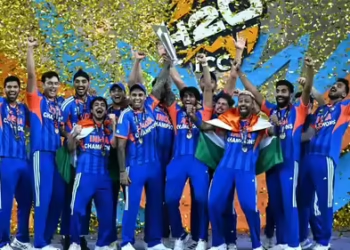 India T20 World Cup Triumph Seals Historic Title Defence
 Abramovich Chelsea Sale Cash Faces Jersey Probe
 Scotland World Cup Party in Boston Gets Green Light After Security Breakthrough
 Iranian Captain Departs Australia Amid Asylum Tension
 Schmeichel Injury Sparks Denmark Debate
 Sunderland Stun Newcastle as Brobbey Strikes Late Winner
 Eddie Howe Faces Seven Game Test to Secure Newcastle Future
 Tiger Woods: Golf Legend Steps Away to Seek Treatment
 Van Dijk Rallies Liverpool for Massive PSG Comeback
 Premier League Clubs Tense Over Regulator Costs
 Beyond the Swoosh: Anta Sports Overtakes Rivals to Become Global Top Three
 “Three-Wheeled Triumph”: Mayor of Erewash Completes 2,000-Mile European Charity Run
 Premier League drama defines crucial weekend
 Arteta urges Arsenal to step up in Atlético semi-final
 Champions at Last: Arsenal Conquer the Premier League
 The Battle for Wembley Sparking Unprecedented Legal Warfare
 Stokes Retirement Announcement Dominates Dramatic Fourth Day of Deciding Test