Published: 29 June 2026
The English Chronicle Desk
The English Chronicle Online
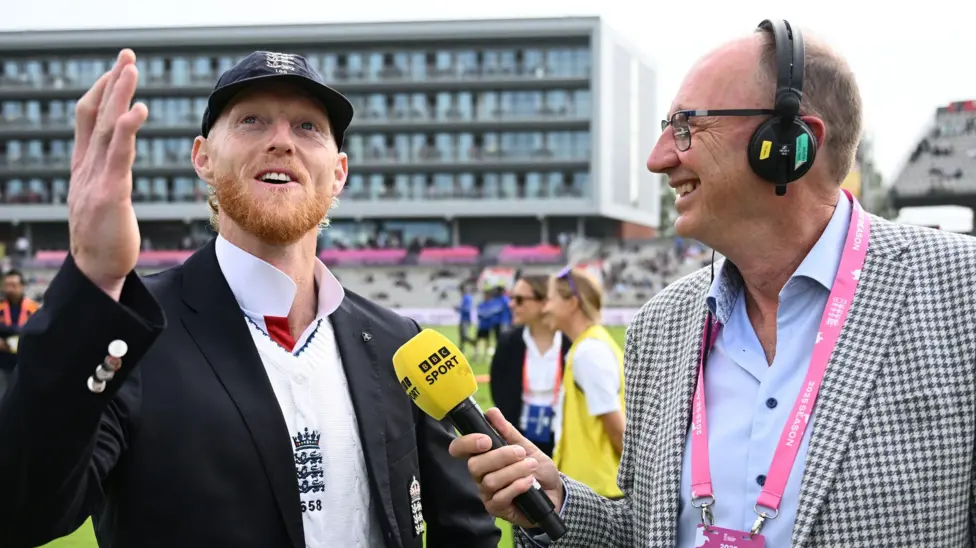
The retirement of one of England’s most influential cricketers has sparked widespread discussion across the sporting world, with commentators describing the departure as an unconventional end to an extraordinary career.
Former England player and cricket analyst Jonathan Agnew said the manner of the player’s exit was unusual, reflecting how modern sport increasingly blurs the lines between tradition, personal choice and professional demands.
For generations, sporting legends have often sought the perfect farewell: a final victory, a farewell tour or one last memorable performance before stepping away from the game.

Yet reality rarely follows a script.
Instead, many great athletes leave amid changing circumstances, injuries, team transitions or evolving personal priorities.
This latest retirement has reignited debate about how sporting careers end and whether there is ever an ideal moment for elite athletes to walk away.
The player in question leaves behind a remarkable legacy built over years of international competition, leadership and unforgettable performances.
Throughout a career spanning multiple eras of English cricket, they became one of the defining figures of the national team.
Supporters admired not only their talent but also their determination, resilience and ability to perform under pressure.
Former teammates have paid tribute to a player who helped shape some of England’s most significant achievements.
Many described the retiree as a competitor who consistently pushed standards higher and inspired younger players entering the international game.
Their influence extended far beyond statistics.
Leadership qualities, commitment to team success and willingness to shoulder responsibility made them a respected figure within dressing rooms and among supporters.
However, unlike the carefully choreographed farewells often imagined in sporting folklore, this retirement arrived in circumstances that many observers viewed as unexpected.
Agnew suggested that the departure reflected the realities of modern professional sport, where careers are increasingly influenced by physical demands, packed schedules and personal considerations.
Elite athletes today face challenges that differ significantly from previous generations.
International calendars are crowded, expectations are constant and scrutiny from media and supporters is relentless.
As a result, decisions about retirement can become more complex than simply choosing a final match.
Sports psychologists note that retirement is often one of the most difficult transitions athletes experience.
For years, elite competitors structure their lives around training, competition and performance goals.
Stepping away from that environment can bring uncertainty, even for those who have enjoyed highly successful careers.
Many athletes spend months or even years considering retirement before making a final decision.
Factors such as physical fitness, family commitments, motivation and future ambitions all play important roles.
In some cases, players choose to leave while still capable of competing at the highest level rather than waiting until declining performances force the decision.
Supporters frequently struggle with these departures.
Fans often form strong emotional connections with sporting heroes and hope to see them continue competing for as long as possible.
When retirement arrives unexpectedly, reactions can include surprise, disappointment and nostalgia.
Social media has been flooded with tributes celebrating the player’s achievements and contributions to English cricket.
Former opponents have also praised the retiree’s impact on the international game.
Many acknowledged the challenges of competing against a player whose determination and skill frequently influenced major contests.
Several described them as one of the defining cricketers of their generation.
The retirement also raises questions about England’s future.
Whenever a long-serving player leaves, attention quickly turns to succession planning and the next generation of talent.
Selectors and coaches now face the challenge of replacing not only a highly accomplished performer but also an experienced leader.
Cricket experts argue that replacing influence is often more difficult than replacing runs, wickets or other measurable contributions.
Veteran players provide stability, guidance and institutional knowledge that cannot easily be replicated.
Younger teammates frequently rely on their experience during difficult moments.
The departure therefore represents both an ending and a beginning.
While supporters reflect on past achievements, emerging players will have opportunities to establish themselves within the national team.
Transitions of this kind are a natural part of sport, even when they involve iconic figures.
Agnew’s description of the retirement as unconventional has resonated because it reflects a broader truth about elite sport.
Careers rarely conclude exactly as imagined.
Some athletes leave after triumphs, others after disappointments, and many somewhere in between.
What ultimately matters is not the manner of departure but the legacy left behind.
In this case, that legacy appears secure.
Over the course of a distinguished career, the player helped shape English cricket and provided countless memorable moments for supporters.
Records may eventually be surpassed and future stars will emerge, but their contribution to the game will remain an important part of cricket history.
As tributes continue to arrive from across the sporting world, attention is gradually shifting from how the career ended to what it achieved.

The unconventional nature of the farewell may generate headlines, but it is the years of dedication, excellence and influence that will define how this English great is remembered.
For supporters, the retirement marks the close of a significant chapter.
For English cricket, it signals the beginning of another.
And for the player at the centre of the story, it represents an opportunity to embark on a new journey beyond the sport that shaped so much of their life.
Related News:
 Top Run-Scorer, Wicket-Taker and Champion – T20 World Cup Predictions
 ICC Men’s T20 World Cup – Everything You Need to Know
 Ben Stokes injury joke after brutal ball strike
 England Too Careful in Windies Defeat
 T20 World Cup: Ireland Beat Oman by 96 Runs
 Tom Banton Shines as England Hopes Soar in T20 World Cup
 Gower, Waugh and Gavaskar Among Cricket Legends Calling for Imran Khan to Receive Proper Medical Care
 ‘I Won’t Bat for Myself to Correct Form’ – Buttler
 Zimbabwe Stun Sri Lanka to Finish Top of Group B
 Buttler Eyes Vital Run Surge as England Face New Zealand
 India T20 World Cup Triumph Seals Historic Title Defence
 T20 World Cup 2026: Full Fixtures and Results Recap
 T20 World Cup 2026: Top Run‑Scorers and Wicket‑Takers Revealed
 Father and Son Score Record 590 Run Partnership
 McCullum Faces Pressure to Bridge England County Gap
 The 15-Year-Old Indian Cricket Prodigy
 Jos Buttler Searches for Form as the IPL Returns
 Teenage Titan: Sooryavanshi Smashes IPL Records
 Middlesex Icons Launch Bold Revolt Against Club Leadership
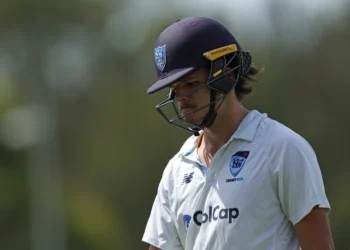 Sam Konstas Dropped as Australia Unveils New Contract List
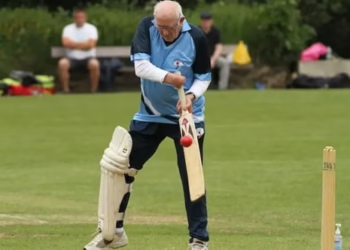 ECB Faces Backlash Over Disability Premier League Inclusion
 Streaming Giants Target Historic Ashes Broadcast Rights
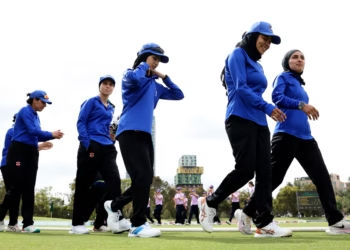 Afghan Women’s Cricket Dreams Remain Undimmed
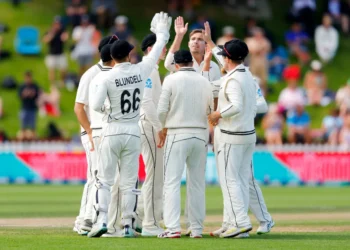 Robinson Shines as New Zealand Collapse for 113
 England’s Hopes Rest Again on Ollie Robinson
 Stokes and Atkinson Under Investigation Following Alleged Nightclub Incident
 Stokes Captaincy Crisis After London Nightclub Incident
 Captain in the Spotlight: The Future of England Cricket
 Kane Williamson Retires From International Cricket
 Blackpool Cricket Stands Firm Amid County Struggles
 Stokes Retirement Announcement Dominates Dramatic Fourth Day of Deciding Test
 Ben Stokes Was Fallible But That Made Him Our Champion
 London Set to Honour Euro 2025 Champions as Lionesses Take Victory Parade Through the Capital
 Tottenham Takes On Newcastle
 Golden Glory Beckons: Ballon d’Or 2025 Nominee Frenzy Ignites Global Football Stage
 Rugby Confronts Safety Concerns with Smart Mouthguards at Women’s World Cup
 Premier League Supercomputer Predicts Tough Season for Man Utd Amid Three-Team Title Battle
 Mbappé Hat-Trick Powers Real Madrid to 5-0 Rout Over Kairat
 Chaos at Ibrox as Martin’s Rangers Era Comes to an End
 Wolvaardt’s Masterclass Fires South Africa into First World Cup Final
 UK and Ireland Announce Venues for Euro 2028 Tournament
 Saka Solidifies Role as Tuchel’s Key England Lieutenant
 Tiny Curacao Makes History as Smallest Nation to Reach World Cup
 Australia Face Big Changes as Cummins and Lyon Ruled Out of Ashes
 Damien Martyn in Induced Coma After Meningitis Diagnosis
 Raducanu Battles Injury as Britain Exit United Cup
 Manchester United Fan Group Targets Jim Ratcliffe Over Club Chaos
 Geopolitical football: Iran, Trump and the World Cup clash
 ALL GUNNS BLAZING: Arsenal vs Wigan LIVE SCORE – FA Cup Updates
 Swearing, Illicit Filming & Rule Changes – What Next in Curling Cheating Row?
 Hilary Knight speaks out on Trump’s recent hockey remarks
 Can Chelsea Kick‑Start Faltering Palmer?
 Abramovich Chelsea Sale Cash Faces Jersey Probe
 Scotland World Cup Party in Boston Gets Green Light After Security Breakthrough
 Iranian Captain Departs Australia Amid Asylum Tension
 Schmeichel Injury Sparks Denmark Debate
 Sunderland Stun Newcastle as Brobbey Strikes Late Winner
 English Football’s Managerial Merry-Go-Round Has Become a Circus
 Eddie Howe Faces Seven Game Test to Secure Newcastle Future
 Tiger Woods: Golf Legend Steps Away to Seek Treatment
 Can Congress Stop US Sports Teams From Moving Cities?
 Miles Jupp: How the Magic of the Ashes Sparked a Bold Blag
 Van Dijk Rallies Liverpool for Massive PSG Comeback
 Premier League Clubs Tense Over Regulator Costs
 Cricket’s New Era: Seeking Substance Beyond the Glitz
 Beyond the Swoosh: Anta Sports Overtakes Rivals to Become Global Top Three
 “Three-Wheeled Triumph”: Mayor of Erewash Completes 2,000-Mile European Charity Run
 Premier League drama defines crucial weekend
 Arteta urges Arsenal to step up in Atlético semi-final
 Champions at Last: Arsenal Conquer the Premier League
 The Battle for Wembley Sparking Unprecedented Legal Warfare
 Fans Bring Flags and Fire to World Cup Scenes
 Fans Invited to Share Scotland World Cup Stories
 Iran Team Arrives in Mexico Amid US Visa Dispute
 Football Regulator Contacts West Ham Over “Serious Allegations” Linked to Sullivan
 Saka Playing Through Pain As England World Cup Campaign Looms
 England Cruise Past Costa Rica as World Cup Warm-Up Sharpens Tuchel’s Vision
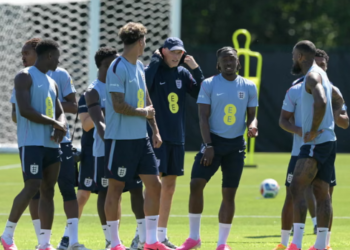 Tuchel’s England Mission Goes Beyond Football Success
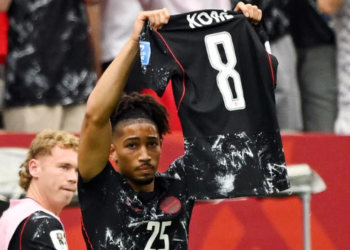 Historic Victory for Canada as They Defeat Nine-Man Qatar
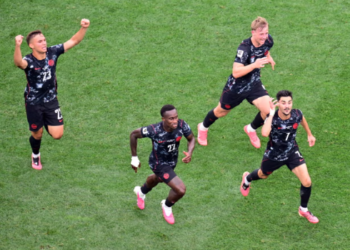 Canada Secure Historic Last 16 Spot with Late Goal