Published: 29 June 2026
The English Chronicle Desk
The English Chronicle Online
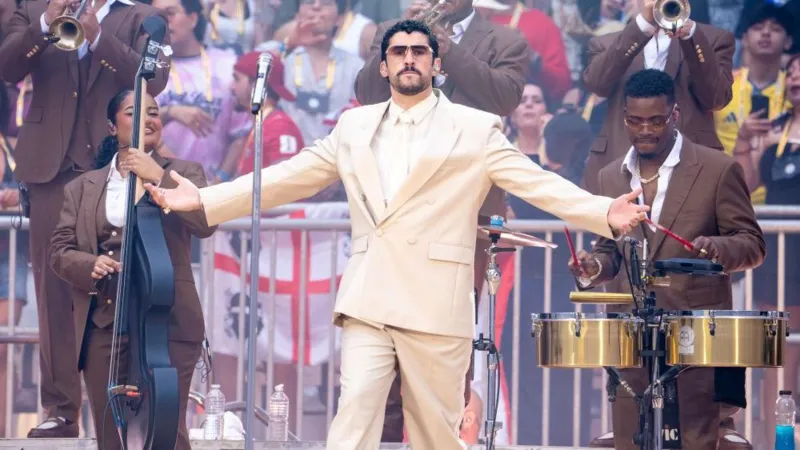
Global music superstar Bad Bunny has made history with a landmark stadium performance in London, delivering a spectacular show that highlighted the growing influence of Latin music on the international stage.
The Puerto Rican artist, widely regarded as one of the most influential performers of his generation, drew tens of thousands of fans for an event that many music industry observers described as a milestone moment for Latin music in the United Kingdom.
The concert showcased not only Bad Bunny’s extensive catalogue of hits but also the remarkable rise of Spanish-language music in markets that were once dominated almost exclusively by English-language artists.

For many attendees, the evening represented more than a concert. It was a celebration of cultural diversity, global music trends and the growing popularity of Latin artists across Europe.
Over the past decade, Latin music has experienced unprecedented international growth.
Streaming platforms, social media and global touring networks have helped artists reach audiences far beyond their traditional markets.
Songs performed primarily in Spanish now regularly appear on international charts, while Latin artists have become some of the most streamed musicians in the world.
Bad Bunny has been at the centre of this transformation.
Born Benito Antonio Martínez Ocasio in Puerto Rico, the artist rose from regional success to global superstardom through a combination of genre-blending music, distinctive style and an ability to connect with audiences across cultures.
His music incorporates elements of reggaeton, trap, pop, electronic music and traditional Latin sounds, creating a style that appeals to listeners around the world.
Industry analysts often cite Bad Bunny as one of the key figures responsible for helping Latin music achieve mainstream international success.
Unlike previous generations of artists who often crossed over by recording English-language material, Bad Bunny has largely maintained Spanish as his primary language while still achieving extraordinary global popularity.
His London stadium show reflected that achievement.
Thousands of fans sang along to songs in Spanish, creating an atmosphere that demonstrated how music increasingly transcends language barriers.
Many concertgoers described the performance as energetic, emotional and culturally significant.
The production featured elaborate visuals, dynamic stage design and a setlist spanning multiple phases of the artist’s career.
From chart-topping anthems to more personal tracks, the concert offered a comprehensive overview of the music that has made Bad Bunny one of the world’s most successful performers.
Critics praised the scale of the event and the enthusiasm of the audience.
Music commentators noted that filling a major London stadium represents a significant accomplishment for any artist, particularly one performing primarily in a language that is not the country’s most widely spoken.
The event is being viewed by many as evidence of changing listening habits among music fans.
Streaming services have transformed how audiences discover music, allowing listeners to access songs from virtually any country or genre.
As a result, international artists now enjoy opportunities that would have been far more difficult to achieve in previous decades.
Bad Bunny’s success reflects this broader shift.
His rise has coincided with growing demand for global music and increasing interest in diverse cultural influences.
Many younger listeners are comfortable engaging with music regardless of language, focusing instead on rhythm, emotion and artistic expression.
The London performance also highlighted the economic impact of major touring artists.
Large-scale concerts generate significant revenue for venues, local businesses and tourism sectors.
Hotels, restaurants and transport services often benefit from the influx of visitors attending major events.
City officials and entertainment industry representatives frequently point to such concerts as valuable contributors to local economies.
Beyond the commercial success, however, many observers emphasised the cultural significance of the show.
Latin communities across the UK celebrated the event as recognition of the growing influence of Latin culture within British society.
For some attendees, seeing a Spanish-language artist headline a major stadium represented a powerful symbol of representation and inclusion.
The concert also underscored the increasingly global nature of contemporary entertainment.
Artists today can build international audiences through digital platforms long before visiting a country in person.
By the time they arrive, fan communities may already be well established.
Bad Bunny’s London audience reflected this phenomenon.
Fans travelled from across the UK and beyond, demonstrating the artist’s ability to attract diverse audiences united by a shared appreciation for his music.
Music historians note that global music trends have evolved significantly over recent decades.
Genres once considered niche in certain markets now frequently achieve mainstream success.
K-pop, Afrobeats and Latin music have all experienced substantial international growth, challenging traditional assumptions about what kinds of artists can succeed globally.
Bad Bunny’s stadium performance may therefore be remembered as part of a larger cultural shift.
The event demonstrated how audiences are increasingly embracing music from different languages, backgrounds and traditions.
For the artist himself, the concert represented another milestone in an already remarkable career.
Having broken numerous streaming records and earned international acclaim, he continues to expand the boundaries of what a Latin artist can achieve on the global stage.
Fans leaving the stadium spoke of witnessing a historic occasion.

Many described the atmosphere as unforgettable, with thousands of voices joining together in songs that originated thousands of miles away but resonated strongly in the heart of London.
As the final lights dimmed and crowds dispersed into the night, one message appeared clear: Latin music is no longer simply crossing borders—it has become a central part of the global cultural landscape.
Bad Bunny’s history-making London stadium show served as a powerful reminder of that reality, celebrating both the artist’s extraordinary success and the growing influence of Latin music around the world.
Related News:
 ‘Some Might Pay’: The Guitar That Built ‘(What’s the Story) Morning Glory?’ Heads to Auction
 Chaos for Concertgoers: Wireless Festival Cancelled Amid Kanye West Entry Row
 Heartbreak on the Rails: World-Renowned Violinist, 79, Pleas for Return of Stolen Instrument
 King of Pop Biopic Trashed as ‘Bland and Soulless’ Cash Grab
 “PCD Maybe Never”: Pussycat Dolls Ax North American Tour Amid Sluggish Ticket Sales
 Judge Urges Settlement in Gaza Comments Dispute
 Stormzy Leads Tributes as Music World Remembers Slain Grammy-Winning Artist
 Olivia Rodrigo May Sing About Heartbreak, but She Already Knows Her Wedding Song
 Isle of Wight Festival Opens With Music, Colour and Celebration
 Ozzy Osbourne: The Prince of Darkness Bows Out, Leaving Behind a Legacy of Metal and Myth
 Unseen Killers of the Deep Inside the UK Lab Uncovering the Silent Deaths of Sea Creatures
 Gen Z Embraces the Big, Bold ‘Fake’ Indian Wedding Party Trend
 My Husband Won’t Stop Playing with Lego and It’s Driving Me Nuts
 Sean Hayes Reimagined: From Sitcom Stardom to Serious Stage Acclaim
 Russell T Davies Warns of Declining UK Gay Rights Amid Rise of Reform UK and Trump Influence
 Terence Stamp, ’60s British Film Legend and Star of Superman, Dies at 87
 September’s Must-See Films: From Spinal Tap II to Leonardo DiCaprio’s Latest Thriller
 Watchdog, Cornflakes and Courage: Remembering John Stapleton, a Broadcaster Who Did It All
 Beloved Actress Dame Patricia Routledge Dies Aged 96
 Karen Carney Shines on Strictly Come Dancing Week Two Despite Tango Wobbles
 Jilly Cooper: The Bonkbuster Queen Who Redefined Romantic Fiction
 Paedophile Singer Ian Watkins Dies After Prison Attack
 Strictly Celebs Starstruck as Cynthia Erivo Shines
 Man Charged Over 2020 Death of Tattoo Artist Georgina Ward
 Kate Winslet to Narrate Film Highlighting King’s Environmental Mission
 Top Christmas Books Reads: Classics to Cozy Romcoms
 Pauline Collins, Beloved ‘Shirley Valentine’ Star, Dies at 85
 I’m a Celebrity 2025 line-up revealed: Osbourne joins
 VAR Must Rein Its Neck In to Save Football’s Spirit
 From Lego to Pokémon: How Adults Are Driving UK Toy Market Growth
 Pokémon to open world’s first theme park in Japan next year
 SS Rajamouli Announces ‘Varanasi,’ a Mythic Time-Travel Epic
 Eminem Takes Legal Aim at Australian ‘Swim Shady’ Brand
 The Lasting Legacy of Seven: Crime, Morality, and Urban Decay
 Director Michael Caton-Jones Reflects on Career and Beginnings
 Rusty Bond-Era Aston Martin Restored to £1m Glory
 Pavarotti statue frozen in Italian ice rink sparks backlash
 Nancy Sacked by Celtic as O’Neill Returns for Season
 Julia Donaldson Reveals New Character and Title for Third Gruffalo Book
 Top 10 Must-See Films Arriving This February
 He Was Once a Teen ‘Superstar’. Why Did James Van Der Beek Need Help to Pay His Medical Bills?
 Why Margot Robbie and Jacob Elordi’s ‘Mutual Obsession’ Is Giving Some Fans the Ick
 Live Nation Sees Strong Ticket Sales as Monopoly Lawsuit Looms
 Meet Robert Aramayo: From Humble Beginnings in Hull to Juilliard and BAFTA Glory After Beating Timothée Chalamet
 ‘We Pray for Peace’: Indian Filmmaker From Troubled State Who Won a BAFTA
 Pacquiao and Mayweather Agree Professional Rematch for September
 Man, 83, in Taylor Swift Video Had ‘No Idea Who She Was’
 Tracey Emin Says My Bed Would Be ‘Tidy, Clean and Boring’ If Made Today
 Netflix Drops Bid for Warner Bros, Clearing Way for Paramount Takeover
 Marshals Is an Action‑Packed Spin‑Off That Yellowstone Fans Will Love
 David and Victoria Beckham Wish Brooklyn Happy Birthday Despite Family Feud
 Tears and Cheers as Controversial Long‑Running Australian Breakfast Radio Show Implodes
 Katie Price’s Husband Hit by ‘Tinder Swindler’ Claims
 Noma Head Chef Resigns Amid Abuse Allegations
 Joanna Lumley: ‘I Wash My Face with Whatever Soap’s Lying on the Side of the Bath’
 ‘My Hatred of Dogs is Ruining My Love Life’
 John Bengtson: The ‘Silent Film Sleuth’ Who Found History in the Background
 Scott Mills Sacked by BBC Over Personal Conduct Claims
 ‘I’m So Ready’: Céline Dion Announces 10-Night Paris Comeback Residency
 Shock Exit: Scott Mills Sacked from Radio 2 Over ‘Historic Relationship’ Allegations
 “It Ends With Trial”: Judge Tosses Blake Lively’s Sexual Harassment Claims Against Justin Baldoni
 US Senators Slam Ticketmaster Over Sneaky New Fee Hikes
 Keir Starmer Expresses Concern Over Kanye West Wireless Festival Dates
 Lil Nas X Enters Recovery Path to Resolve Police Assault Case
 The Suffocating Silhouette: Why Metal’s Mask Trend is Turning Deadly
 Turning Point: Britney Spears Enters Rehabilitation Following DUI Incident
 The Spectrum of Wit: All-Autistic Comedy Line-up Breaks ‘Seismic’ Ground
 Arrest Made: Singer D4vd Held Without Bail in Death of 14-Year-Old Girl
 Blockbuster Resurrection: Avengers Reassemble and Top Gun Returns as Studios Tease 2026 Slate
 Rebel Wilson Denies Role in Smear Campaign Trial
 “The Reality Reckoning”: Government Demands Accountability as Channel 4 Pulls Married at First Sight UK Over Grave Sexual Assault Allegations
 “A Permanent Part of the Tapestry”: Kylie Minogue Reflects on the Enduring Echoes of Her Cancer Journey
 Whistler’s Mother and why its fame frustrated artist
 Mandalorian Movie Hits Record Disney Era Low at Box Office
 Fans Bring Flags and Fire to World Cup Scenes
 11 EFL Stars Ready to Shine at World Cup
 Fans Invited to Share Scotland World Cup Stories
 Idris Elba Warns Against “Woke” Direction for James Bond Character
 Saving the Scalloped Hammerhead: The Pacific Battle