Published: 19 May 2026. The English Chronicle Desk. The English Chronicle Online
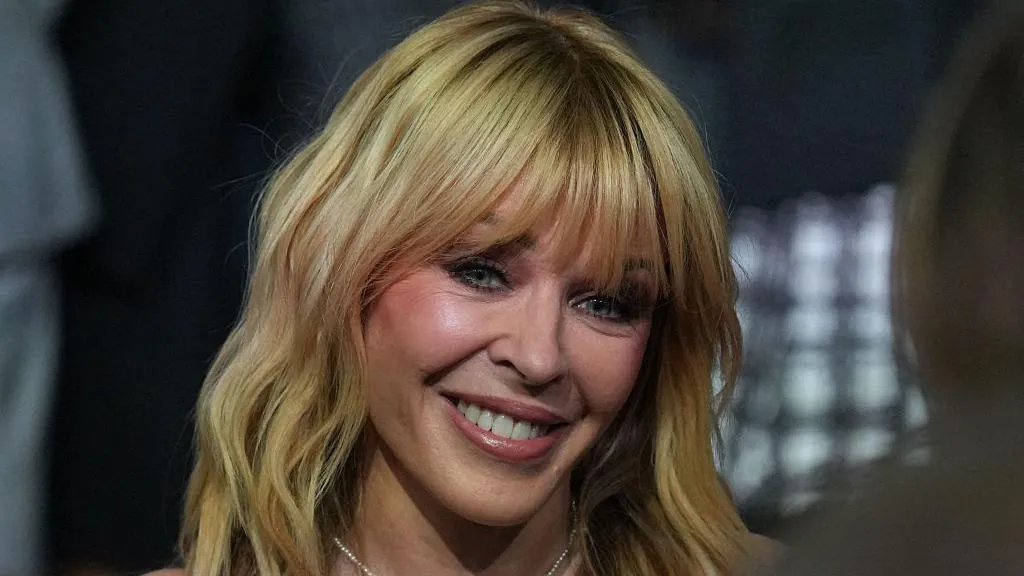
In a deeply personal and candid new interview, global pop icon Kylie Minogue has opened up about the lingering, “asymmetric” impact of her 2005 breast cancer diagnosis, revealing that despite being cancer-free for over two decades, the experience remains an inseparable, “clinical” part of her life’s tapestry. Speaking with a rare vulnerability that has moved her millions of fans, the 57-year-old singer described how the trauma of that period does not simply vanish with a clean bill of health; instead, it evolves, becoming a quiet, constant presence that informs her perspective on art, resilience, and the fragile nature of success. Her reflection arrives at a pivotal moment in her career, as she prepares to launch an international retrospective tour that will chart the evolution of her music from the 1980s through to the present day.

The trajectory of Minogue’s recovery has been anything but linear, moving at a pace that often feels like a “160 MPH clip” only to stall in moments of sudden, profound reflection. Minogue shared that while the physical battles are long since concluded, the psychological “resilience deficit” created by such a high-profile health crisis can be surprisingly durable. “It is still with me,” she stated, emphasizing that for many cancer survivors, the term “survivor” itself can feel inadequate—a “nasty” misnomer that fails to capture the ongoing, daily process of integration. For Minogue, the cancer journey created a significant “bottleneck” in her mid-career creative identity, forcing her to confront her own mortality at the exact moment the world expected her to remain a static, untouchable pop fantasy.
This realization has led Minogue to a deeper, more introspective phase of her life, where she now balances her massive global profile with a quiet, “clinical” commitment to health advocacy. The singer has frequently broken her “clinical silence” to speak about the importance of early detection, moving beyond the traditional PR-managed wellness narratives to engage with the grittier, uncomfortable realities of long-term survivorship. By speaking openly about the anxiety that often accompanies follow-up scans—a phenomenon widely recognized in oncology as “scanxiety”—she is effectively combating the “accountability rot” that often plagues the public’s understanding of cancer, which tends to binary-categorize individuals as either “sick” or “healthy,” ignoring the years of maintenance and psychological adjustment in between.
The upcoming tour, which is expected to break box office records, serves as a celebration of this hard-won stability. Minogue noted that the music she produced in the immediate aftermath of her treatment carries a different, “asymmetric” emotional weight compared to her earlier disco-pop hits. “There was a different texture to the sound, a different level of surrender,” she observed. This period of her career was defined by a profound, “speechless determination” to reconnect with her audience in a way that was authentic and stripped of artifice, laying the groundwork for the highly engaged, multi-generational fanbase she commands today.

For her followers, Minogue’s transparency has become a powerful, anchoring force. By acknowledging that the experience “is still with me,” she validates the struggles of thousands of survivors who feel the pressure to “get back to normal” before they are mentally prepared to do so. Her ability to hold space for both her immense public success and her private, ongoing healing process serves as a model of contemporary resilience. As she prepares to step onto stages across the globe, Minogue carries the full weight of her history with her—not as a burden, but as a testament to the fact that the most profound growth often occurs in the most challenging, unexpected chapters of our lives.
Related News:
 Ozzy Osbourne: The Prince of Darkness Bows Out, Leaving Behind a Legacy of Metal and Myth
 Justin Timberlake Shares His Lyme Diagnosis and the Strain of Performing Through Illness
 Unseen Killers of the Deep Inside the UK Lab Uncovering the Silent Deaths of Sea Creatures
 Gen Z Embraces the Big, Bold ‘Fake’ Indian Wedding Party Trend
 My Husband Won’t Stop Playing with Lego and It’s Driving Me Nuts
 Sean Hayes Reimagined: From Sitcom Stardom to Serious Stage Acclaim
 Russell T Davies Warns of Declining UK Gay Rights Amid Rise of Reform UK and Trump Influence
 Terence Stamp, ’60s British Film Legend and Star of Superman, Dies at 87
 September’s Must-See Films: From Spinal Tap II to Leonardo DiCaprio’s Latest Thriller
 Watchdog, Cornflakes and Courage: Remembering John Stapleton, a Broadcaster Who Did It All
 Patricia Crowther, Known as UK’s Oldest Witch, Dies Aged 97
 Beloved Actress Dame Patricia Routledge Dies Aged 96
 Karen Carney Shines on Strictly Come Dancing Week Two Despite Tango Wobbles
 Jilly Cooper: The Bonkbuster Queen Who Redefined Romantic Fiction
 Celebrity Traitors First Look: A Star-Studded Highland Adventure That Hooks from the Start
 Paedophile Singer Ian Watkins Dies After Prison Attack
 Strictly Celebs Starstruck as Cynthia Erivo Shines
 Man Charged Over 2020 Death of Tattoo Artist Georgina Ward
 Kate Winslet to Narrate Film Highlighting King’s Environmental Mission
 Top Christmas Books Reads: Classics to Cozy Romcoms
 Pauline Collins, Beloved ‘Shirley Valentine’ Star, Dies at 85
 I’m a Celebrity 2025 line-up revealed: Osbourne joins
 VAR Must Rein Its Neck In to Save Football’s Spirit
 From Lego to Pokémon: How Adults Are Driving UK Toy Market Growth
 Pop Stars Call on UK Government to Cap Resale Prices for Fans
 Pokémon to open world’s first theme park in Japan next year
 SS Rajamouli Announces ‘Varanasi,’ a Mythic Time-Travel Epic
 Tom Cruise Receives Honorary Oscar, Celebrates Cinema
 Eminem Takes Legal Aim at Australian ‘Swim Shady’ Brand
 The Lasting Legacy of Seven: Crime, Morality, and Urban Decay
 Director Michael Caton-Jones Reflects on Career and Beginnings
 Rusty Bond-Era Aston Martin Restored to £1m Glory
 Pavarotti statue frozen in Italian ice rink sparks backlash
 Nancy Sacked by Celtic as O’Neill Returns for Season
 ‘A long time coming’: US table tennis finds its moment
 Julia Donaldson Reveals New Character and Title for Third Gruffalo Book
 90s Music Icon Dies as Daughter Pays Heartbreaking Seven-Word Tribute
 Top 10 Must-See Films Arriving This February
 He Was Once a Teen ‘Superstar’. Why Did James Van Der Beek Need Help to Pay His Medical Bills?
 Why Margot Robbie and Jacob Elordi’s ‘Mutual Obsession’ Is Giving Some Fans the Ick
 Actor Ross Kemp to Return to EastEnders for Short Stint
 How Robert Duvall Became a Hollywood Great
 Gordon Ramsay’s Stressful New Netflix Series Shines
 Live Nation Sees Strong Ticket Sales as Monopoly Lawsuit Looms
 Meet Robert Aramayo: From Humble Beginnings in Hull to Juilliard and BAFTA Glory After Beating Timothée Chalamet
 ‘We Pray for Peace’: Indian Filmmaker From Troubled State Who Won a BAFTA
 Pacquiao and Mayweather Agree Professional Rematch for September
 Man, 83, in Taylor Swift Video Had ‘No Idea Who She Was’
 Tracey Emin Says My Bed Would Be ‘Tidy, Clean and Boring’ If Made Today
 Netflix Drops Bid for Warner Bros, Clearing Way for Paramount Takeover
 Marshals Is an Action‑Packed Spin‑Off That Yellowstone Fans Will Love
 David and Victoria Beckham Wish Brooklyn Happy Birthday Despite Family Feud
 Tears and Cheers as Controversial Long‑Running Australian Breakfast Radio Show Implodes
 Katie Price’s Husband Hit by ‘Tinder Swindler’ Claims
 Noma Head Chef Resigns Amid Abuse Allegations
 Prisoner: Cell Block H Star Wendy Playfair Dies Aged 99
 Olivia Dean’s Streak Continues at Mobo Awards
 Joanna Lumley: ‘I Wash My Face with Whatever Soap’s Lying on the Side of the Bath’
 ‘My Hatred of Dogs is Ruining My Love Life’
 John Bengtson: The ‘Silent Film Sleuth’ Who Found History in the Background
 Scott Mills Sacked by BBC Over Personal Conduct Claims
 ‘I’m So Ready’: Céline Dion Announces 10-Night Paris Comeback Residency
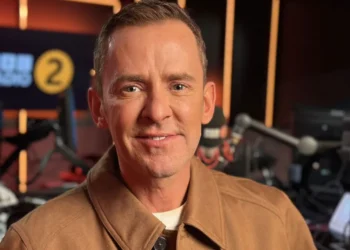 Shock Exit: Scott Mills Sacked from Radio 2 Over ‘Historic Relationship’ Allegations
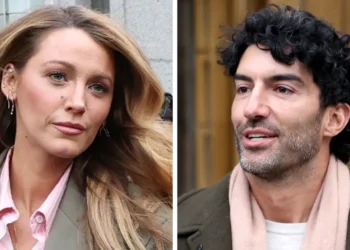 “It Ends With Trial”: Judge Tosses Blake Lively’s Sexual Harassment Claims Against Justin Baldoni
 US Senators Slam Ticketmaster Over Sneaky New Fee Hikes
 Keir Starmer Expresses Concern Over Kanye West Wireless Festival Dates
 Lil Nas X Enters Recovery Path to Resolve Police Assault Case
 ‘Really Feeling the Love’: Savannah Guthrie Returns to NBC as Search for Mother Continues
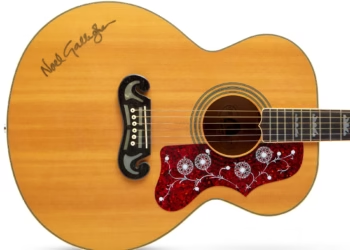 ‘Some Might Pay’: The Guitar That Built ‘(What’s the Story) Morning Glory?’ Heads to Auction
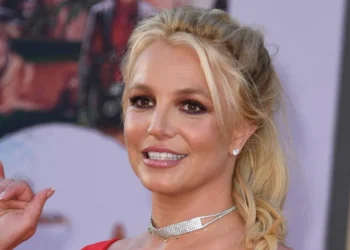 Turning Point: Britney Spears Enters Rehabilitation Following DUI Incident
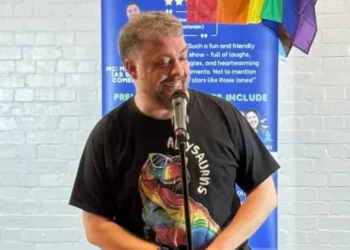 The Spectrum of Wit: All-Autistic Comedy Line-up Breaks ‘Seismic’ Ground
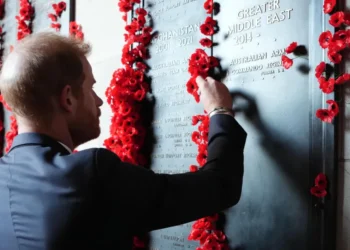 Legacy of the Future: Prince Harry Argues Children Should Be an ‘Upgrade’ of Parents
 Arrest Made: Singer D4vd Held Without Bail in Death of 14-Year-Old Girl
 Blockbuster Resurrection: Avengers Reassemble and Top Gun Returns as Studios Tease 2026 Slate
 Harry and Meghan’s Australia Visit Sparks Debate
 Rebel Wilson Denies Role in Smear Campaign Trial
 Disneyland Adds Facial Recognition at Entrances
 “PCD Maybe Never”: Pussycat Dolls Ax North American Tour Amid Sluggish Ticket Sales
 “The Reality Reckoning”: Government Demands Accountability as Channel 4 Pulls Married at First Sight UK Over Grave Sexual Assault Allegations