Publishing Date: May 19, 2026
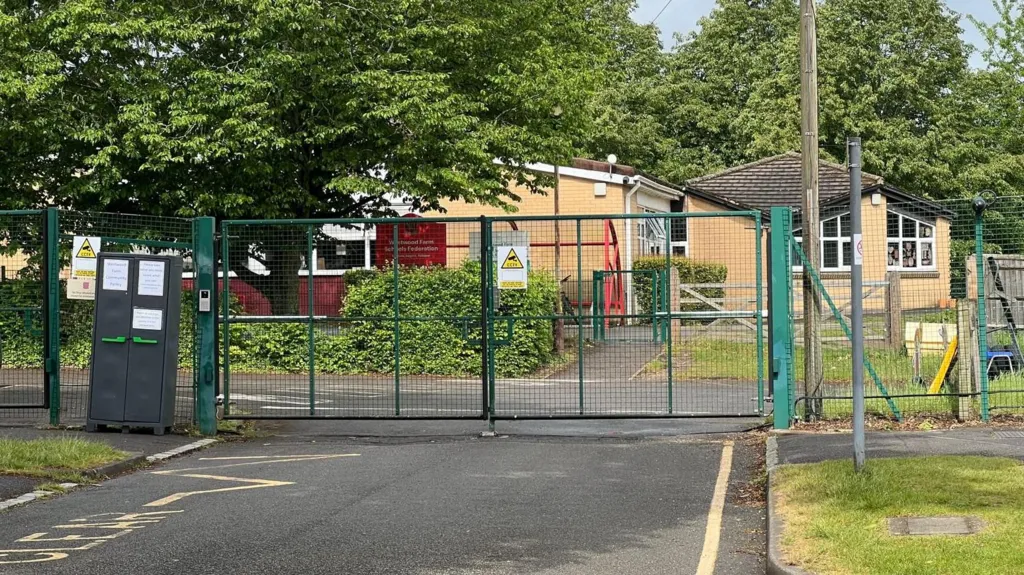
The UK Health Security Agency (UKHSA) has intensified its localized containment protocols in Berkshire after a primary school pupil was diagnosed with meningococcal disease, marking the fourth confirmed case in an expanding, “asymmetric” regional cluster. Health officials broke their traditional “clinical silence” on Tuesday, May 19, 2026, to confirm that a Year 4 student at Westwood Farm Junior School in Tilehurst is currently hospitalized and being treated for the infection. While the agency reports that the young child is “recovering well,” the sudden downward shift in the age demographic of the patients has injected a fresh wave of anxiety into local communities, exposing a profound “resilience deficit” in early-stage diagnostic awareness among parents and educators across Reading.

The structural alarm surrounding this fourth infection is directly tied to the speed at which the localized cluster is evolving, moving at a frantic “160 MPH clip” since its initial detection last week. According to genomic mapping and epidemiological tracking completed by public health teams, all four individuals have been officially diagnosed with the highly aggressive Meningitis B (MenB) strain. Critically, the UKHSA revealed that the Westwood Farm pupil has been traced back to the “same wider social network” as the three previous teenage cases, completely bypassing the “bottleneck” of typical school-yard transmission and pointing toward a fluid, inter-generational community vector linking families across the regional border between Berkshire and Oxfordshire.
The escalating medical emergency first punctured the public consciousness following the tragic death of Lewis Waters, a sixth-form student at The Henley College in neighboring Oxfordshire, who passed away last week just hours after contracting the disease. His family shared a devastating public tribute, noting that the teenager developed rampant, “nasty” sepsis within a microscopic window of first feeling unwell, highlighting the terrifying velocity with which meningococcal bacteria can overwhelm the human bloodstream. Following his death, two additional teenagers—one attending the prestigious Reading Blue Coat School in Sonning and another from Highdown School and Sixth Form Centre in Emmer Green—were rushed to the Royal Berkshire Hospital, where they remain under intensive specialist observation.
In an effort to prevent a widespread panic similar to the historic “accountability rot” that crippled public confidence during previous public health crises, the UKHSA has moved quickly to reassure anxious parents that the broader public threat remains low. Dr Rachel Mearkle, a leading consultant in health protection at the agency, emphasized that meningococcal bacteria are not highly contagious and require prolonged, intimate contact—such as coughing in close proximity, sharing drinks, or living in the same household—to successfully jump between hosts. Furthermore, laboratory sequencing has “clinically” verified that the current Reading cluster is entirely distinct from the catastrophic MenB outbreak that tore through Kent earlier this spring, which infected dozens of university students and triggered scenes reminiscent of the pandemic as thousands queued for emergency pharmaceutical interventions.
Nevertheless, the headteacher of Westwood Farm Junior School has issued an urgent advisory letter to all parents and carers, outlining the strict “glass test” protocol used to identify the definitive, non-blanching purple rash associated with advanced meningococcal septicemia. Public health experts are heavily reinforcing the message that because early symptoms—such as high fever, severe headache, cold hands, and intense joint pain—mimic common, low-risk seasonal flu viruses, parents must not wait for the appearance of a rash before seeking emergency medical intervention. The UKHSA has already initiated a rapid-reaction ring of defense, distributing preventive antibiotic prophylaxis to all immediate family members, close classmates, and social contacts linked to the infected Year 4 pupil.

The emergence of a fourth case has reignited a fierce, ongoing national debate among British medical researchers regarding the structural gaps in the NHS’s statutory immunization architecture. While infants are routinely vaccinated against the MenB strain under the current UK childhood immunization schedule introduced a decade ago, and older adolescents receive the MenACWY jab during secondary school, a massive historical gap remains for older primary school cohorts who fell outside the initial rollout brackets. Independent health policy analysts are calling for an immediate, ad-hoc expansion of the vaccine infrastructure to patch this regional “resilience deficit” before the social network transmission corridor expands further. For the anxious families of Reading, the “speechless determination” of frontline nurses and epidemiological tracers remains the primary line of defense against a stealthy, fast-moving pathogen that continues to hunt the community’s youth.
Related News:
 First Group of Children from Gaza Arrive in UK for Life-Saving NHS Treatment
 The diet that can significantly ease symptoms of IBS
 US Healthcare Needs Fixing, But There’s No Agreement on How to Do It
 “The Pressure Valve”: New GP Walk-In Clinic Eases Local ‘Resilience Deficit’ with 183 Patients Treated
 “The Exile of Care”: Vulnerable Teens Sent 200 Miles from Home as Local ‘Resilience Deficit’ Persists
 “The Price of Life”: Air Ambulances in the South Face ‘Resilience Deficit’ Amid Fuel Surge
 “The Bio-Security Watch”: Two Britons in Self-Isolation After Bypassing ‘Hantavirus Bottleneck’ on MV Hondius
 The Pathogen Protocol”: Third British National Monitored for ‘Nasty’ Suspected Hantavirus
 Concerns Mount Over Accuracy of At-Home Health Tests as Study Calls for Stricter Regulation
 UK Must Act with Courage and Clarity on Israel-Palestine Conflict, Says Foreign Affairs Committee Report
 The Ketamine Crisis in the UK is a Silent Epidemic Leaving Users with Lifelong Pain
 Radioactive Leak at UK’s Nuclear Warhead Base Sparks Outcry Over Safety and Secrecy
 Mutual Inconvenience: Why Alaska Was Chosen for the Trump-Putin Summit on Ukraine
 Terence Stamp, ’60s British Film Legend and Star of Superman, Dies at 87
 Is the UK Ready to Put Boots on the Ground in Ukraine? Assessing Military Capacity and Challenges
 Shein UK Faces Allegations of Shifting Majority of Profits to Singapore to Reduce UK Tax
 Systemic Racism in Maternity Care Continues to Endanger Black Women in England, MPs Warn
 One in Three GPs in England Do Not Work in NHS, Raising Concerns Over Access to Care
 Questions Remain as Rugby Legend Lewis Moody Faces Motor Neurone Disease Diagnosis
 M&S and Morrisons Lead Christmas Supermarket Taste Test
 New Prostate Cancer Drug Set to Halve Death Risk in England
 Patients to Test Health at Home to Ease NHS Winter Pressure
 I’m a Celebrity 2025 line-up revealed: Osbourne joins
 Palace May Restore Hyphen to Andrew Mountbatten-Windsor’s Name
 Shouting Works Best to Deter Gulls, UK Study Finds
 Reeves rejects £1bn plea for NHS redundancy payouts
 Stroke Patient Mistaken for Drunk, Care Delayed
 Royal Navy Shadows Russian Warships Entering the Channel
 Five-Year-Old Dies After Rare Tonsil Surgery Complication
 More Patients Now Contacting GPs Online, Data Shows
 Children to Receive Home Vaccines as England Acts
 Local Fish Could Boost UK Health and Economy Significantly
 NHS Violence Crisis: Staff Face Daily Assaults
 Celebrity Campaign Highlights SMA Screening Failures
 UK New Car Discounts Near £6,000 as Prices Are Slashed
 Pneumonia Surge Pushes England Emergency Cases Higher
 Starmer Weighs Fast-Tracking Defence Boost
 Snow and Rain Warnings as Cold Snap Continues in the UK
 UK MPs Demand Ban on Brazilian Butt Lifts
 NHS Urges Nine Million People to Get Therapy
 Australian PM Says Former Prince Andrew Has Suffered ‘Extraordinary Fall’ but That Won’t Prompt Republic Referendum
 Farage Chagos Islands Row Sparks Fury
 Storm Hernando: Edinburgh Airport Flights Cancelled in US Travel Chaos
 Drugs, Denial, Stigma: Fiji’s HIV Crisis Hits Children
 ‘We’ve been paying for happy endings for Andrew for years’: inside the royal disgrace, biographer says
 Half of Britons Avoid GP When Ill, Survey Reveals Growing Concern
‘I Wanted to Save Her Life’ — The Moment Twin Sisters Learned They Were Identical
Half of Britons Avoid GP When Ill, Survey Reveals Growing Concern
‘I Wanted to Save Her Life’ — The Moment Twin Sisters Learned They Were Identical
 Brit ‘in Good Spirits’ Amid Dubai Missile Attacks, Stranded but Safe
 Minister Meets Crews Who Will ‘Take Out’ Iranian Drones
 Father Dies by Suicide Weeks After Wedding in Clitheroe
 ‘We can’t go back’: mother of six-year-old cancer survivor fears UK visa changes
 Palantir NHS Contract Sparks Fears Over Data Power
 Yvette Cooper: UK Must Follow Principles, Not US Pressure
 Charity Watchdog Takes Control of Learning Disability Care Home
 Australia Imposes Sudden Travel Ban on Iranian Visitors
 UK Forces Ready to Seize Russian Shadow Fleet Vessels
 The High Cost of Survival: How the 2026 Fiscal Outlook is Redefining British Life
 ‘Zoom Dysmorphia’ Explosion: BDD Patients Quadruple in Post-Pandemic UK
 ‘I’m So Ready’: Céline Dion Announces 10-Night Paris Comeback Residency
 Net Closes on Lyons Clan: Partner Arrested in Dubai as Crime Boss Snared in Bali
 ‘The Final Word’: Kathleen Stock’s Polemic Against Assisted Dying Reshapes the UK Debate
 Open Justice Prevails as Court Rejects Bondi Gunman’s Family Anonymity Bid
 The Banbridge Rescue: 300 Sheep Saved from Massive Hay Shed Inferno
 ‘It’s Heartbreaking’: NHS Training Freeze Leaves Resident Doctors in Limbo
 The Miracle of Phoenix: ‘Half Dead’ Rescue Dog Defies the Odds in Worcestershire
 GSK cancer drug shows early promise in trials
 The Waiting Ward: ‘Month of Worry’ as Doctor Strikes Trigger Seismic Surgery Delays
 “I was fighting two wars”: Ukraine soldiers’ addiction crisis
 ‘The £100,000 Hammer’: War in Iran Forces UK Businesses to Absorb Historic Fuel Hikes
 “Three-Wheeled Triumph”: Mayor of Erewash Completes 2,000-Mile European Charity Run
 New Scan Offers Hope for Faster Endometriosis Diagnosis
 “Invisible Agony”: 98-Year-Old Woman Left in “Severe Pain” for Days Amidst Care Backlog
 “An Endurance Test for the Mind”: British Couple Sentenced to 10 Years in Tehran
 Premier League drama defines crucial weekend
 “The Cost of Conviction”: Palestine Action Activists Found Guilty Over ‘Clinical’ Factory Damage
 “The Local Gavel”: Polls Open Across Hampshire and Isle of Wight in Delayed ‘Milestone’ Vote
 “The Blue Light Intersection”: Seventeen-Year-Old Critically Injured in ‘Nasty’ Police Pursuit Crash
 “The Fractured Frontier”: Sir John Curtice Declares the ‘Sacred’ Two-Party Era Over After ‘Milestone’ Results
 Crisis in the Canary Islands as Cruise Ship Evacuated
 NHS Drug Deal Faces Legal Threat Over US Trade Agreement