Published: 19 May 2026. The English Chronicle Desk. The English Chronicle Online.
Australian taxpayers face a massive bill to keep their ageing naval fleet afloat. The federal government has committed eleven billion dollars to extend these critical vessels. This substantial funding aims to maintain naval capability for another ten full years. Analysts suggest this interim measure is vital for national security in the region. The decision highlights growing anxieties over potential gaps in maritime defence strategies.
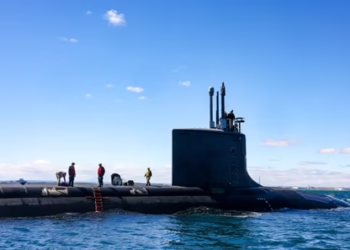
The six Collins class submarines were originally built with a strict thirty year lifespan. These vessels have already provided valuable service for up to three decades now. Officials previously planned to retire the oldest vessels from active duty this year. However, a major life of type extension program will begin this month. Engineers will focus initial upgrade efforts directly on the historic HMAS Farncomb. This strategic intervention ensures the submarine remains active until at least the mid-2030s.
Upgrading these legacy vessels represents a significant shift from previous defence procurement strategies. Engineers will now replace diesel electric infrastructure only when absolutely necessary for safety. This careful approach contrasts sharply with broader plans designed for the cancelled Attack-class program. The main goal remains bridging a critical capability gap before new ships arrive. Maintaining a credible underwater deterrent is essential for protecting trade routes and borders.
The ambitious Aukus agreement promises to deliver advanced nuclear-powered submarines to the nation. However, the first secondhand Virginia-class vessel will not arrive until at least 2032. Subsequent deliveries from international partners are scheduled to occur every four years after. The bespoke Australian-built models are not expected to enter service until 2042. This timeline leaves a long and potentially vulnerable period for national defence forces. Extending the current fleet represents a vital insurance policy against any future delays.
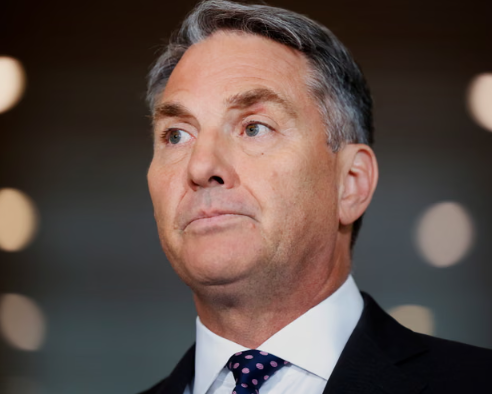
Defence Minister Richard Marles addressed these complex challenges during a recent public speech. He explained that the new program effectively reduces overall engineering risk for the navy. Technicians will sustain existing systems while upgrading critical weapons and advanced combat capabilities. This strategy balances immediate operational readiness with necessary technological progression for the future. The government-owned shipbuilder ASC will manage these complex upgrades at their Adelaide shipyard.
The current price tag far exceeds initial estimates provided by the previous government. Early forecasts suggested the project would cost between four and six billion dollars. The significant cost increase has drawn intense scrutiny from economic analysts and politicians. Experts point to rising material costs and complex engineering challenges as primary drivers. Rebuilding older naval vessels often reveals hidden complications that demand expensive custom solutions.
Operational availability remains a persistent concern for the royal Australian navy fleet managers. Historically, at least two submarines undergo scheduled maintenance at any given time. Reports revealed a worrying situation where five vessels were simultaneously out of action. The government now expects an average of three submarines to undergo maintenance regularly. This leaves three vessels available, with just two ready for immediate deployment duties.
Political leaders routinely blame past administrations for creating this difficult procurement situation. Frequent changes in naval policy have caused significant disruption for shipbuilders and crew. The Labor administration originally planned these life extensions more than a decade ago. Subsequent leadership teams explored purchasing alternative vessels from international partners like Japan. Later, a major contract with a French firm was famously established in 2016.
The previous coalition government abruptly cancelled that French contract five years later. That decision paved the way for the historic Aukus alliance in 2021. This international partnership united Australia with close allies in Washington and London. While the agreement promises superior technology, the transition has created a long delay. The nation must now manage an expensive bridge between conventional and nuclear power.
The defence minister confirmed that work would also accelerate on the youngest models. Technicians will soon categorise and prioritised sustainment work for the HMAS Rankin. Officials claim these decisions demonstrate a strong commitment to maintaining a potent strike capability. The government believes a strong conventional fleet is essential during this transition period. Without these extensions, the navy would face a dangerous decline in operational capacity.
The latest federal budget outlines massive increases in overall defence spending over the decade. Total military expenditure will rise by an additional fifty-three billion dollars quite soon. This includes a fourteen billion dollar boost before the end of this decade. Total projected spending on the Aukus program will reach at least three hundred billion. Ministers insist the massive project is now properly funded and meeting key milestones.
The government describes this nuclear transition as the largest industrial project in national history. It represents a massive leap in military capability for the modern armed forces. However, political opponents remain deeply sceptical about the management of the entire program. Critics argue that ministers are avoiding proper scrutiny over these expensive project adjustments. The shadow defence minister expressed strong concerns regarding recent cuts to other military capabilities.
The ongoing debate highlights the immense challenge of balancing immediate security with future technology. Taxpayers must now fund an expensive stopgap measure to ensure continuous maritime protection. As geopolitical tensions rise, the reliability of the submarine fleet becomes increasingly vital. The coming years will test whether this multi-billion dollar gamble successfully secures regional peace. For now, engineers in Adelaide face the urgent task of reviving ageing warships.
Related News:
 BBC to Apologise Over Edited Trump Speech Amid Backlash
 Britain deploys RAF specialists to assist Belgium with drone threats
 Palace May Restore Hyphen to Andrew Mountbatten-Windsor’s Name
 Greene Pushes Epstein Files Amid Trump Fallout
 Trump Deploys DHS to Charlotte in Major Arrest Operation
 December Run-Off in Chile as Election Produces No Winner
 Zelenskyy Signs Fighter Jet Deal Amid Russian Drone Attacks
 Orban Says Ukraine Has ‘No Chance’ as EU Support Continues
 Canada Passes Carney’s First Budget in Tight Parliamentary Vote
 Shadow Fleet at Sea: Europe’s Battle Against Illicit Oil Shipping
 Tiny Curacao Makes History as Smallest Nation to Reach World Cup
 Deadly Russian Strikes Hit Western Ukraine, 20 Killed in Ternopil
 Ukraine Peace Plan: Zelensky Ready for Dialogue
 Royal Navy Shadows Russian Warships Entering the Channel
 US Suspends Afghan Immigration After White House Shooting
 Georgians Defy Government Crackdown After Year of Protests
 Tokyo court rules Japan’s same-sex marriage ban constitutional
 ‘Extinct’ Antelope Returns to Sahara, Bringing Hope
 American Mother Extradited From UK to U.S. on Murder Charges
 Facebook Slow to Remove Bondi Attack Praise, Anti-Hate Group Claims
 Albanese Opens Door to Bondi Royal Commission Amid Rising Pressure
 US Clears Nvidia AI Chip Sales to China in Policy Shift
 Gulf states warn Trump Iran strikes risk wider Middle East war
 EU weighs response amid Greenland tariff crisis with Trump
 Sydney Shark Attack Surge Shocks Australia Beaches
 EU Says US Ties Have Suffered ‘Big Blow’ After Greenland Crisis
 Videos reveal earlier clash before Alex Pretti shooting
 UK New Car Discounts Near £6,000 as Prices Are Slashed
 Israel Moves to Bar MSF From Gaza Operations
 Portugal Election Delivers Socialist Win as Far Right Surges
 Australian Families Leave Syrian Camp for Home
 Andrew Arrest Sparks Republic Debate in Australia
 Farage Chagos Islands Row Sparks Fury
 Hilary Knight speaks out on Trump’s recent hockey remarks
 Has Europe truly learned from the failures of 2022?
 Trump Faces Questions Over Iran Conflict Plan
 Iran Civilian Deaths Surge Past 200 Amid Fear
 Herzog Asio meeting sparks security storm
 Trump rebukes Starmer over Iran strikes
 Middle East attacks intensify as Trump rejects Iran talks
 Iran-Iraq border airstrikes spark new tensions
 Petrol Prices Soar as Retailers Accused of Gouging Amid Global Tension
 Penny Wong silent on Australian crew in sub strike
 Australians on US Submarine in Iranian Warship Strike
 Oil Prices Surge Above $100 Amid Iran War
 India T20 World Cup Triumph Seals Historic Title Defence
 Trump Pressures Congress Over Save America Act
 Iranian Football Squad Asylum Drama Shocks Australia
 Goma Drone Attack Kills Three as Conflict Escalates
 Queensland Protest Laws Spark Free Speech Backlash
 Eswatini Deal Sparks Global Outcry Over US Deportations
 Yvette Cooper: UK Must Follow Principles, Not US Pressure
 Trump Iran War Stance Hardens as Conflict Widens
 Iranian Captain Departs Australia Amid Asylum Tension
 Trump Nato threats expose Iran strategy vacuum
 Iran War Warning: Starmer Backs Ukraine Visit
 Iran World Cup Move Talks Raise Global Concerns
 Philippines energy emergency sparks coal power surge
 Australia Imposes Sudden Travel Ban on Iranian Visitors
 Trump Facing Backlash from Epstein Survivors Over Files
 Russia: The Unforeseen Winner of the Iran Conflict
 Report Says Pezzullo Acted ‘Recklessly’ in Dealings
 Trump’s Middle East Misstep: The Bitter Cost of Hubris
 US and Iran Pursue Extension of Ceasefire via Pakistan
 Tragedy Strikes Outside Melbourne Comic Con
 “I was fighting two wars”: Ukraine soldiers’ addiction crisis
 Ukraine Urges UK to Seize Russian Oil Tankers
 Capitalism ‘Suicidal’, Warns Petro at Climate Summit
 Ukraine strikes Tuapse as oil disaster worsens
 US to Escort Trapped Ships Through the Strait of Hormuz
 Premier League drama defines crucial weekend
 Trump Threatens UN Budget Cuts as US Pushes ‘Trade Over Aid’ Agenda
 Miami Upgrades Shake Up F1 Title Fight
 US Awaits Iran Reply on New Ceasefire Proposal
 Crisis in the Canary Islands as Cruise Ship Evacuated
 US and Mexico Face Heatwave as Floods Batter South Africa
 Putin Signals War End as Russian Momentum Stalls
 Australia Welcomes the Iconic Michelin Guide
 Philippine Senator Flees After Days Under Senate Siege
 High Street Crisis: Fears Grow Over Post Office Closures