
Published: 29 June 2026
The English Chronicle Desk
The English Chronicle Online
Every summer, tennis enjoys a surge in popularity as major tournaments capture the public’s imagination. From thrilling five-set battles to inspiring underdog stories, the sport often attracts a new wave of fans eager to pick up a racket and head onto the court themselves.
But for many people, there is one significant obstacle: cost.
Tennis has long carried a reputation for being an expensive sport, associated with membership fees, coaching costs and specialist equipment. However, players and community organisations say it is entirely possible to enjoy tennis without spending large amounts of money.
With growing efforts to make sport more accessible, there are now more opportunities than ever for people to get involved at little or no cost.

For beginners inspired by the latest action on television, the first step is often finding a place to play.
Many local authorities maintain public tennis courts in parks and recreation grounds. While some facilities charge small booking fees, others remain free to use, particularly during off-peak periods.
Community sports groups have also worked to increase access to courts by offering low-cost sessions and introductory programmes.
In many areas, tennis clubs organise open days where newcomers can try the sport without committing to membership.
These events often include free coaching, equipment loans and opportunities to meet other players.
Supporters of such initiatives argue that reducing barriers to entry is essential if the sport is to attract more diverse participants.
Equipment is another area where costs can be kept low.
While professional players may use high-end rackets costing hundreds of pounds, beginners do not need expensive gear to enjoy the game.
Sports retailers frequently offer affordable starter rackets suitable for recreational play.
Second-hand equipment can provide an even cheaper option.
Online marketplaces, charity shops and community sports exchanges often stock used rackets at a fraction of their original price.
Many clubs and community groups also lend equipment to new players, allowing people to try tennis before making any purchases.
Experienced coaches say enthusiasm and practice matter far more than expensive equipment during the early stages of learning.
The same principle applies to clothing.
Professional tournaments may showcase the latest sportswear, but casual players can participate comfortably in ordinary exercise clothing and suitable trainers.
There is no requirement for costly specialist outfits.
Coaching is often viewed as one of the biggest expenses associated with tennis, but affordable alternatives exist.
Group lessons generally cost less than individual sessions and provide valuable opportunities to learn alongside other beginners.
Some community programmes receive funding specifically to offer low-cost coaching to children, families and first-time players.
Volunteer-led initiatives have also expanded in recent years.
Retired players and qualified coaches frequently donate time to support grassroots participation, helping newcomers develop basic skills without facing significant financial barriers.
Digital resources provide another way to learn.
Instructional videos, online tutorials and free training guides allow players to practise techniques and understand the rules of the game from home.
While these resources cannot fully replace professional coaching, they can help beginners gain confidence before stepping onto the court.
Schools play an important role in introducing young people to tennis as well.
Many children first encounter the sport through physical education lessons, after-school clubs or community partnerships.
Advocates argue that expanding school-based programmes could make tennis more accessible to families who might otherwise struggle to afford participation.
Health professionals often encourage participation in sports like tennis because of the physical and mental benefits involved.
Regular tennis sessions can improve cardiovascular fitness, coordination, balance and muscular endurance.
The sport also provides opportunities for social interaction, which researchers link to improved mental wellbeing.
Unlike some forms of exercise that require expensive gym memberships or specialised facilities, tennis can often be enjoyed in public spaces with relatively modest equipment.
For many participants, this combination of health benefits and accessibility is part of the sport’s appeal.
Community organisations have increasingly recognised the importance of making tennis available to wider audiences.
National governing bodies, local councils and charitable foundations have invested in programmes aimed at increasing participation among underrepresented groups.
These initiatives often focus on reducing costs while creating welcoming environments for newcomers.
Families are among those who can benefit most from affordable tennis opportunities.
A single court can accommodate multiple players, making the sport a relatively economical recreational activity once basic equipment is available.
Parents frequently report that tennis provides an enjoyable way to spend time together while encouraging physical activity.
Environmental considerations have also influenced some efforts to reduce costs.
Equipment recycling schemes allow unwanted rackets and tennis balls to be refurbished and redistributed to community groups.
Such programmes help reduce waste while ensuring more people can access the sport.
Tennis clubs themselves are evolving.
Many have introduced flexible membership models that allow occasional participation without requiring full annual subscriptions.
Others offer pay-as-you-play arrangements designed to attract individuals who cannot commit to regular memberships.
Industry experts say these changes reflect a broader effort to modernise the sport and make it more inclusive.
Despite progress, challenges remain.
Access to courts can vary significantly between regions, and some communities still lack affordable facilities.
Campaigners continue to call for greater investment in public sports infrastructure to ensure opportunities are available regardless of income or location.
Nevertheless, those involved in grassroots tennis believe the situation is improving.
Public awareness campaigns, community initiatives and growing recognition of the importance of accessible sport have all contributed to wider participation.
For anyone inspired by watching elite players compete, the message from coaches and community organisers is straightforward: you do not need a large budget to get started.

A basic racket, a nearby court and a willingness to learn are often enough.
As interest in tennis continues to grow, efforts to make the sport more affordable are helping ensure that enthusiasm can be transformed into participation.
Whether through public courts, community coaching programmes or equipment-sharing schemes, opportunities exist for people of all ages to enjoy the game without spending a fortune.
For many newcomers, that first affordable session may be the beginning of a lifelong love of the sport.
Related News:
 Injury Forces Raducanu to Withdraw from Wimbledon in Major Blow for Home Fans
 England’s Euro Odyssey: A Tale of Grit, Glory and the Lionesses’ Miraculous March to the Final
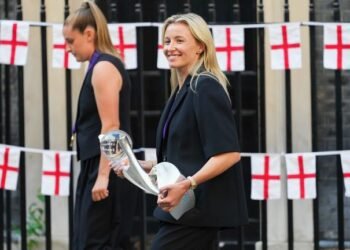 London Set to Honour Euro 2025 Champions as Lionesses Take Victory Parade Through the Capital
 Tottenham Takes On Newcastle
 Golden Glory Beckons: Ballon d’Or 2025 Nominee Frenzy Ignites Global Football Stage
 It’s Thanks to Gabby That I Caught My Prostate Cancer in Time’ – Kenny Logan Opens Up on His Battle and His Mission to Save Lives
 Rugby Confronts Safety Concerns with Smart Mouthguards at Women’s World Cup
 Premier League Supercomputer Predicts Tough Season for Man Utd Amid Three-Team Title Battle
 Grimsby Stun Manchester United in Dramatic Penalty Shootout
 India Triumph in Dubai Amid Unexpected Twists
 Everton Held by West Ham as Bowen Cancels Out Keane’s Header in Nuno’s First Game
 Mbappé Hat-Trick Powers Real Madrid to 5-0 Rout Over Kairat
 Monaco Hold Man City to Dramatic 2-2 Draw as Eric Dier Converts Late Penalty
 Arsenal Edge Past West Ham Amid Injury Concerns
 Chaos at Ibrox as Martin’s Rangers Era Comes to an End
 Questions Remain as Rugby Legend Lewis Moody Faces Motor Neurone Disease Diagnosis
 Hyped by Zlatan, Hidden by Maldini: Italy’s Rising Star Francesco Camarda
 Son of ex-England footballer dies in tractor crash
 Brentford 3-2 Liverpool: Reds suffer fourth straight PL defeat
 Wolvaardt’s Masterclass Fires South Africa into First World Cup Final
 UK and Ireland Announce Venues for Euro 2028 Tournament
 Saka Solidifies Role as Tuchel’s Key England Lieutenant
 Former Lion Heskey Warns of Shortage of England Strikers
 Tiny Curacao Makes History as Smallest Nation to Reach World Cup
 Australia Face Big Changes as Cummins and Lyon Ruled Out of Ashes
 ECB powerless to halt England’s recurring Ashes failures
 Damien Martyn in Induced Coma After Meningitis Diagnosis
 Raducanu Battles Injury as Britain Exit United Cup
 Manchester United Fan Group Targets Jim Ratcliffe Over Club Chaos
 Geopolitical football: Iran, Trump and the World Cup clash
 Regragui condemns Afcon final chaos after dramatic defeat
 Yamal and Rashford Shine as Barcelona Reach Copa Semis
 ICC Men’s T20 World Cup – Everything You Need to Know
 Is This Premier League Striker a Secret Maths Genius?
 Gasps and Disbelief at Malinin’s Home Rink as Olympic Dream Falters
 ALL GUNNS BLAZING: Arsenal vs Wigan LIVE SCORE – FA Cup Updates
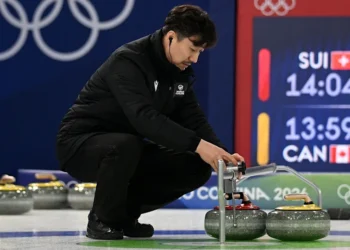 Swearing, Illicit Filming & Rule Changes – What Next in Curling Cheating Row?
 Hilary Knight speaks out on Trump’s recent hockey remarks
 Manchester United Face Huge Bill After Ruben Amorim Exit
 Can Chelsea Kick‑Start Faltering Palmer?
 India T20 World Cup Triumph Seals Historic Title Defence
 Abramovich Chelsea Sale Cash Faces Jersey Probe
 Scotland World Cup Party in Boston Gets Green Light After Security Breakthrough
 Iranian Captain Departs Australia Amid Asylum Tension
 Schmeichel Injury Sparks Denmark Debate
 Iran World Cup Move Talks Raise Global Concerns
 Sunderland Stun Newcastle as Brobbey Strikes Late Winner
 The Living Heart of Manchester United: Bruno Fernandes
 English Football’s Managerial Merry-Go-Round Has Become a Circus
 Eddie Howe Faces Seven Game Test to Secure Newcastle Future
 Tiger Woods: Golf Legend Steps Away to Seek Treatment
 Can Congress Stop US Sports Teams From Moving Cities?
 The $11k Ticket: High Stakes and Dynamic Pricing in FIFA’s First Open Sale
 Miles Jupp: How the Magic of the Ashes Sparked a Bold Blag
 Van Dijk Rallies Liverpool for Massive PSG Comeback
 Atletico Silence the Camp Nou as Barcelona Face European Exit
 Premier League Clubs Tense Over Regulator Costs
 Cricket’s New Era: Seeking Substance Beyond the Glitz
 Beyond the Swoosh: Anta Sports Overtakes Rivals to Become Global Top Three
 “Three-Wheeled Triumph”: Mayor of Erewash Completes 2,000-Mile European Charity Run
 George North Announces Retirement From Rugby
 Premier League drama defines crucial weekend
 Arteta urges Arsenal to step up in Atlético semi-final
 Miami Upgrades Shake Up F1 Title Fight
 Arsenal Fans Face High Costs for Champions League Final
 Champions at Last: Arsenal Conquer the Premier League
 The Battle for Wembley Sparking Unprecedented Legal Warfare
 Fans Bring Flags and Fire to World Cup Scenes
 Andreeva Sweeps Past Kostyuk to Reach Paris Final
 Fans Invited to Share Scotland World Cup Stories
 Iran Team Arrives in Mexico Amid US Visa Dispute
 Scotland Branded “Unprofessional” in World Cup Fallout as England Build Momentum
 Football Regulator Contacts West Ham Over “Serious Allegations” Linked to Sullivan
 Saka Playing Through Pain As England World Cup Campaign Looms
 England Cruise Past Costa Rica as World Cup Warm-Up Sharpens Tuchel’s Vision
 Tuchel’s England Mission Goes Beyond Football Success
 Blackpool Cricket Stands Firm Amid County Struggles
 Historic Victory for Canada as They Defeat Nine-Man Qatar
 Stokes Retirement Announcement Dominates Dramatic Fourth Day of Deciding Test
 Canada Secure Historic Last 16 Spot with Late Goal