Published: 01 July 2026. The English Chronicle Desk. The English Chronicle Online.
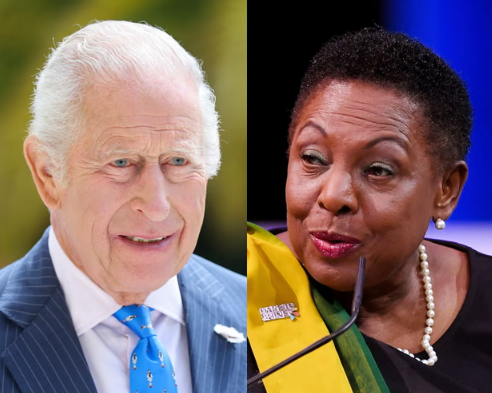
A historic diplomatic mission will soon bring the painful legacy of colonial history straight to the heart of London. The Jamaican government recently confirmed a significant upcoming visit by a high-level official delegation to the United Kingdom. This team will travel across the Atlantic Ocean this September to lodge an unprecedented formal petition. They are taking their demands directly to King Charles to seek a definitive legal ruling. The Caribbean nation wants clarity on British accountability for the horrors of the transatlantic slave trade. This bold development has already generated intense discussion across many global political and royal circles.
Olivia Grange serves as the dedicated culture minister for the vibrant Caribbean country of Jamaica. She addressed her fellow politicians inside the national parliament building during an emotional Tuesday session. Grange confidently announced that the official departure date for this historic trip is September sixth. This specific date holds deep emotional meaning for the citizens of the island nation. The journey represents a major escalation in Jamaica’s long campaign for meaningful reparatory justice. Officials have spent many months preparing the complex legal groundwork for this specific royal encounter. The announcement marks the culmination of intense strategic planning by top legal minds in Jamaica.
The foundation for this dramatic international petition was first introduced to the public last June. The document respectfully requests King Charles to utilize his extensive royal authority and influence. He is being asked to seek formal guidance from a highly respected judicial body. The Privy Council in London serves as the ultimate court of appeal for Jamaica. This ancient legal institution still handles complex cases for several independent Commonwealth nations worldwide. Jamaican officials want this council to review the legality of historical British actions. They want a clear ruling on whether forced human transportation constituted a massive crime.
The upcoming petition asks whether Britain has a legal obligation to provide financial restitution. This restitution would address the horrific centuries of enslavement and its lingering modern consequences. The Jamaican government is purposefully addressing King Charles in his specific role as head of state. They view the British monarch as a figure from whom they can rightfully expect protection. This unique legal strategy utilizes old colonial frameworks to seek modern justice for past atrocities. The ambitious mission enjoys the complete political backing of the entire Caribbean Community regional bloc. This collective support provides significant geopolitical weight to Jamaica’s independent actions on the global stage.
The chosen departure date of September sixth carries immense historical weight for the nation. On this exact day in 1781, a notorious British slave ship named Zong departed Africa. The vessel carried over four hundred enslaved Africans destined for the plantations of Jamaica. During the treacherous journey, the ship encountered severe navigation difficulties and running water shortages. The ruthless captain decided to throw human beings into the ocean to secure insurance money. Over one hundred and forty innocent Africans were deliberately murdered during this horrific journey. The ship eventually arrived at Black River just a few days before Christmas.
Minister Grange shared a poignant contemporary story regarding the lasting memory of this historical tragedy. Last year, the destructive Hurricane Melissa severely battered the coastal town of Black River. The powerful storm demolished numerous buildings and modern structures throughout the entire geographic area. However, a local monument dedicated to the murdered Zong passengers miraculously survived the storm. This solitary monument remained standing tall amidst the widespread coastal ruin and debris. Grange noted that the structure serves as a permanent reminder of their moral duty. It inspires the current government to relentlessly pursue legal justice for their ancestors.
The culture minister also highlighted the deep historical hypocrisy surrounding the eventual abolition of slavery. When emancipation finally arrived in 1834, the wealthy British planters received massive financial compensation. The British government paid twenty million pounds to compensate owners for losing human property. This enormous state fund was raised through a massive loan from London banking houses. Interestingly, the British government only fully settled this historic debt very recently in 2015. Meanwhile, the newly freed African laborers received absolutely no financial compensation for their suffering. Instead, they were forced to provide years of additional free labor to planters.
This unfair arrangement meant that freed people essentially paid for their own ultimate freedom. The Jamaican government believes it is now time for Britain to balance the scales. Jamaica has already attempted to set a positive domestic example regarding internal reparatory acts. The state recently provided official apologies and land transfers to local Rastafarian community members. These domestic actions demonstrate Jamaica’s genuine commitment to healing historical wounds within its borders. The nation now expects the United Kingdom to show similar accountability on a grander scale. This regional push is supported by a comprehensive new manifesto from Caribbean leaders.
The Caribbean Community Reparations Commission recently unveiled this detailed and passionate public manifesto. The document outlines a comprehensive moral, ethical, and legal case for European financial reparations. Laleta Davis Mattis serves as the prominent chair of Jamaica’s National Council on Reparations. She described the upcoming petition as a truly monumental milestone in their long campaign. The complex petition is the result of close collaboration with skilled British legal experts. Davis Mattis extended special praise to Frank Phipps for creating this unique legal strategy. His sharp intellect helped turn old colonial legal mechanisms into tools for modern justice.
The legal team will be led by Jamaica’s brilliant Attorney General, Derrick McKoy. He will travel alongside the respected attorney Bert Samuels to present the case. Samuels noted that Jamaica’s legal argument is now bolstered by international human rights bodies. A landmark United Nations resolution recently declared the slave trade a grave crime against humanity. This global declaration provides a strong international foundation for Jamaica’s upcoming legal battle. The legal team feels confident that their arguments are grounded in modern international law. They are fully prepared to argue their case before the highest judges in Britain.
The Jamaican delegation remains completely resolute despite ongoing political resistance from the British government. The United Kingdom has repeatedly stated that it will not pay any financial reparations. Britain even chose to abstain from the crucial United Nations vote on the matter. Samuels publicly described this British political abstention as an incredibly shameful act of cowardice. However, Jamaican activists are completely accustomed to facing difficult and seemingly impossible political struggles. They draw deep inspiration from the three-century fight for freedom waged by their ancestors. That historical struggle also seemed entirely hopeless to many people living at the time.
The legal team expects potential pushback from the Privy Council during the upcoming autumn. However, Samuels warned that a negative ruling would trigger a massive international public outcry. Oppressed minority groups across Canada, New Zealand, and Europe are currently uniting for justice. This growing global coalition of diverse communities supports Jamaica’s pursuit of historical accountability. If the British legal system rejects them, activists are prepared to take their message. They will organize massive public street protests to ensure their voices are heard globally. The upcoming autumn visit to London promises to be a defining moment for commonwealth relations.
Related News:
 British skier killed in La Plagne avalanche tragedy
 China embassy London approval expected this week
 UK Presses On With Chagos Handover Despite Trump Criticism
 Shinzo Abe’s killer receives life sentence in Japan
 Sydney Protest Pepper Spray Clash During Herzog Visit
 UK Experts Raise Alarm Over Machinery Export to Armenian Firm
 UK suspends study visas for four nations to curb asylum
 DHS Probe Into Border Official Sparks National Debate
 Jordanian Arrested in Philippines Over Bondi Beach Terror Links
 Caffè Nero Warns Coffee Prices May Rise Again
 Ukraine war briefing: Zelenskyy offers help to Saudi Crown prince on combatting Iranian drones
 HMS Dragon to Head to Cyprus Amid Rising Tensions
 Starmer Praised for Stance on Trump and Iran Conflict
 Yvette Cooper: UK Must Follow Principles, Not US Pressure
 Inside the Deceptive Machine: A Former Producer Speaks Out
 Trump Facing Backlash Over Firing of Cabinet Women
 Trump Mocks Starmer and UK Carriers in White House Speech
 Gaza Child Arrives in UK for Life-Changing Care
 Melania Trump Denies Ties to Epstein and Ghislaine Maxwell
 Middle East Conflict Risks UK Food Supply Chains This Summer
 Arrests Made After Wembley Firebombing Attempt
 Trump Starts $166bn Tariff Refund Process
 Prominent Voices Challenge Palestine Action Ban
 UK Urged to Adopt ‘Trade Bazooka’ Against Tariff Threats
 BP Profits Surge Amidst Middle East Conflict Crisis
 Aukus Submarine Plan Faces Critical Failures
 World Cup Ticket Price Surge Leaves Many National Teams Stunned
 Fear and Betrayal: The Chilling Case of Kouri Richins
 Tragedy in the Maldives: Inside the Deep Sea Rescue
 US Ebola Case Sparks Urgent Global Screening Measures
 Washington Embassy Shake-Up as Senior Diplomat Departs
 Uefa Transforms Men’s Major Tournament Qualification
 UK Urged to Build EU Rejoin Consensus, Says Miliband
 Teaching Machines Right From Wrong in the Digital Age
 Steel Tensions Rise Between United Kingdom and European Union
 US Condemns ‘Two-Tier’ UK Policing After Student Murder
 US Slams ‘Two-Tier’ UK Policing After Nowak Murder
 Millions in British Charity Funds Linked to Illegal Settlements
 Captain in the Spotlight: The Future of England Cricket
 One Year On: Air India Crash Survivor Demands Answers
 Tragedy in Pakistan Sparks Fury
 Russian Tanker Captain Remanded in UK Court After Channel Seizure
 Controversial London Property Show Sparks Legal Fury
 Kremlin-Backed Saboteurs Target UK Capital and State Democracy
 What Burnham in Number 10 Means for the Future of Britain
 AI Lawyer Triumphs in Landmark English Court Victory
 Scouts Introduce Badges For AI And Digital Skills
 Morocco Beat Dutch in Wild World Cup Penalty Drama
 EU Slashes Steel Quotas But Grants UK Favourable Rates
 The Last Stand of English Cricket’s Greatest Partners
 UK Charity Funds Illegal Hebron Settlement Expansion
 Heartbreak After Surrogacy Sperm Mix-Up
 Inside the Helpline Protecting Missing Children in the UK
 PlayStation PS5 Deals Hit Lowest Prices Ahead of Black Friday
 Five-Year-Old Dies After Rare Tonsil Surgery Complication
 Starmer Says Labour’s Economic Plan Needs Years to Deliver
 Starmer Faces Parliamentary Battles Over UK-EU ‘Reset’ Plan
 Met Police Vetting Failures Let Serial Rapists Remain
 Fatal Bolton Taxi Crash Claims Three Teens and Driver
 Friedman Uninvited From 2024 Adelaide Writers’ Week
 ScottishPower Tops List of Worst UK Energy Suppliers
 Judi Dench Champions Fight to Save London’s Green Spaces
 Crowborough Camp Welcomes First Asylum Seekers
 Keir Starmer Struggles to Secure His Grip on Downing Street
 Trump and Xi Convene in Beijing for Historic High-Stakes Summit
 Farage Faces Standards Probe Over Cash Property Purchase
 Closing the Gap: UK Pensions Commission Demands Action
 Russian Electronic Attack Targets UK Defence Chief Jet
 UK Shoppers Face Prolonged Price Rises At Tills
 Tube Strike Brings Capital to a Standstill Over Shift Disputes
 Makerfield Voters Demand Real Change as Election Looms
 Ryanair Faces Probe Over Mandatory Family Seating Fees
 Britain’s Crowning Butterfly Takes the Nation by Storm
 US Trafficking Arrest Exposes Shocking Exploitation
 Trump Signs Landmark Iran Accord in Versailles
 Grief and Devotion Amidst the Rubble of Nabatieh
 Stirchley Community Housing Scheme Faces Crisis
 Watchdog Warns Ministers to Pause Impending HS2 Reset
 Trump’s Mount Rushmore Speech: A Divisive Anniversary
 US Airman Avoids British Court in Indecent Exposure Case