Published: 03 July 2026. The English Chronicle Desk. The English Chronicle Online.
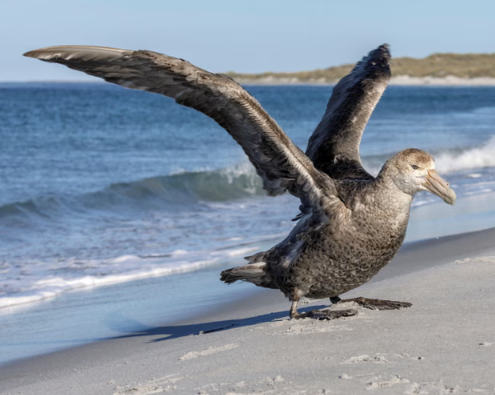
A highly concerning environmental situation is now unfolding rapidly on the stunning coastline of Australia. Authorities have detected the first suspected case of deadly H5 bird flu within this state. A sick giant petrel was discovered by a worried member of the local public recently. The fragile avian creature was found near Hawks Nest located north of Newcastle city today. This critical discovery has now triggered urgent testing by major national scientific research bodies today.
Scientists at the prestigious CSIRO are currently analyzing biological samples to confirm the exact strain. Experts seriously fear that the wild bird carried the highly pathogenic H5N1 global viral strain. Such a confirmation would surely represent the first official detection on the vulnerable eastern coast. The lethal disease has already heavily devastated vulnerable wildlife populations across many different global continents. International conservationists are currently watching these developments down under with a high degree of anxiety.
Five positive cases have already been confirmed across wider Australia since the late June period. Four of these historical cases were recently discovered by dedicated environmental teams within Western Australia. The sole remaining confirmed case was carefully identified in a remote area of South Australia. All of these infected animals were migratory subantarctic birds travelling across incredibly vast oceanic distances. These majestic creatures routinely travel thousands of miles across the open ocean every single year.
The Western Australian government officially announced another suspected case during a detailed briefing on Friday. This specific case involved a dead giant petrel recently found on a popular local beach. The bird was located at Mullaloo within the busy northern suburbs of beautiful metropolitan Perth. Authorities are now rapidly increasing environmental surveillance across all major metropolitan beaches safely located nearby. Rangers are currently searching coastal areas to ensure any further cases are identified very quickly.
The New South Wales agriculture minister Tara Moriarty provided several important updates on the situation. She confirmed that the dangerous virus has not been detected in any local poultry flocks. Captive birds and other wild species currently remain entirely free from this highly dangerous disease. The minister warmly praised the vigilant citizen who initially reported the sick petrel to officials. Immediate community reporting remains absolutely vital for managing potential biosecurity threats to the entire nation.
Initial laboratory testing within New South Wales confirmed the petrel was indeed positive for influenza. More specialized testing is now required to determine the precise pathogenicity of this specific virus. The Australian Centre for Disease Preparedness is currently conducting these highly complex scientific disease evaluations. Their final laboratory results will determine whether the virus matches the destructive global pandemic strain. Governments around the world have struggled to contain this aggressive pathogen for several long years.
Minister Moriarty stated that this latest development is incredibly concerning for the local agricultural sector. The potential impact on native wildlife species is also causing deep worry among top scientists. However she strongly emphasized that Australian authorities have been preparing for this moment for years. Robust biosecurity plans were created long ago to deal with this specific global environmental challenge. Various government agencies are now executing these crucial emergency response strategies with absolute operational precision.
Comprehensive surveillance systems were activated last week across the entire state of New South Wales. This proactive measure directly followed the initial arrival of the virus in other Australian jurisdictions. State officials are working collaboratively with federal departments to ensure a truly unified national response. A dedicated state coordination centre has been established to manage all incoming regional field data. This specialized facility is currently located at the Department of Primary Industries in Orange city.
The minister strongly urged the general public to report any sightings of sick wild birds. People should use the designated emergency animal disease hotline to provide precise location details immediately. Government agencies have already trained more than five hundred personnel in these advanced surveillance techniques. This large group includes private veterinary specialists and highly experienced public sector regional environmental officers. These trained individuals are now actively monitoring vulnerable coastal zones across the entire geographic region.
Teams are currently focusing their intensive search efforts around the beautiful Hawks Nest coastal area. The extensive northern coast is considered a prime habitat for many vulnerable migratory bird species. Dedicated fisheries officers are currently participating in these daily patrols along the beaches and estuaries. National parks staff are also searching rugged terrain to locate any potentially distressed wild creatures. Agricultural experts are actively assisting to protect nearby commercial farming operations from any potential contamination.
The New South Wales chief veterinary officer Dr Jo Coombe offered several reassuring perspectives today. She clarified that this particular detection represents an isolated case at this very early stage. There is currently absolutely no evidence of widespread viral transmission among local wild bird populations. However she honestly acknowledged that further positive cases could potentially emerge in the coming weeks. Constant vigilance remains completely necessary as migratory patterns continue during the current southern winter season.
Dr Coombe detailed the specific symptoms that people should always look out for very carefully. Affected birds often display severe lethargy and a total lack of normal physical bodily energy. Respiratory distress such as watery eyes and visible breathing difficulties are also very common signs. Some infected creatures may experience partial paralysis or exhibit extreme difficulty when simply walking around. Citizens must avoid any direct physical contact with these sick or dying local wild birds.
The Invasive Species Council has responded to this news with an urgent national funding appeal. They are requesting two hundred million dollars in federal funding for critical emergency conservation measures. This financial support would help protect wild species by reducing other existing regional environmental threats. Council policy director Carol Booth explained the strategic reasoning behind this major national funding request. She argued that Australia must make its unique native wildlife as resilient as humanly possible.
Rebuilding healthy animal populations allows local ecosystems to withstand dangerous disease outbreaks much better today. Stronger wildlife communities can recover far more quickly after experiencing a truly severe biological crisis. The proposed funding would target habitat restoration and effective predator control across vulnerable coastal areas. Protecting biodiversity is becoming increasingly critical as global pathogens reach these previously isolated geographic regions. Conservationists firmly believe that immediate action can prevent catastrophic losses of unique native Australian species.
Federal agriculture minister Julie Collins chaired a very significant and crucial ministerial meeting on Friday. Leaders from various states gathered online to discuss the evolving national H5 viral response strategy. Collins expressed her deep gratitude to the general public for reporting sick birds so quickly. She noted that early detections are a wonderful testament to the awareness of Australian citizens. This active public participation has given authorities a crucial head start in managing national biosecurity.
Minister Collins reiterated that the commercial poultry industry remains entirely unaffected at this exact moment. Government agencies are working with egg producers to implement strict biosecurity protocols across the nation. Every possible measure is being taken to mitigate potential incursions into domestic agricultural food systems. Collaborative efforts between state governments and industry leaders will definitely continue over the coming months. This united front aims to safeguard both economic interests and precious natural heritage items simultaneously.
Related News:
 ‘Drinking from a Fetid Pond’: Superbug Genes in Lough Neagh
 How Bringing Forests Into Preschools Boosts Children’s Health
 UK Water Firms Ordered to Act Over ‘Forever Chemicals’ Threat
 Experts Urge Legal Right to Timely Cancer Care
 Patients to Test Health at Home to Ease NHS Winter Pressure
 North Sea oil workers must lose weight or face job loss
 No link found between paracetamol in pregnancy and autism
 NHS frontline staff forced to cover gaps as managers remain scarce
 New Research Explains Severe Diabetes in Children
 Working-Class Men with Prostate Cancer Left Behind by NHS
 New AI tool could cut wasted efforts in organ transplants
 From Baby Teeth to Bioengineering: The Future of Self-Healing Teeth
 Healthy Habits in Your 30s That Boost Life in Your 70s
 Coffins Now Too Large to Cremate Amid Rising Obesity Crisis
 Thinktank Urges Smaller Hospitals to End NHS ‘Permacrisis’
 NHS paediatric leave parents waiting months for answers
 Google Removes Some AI Health Summaries Over Safety Concerns
 Traces of Glyphosate Found in UK Playground Tests
 BP’s Influence Sparks Controversy in UK STEM Education
 Robo-Vaccination Could Transform Fight Against Bovine TB
 Polycrisis Anxiety Leaves Many Feeling Trapped in the Present
 AI Transforms Lung Cancer Detection in NHS Trial
 Genes May Hold the Secret to Long Life, Scientists Find
 AI breast screening cuts later cancer diagnoses by 12%, study finds
 James Valentine Retires from ABC After Cancer Battle
 Autistic Girls Often Missed in Childhood Diagnoses, Study Finds
 Baby rhythm sense found in newborn brains
 Most Statin Side-Effects Are Not Caused by Drugs, Study Confirms
 Reading Habits Linked to 40% Lower Dementia Risk
 AI Climate Claims Face Greenwashing Backlash
 Chikungunya Spread in Europe Climbs as Climate Warms
 Mind AI inquiry sparks mental health safety debate
 Ocean Warming Drives Massive Marine Life Loss, Study Warns
 Ayahuasca Psychedelic DMT Shows Potential as Depression Therapy
 Zorevunersen Breakthrough for Dravet Syndrome
 Cancer Death Rate in Britain Falls by Nearly a Third
 Taking Multivitamins Daily Could Slightly Slow Ageing, Study Finds
 Musk’s xAI Permit Sparks Fury Over Power Plant Expansion
 Social Media Giant Trial Reaches Final Jury Decision
 Sperm Struggles in the Final Frontier of Space
 Britain Must Break Its Long Addiction To Toxic Herbicides
 The Toxic Scent Destroying Life in a Lancashire Town
 Big Tech Lobbies EU to Hide Massive Datacentre Emissions
 Gene Therapy Wins Major Prize for Restoring Vision
 New Bacteria Discovery Offers Hope Against Noma
 Record May Heat to Cold Front in Eastern Australia
 WHO approves first malaria drug for babies
 FDA Chaos Deepens as Trump Eyes Makary Exit
 AI Turf War Erupts at the Prestigious Chelsea Flower Show
 Ebola outbreak in DRC overwhelms health system as cases surge
 Study Launches Into Brain Injury Risks in Women’s Rugby
 Nature Deficit: How Britain Lost Its Connection with the Great Outdoors
 UK to Expand Prostate Cancer Trials for Black Men
 NHS Approves Landmark Ovarian Cancer Drug
 The Mystery Behind Why Humans Prefer Walking Anticlockwise
 Failing Systems: The UK Stem Cell Crisis Exposed
 Cambridge Recreates Historic 336-Year-Old Garden
 Green Lawsuits Surge as AI Expansion Strains Planet
 Oura Ring 5 Review: A Massive Leap for Smart Rings
 Lanarkshire AI Hub Fails Energy Promises
 UK Heatwaves Ignite Crisis of Sleep and Public Safety
 Europe Scorched as Record Heatwaves Grip the Continent
 Concerns Rise Over New Zealand’s AI Datacentre Plans
 Weight-Loss Drugs Offer Food Savings Mainly to High Earners
 Sundar Pichai Cautions on AI Hype and Market Risks
 Five-Year-Old Dies After Rare Tonsil Surgery Complication
 ‘Extinct’ Antelope Returns to Sahara, Bringing Hope
 Judi Dench Champions Fight to Save London’s Green Spaces
 ABC Facebook Page Briefly Hacked, Adult Photos Posted
 Meta trial over child exploitation claims begins
 Streeting moves on doctor pay to end strike dispute
 Stewart Brand on Musk, Bezos and a Life of Long Thinking
 New Zealand Covid Response Praised Despite Lingering Scars
 The Kill Line: A Shifting Vision of the American Dream
 Extreme Weather: Europe Shivers as Cyclone Narelle Hits
 Wes Streeting faces narrow road to Labour members’ favour
 Maldives Cave Diving Tragedy Raises Safety Alarm
 Trump Faces Backlash Over $2bn Earnings Since Return
 Britain’s Mini Fan Craze Sparks Major Waste Crisis
 UK Schools Struggle as Classrooms Top 40C