Published: 3 July 2026
The English Chronicle Desk
The English Chronicle Online
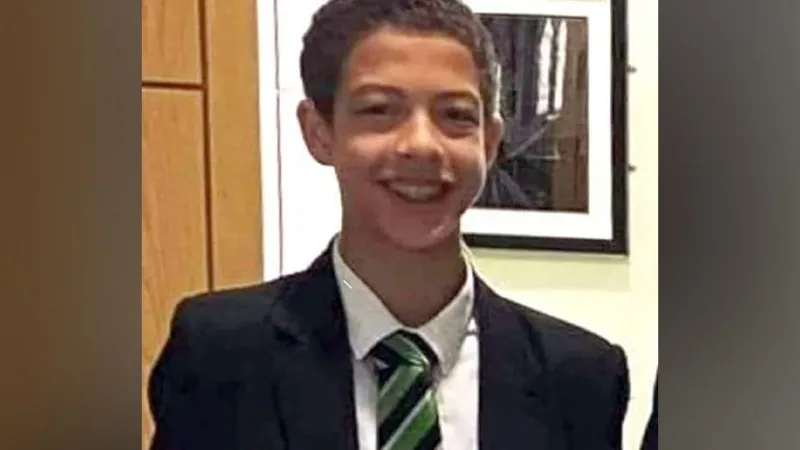
The inquest into the death of Belfast schoolboy Noah Donohoe has been adjourned until later this year after a lengthy late-night court session, bringing another pause to proceedings in one of Northern Ireland’s most closely followed legal cases.
The adjournment comes after days of evidence, legal submissions and testimony from witnesses as the Coroner’s Court continues its examination of the circumstances surrounding Noah’s death. The case has attracted significant public attention since the 14-year-old disappeared in June 2020 before his body was later discovered in a storm drain in north Belfast.
The inquest seeks to establish the facts surrounding Noah’s death by examining available evidence, hearing witness testimony and considering expert reports. Unlike a criminal trial, an inquest is designed to determine who died, and when, where and how the death occurred, rather than assigning criminal responsibility.
Following an extended hearing that continued late into the evening, the coroner announced that proceedings would be adjourned until later in the year to allow for further preparation and consideration of outstanding matters.

Legal representatives involved in the case have indicated that additional evidence and submissions will be considered when the hearing resumes.
Noah Donohoe’s disappearance and death prompted an extensive search operation involving police, emergency services and volunteers. His disappearance generated widespread concern across Northern Ireland, with communities rallying to assist efforts to locate the teenager.
Since then, the circumstances surrounding his death have remained the subject of significant public interest, with Noah’s family continuing to seek answers through the legal process.
The inquest represents an important stage in establishing a comprehensive account of the events leading up to his death.
Family members have attended many of the hearings alongside legal representatives, while supporters have continued to follow developments closely.
Inquests play a distinct role within the justice system.
Rather than determining guilt or innocence, they aim to establish the facts surrounding a person’s death through an independent judicial process.
Coroners may hear evidence from police officers, medical professionals, forensic specialists, expert witnesses and members of the public who may possess relevant information.
The process allows evidence to be tested openly while providing families with an opportunity to better understand the circumstances surrounding a loved one’s death.
In complex cases, inquests can continue over many months or even years, particularly where extensive forensic analysis or numerous witnesses are involved.
The latest hearing extended well into the evening as legal teams continued presenting evidence and making submissions before the court.
Complex inquests often involve substantial volumes of documentary material, technical reports and expert testimony that require careful examination.
The coroner decided that the remaining evidence could not be completed within the available time and announced that proceedings would resume later in the year.
Legal observers note that adjournments are not unusual in lengthy inquests involving large amounts of evidence.
Additional time allows both the court and legal representatives to review documentation thoroughly and ensure all relevant issues receive appropriate consideration.
Throughout the proceedings, Noah’s family has consistently said they hope the inquest will provide greater clarity about the events leading to his death.
Families involved in inquests often describe the process as an important opportunity to understand circumstances that may not have been fully explained during earlier investigations.
Legal representatives acting on behalf of families may question witnesses, request additional evidence and make submissions regarding areas requiring further examination.
Support organisations note that lengthy legal proceedings can place considerable emotional strain on relatives, particularly in cases attracting sustained public attention.
The inquest has received extensive media coverage because of the unusual circumstances surrounding Noah’s disappearance and the significant public concern generated by the case.
Court proceedings have allowed evidence to be examined openly, supporting transparency while enabling journalists and members of the public to follow developments.
Legal experts say openness is an important principle of the coronial system, helping maintain public confidence in judicial processes.
However, reporting restrictions may apply to certain aspects of evidence where necessary to protect legal proceedings or individual rights.
The coroner oversees the inquest, ensuring evidence is presented fairly and that all interested parties have an opportunity to participate.
This includes managing witness testimony, considering legal arguments and determining which evidence is relevant to the investigation.
At the conclusion of proceedings, the coroner will deliver findings based on the evidence presented during the hearings.
Those conclusions may include observations concerning the circumstances of the death and, where appropriate, recommendations intended to improve public safety or prevent similar incidents in the future.
Legal commentators emphasise that complex inquests often require patience.
Carefully examining forensic evidence, expert analysis and witness testimony can take considerable time, particularly where numerous questions remain outstanding.
Although adjournments may delay final conclusions, they can help ensure that every relevant issue is explored thoroughly before findings are delivered.
The justice system seeks to balance efficiency with fairness, recognising the importance of reaching conclusions that are supported by comprehensive evidence.
The case has continued to resonate across Northern Ireland, where many people have followed developments since Noah first went missing.
Community groups, supporters and campaigners have regularly expressed solidarity with his family while urging that every available avenue of inquiry be fully explored.
Public interest has remained strong throughout the inquest, reflecting the wider significance many people attach to ensuring transparency and accountability in the investigation of unexplained deaths.
When the inquest resumes later this year, further witnesses may be called and additional evidence presented before proceedings move toward their conclusion.
The remaining hearings are expected to address outstanding issues identified during the latest stage of the inquiry.

Only after all evidence has been considered will the coroner deliver formal findings regarding the circumstances surrounding Noah Donohoe’s death.
For Noah’s family, the adjournment means a longer wait before the legal process reaches its conclusion.
While the delay may be disappointing, legal experts say careful consideration of all available evidence is essential in ensuring the inquest fulfils its purpose of establishing the facts as fully and accurately as possible.
As proceedings continue, the case remains one of the most closely watched coronial inquiries in Northern Ireland, with many hoping the final findings will provide greater clarity and help answer the questions that have remained since Noah’s tragic death.
Related News:
 UK Must Act with Courage and Clarity on Israel-Palestine Conflict, Says Foreign Affairs Committee Report
 London Set to Honour Euro 2025 Champions as Lionesses Take Victory Parade Through the Capital
 Targeted Attack in Bury Sparks Murder Investigation as Community Awaits Justice
 Princess of Wales Launches Animated Video Series to Support Early Childhood Development
 Heartbreak in the New Forest as Shetland Ponies Vanish, Community on Edge
 Fire Contained at Edinburgh’s Arthur’s Seat After Overnight Battle by Firefighters
 Premier League Supercomputer Predicts Tough Season for Man Utd Amid Three-Team Title Battle
 UK Weather: Heat Alerts Extended as Temperatures Set to Reach 30°C This Weekend
 Merseyside Police Helicopter Crew Cleared After Low-Altitude Pursuit of Suspect
 Education Leaders Call for End to Compulsory GCSE Resits in English and Maths
 UK House Price Growth Slows as Buyers Exercise Caution Ahead of Autumn Budget
 Massive London Poundland Fire Engulfs High Street
 Paedophile Singer Ian Watkins Dies After Prison Attack
 UK border officers deployed to Balkans to tackle migrant smuggling
 UK MPs warn of repeat riots over online misinformation
 Giuffre’s bombshell memoir names Prince Andrew 88 times in shocking revelations
 M&S and Morrisons Lead Christmas Supermarket Taste Test
 Reeves Faces Setback as Labour May Miss Homes Target
 Kate Winslet to Narrate Film Highlighting King’s Environmental Mission
 Trump’s UK Ambassador Urges North Sea Drilling to Strengthen US Ties
 UK Bans Fake Numbers: Scammers Lose Their Trick
 Millionaires group urge Reeves to introduce wealth tax to ‘lift kids out of poverty’
 Reeves rejects £1bn plea for NHS redundancy payouts
 PM Condemns Leaks, Vows Loyalty to Ministers and Stability
 Inside the Helpline Protecting Missing Children in the UK
 PlayStation PS5 Deals Hit Lowest Prices Ahead of Black Friday
 Five-Year-Old Dies After Rare Tonsil Surgery Complication
 Starmer Says Labour’s Economic Plan Needs Years to Deliver
 Historic £100-Weekly Pension Boost Brings Relief for UK Mineworkers
 Children to Receive Home Vaccines as England Acts
 Cambridge College Faces Backlash Over Private School Recruitment
 Bereaved Fathers Gain New Paternity Leave Rights in UK
 Woman Jailed for Life After Killing E-Bike Rider in Tragic Mistaken Identity Case
 No Gas Boiler Ban as UK Warm Homes Plan Backs Heat Pumps
 Police response times face strict new national limits
 Devon hosts first high-density hydro power system
 Draft Severe Weather Plan Following Storm Flooding
 Major UK Clothing Firm Collapses into Administration — 109 Jobs at Risk
 Send spending gap leaves deprived areas behind
 Could Manchester Lead the UK’s Economic Revival?
 Motorists Could Face ‘Mandatory’ Driving Ban for Road Offences Under Tougher Laws
 Lloyds Boss Accepts Concern Over Use of Staff Data in Pay Talks
 Mother Says ‘I Hugged My Daughter’s Killer’ as They Cried Together in Prison
 Mayor Spends £20m to Encourage More Bus Trips
 Driver Jailed Over Fatal Water Treatment Tank Crash
 Brit ‘in Good Spirits’ Amid Dubai Missile Attacks, Stranded but Safe
 Calls Grow to Remove Billboard Following Lyra McKee Graffiti
 Thousands Protest Iran Strikes Outside US Embassy London
 UK Oil and Gas Supplies Reassured Amid Middle East Concerns
 Charity Watchdog Takes Control of Learning Disability Care Home
 UK Forces Ready to Seize Russian Shadow Fleet Vessels
 US Lawmaker Demands Testimony Over Sarah Ferguson’s ‘Close Epstein Ties’
 Councils Pressed to Use Universal Parking App to Cut ‘Unfair’ Fines
 MP Outrage Grows as Travelodge Boss Misses Key Safety Talk
 The 8 Million Dilemma: Why Britain’s Disability Safety Net is Facing a ‘2026 Reckoning’
 ‘The Insulation Trap’: Knifeman Discovered Hiding Under Loft Padding After Six-Hour Standoff
 The Banbridge Rescue: 300 Sheep Saved from Massive Hay Shed Inferno
 NHS Braces for Impact as Resident Doctors Begin Strike
 The Waiting Ward: ‘Month of Worry’ as Doctor Strikes Trigger Seismic Surgery Delays
 Is Britain Ready? Experts Warn of ‘Bizarre’ Military Delay
 Benjamin Field Murder Conviction Overturned by Appeal Court
 Roadside Reckoning: Nearly 160,000 Uninsured Vehicles Seized in National Crackdown
 ‘The Last of the Greatest’: UK’s Oldest WWII Veteran Passes Away Aged 109
 Prominent Voices Challenge Palestine Action Ban
 “Three-Wheeled Triumph”: Mayor of Erewash Completes 2,000-Mile European Charity Run
 Rugby Legend Scott Hastings Dies Aged 61
 “A Historic Tumble”: Lost 1930s Film Reel Reveals the Untamed Origins of Gloucestershire’s Legendary Cheese-Rolling
 The Battle for Wembley Sparking Unprecedented Legal Warfare
 Secret Role of UK Security Services in Troubles Amnesty Law
 US Commentators to Address Oxford Union via Livestream
 UK Faces Most Dangerous Era, Military Chief Warns
 Broadview Six Case Collapses Amid Prosecutor Misconduct
 Man Praised for Saving Neighbours After Lightning Strike Sparks House Fire
 Appeal Court Rules Ban on Palestine Action Was Lawful
 Prince George Set to Begin Studies at Eton This September
 Starmer Set to Announce Exit Plan as Burnham Eyes No 10
 Peak District Solstice Tragedy: Victim Formally Named
 UK Households Suffer Squeeze As Disposable Incomes Drop
 UK Property Prices Stagnate Amid Growing Fears of Summer Slump
 Burnham Promises Relief on Cost of Living Crisis