Published: 09 July 2026. The English Chronicle Desk. The English Chronicle Online.
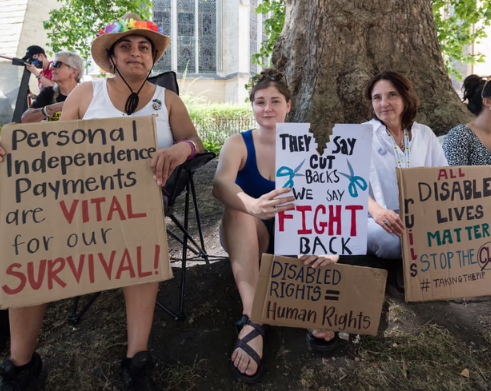
A major government report has identified deep flaws within the nation’s disability benefits system. This landmark review has now officially declared that the current support structure is not working effectively. It warns that very difficult discussions remain regarding how to overhaul and fund this essential provision. The investigation concludes that the system is unfit for its core purpose and currently lacks sufficient integrity. Experts argue that the existing framework far too often leaves vulnerable claimants feeling completely dehumanised and degraded. This formal inquiry into personal independence payments focused on the experiences of nearly four million people. The report highlights that these individuals rely on this support throughout England and Wales every single day. Its interim findings, published this Thursday, suggest that the system suffers from profound and systematic problems. These deep-rooted issues have significantly undermined public trust in the wider social security safety net across the country. The official report commits to making bold and radical proposals to eventually overhaul the entire benefit system. These future changes aim to ensure that it continues to support disabled people both now and into the future. It notes that the current application process is far too onerous for many of those who need help. The hostile eligibility assessments that claimants must undergo are often described as being extremely distressing and quite soul-destroying. These negative experiences can be so intense that they lead people to give up their work and their social lives. People frequently describe this benefit as something that breaks them rather than a support that enables them to live independently. One individual who provided evidence to the review panel highlighted this issue by sharing their own deeply personal and painful struggle.
The review also provided a clear indication that there would be no blank cheque offered for any future system adjustments. Any changes proposed in the final report to ministers later this year must remain sustainable within current official spending projections. While the payment currently helps disabled and chronically ill people live independently, the review remains uncertain if other forms of support might be more effective. This leaves open the possibility that non-cash alternatives could be proposed in the final report scheduled for later this year. The report states that the system cannot be everything to everybody as the review looks at the role and purpose of these vital payments. The steering group will have some very challenging discussions to resolve these complex issues in the coming months. Its final recommendations will likely land on the desk of a new prime minister and chancellor sometime in the autumn season. These leaders will have to balance meaningful reform of a dysfunctional system with the intense political pressure to keep a firm lid on social security spending. The review accepts that the current system has badly let down many disabled people who are struggling to manage their daily lives. Campaigners and various think tanks have broadly welcomed the report’s diagnosis regarding the longstanding problems that currently affect these disability payments. However, they have warned that any changes will ultimately fail if they are driven primarily by a desire to simply make benefit cuts.
The focus should be on reforming the payment so that it better reflects how people actually experience disability in their daily lives. Experts suggest that authorities should avoid making short-term savings that have motivated the last two attempts at significant benefit reform. Last year, the government was forced to perform a major U-turn on a five billion pound a year programme of disability benefit cuts. This shift occurred in the face of a significant backbench rebellion that was fuelled by widespread public outrage. Many critics felt the plans would push hundreds of thousands of disabled people into deeper poverty and cause lasting harm to those most in need. Personal independence payments are not means-tested and they are not intended to function as an out-of-work benefit for the unemployed. They are specifically designed as a contribution to the extra costs of living with a disability, which often includes food, fuel, and transport. Payments can reach up to one hundred and ninety-four pounds and sixty pence a week depending on the individual’s specific and documented level of need. The review confirms that while spending on these benefits has risen quite rapidly over the past seven years, the overall spending on benefits as a proportion of the gross domestic product has remained stable. This increase is driven in part by a significant rise in young adults claiming for various mental health conditions.
Although the rise in spending is often blamed by some media outlets on young claimants who they allege might be exaggerating their symptoms, this specific issue was barely raised in the forty thousand submissions received by the review panel. Evidence submitted to the review suggests that cuts to wider public services and long waits for critical health treatment may be contributing factors. A decline in healthy life expectancy is pulling more working-age people into ill health, and soaring living costs may have also helped drive the rise in new claims. This review is the first of its kind in the thirteen years since the payment was originally introduced to the public. It is being co-produced by the Department for Work and Pensions and a panel of dedicated people who have lived experience of disability. The steering group is co-chaired by the minister for social security and disability, Stephen Timms, along with disability experts Sharon Brennan and Clenton Farquharson. Brennan stated that they have heard loud and clear that the payment is highly valued but currently not fit for purpose. They remain fully committed to making the necessary changes so that the benefit can properly fulfil its original purpose for all users.
After eight years of experience with this system, Rob Lewis, who has multiple sclerosis, is very blunt in his assessment of the situation. He describes the process as devastating and maintains that things need to change completely for the sake of all claimants. Lewis, who is thirty-six and lives in south London, first applied for this benefit in 2018, two years after he received his diagnosis. He was initially awarded the higher rate of the daily living element and the lower rate of the mobility element of the benefit. Despite his severe mobility problems, in his first assessment, which was conducted face-to-face, he was shocked to be asked to perform physical tasks like touching his toes. He was also asked to pick up a cup to prove his physical limitations, which felt both unnecessary and deeply insulting to his personal dignity. He says that claimants are often made to feel like a liar, as though they should not be asking for help or essential money to survive. In 2022, while he was planning to go to university, he realised that he would need a car because of his mobility issues. To be eligible for the special motability car scheme, Lewis needed to be awarded the higher amount of the mobility part of his benefit payment. After a successful reassessment, he finally became eligible for a lease car, which made a significant difference to his daily independence and his ability to travel.
But within only a few months, he was told to attend a mandatory reassessment, this time conducted entirely over the phone, which made explaining his physical symptoms much more difficult. He says that because the reassessment failed to recognise that his condition is a lifelong one where symptoms fluctuate, he was deemed to no longer qualify for the scheme. His car was subsequently taken away, which caused him immense stress and made his physical condition much harder to manage on a daily basis. He decided to appeal against the decision at a tribunal, which was a long and exhausting process for someone already dealing with chronic health challenges. By this point, he says he was struggling with worsening symptoms because of the intense stress of the entire administrative process. He eventually won the appeal, but he suffered major damage to his mental and physical health during the ordeal. He argues that people should not be made to prove themselves again every couple of years when it is already hard enough getting out of bed in the morning sometimes. Lewis is due to have another mandatory reassessment next year and he is already worried about the future. He says he is going into battle to fight for his rights all over again, which highlights the heavy emotional toll that the current system extracts from those it is supposed to be helping.
Related News:
 Green Party Surges Past Labour in Latest UK Poll
 Trump’s UK Ambassador Urges North Sea Drilling to Strengthen US Ties
 French Taxi Driver Cleared in David Lammy Theft Case After Fare Dispute
 Millionaires group urge Reeves to introduce wealth tax to ‘lift kids out of poverty’
 Starmer Faces Growing Dissent as Labour MPs Weigh Leadership Challenge
 Reeves rejects £1bn plea for NHS redundancy payouts
 PM Condemns Leaks, Vows Loyalty to Ministers and Stability
 Major Rent Reform Ends No-Fault Evictions in England
 Peers Flood Assisted Dying Bill with 942 Amendments
 Most Tories Expect to Support a Farage-Led Government
 Labour MP claims devolution bill is ‘blatant discrimination’ against Cornwall
 Millions Face Higher Taxes Under Reeves New Budget
 Starmer Says Labour’s Economic Plan Needs Years to Deliver
 Culture secretary to review Telegraph takeover by Daily Mail owner
 UK Government Borrowing Drops to £11.6bn in December
 Labour Blocks Burnham as Party Rift Deepens Ahead of Polls
 Andy Burnham and the Labour Rift Over Power and Leadership
 Huge mistake: Labour blocks Burnham from byelection bid
 Artificial intelligence will cost jobs, admits Liz Kendall
 Labour targets Greens on drugs in Gorton Denton byelection
 Greens nominate Hannah Spencer for Gorton and Denton byelection
 Mandelson Faces Police Inquiry Over Epstein Leak
 Starmer Condemns ‘Depraved’ Russian Strikes on Ukraine
 Labour Thinktank Row Deepens Over Journalist Probe Claims
 Morgan McSweeney downfall shocks Labour leadership
 Cabinet Secretary Shake-Up Triggers Due Diligence Warning
 Starmer Faces Inquiry Calls Over Thinktank Probe
 Royal Mail Delivery Crisis Deepens Amid Weather Chaos
 UK shelves £110m border project amid trade strain
 Farage Unveils Reform UK Frontbench Team
 California Democrats Vow Trump Reckoning
 Trump Tariffs Threat Spark UK and EU Alarm
 Wales Approves Assisted Dying Bill Consent
 UK EU Trade Reset Gains Public Backing
 Green Party Stuns Labour in Gorton and Denton Byelection
 Corbyn Leads Your Party in Coordinated Left-Flank Strategy
 Labour Together scandal sparks clean break vow
 Asylum Seekers to Work After Year-Long Wait
 Starmer Row as Greens Demand Apology
 Proposed Law Leaves Gap for Children of Convicted Paedophiles
 Gordon Brown urges court for crimes against children
 Starmer Praised for Stance on Trump and Iran Conflict
 Inquiry into HMRC child benefit errors launched by NAO
 NHS Plans to Cut Overseas Workers Labeled Overambitious
 Farage Faces Backlash Over Crypto Cameo Endorsements
 Army Probes Apache Flyover at Kid Rock’s Nashville Estate
 Relationship with Trump may be beyond repair, Starmer warned
 Unions Raise Concerns Over Doctors’ Pay Dispute
 UK Government Poised to Revive Stalled Hillsborough Law
 Starmer Faces Commons Test Over Mandelson Scandal
 UK Stands Firm on Falklands Amid US Rift
 Crackdown Backfires on UK Climate Protesters
 Welsh Labour Faces Potential Historic Election Defeat
 Starmer Survives Mandelson Rebellion
 Silent Tracks: Rail Line Without Passengers
 Major test for Labour as polls open in Great Britain
 Labour Members Doubt Starmer Future as Burnham Leads Poll
 Reform UK Faces Crisis as Newly Elected Councillors Resign
 Farage Faces New Questions Over Private Helicopter Use
 Keir Starmer Struggles to Secure His Grip on Downing Street
 Farage Faces Standards Probe Over Cash Property Purchase
 Green Party Makerfield Candidate Resigns Over Posts
 Secret Role of UK Security Services in Troubles Amnesty Law
 Farage and Reform UK Reshape British Politics
 Starmer Leadership Under Pressure After Setbacks
 Minister Criticises Police Guidance Amid Southampton Protests
 Makerfield Voters Demand Real Change as Election Looms
 The Hidden Crisis Eroding Trust in British Communities
 Deepfake Abuse on X Sparks Safety Concerns for Dissidents
 UK Ministers Lobby Trump Over Under-16s Social Media Ban
 Labour MP Revives Blocked Assisted Dying Bill in Commons
 Starmer Resolves to Fight Burnham in Leadership Battle
 Starmer Set to Announce Exit Plan as Burnham Eyes No 10
 Hollie Ridley to Step Down as Labour General Secretary
 Jarvis Urges Burnham to Secure 3.5% Defence Spending
 Farage Warns Sky News Following Financial Inquiry
 Reform UK Finances Face Deep NCA Probe
 Burnham Pledges New Era of Open Debate for Labour MPs
 Ann Widdecombe, Formidable Political Figure, Dies at 78
 Treasury Reform Urged After Tragic Loss