Published: 25 July 2026. The English Chronicle Desk. The English Chronicle Online
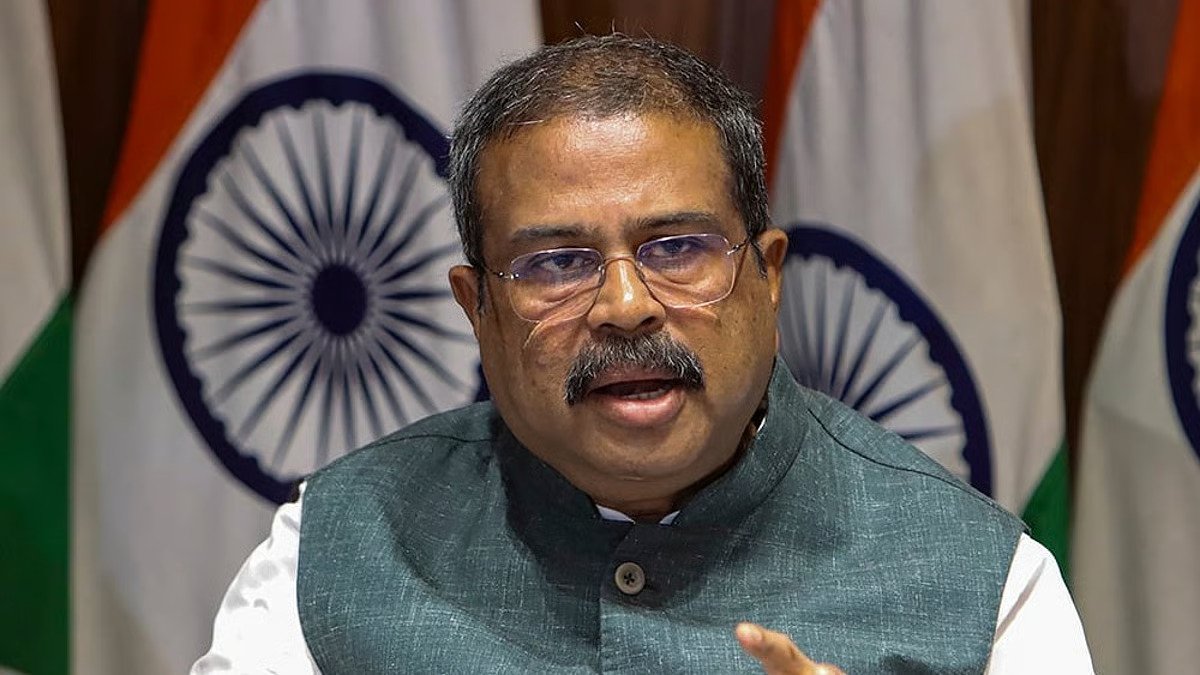
Amid relentless and unprecedented youth-led demonstrations centered at Jantar Mantar following widespread exam malpractices, Union Education Minister Dharmendra Pradhan officially tendered his resignation on Saturday. The ongoing agitations, spearheaded by the Cockroach Janta Party alongside various student organizations, have gripped the national capital and several other regions over the past week, demanding accountability for the NEET-UG paper leaks and protesting alleged police brutality against demonstrators.
In his resignation letter addressed to Prime Minister Narendra Modi, Mr. Pradhan stated that he had shouldered responsibility for the situation from the very beginning. He expressed deep pain over the sequence of events of the preceding ten days and emphasized that his actions were guided by a commitment to safeguarding the futures of meritorious students against exam mafias rather than holding onto personal prestige. Despite these statements, student leaders and opposition figures have maintained immense pressure, declaring that merely shifting portfolios within the Cabinet is entirely unacceptable and that total accountability from the highest levels of government remains non-negotiable.

The political fallout from the crisis has intensified significantly, with senior opposition leaders joining the demonstrations to echo the demands of the youth. Leader of the Opposition in the Lok Sabha Rahul Gandhi publicly criticized potential cabinet reshuffle plans, reiterating that the minister must step down entirely and that the Prime Minister himself should issue an apology for the heavy-handed security response. Meanwhile, security apparatuses across central Delhi have been placed on high alert. Numerous metro stations remain shuttered for the fourth consecutive day, heavy barricading welded with chains lines the protest zones, and authorities continue to grapple with escalating tensions as demonstrations spread to neighboring states, including a statewide bandh observed in Bihar.
As negotiations between student delegations and government representatives continue behind closed doors, civil society groups and international observers are closely monitoring the developments. The protests have also drawn statements from various political figures and cultural personalities who have voiced support for systemic educational reforms and transparent accountability mechanisms. While the government has introduced stringent measures under the anti-paper leak framework and initiated administrative crackdowns within the testing agencies, the protesters remain resolute, planning nationwide candle marches to honor victims of the recent clashes and ensuring that the debate surrounding educational integrity and institutional responsibility remains at the forefront of national discourse.

Furthermore, the reverberations of the youth movement have exposed deep institutional divides across various state administrations and academic bodies. Universities and student unions have found themselves embroiled in fierce administrative crackdowns, with several prominent educational institutions issuing strict advisories to deter student participation in the central rallies. These measures have routinely been met with sharp rebukes from student factions, who accuse university authorities of attempting to stifle democratic expression and curtail fundamental rights to peaceful assembly. The widespread deployment of advanced facial recognition systems and heavy police cordons around historic protest locations like Jantar Mantar has further magnified public discourse concerning civil liberties, state surveillance, and the evolving dynamics of youth-led political mobilization in contemporary democratic spaces.
Related News:
 It’s time to come clean on the China spy case
 French Taxi Driver Cleared in David Lammy Theft Case After Fare Dispute
 UK University Faces Counter-Terror Probe Over China Pressure
China-critical UK academics face ‘extremely heavy’ pressure from Beijing
UK University Faces Counter-Terror Probe Over China Pressure
China-critical UK academics face ‘extremely heavy’ pressure from Beijing
 Met Police Culture Makes Racial Harm ‘Inevitable’
 Remaining rebel Labour MPs have whip restored
 South African Detained After Neo-Nazi Rally in Australia
 Trump Signs Bill Releasing Justice Department Files on Epstein
 Trump Slams Democrats With ‘Seditious’ Death Claim
 Files Link Andrew to Epstein Dinner After Prison Release
 Swalwell Faces Pressure to Quit Governor Race
 Mass Arrests at London Palestine Protest Spark Debate
 Harmeet Dhillon Faces Scrutiny in DOJ Role Debate
 NHS Safety Fears as Nurses Cover Doctor Gaps
 Teacher Alleges Misogyny at Elite School
 FBI Links Brown University Shooting to Long-Term Grievances
 Cartel crackdown raises fears of fresh violence
 US judge dismisses Kilmar Abrego Garcia indictment
 China mine blast death toll rises to 90
 Gunman Killed After White House Security Shootout
 Irish Gangland Figure Fails in Dublin Election Bid
 Murder Probe Continues After Arrest Release
 Israeli Strike in Southern Lebanon Kills Seven
 Cambridge Professor Jason Arday Found Dead at Home
 Tasers Introduced in UK Prisons to Combat Rising Violence and Protect Staff
 Badenoch Warns Farage’s Grooming Gangs Plan Could Backfire
 FBI Director Kash Patel Defends Girlfriend Amid Government Jet Claims
 Police Probe Four Knife Incidents Linked to Cambridgeshire Train Attack
 Just Stop Oil Protesters Convicted Amid Climate Defence Row
 Labour immigration crackdown could cost UK £4.4bn
 ‘Reckless’ cuts to victims’ services will cost more than they save
 Major Rent Reform Ends No-Fault Evictions in England
 Peers Flood Assisted Dying Bill with 942 Amendments
 England’s Special Needs Support Faces Breaking Point
 US Justice Department Files Lawsuit Against California Over Partisan Voting Maps
 Oklahoma Governor Grants Last-Minute Clemency to Death Row Inmate
 Rio Raid’s Death Toll Raises Questions About Gang Impact
 Greene Pushes Epstein Files Amid Trump Fallout
 Trump Deploys DHS to Charlotte in Major Arrest Operation
 Charlotte Raids: 130 Arrested in Major Immigration Sweep
 Serial Rapist and Former Cop Found Guilty Again
 Man Charged Over Attempted Murder of Senior Officer
 Man Denies Stealing Bronze Age Gold from Museum
 Ex-Harvard President Pauses Teaching Over Epstein Emails
 Venezuela Threatens Nobel Winner Machado with Fugitive Status
 Most Tories Expect to Support a Farage-Led Government
 Runaway Driver Caught by DNA Evidence
 Peers Get Extra Time to Debate Assisted Dying Bill
 US National Guard Member Killed in DC Shooting
 ICC to Rule on Duterte’s Provisional Release
 Jordan Bardella: France’s Young Presidential Contender
 Australia grants Asio powers to designate hate groups under new laws
 ‘It’s a Complete Scandal’: Aristocrat’s Fight for Prison Children
 Tim Walz urges Trump to withdraw federal agents immediately
 Partial US Government Shutdown Hits Homeland Security Funding
 Thousands Protest ICE Operations in Nationwide US Day of Action
 Adelaide University Faces Backlash Over Event Cancellation
 Proposed Law Leaves Gap for Children of Convicted Paedophiles
 Report Says Pezzullo Acted ‘Recklessly’ in Dealings
 Hungary election: Orbán faces biggest test amid scandal
 Suspected Plot Targets Pipeline Before Hungary Vote
 Ben Roberts-Smith Denies War Crime Allegations in First Statement
 Learner Driver Charged After Expo Tragedy
 Crackdown Backfires on UK Climate Protesters
 Judge halts deportation of Yemeni refugees in US
 White House Security Case Sparks Political Firestorm
 China Fireworks Factory Blast Kills 21 in Hunan
 US ‘Narco Boat’ Strikes Draw Global Outcry
 Barrister Criticises Trial After Suicide Case Verdict
 US Awaits Iran Reply on New Ceasefire Proposal
 Immigration Judges Fear Pressure in Trump Era
 US green card applicants must apply from abroad, DHS says
 Tulsi Gabbard exits after turbulent intelligence tenure
 Discontent grows around Putin amid war strain
 DeSantis’s ‘Alligator Alcatraz’ Faces Final Shutdown
 New Footage Revives Peter Falconio Mystery
 Ukraine Creates Long-Range Strike Command
 Houthis Strike Saudi Arabia as Middle East Tensions Rise
 Westminster Council Threatens Charing Cross Soup Kitchen
 BBC Warned About Missing Clothes of Murder Victim