Published: 11 September 2025 | The English Chronicle Desk
Lord Peter Mandelson, long a central figure in British politics, has built a career intertwined with both power and controversy, balancing his role as a Labour stalwart with close ties to some of the world’s wealthiest figures. Over three decades, Mandelson, once dubbed the “Prince of Darkness,” has navigated the highest echelons of government while cultivating relationships in elite social and business circles.
Mandelson’s influence began during Labour’s opposition years in the mid-1980s, where alongside Tony Blair and Gordon Brown, he helped reposition the party for public appeal. He was also instrumental in launching the political career of Morgan McSweeney, now Keir Starmer’s chief of staff. Yet Mandelson’s proclivity for mixing with the wealthy and powerful has repeatedly drawn scrutiny.

His first resignation from Tony Blair’s cabinet in 1998 stemmed from an undeclared £373,000 loan from businessman Geoffrey Robinson, taken to purchase a London home while in opposition. Mandelson acknowledged that failing to declare the loan created the appearance of a conflict of interest. He returned to government as Northern Ireland Secretary, only to resign again in 2001 after contacting the Home Office on behalf of billionaire Srichand Hinduja, who was seeking British citizenship while having donated to the Millennium Dome project.
Mandelson’s later tenure as EU Trade Commissioner from 2004 to 2008 continued to place him at the centre of high-profile encounters with business elites. A 2005 trip to Russia with Nathaniel Rothschild and oligarch Oleg Deripaska, which included a traditional “banya” sauna in Siberia, attracted media attention and legal scrutiny. Subsequent reports claimed Mandelson had criticised Gordon Brown during a private meeting on Deripaska’s yacht, allegations that sparked wider debate about the intersection of politics and wealth in the UK.
Even after leaving frontline politics following Labour’s 2010 election defeat, Mandelson maintained a prominent public profile. He co-founded the consultancy Global Counsel with long-time ally Benjamin Wegg-Prosser, advising clients including the Qatari Free Zones Authority, Chinese fast-fashion brand Shein, and social media platform TikTok. Questions have also been raised regarding the consultancy’s links to China Council for the Promotion of International Trade, an organisation considered to be connected to the Chinese Communist Party’s influence operations. Mandelson has repeatedly declined to comment on these connections, citing other pressing responsibilities.
Mandelson’s most recent appointment as the UK’s ambassador to the Trump White House highlighted his enduring influence. His rapport with key figures in Washington, combined with a refined understanding of diplomacy and media management, has been noted as a significant asset to the government. Yet, photographs emerging this week showing Mandelson alongside convicted financier Jeffrey Epstein have reignited public scrutiny, raising questions about his judgement in maintaining close relationships with controversial figures.

While his political acumen and social connections continue to make him a valuable asset, some senior Labour figures now suggest that Mandelson could face further reputational challenges. The combination of past controversies, undeclared financial dealings, and recent revelations underscores the complex legacy of a man whose career has long straddled the boundaries of politics, wealth, and influence.
Related News:
 UK Must Act with Courage and Clarity on Israel-Palestine Conflict, Says Foreign Affairs Committee Report
 Wethersfield Controversy Deepens as Asylum Seeker Numbers Set to Surge by 50%
 Chancellor Faces Mounting Pressure Amid “Impossible Trilemma” Over Tax Rises
 Radioactive Leak at UK’s Nuclear Warhead Base Sparks Outcry Over Safety and Secrecy
 Mass Arrests in London as Protest Defies Ban on Palestine Action
 Mutual Inconvenience: Why Alaska Was Chosen for the Trump-Putin Summit on Ukraine
 Russell T Davies Warns of Declining UK Gay Rights Amid Rise of Reform UK and Trump Influence
 UK Government Expands ‘Deport Now, Appeal Later’ Policy to 23 Countries
 Farage Accuses PM of ‘Democratic Disparity’ in House of Lords Representation
 Chancellor Rachel Reeves Pushes for Sweeping Changes to Environmental Protections to Accelerate Development
 Larger Families Could Gain Thousands if Labour Ends Two-Child Benefit Cap
 Is the UK Ready to Put Boots on the Ground in Ukraine? Assessing Military Capacity and Challenges
 Ory Councils Urged to Challenge Asylum Hotels After Epping Ruling
 Palestine Action Ban Protesters Plan Tactic to Overwhelm Police at Next London Demonstration
 Police Scotland Spends £500,000 Compensating Officers Over Trump Visit
 Britain’s Migration Challenge: Rising Asylum Numbers and Hotel Pressures
 Elon Musk Sparks New Controversy by Backing Tommy Robinson Amid Farage Feud
 Polanski’s Rise Signals a Shift in British Political Landscape
 Urgent Action Needed on Windrush Compensation as Survivors Speak of “Waiting to Die”
 Tanni Grey-Thompson Faces Abuse Over Opposition to Assisted Dying Bill
 Protests Expected as Israeli Arms Firms Join Global Defence Trade Fair in London
 Are Britain’s Unions Turning Against the Workers They Once Represented?
 UK Rejoining EU ‘Unlikely in My Lifetime,’ Says Starmer’s Europe Reset Negotiator
 UK Urged to Collaborate with NATO on Missile Defence Amid Russian Drone Threat
 Oxford Union Condemns President-Elect’s Comments Following Charlie Kirk Shooting
 ‘Unite the Kingdom’ Rally Sparks Fears of Far-Right Normalisation Among Minority Britons
 France Proposes Ceiling on UK Role in €150bn EU Defence Fund
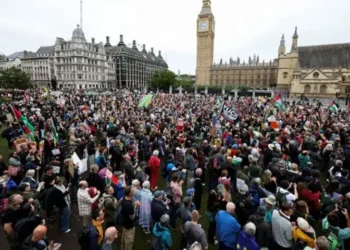 Thousands Gather in London to Protest Donald Trump’s Second UK State Visit
 Tragedy in Hackney: Man Killed and Woman Injured in East London Park Shooting
 Privatisation of UK Industries Exacerbates Cost of Living Crisis, Warns Green Party Leader
 Trump Urges UK to “Call Out the Military” to Secure Borders Amid State Visit
 Zarah Sultana Seeks Legal Action After Bitter Clash with Jeremy Corbyn Over Party Membership Funds
 Top Andy Burnham Ally Launches Fierce Critique of Starmer Ahead of Labour Conference
 Mahmood Pledges Reform of Modern Slavery Laws After Court Blocks Deportation Appeal
 It Changed My View’: Campaign Encourages Pupils in Deprived Areas to Consider University
 UK Fighter Jet Purchase Could Breach Nuclear Treaty, Warns CND
 Migrants in UK May Need to Contribute or Face Removal, Home Secretary Signals
 Ed Miliband Urges Labour to Confront Billionaire-Backed Opposition to Net Zero Goals
 A Third of EU Citizens in UK Report Discrimination by Public Bodies Post-Brexit
 Senior Tories Condemn Badenoch’s Vow to Repeal Climate Change Act as Catastrophic
 Home Secretary condemns Gaza protests after Manchester synagogue attack as “un-British”
 Digital ID Plans Ignite Debate Over £600m Treasury Tax Boost and Privacy Concerns
 Robert Jenrick Reiterates Controversial Comments on Birmingham’s Integration as Backlash Grows
 Public Trust in SNP Hits Historic Low Amid NHS Concerns
 Yvette Cooper Backs Digital ID Plan for UK Teens
 Starmer Faces Backlash Over Downing Street Shake-Up and Progressive Exodus
 Johnson Suggests Mandelson Linked to China Spy Controversy
 Ministry of Justice fails to file £11bn in spending receipts
 Witness statements reveal the CPS China spy row collapse in the UK
 Rachel Reeves signals welfare reform ahead of key budget
 Starmer pledges to claw back Baroness Michelle Mone’s Covid contract millions
 Reform UK candidate fined £19,000 after using AI-generated cases to challenge election
 The debate over England’s compulsory reading test for 13-year-olds
 Hermer to face questions on alleged China spy case intervention
 Kosovo agrees to host Britain’s refused asylum seekers
 William Steps Up Over Prince Andrew Palace Response
 UK Health Leaders Push for Urgent Tobacco & Vape Bill
 How the Royal Navy Can’t Stop the Channel Boats
 British Woman in Iran ‘Losing Hope’ Amid Ongoing Detention
 Johnson Approved China’s London ‘Super-Embassy’ in 2018
 BBC Journalist Held and Interrogated in Vietnam
 Green Party Surges Past Labour in Latest UK Poll
 Celebrities and Charities Demand UK Government Act on Child Poverty
 Zarah Sultana Launches Party to Change Politics
 FBI Director Kash Patel Defends Girlfriend Amid Government Jet Claims
 ‘Reckless’ cuts to victims’ services will cost more than they save
 Starmer Faces Growing Dissent as Labour MPs Weigh Leadership Challenge
 Politics latest: Starmer ‘will fight any leadership coup’ as Streeting denies attempt to oust Labour PM
 Pressure Mounts on Starmer to Sack Chief of Staff Over Briefing Row
 Peers Flood Assisted Dying Bill with 942 Amendments
 England’s Special Needs Support Faces Breaking Point
 MoD warned over Excel risks before Afghan data breach
 Labour Faces Historic Decline in Wales
 PM Highlights UK Business at G20 in South Africa
 Kate Forbes: Motherhood Harder Than Politics
 Most Tories Expect to Support a Farage-Led Government
 Labour MP claims devolution bill is ‘blatant discrimination’ against Cornwall
 Millions Face Higher Taxes Under Reeves New Budget
 Peers Get Extra Time to Debate Assisted Dying Bill
 “Enough is Enough”: Local MP Vows to Fight Rainham Quarry Plans