Published: 26 September 2025, The English Chronicle Desk
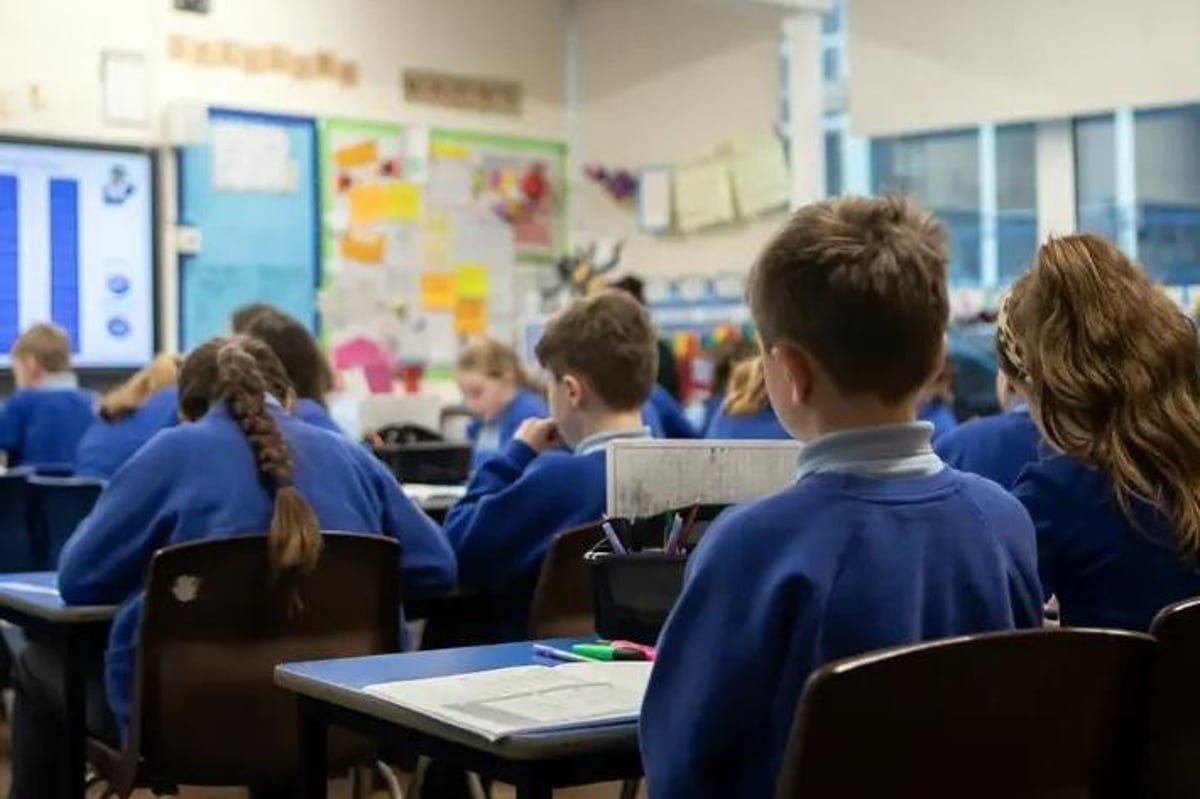
New research has revealed that white pupils from low-income families in England start secondary school with significantly lower levels of enthusiasm and effort compared with their peers from other ethnic backgrounds. The findings may shed light on persistent differences in academic achievement and classroom behaviour across ethnic and socioeconomic groups.
The study, conducted across more than 120 schools in England, measured pupil engagement using detailed questionnaires. Students responded to statements such as “I don’t feel bored at school” and “What I learn at school will help me in the future,” allowing researchers to gauge both enjoyment and motivation. The results suggest a stark divide: only half of low-income white pupils reported putting consistent effort into their schoolwork, compared with around 70% of disadvantaged pupils of South Asian heritage.
The gap appeared across both genders but manifested differently. Low-income white girls were less likely to enjoy being at school and struggled more with peer relationships, while boys reported lower levels of effort and motivation. “If you ask them how much effort they are putting into school, white working-class pupils stand out in a concerning way,” said Professor John Jerrim of University College London’s Social Research Institute, who led the study. “It is primarily an issue of engagement. They are not fully invested in their education from the outset.”

Prof Jerrim emphasized that this pattern appears early in secondary school, highlighting a challenge for policymakers who have long sought to improve outcomes for disadvantaged children. “Even on entry to secondary school, white working-class pupils tend to have lower levels of engagement than other groups, both more advantaged groups and pupils of different ethnic backgrounds,” he said. “Addressing this issue is not a quick fix; it requires long-term, sustained investment from early childhood onwards.”
The research also indicates a broader trend of declining engagement over time across most groups. While white pupils show low initial motivation, black pupils were found to experience particularly poor relationships with their teachers, which may further affect learning outcomes and behaviour.
Education Secretary Bridget Phillipson has previously acknowledged the issue, noting that the “lack of progress for children from white working-class backgrounds is particularly concerning.” She has pledged to tackle these disparities through measures outlined in the forthcoming education white paper. However, experts warn that changing attitudes and improving engagement is likely to be a prolonged process. “This is a hard nut to crack,” Jerrim said. “It will require investment at multiple stages of a child’s life, from early years through to secondary education, and cannot be solved overnight.”
The findings have sparked renewed debate on educational inequality in England. While government policies have often focused on disadvantaged ethnic minority pupils, the study underscores that white working-class children also face significant challenges in accessing high-quality education and developing positive learning habits.

Researchers argue that improving engagement will involve more than curricular reform. Interventions may need to address social and emotional aspects of learning, such as building strong relationships between pupils and teachers, fostering a sense of purpose, and encouraging peer support. These measures, combined with targeted support and resources for disadvantaged families, could gradually help close the engagement gap and improve outcomes for low-income white pupils.
The study serves as a reminder that educational inequalities are multifaceted. Socioeconomic status, ethnicity, school environment, and family support all interact to shape pupil experiences. Addressing disparities in engagement, particularly for those most at risk of falling behind, remains a critical challenge for educators and policymakers alike.
As England continues to focus on improving educational outcomes, the findings highlight the importance of early interventions and sustained support. Ensuring that all pupils, regardless of background, feel motivated and invested in their learning is essential not only for individual success but for the wider social and economic health of the country.
Related News:
 Ofsted Pushes Ahead with Controversial New Inspection Regime Despite Widespread Opposition
 Rachel Reeves Unveils Ambitious Plan to Bring a Library to Every Primary School in England
 Eating International Foods Linked to Greater Tolerance, UK Study Finds
 Phillipson urges UK universities to combat antisemitism
 Phillipson Warns Parents Over Poor Quality Online Advice
 One in 12 Secondary Pupils Sent to Isolation Weekly
 Children to Learn Local History in Major Curriculum Overhaul
 Greta Thunberg Backs Student Facing UK Visa Revocation
 No link found between paracetamol in pregnancy and autism
 UK Schools Face Staff Exodus Amid Wellbeing Crash
 The Ketamine Crisis in the UK is a Silent Epidemic Leaving Users with Lifelong Pain
 Wethersfield Controversy Deepens as Asylum Seeker Numbers Set to Surge by 50%
 Prince Harry Cleared of Bullying Allegations Amid Charity Dispute Fallout
 Princess of Wales Launches Animated Video Series to Support Early Childhood Development
 My Husband Won’t Stop Playing with Lego and It’s Driving Me Nuts
 Heartbreak in the New Forest as Shetland Ponies Vanish, Community on Edge
 Russell T Davies Warns of Declining UK Gay Rights Amid Rise of Reform UK and Trump Influence
 Alarming rise in abusive teen relationships in the UK sparks urgent warnings
 More than a Quarter of A-Level Students Poised to Achieve Top Grades Across UK
 Shocking Rise in Children’s Exposure to Violent Online Pornography Raises Alarm
 Why Where You Live Can Affect Your School Grades – And the Gap Between Areas Is Only Widening
 Calls Grow for a Complete Ban on Smacking as Public Opinion Shifts
 Education Leaders Call for End to Compulsory GCSE Resits in English and Maths
 Human Remains Discovered in Lancashire May Be Those of Children, Police Say
 Thousands of New School Nursery Places to Be Rolled Out Across England
 Why E-Bikes and E-Scooters Are Making Streets a ‘Nightmare’ for Blind People
 London to Regulate Pedicabs: Music Turned Down, Fares Set by the Minute
 UK Retail Sales Rise in August, but Tax Concerns Loom Over Festive Period
 Birmingham Bin Strike Enters Sixth Month as Negotiations Stall
 UK Graduates in Healthcare Report Highest Satisfaction with Degree Choices
 Over 40% of Private Renters Forced to Ration Energy to Afford Bills, Study Reveals
 Growing Crisis in UK Schools: One in Three Parents Seek Special Needs Assessments
 One in Three GPs in England Do Not Work in NHS, Raising Concerns Over Access to Care
 Persistent Offenders Owe Over £700m in Ulez Fines as TfL Cracks Down on Evasion
 UK Doctors Guilty of Sexual Misconduct Continue Practising Amid Weak Sanctions, Research Finds
 Northern Ireland Faces Fears of Prolonged Race Riot “Permacrisis”
 Zarah Sultana Seeks Legal Action After Bitter Clash with Jeremy Corbyn Over Party Membership Funds
 UK Launches Initiative to Teach Democracy to Toddlers in Memory of Sir David Amess
 Scottish Teenager’s Petition on Single-Use Plastics Gains Parliamentary Support
 Patricia Crowther, Known as UK’s Oldest Witch, Dies Aged 97
 Starmer Unveils Plan for NHS “Online Hospital” to Tackle Waiting Lists
 A Third of EU Citizens in UK Report Discrimination by Public Bodies Post-Brexit
 Marks & Spencer Staff to Work on Boxing Day for First Time in Five Years Amid Cost-Cutting Measures
 UK households brace for October benefit payments and rising energy costs amid cost-of-living pressures
 Teacher Permanently Banned After Slapping Pupil Over Classroom Incident
 Jilly Cooper: The Bonkbuster Queen Who Redefined Romantic Fiction
 Celebrity Traitors First Look: A Star-Studded Highland Adventure That Hooks from the Start
 Women Challenge Meta Over Targeted Ads After Miscarriage
 £18 Prostate Cancer Test Could Save Thousands of Lives
 Parents spending £5,000 on special school assessments in England
Pregnant Women in England Face Rising Risk of Severe Birth Injury
Parents spending £5,000 on special school assessments in England
Pregnant Women in England Face Rising Risk of Severe Birth Injury
 The debate over England’s compulsory reading test for 13-year-olds
 UK Health Leaders Push for Urgent Tobacco & Vape Bill
 Hospice Cuts Raise Alarm Across England Amid Funding Crisis
 UK Woman Loses Child Benefit After Booking Flight She Never Took
 Is a two-week half-term a good deal? Some parents in England aren’t so sure
 Mass Stabbing on Doncaster to London Train Leaves Ten Injured
 The Lowry Hotel: Manchester’s Iconic Five-Star Retreat
 Prince William Plants Trees with Brazil’s Nature Heroes
 Top Christmas Books Reads: Classics to Cozy Romcoms
 Audio Books deals and promo codes to explore in November 2025
 London’s Childlessness Crisis: Schools Closing as Families Shrink
 Jailed UK climate protesters face extremist-style restrictions
 How to get help when a child goes missing – call 999 urgently
 ‘Reckless’ cuts to victims’ services will cost more than they save
 Politics latest: Starmer ‘will fight any leadership coup’ as Streeting denies attempt to oust Labour PM
 Son Reveals UK Couple in Iran Resort to Hunger Strike for Help
 New weather warning issued with risk of flooding
 England’s Special Needs Support Faces Breaking Point
 Mum Calls for New Licence Rules After Teen Road Death
 £1 Breakfast Club Brings Parents Together in Sheffield
 Mother Watches in Horror as Teen Daughter Dies on Tracks
 ‘Traumatic Wait’: Northern Ireland Women Face Breast Cancer Delays
 Commuters warned as yellow snow and ice alert hits Northern Ireland
 Coffins Now Too Large to Cremate Amid Rising Obesity Crisis
 Labour MP claims devolution bill is ‘blatant discrimination’ against Cornwall
 Fibromyalgia Patients Struggle as NHS Fails to Provide Care
 Search underway for British man overboard off Tenerife
 “Enough is Enough”: Local MP Vows to Fight Rainham Quarry Plans
 Virgin Media Fined £23.8m Over Telecare Safety Failures