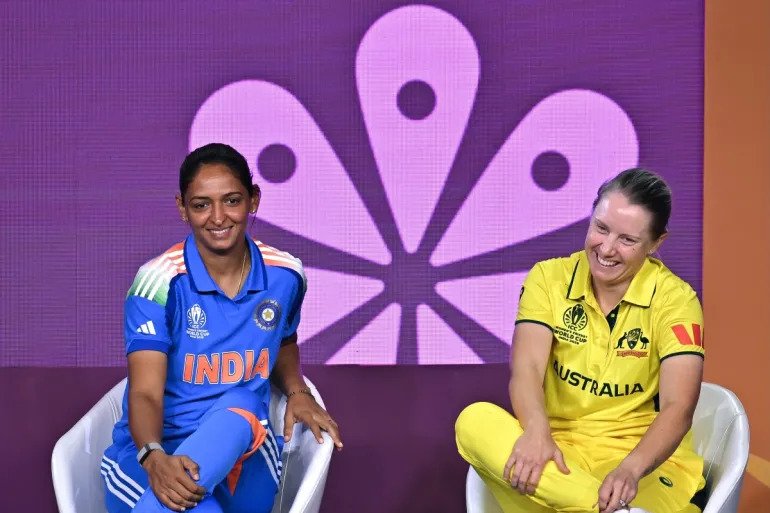
Published: 30 September 2025. The English Chronicle Desk
The International Cricket Council has finalised the arrangements for the ICC Women’s World Cup 2025, confirming India as the official host while announcing that Pakistan’s matches will take place in Sri Lanka. The decision comes after prolonged negotiations aimed at resolving the longstanding political and diplomatic challenges between the two neighbours, whose bilateral cricketing ties have remained frozen for more than a decade.
India had earlier been declared as the host nation, with preparations already underway across multiple venues including Navi Mumbai, Guwahati, Bengaluru and Delhi. However, the issue of Pakistan’s participation required delicate handling following a military and aerial conflict in May that once again heightened sensitivities. The ICC stepped in with a compromise, ensuring Pakistan’s fixtures would be staged in Colombo, thereby allowing the team to compete without the political complications of travelling to India.

The compromise extends to the knockout stages as well. The first semifinal, scheduled to be played in Guwahati, will be moved to Colombo if Pakistan qualify, while Navi Mumbai has been allocated the second semifinal which will serve as India’s designated match should they reach that stage. The final is also expected to be staged in India, but the rules allow for it to shift to Sri Lanka if Pakistan progress to the title clash for the first time in their history.
For India, hosting the Women’s World Cup represents an opportunity to showcase the progress of women’s cricket, which has gained immense popularity in recent years following the success of the Women’s Premier League. With stars such as Smriti Mandhana, Harmanpreet Kaur and Shafali Verma, the Indian team will carry the weight of expectations in front of home crowds desperate to see them secure a first World Cup crown on home soil. Pakistan, meanwhile, will begin their campaign in Colombo with the aim of breaking new ground. They have never reached a Women’s World Cup final and will look to make history in conditions that, while outside India, still offer a familiar subcontinental setting.
The logistical demands of this arrangement will be considerable. Security considerations remain central to the decision, as concerns about visa processes, potential political protests and broader safety issues were raised in the lead-up to the tournament. By shifting Pakistan’s fixtures to Sri Lanka, the ICC and the boards involved have sought to guarantee a smooth and uninterrupted competition. Fans from Pakistan are expected to travel in significant numbers to Colombo, ensuring matches retain their passion and atmosphere despite being staged away from India.
This edition of the Women’s World Cup also carries symbolic weight for the game itself. Women’s cricket has seen unprecedented growth, with record-breaking audiences and increasing commercial support. India’s role as host ensures large crowds and worldwide coverage, while the inclusion of a neutral venue for Pakistan reflects the game’s adaptability to political realities. The hope within the ICC is that the tournament will be remembered not only for the compromises it required but for the quality of cricket it produces.
The rivalry between India and Pakistan will inevitably draw attention, as it has done in every ICC event where the two teams meet. With bilateral ties suspended, the World Cup will again provide the rare stage for the neighbours to face each other, and the anticipation for such a contest is immense. Beyond the headline clashes, however, the tournament is expected to provide a global platform for the women’s game, highlighting the depth of talent across participating nations and furthering the momentum that women’s cricket has been building worldwide.

While political disputes have influenced the shape of this World Cup, the ICC has been keen to stress that the focus must remain on the cricket itself. Administrators describe the compromise as a necessary step to preserve the credibility of the competition and ensure that all teams can compete on equal terms. For the players, the shifting venues and underlying tensions will matter less than the opportunity to represent their nations on the sport’s biggest stage.
The Women’s World Cup 2025 will therefore stand as both a sporting contest and a reflection of the broader challenges facing international cricket. It shows how sport can adapt in difficult circumstances, bridging divides and maintaining continuity even when politics threatens to intervene. With India preparing to host the majority of matches and Sri Lanka providing a stage for Pakistan, the world now looks ahead to a tournament that promises not only high-quality cricket but also a powerful statement about resilience, adaptability and the unifying power of sport.
Related News:
 England’s Euro Odyssey: A Tale of Grit, Glory and the Lionesses’ Miraculous March to the Final
 Raducanu’s Resurgence and Venus’s Record-Breaking Feat Highlight Washington Showdowns
 Glory for the Lionesses: England Crowned Women’s Euros Champions Again Amid National Calls for Bank Holiday
 Tottenham Takes On Newcastle
 Manchester City Announce Their Return in Style with Haaland Double and Debut Goals at Wolves
 New Season, Same Strife Between the Sticks for Manchester United
 FIFA Eyes Biennial Club World Cup from 2029, Plans Possible Expansion
 Kylian Mbappé Fires Real Madrid to Winning Start for Alonso Against Osasuna
 One More Step for Cristiano Ronaldo! Al-Nassr Beat Al-Ittihad
 Brazil Dominate Chile 3-0 to Secure Second Place in World Cup Qualifiers
 Germany and Northern Ireland Set for Crucial World Cup Qualifier Clash in Cologne
 Merino Hat-Trick Inspires Spain to 6-0 Rout of Turkey in World Cup Qualifier
 Carlos Alcaraz Celebrates Second US Open Triumph, Calls It the Best Tournament of His Career
 Serbia Humiliated 0-5 by England in World Cup Qualifier
 Haaland Hits Five as Norway Crush Moldova 11-1 in World Cup Qualifier
 Gabriel Martinelli’s Spark Ignites Arsenal’s Champions League Campaign with Victory at Athletic Bilbao
 Man City 2-0 Napoli: Haaland Reaches 50 Champions League Goals After Red Card Turns Tide
 Rashford’s Brilliance Stuns Newcastle as Barcelona Claim Champions League Victory
 Tributes Pour In as Former Liverpool Women Manager Matt Beard Dies Aged 47
 Dembélé and Bonmatí Shine as Ballon d’Or Winners in Glittering Paris Ceremony
 Hannah Hampton Makes History as First Winner of Women’s Yashin Trophy at Ballon d’Or Awards
 Liverpool Vs outhampton Set for Carabao Cup Clash at Anfield
 Dramatic Derby: Sorloth Strikes as Atletico and Real Madrid Share the Spoils
 Bournemouth Stun Fulham with Dramatic Comeback in Premier League Thriller
Guardiola Enters Elite Club with Record-Breaking 250th Premier League Win
Bournemouth Stun Fulham with Dramatic Comeback in Premier League Thriller
Guardiola Enters Elite Club with Record-Breaking 250th Premier League Win
 Chaos at Ibrox as Martin’s Rangers Era Comes to an End
 Arsenal Showcase Depth and Flexibility as Arteta Eyes Title Challenge
 Ferguson Fires Scotland to Dramatic Comeback Win Over Greece
 England Thrash Wales as Rogers, Watkins and Saka Shine Bright
 Ruben Neves Strikes Late as Portugal Beat Ireland
 Tuchel Criticises ‘Silent Wembley’ After England Win
 Clarke’s Anger Overshadows Scotland’s Historic Win
 Kane’s Double Seals England’s World Cup Qualification
 Barnes Inspires Newcastle to Champions League Triumph Over Benfica
City shine with PlayStation-style football to overwhelm Villarreal
Barnes Inspires Newcastle to Champions League Triumph Over Benfica
City shine with PlayStation-style football to overwhelm Villarreal
 Fabio Wardley stuns Joseph Parker to earn Usyk title shot
 Tension and Turmoil at Aston Villa v Maccabi Match
 Lando Norris Dominates Brazil GP to Strengthen F1 Title Bid
 Ronaldo Confirms Final World Cup and Plans Retirement
 England Maintain Perfect World Cup Qualifying Record with Win Over Serbia
 Osimhen doubles as Nigeria reach CAF World Cup final
 Tears of Joy as Ireland Stun Hungary to Stay in World Cup Race
 Australia Fast Bowler Aims to Silence Joe Root in Perth
 Haaland Heroics and Portuguese Rampage Seal World Cup Qualification
 Irish Hero Parrott Says Goal Brought First Tears in Years
 Scotland Fans Reflect on France ’98 as World Cup Looms
 Nigeria Misses World Cup Again After Play-Off Loss
 Mark Wood Bowls Rapid Nets Spell, Ashes Test Hopes Rise
 Cardiff Nights Could Propel Wales to World Cup Glory
 Spain Qualify for 2026 World Cup After Dramatic Draw
 Scotland End 28-Year Wait With Stunning World Cup Qualification
 Cristiano Ronaldo Joins Trump, Bin Salman at State Dinner
 Tiny Curacao Makes History as Smallest Nation to Reach World Cup
 Haiti Qualifies for World Cup Despite Coach Never Visiting Country
 Scotland Fans Celebrate Historic World Cup Qualification
 Barcelona Returns to Camp Nou vs Athletic Bilbao
 India, Pakistan to Clash in T20 World Cup 2026 Group Match
 Mbappe Scores 4 as Real Madrid Edge Olympiakos
 Man City Lose, Champions League Risk
 UK Must Act with Courage and Clarity on Israel-Palestine Conflict, Says Foreign Affairs Committee Report
 London Set to Honour Euro 2025 Champions as Lionesses Take Victory Parade Through the Capital
 Radioactive Leak at UK’s Nuclear Warhead Base Sparks Outcry Over Safety and Secrecy
 Rugby Confronts Safety Concerns with Smart Mouthguards at Women’s World Cup
 Premier League Supercomputer Predicts Tough Season for Man Utd Amid Three-Team Title Battle
 Terence Stamp, ’60s British Film Legend and Star of Superman, Dies at 87
 Hong Kong Summons UK and Australian Envoys Following Asylum Grants to Democracy Activists
 Is the UK Ready to Put Boots on the Ground in Ukraine? Assessing Military Capacity and Challenges
 Channel Crossings Surge: Over 1,000 People Arrive in the UK in Small Boats in a Single Day
 Macron Phones Trump Over Traffic Jam in New York
 Comey Indictment Deepens Fears of Political Retribution Under Trump
 Yvette Cooper Signals Global Momentum Towards Gaza Peace Deal Amid Humanitarian Crisis
 Public Trust in SNP Hits Historic Low Amid NHS Concerns
 Johnson Suggests Mandelson Linked to China Spy Controversy
 Rachel Reeves signals welfare reform ahead of key budget
 WW2 Pilot’s Long-Lost Crash Site Unearthed in Essex
 Japan Deploys Police to Curb Deadly Bear Attacks
 Former Lion Heskey Warns of Shortage of England Strikers
 Trump Deploys DHS to Charlotte in Major Arrest Operation
 Orban Says Ukraine Has ‘No Chance’ as EU Support Continues
 Two National Guard Soldiers Critically Injured Near White House