Published: 10 October 2025 | The English Chronicle Desk | The English Chronicle Online
Celebrations broke out across Israel and the Palestinian territories on Thursday night as both sides prepared to implement a ceasefire deal aimed at ending more than two years of devastating conflict. The agreement, which has been formally approved by Israel’s government and accepted by Hamas, promises to halt a war that has claimed tens of thousands of lives, destabilised the Middle East, and drawn global condemnation.
In Gaza, scenes of relief mixed with fear. While some residents took to the streets to dance and sing, many remained wary, haunted by the memories of previous ceasefires that failed to hold. The roar of Israeli aircraft above the enclave served as a reminder of how fragile peace remains in a territory scarred by destruction and grief.
In Israel, the mood was one of cautious optimism. Hospitals prepared to receive hostages soon to be released by Hamas, while thousands of people flooded central Tel Aviv, waving flags and chanting in celebration. After years of anguish, the sense of hope was palpable.

Late in the evening, a statement from Prime Minister Benjamin Netanyahu’s office confirmed that the Israeli government had “approved the framework for the release of all hostages – both the living and the deceased.” The announcement came after an extraordinary cabinet meeting, marking the most significant political step toward ending the war.
The diplomatic breakthrough followed intense, behind-the-scenes negotiations mediated by the United States, Egypt, Qatar and Turkey. Former U.S. President Donald Trump’s surprise announcement of a new “peace proposal” last week triggered a rapid series of indirect talks between Israel and Hamas in the Egyptian resort of Sharm el-Sheikh.
Trump said on Thursday he planned to attend the signing ceremony in Egypt and was expected to travel to Israel on Sunday. Declaring the deal “a great plan,” he claimed it would “end the war in Gaza.” Under the terms outlined, Hamas is to release 48 hostages—fewer than half of whom are believed to be alive—early next week, while Israel will begin freeing Palestinian prisoners in return.
The U.S. has announced that around 200 troops will be deployed to Israel to help monitor and support the ceasefire’s implementation. Although many of Trump’s broader peace proposals remain unresolved or unacknowledged by either side, world leaders rushed to praise the agreement as a long-awaited step toward stability.
Still, confusion surrounded the timetable. Netanyahu’s office said the ceasefire would take effect once formally ratified, but government spokespeople suggested it might begin within 24 hours of approval. The release of living hostages is expected within 72 hours, officials said.
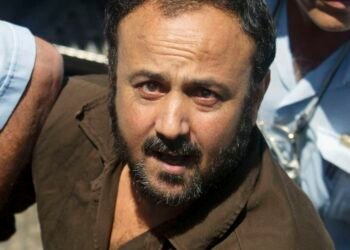
According to Israeli sources, forces will withdraw to a pre-agreed line, leaving Israel in control of roughly 53% of Gaza’s territory. In return, Israel will release about 2,000 Palestinian prisoners, though Marwan Barghouti—one of the most prominent figures of the Palestinian movement—will not be among them. Hamas representatives confirmed that final discussions over the prisoner list were ongoing.
Hamas political chief Khalil al-Hayya, speaking from exile, said his group had received “clear guarantees” from the United States, Arab mediators and Turkey that Israel’s military campaign had permanently ended. The militant organisation urged Washington and other guarantor states to ensure that Israel fully honours the ceasefire commitments.
International organisations immediately began preparing humanitarian operations. The UN said its agencies were ready to move aid into Gaza, where famine was declared in August. UN Secretary-General António Guterres welcomed the ceasefire but warned that “to turn this moment into real progress, we need more than the silencing of the guns.” He called for safe access for aid workers, the removal of bureaucratic barriers and urgent funding to rebuild Gaza’s shattered infrastructure.
In Tel Aviv, the joy was unmistakable. Thousands gathered in Hostages Square, the symbolic heart of the campaign to free those abducted in Hamas’s October 2023 attacks. People waved Israeli and American flags, sang together and wept with relief.
“It feels like we can finally see a bit of light at the end of this long tunnel,” said 25-year-old student Einav Kahila, who had travelled from Jerusalem to join the crowd. “There’s fear, of course—we’ve been disappointed before—but tonight people want to believe in hope.”
Einav Zaugauker, whose son Matan is among the hostages expected to be released, said she could hardly contain her emotions. “I can’t breathe. I can’t explain what I’m feeling,” she told local media. “It’s unbelievable.”
Across the border in Gaza, the atmosphere was more restrained. “I did not know whether to be happy or sad,” said Ola al-Nazli, 47, who was forced from her home in Gaza City months ago and now shelters in a tent near al-Muwasi. “We have lived through this before, and each time it ends in more disappointment. Our joy is mixed with pain and fear. We just want to live in safety, without bombs, without moving again.”
Despite the celebrations, major challenges remain. The ceasefire deal marks the most significant diplomatic achievement yet for Trump, who entered office promising to end wars in both Gaza and Ukraine but faced immense geopolitical obstacles. His envoys, Jared Kushner and special adviser Steve Witkoff, arrived in Israel on Thursday to help coordinate the final stages of the agreement.
Negotiators reportedly bridged key gaps over the first phase of Trump’s 20-point “peace plan,” though contentious issues—such as Hamas’s disarmament and Gaza’s long-term governance—remain unresolved. Senior Hamas official Osama Hamdan told Al Araby TV that his group rejected Trump’s proposal for an interim “Board of Peace” to oversee Gaza, which would be chaired by the U.S. president himself.

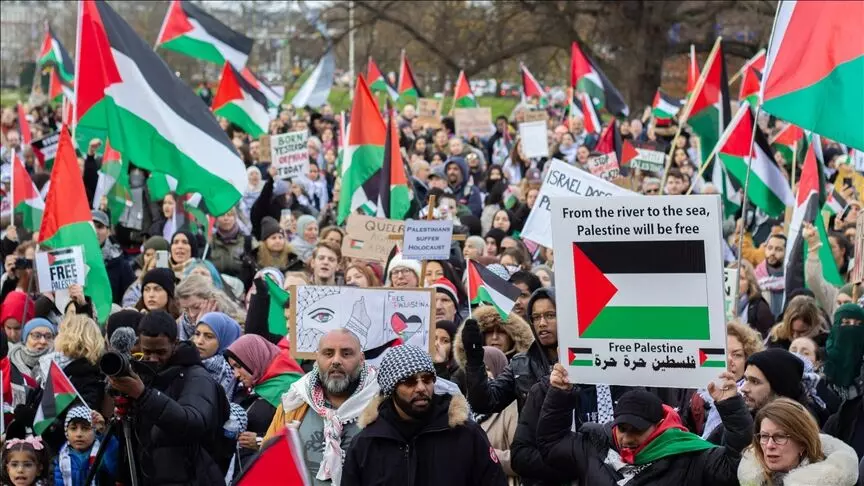
Still, for the first time in years, both sides appear closer than ever to ending a conflict that has left deep scars across the region. The war’s reach extended far beyond Gaza, drawing in Iran, Yemen and Lebanon, and sparking global protests demanding an end to the bloodshed.
Over the past week, Israel had already reduced the intensity of its air strikes. Gaza health authorities reported eight deaths on Wednesday—among the lowest daily tolls in months. Yet, humanitarian experts warn that even with the ceasefire, hundreds of thousands will remain without food or adequate shelter.
The war’s toll has been catastrophic. Around 1,200 people, mostly civilians, were killed in the Hamas attacks of October 2023, during which 251 were taken hostage. Israel’s subsequent offensive has killed more than 67,000 Palestinians, the majority of them civilians, and flattened large parts of Gaza. Entire neighbourhoods have been reduced to rubble, families displaced multiple times, and infrastructure destroyed beyond recognition.
For now, both Israelis and Palestinians find themselves suspended between hope and uncertainty. As one Israeli protester put it, “We don’t know if this is truly the end, but for the first time, it feels possible.”
Related News:
 Kinnock’s Rebuke Echoes Loudly as Corbyn Allies Launch Left-Wing Breakaway: “A Gift to Farage”
 UK and Norway Forge Stronger Ties Through Joint Sanctions and Enhanced Defence Cooperation
 Trump Administration Dismisses 17 Immigration Judges, Sparking Debate Over Judicial Independence
 Lammy Condemns Israel’s Targeting of Starving Palestinians: Sanctions Threatened Amid Global Outrage
 Tony Blair Pressured to Repay Thousands for Designer Clothing Discounts, Reveals Newly Declassified Records
 Modi’s London Visit Seals Historic UK-India Trade Pact Amid Global Tensions
 UK Must Act with Courage and Clarity on Israel-Palestine Conflict, Says Foreign Affairs Committee Report
 Philippine Supreme Court Halts Impeachment of Sara Duterte, Fuelling 2028 Election Speculation
 New Missile, New Balance: US Precision Strike Weapons Redefine Taiwan’s Defence Horizon
 Trump Threatens 100% Tariff on Nations Importing Russian Oil Amid India Standoff Over Ukraine War
 MPs Call on UK Government to Delay Biometric Visa Checks for Gaza Students Amid Humanitarian Crisis
 Netanyahu Announces Plan to Take Over Gaza City, Escalating Conflict Further
 Radioactive Leak at UK’s Nuclear Warhead Base Sparks Outcry Over Safety and Secrecy
 Lammy and Vance Meet in Britain to Advance US-Brokered Ukraine Peace Talks
 Mutual Inconvenience: Why Alaska Was Chosen for the Trump-Putin Summit on Ukraine
 Prominent Al Jazeera Journalist Anas al-Sharif Among Five Reporters Killed in Israeli Airstrike on Gaza
 Hong Kong Summons UK and Australian Envoys Following Asylum Grants to Democracy Activists
 Is the UK Ready to Put Boots on the Ground in Ukraine? Assessing Military Capacity and Challenges
 Ukraine-Russia War Latest: Trump Suggests Putin Avoiding Zelensky Summit Due to ‘Personal Dislike’
 CDC Plunged Into Turmoil as Ousted Chief Susan Monarez Refuses to Step Down
 Protests Expected as Israeli Arms Firms Join Global Defence Trade Fair in London
 Trump Appears Sidelined as Israel’s Unprecedented Strikes Hit Qatar
 Meeting Between Keir Starmer and Israeli President Marked by Tense Exchanges Over Gaza Aid
 Conservative Influencer Charlie Kirk Fatally Shot During University Debate
 UK Imposes 100 New Sanctions Targeting Russia’s Revenues and Military Supplies
 Thousands Gather in London to Protest Donald Trump’s Second UK State Visit
Trump Urges UK to “Call Out the Military” to Secure Borders Amid State Visit
Thousands Gather in London to Protest Donald Trump’s Second UK State Visit
Trump Urges UK to “Call Out the Military” to Secure Borders Amid State Visit
 Channel Crossings Surge: Over 1,000 People Arrive in the UK in Small Boats in a Single Day
 Widow of Charlie Kirk Forgives Killer at Emotional Memorial Service
Trump’s UN Speech Criticises London and UK Policies, Draws Far-Right Attention
Widow of Charlie Kirk Forgives Killer at Emotional Memorial Service
Trump’s UN Speech Criticises London and UK Policies, Draws Far-Right Attention
 Denmark Investigates Professional Drone Incursions Across Multiple Airports, No Evidence of Russian Involvement
 Sir Sadiq Khan Accuses Trump of Racism and Islamophobia Following UN Remarks
 UK Fighter Jet Purchase Could Breach Nuclear Treaty, Warns CND
 Yvette Cooper Signals Global Momentum Towards Gaza Peace Deal Amid Humanitarian Crisis
 A Third of EU Citizens in UK Report Discrimination by Public Bodies Post-Brexit
 Jailed Georgian Opposition Leaders Warn UK of Iranian Links to Ruling Party
 Russia repeatedly targets UK military satellites, warns Space Command chief
 Pro-Palestine March to Proceed in London Despite Calls to Cancel After Manchester Attack
 Misinformation and Political Pressure Force Weston-super-Mare to Abandon Refugee Sanctuary Plan
 UK Universities Warn Students Ahead of 7 October Pro-Palestine Protests
 Public Trust in SNP Hits Historic Low Amid NHS Concerns
 Johnson Suggests Mandelson Linked to China Spy Controversy
 UK Extradition Law Change Sparks Fears Among Hong Kong Dissidents
 Witness statements reveal the CPS China spy row collapse in the UK
 Nigel Farage Calls Vladimir Putin ‘A Very Bad Dude’
 Rachel Reeves signals welfare reform ahead of key budget
 Kosovo agrees to host Britain’s refused asylum seekers
 Ireland Votes as Two Women Compete for Presidency
 Rachel Reeves to lead UK trade push in Saudi Arabia amid rights debate
 Experts Warn Russia’s Burevestnik Missile Could Destabilise Arms Control
 British Woman in Iran ‘Losing Hope’ Amid Ongoing Detention
 Johnson Approved China’s London ‘Super-Embassy’ in 2018
 BBC Journalist Held and Interrogated in Vietnam
 UK University Suspends Human Rights Research Following Pressure from China
 UK University Faces Counter-Terror Probe Over China Pressure
 Abigail Spanberger Elected Virginia’s First Female Governor
China-critical UK academics face ‘extremely heavy’ pressure from Beijing
Abigail Spanberger Elected Virginia’s First Female Governor
China-critical UK academics face ‘extremely heavy’ pressure from Beijing
 British military receives first Ajax armoured vehicles – eight years late
 Hannibal Gaddafi Freed After Nearly a Decade in Lebanon
 Ukraine-Russia war latest: Putin’s troops exploit bad weather to force Kyiv withdrawal from multiple towns
 Trump Claims Victory as Longest Shutdown Ends
 Hamas Fighters in Gaza Tunnels Stall Ceasefire Progress
 New review urges UK to repatriate Shamima Begum, others from Syria
 US Justice Department Files Lawsuit Against California Over Partisan Voting Maps
 Trump Deploys DHS to Charlotte in Major Arrest Operation
 Why Russian Liberals Push Strongly Pro-Israel Narratives
 Congress Approves Release of Epstein Files, Trump Expected to Sign
 Rama Rebukes Mahmood for Targeting Albanian Families
 Russian Vessel Used Lasers on RAF Pilots, UK Claims
 Pentagon Officials in Ukraine to Discuss War End
 US Military Team Visits Kyiv Amid War Talks
 Venezuela Threatens Nobel Winner Machado with Fugitive Status
 Texas Governor Faces Lawsuit From CAIR
 Trump Envoy to Discuss Ukraine Peace at Kremlin
 Pope Leo XIV Begins Historic Trip to Turkey and Lebanon
 India’s Labour Law Overhaul Sparks Fierce Debate
 Video shows Israeli troops kill Palestinians after surrender
 Trump to Recheck Green Cards from 19 Nations After DC Attack
 Chinese & Japanese Boats Clash Near Disputed Islands
 Global campaign launched to free Palestinian leader Barghouti