Published: 13 October 2025. The English Chronicle Desk. The English Chronicle Online.
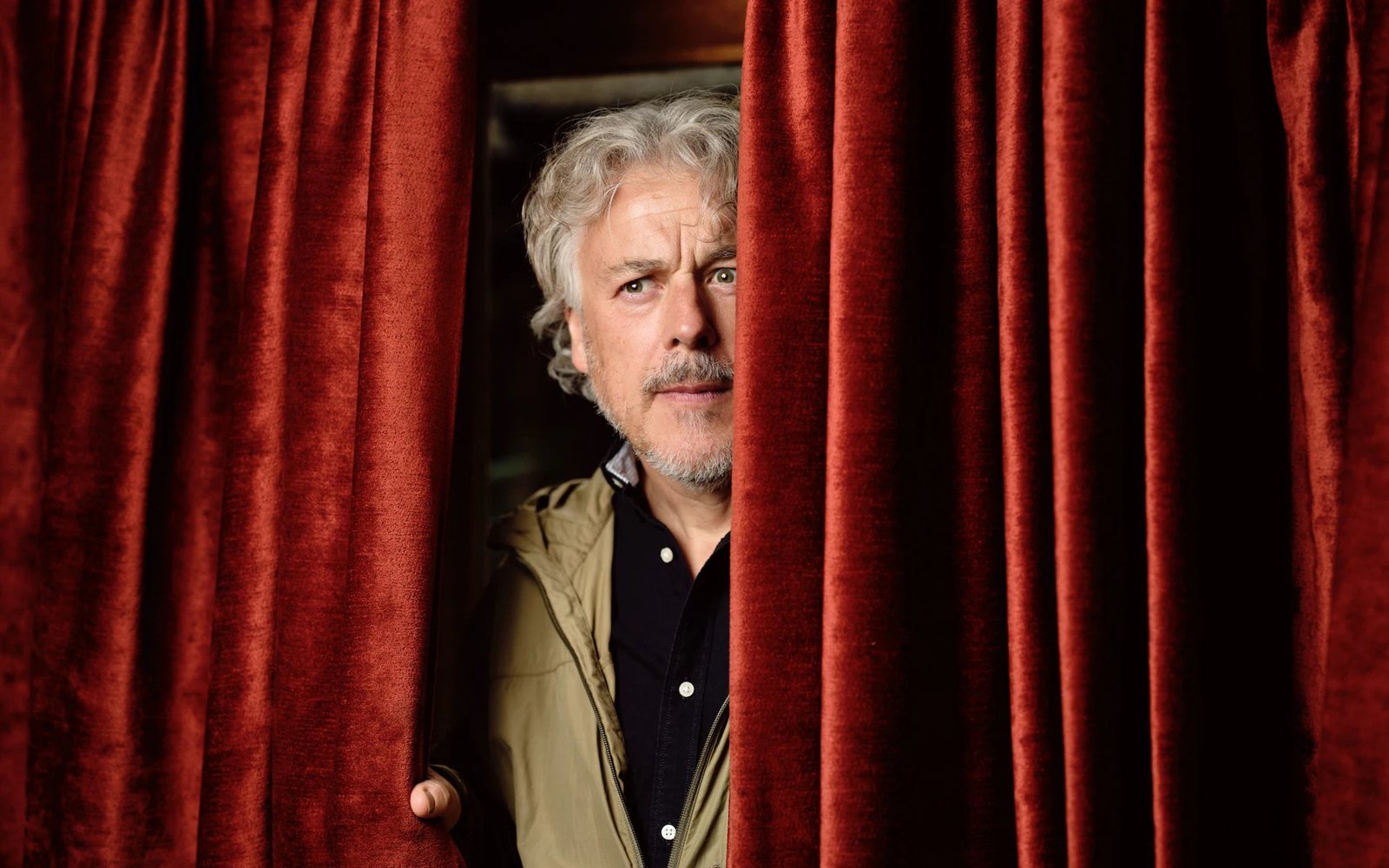
Comedian and actor Alan Davies has spoken out about his growing unease with the public display of patriotism in the UK, saying he “hates” the flying of England flags and questioning what Britain means to people today.
Davies, 59, shared his views during a candid discussion at the Cheltenham Literature Festival, reflecting on both the state of national identity and the changing landscape of comedy in Britain. He described the recent wave of patriotic displays as a troubling trend, particularly Operation Raise the Colours, a government initiative encouraging towns and cities across the country to fly the flag more prominently.
“I don’t know what Britain means to people any more,” Davies told the audience. “I hate the appropriation of the flag. I hate the appropriation of patriotism, and I hate this idea that if you find it uncomfortable, it feels like dog-whistle racism so much.”
His comments reflect a wider conversation around national identity in the UK, particularly as symbols such as the Union Jack and the St George’s Cross have become highly politicised in recent years. While many see flying the flag as a celebration of culture and heritage, others, like Davies, perceive it as an overemphasis on patriotism that can alienate minority communities and suppress nuanced discussion about Britain’s place in the modern world.

Beyond flag displays, Davies also addressed the ongoing migrant crisis and voiced his opposition to measures intended to halt small boats crossing the English Channel. “I hate the abject failure to process asylum seekers,” he said. “I hate this idea that you can just stop people coming. People are going to keep coming for the next 50 years because of global warming. I hate this mistrust of anybody brown, foreign, I hate Islamophobia.”
He continued, warning that future generations will need to adapt to large-scale global migration. “We are going to have to cope better with what’s going to be happening with human beings in the next 100 years. That’s something we are going to have to prepare for. Do not stop the boats; use the military, sink a boat full of people. We have got to be better prepared. We now know this is going to continue, and we have to do something in the next decade to sort it.”
Davies’ speech also touched on his own career and the evolution of comedy in the UK. He was promoting his recent book, White Male Stand-Up, a memoir exploring his early days in comedy and the trajectory of his career to date. The book follows his first memoir, Just Ignore Him, which detailed the sexual abuse he suffered as a child at the hands of his father.
At the festival, Davies spoke about the challenges comedians face in the current climate, particularly in relation to cancel culture and perceived limitations on freedom of expression. “What can happen is – when opportunities come to create work for television in particular – there are so many obstacles that people can begin to self-edit. Don’t put that in, it won’t get through, and they won’t like that,” he explained. “I think that’s a disaster. In terms of total freedom of speech, if someone is self-editing their work before they have even presented it to a potential broadcaster, that’s not a place we should be in.”
He described the heightened sensitivity around issues like pronouns and identity as stifling for emerging talent. “It’s a source of self-frustration that there is this hair-trigger reaction citing being offended, and you can find someone in trouble for the wrong pronouns or things that, in the best will in the world, they struggle to understand,” Davies added.
The comedian, known for his long-standing role on QI and his distinctive observational humour, expressed concern for the future of comedy, particularly regarding institutions like the BBC, which he described as “always the best place to go for comedy.” Davies warned that defunding or limiting the broadcaster could have severe consequences for comedy and the creative arts. “The BBC has always been a space where new talent can flourish, where comedy can take risks and where freedom of expression is encouraged,” he said.
Davies’s reflections are a reminder of the complex intersection between humour, national identity, and social responsibility. While comedy has traditionally been a space to challenge cultural norms, confront prejudices, and provoke discussion, contemporary pressures on performers are forcing them to navigate a delicate balance between creativity and public sensitivity.
He also connected the issues of nationalism and intolerance with his wider views on society. Davies suggested that the fervent display of flags and patriotic imagery, when combined with a rising mistrust of immigrants and people of different backgrounds, risks creating a climate of division rather than unity. “Patriotism should not be weaponised or used to exclude others,” he said. “We should celebrate our country, yes, but not at the expense of human decency, empathy, and understanding.”

Davies’ perspective resonates with a growing number of voices questioning the meaning of national identity in an increasingly diverse and globalised Britain. As debates about immigration, climate change, and social cohesion continue to dominate public discourse, his comments underline the importance of considering both the symbolism and the practical implications of patriotic gestures, as well as the policies associated with them.
The Cheltenham Literature Festival provided a platform for Davies to combine personal storytelling with wider cultural commentary, reflecting both his own experiences and his understanding of societal trends. By linking his views on patriotism and asylum policy with broader concerns about comedy, freedom of speech, and public institutions, Davies presented a holistic argument for empathy, critical thinking, and responsible civic engagement.
He concluded with a call to approach societal challenges thoughtfully and proactively. “We cannot simply react with fear or attempt to halt the natural flow of human migration or cultural change,” he said. “Comedy, like society, must evolve. We need to engage openly with difficult subjects, reflect on our responsibilities, and maintain spaces where people can express ideas freely without undue fear of punishment or censorship.”
Alan Davies’ candid observations highlight the ongoing tensions in contemporary Britain between tradition, identity, and social progress. By questioning widely held assumptions about patriotism and urging critical reflection on the treatment of migrants and minorities, he contributes to a national conversation about what it truly means to be British in the 21st century.
Related News:
 Jilly Cooper: The Bonkbuster Queen Who Redefined Romantic Fiction
 Grange Hill Creator Criticises TV’s ‘Oxbridge Gang’ Rule
 D’Angelo: Neo-Soul’s Radical Genius and Lasting Legacy
 Dave Ball: The Unsung Genius Behind Soft Cell’s Bold Sound
 Charlie Kaufman: They told me Being John Malkovich would never get made
 VAR Must Rein Its Neck In to Save Football’s Spirit
 David Szalay’s ‘Flesh’ Wins 2025 Booker Prize
 Miss Mexico Wins Miss Universe After Walkout Drama
 Chef Skye Gyngell, Slow Food Pioneer, Dies Aged 62
 Unseen Killers of the Deep Inside the UK Lab Uncovering the Silent Deaths of Sea Creatures
 One year on from being cornered in Birmingham, have local divisions mended?
 Jack Osbourne Breaks Silence with Heartfelt Tribute Following Ozzy Osbourne’s Funeral
 Russell T Davies Warns of Declining UK Gay Rights Amid Rise of Reform UK and Trump Influence
 Terence Stamp, ’60s British Film Legend and Star of Superman, Dies at 87
 Millie Bobby Brown and Jake Bongiovi Begin Parenthood Through Adoption
 Polanski’s Rise Signals a Shift in British Political Landscape
 Bridget Phillipson and Lucy Powell Emerge as Main Contenders in Labour Deputy Leadership Race
 Watchdog, Cornflakes and Courage: Remembering John Stapleton, a Broadcaster Who Did It All
 Lib Dems Urged to Focus on Policy Over Stunts, Survey Shows
 Dawson’s Creek” Cast Reunites for Special Broadway Benefit to Support James Van Der Beek
 Actor Noel Clarke Arrested at London Home Amid Ongoing Investigation
 Patricia Crowther, Known as UK’s Oldest Witch, Dies Aged 97
 Labi Siffre Demands Tommy Robinson Stop Using Iconic Anti-Apartheid Anthem
 Man Buys Model Thunderbird 3 Only to Discover It’s a Gigantic 18-Foot Replica
 George and Amal Clooney Celebrate Global Human Rights Champions at Star-Studded Albies
 Karen Carney Shines on Strictly Come Dancing Week Two Despite Tango Wobbles
 Katie Lam’s Rise Signals Conservative Party’s Rightward Turn on Migration
 Greens Gain Ground in London as Zack Polanski Eyes Labour’s Stronghold
 Celebrity Traitors First Look: A Star-Studded Highland Adventure That Hooks from the Start
 Who is Ruth Codd? All about the Irish actress on Celebrity Traitors
 Survey Shows Most GPs Rushing Appointments
 Former BBC DJ Tim Westwood Charged with Rape and Sexual Assault
 Zarah Sultana and Jeremy Corbyn Reunite Amid New Party Plans
 Paedophile Singer Ian Watkins Dies After Prison Attack
 Strictly Celebs Starstruck as Cynthia Erivo Shines
 Man Charged Over 2020 Death of Tattoo Artist Georgina Ward
 Facing the Challenge of Islam in Britain Today
 Marianne Faithfull Family Clash Over £400k Inheritance
 Plaid Cymru Triumphs in Caerphilly, Ending Labour Century-Long Hold
 Fabio Wardley stuns Joseph Parker to earn Usyk title shot
 British Airways suspends podcast sponsorship after controversial interview
 How the Royal Navy Can’t Stop the Channel Boats
 Netflix’s A House of Dynamite Hits Reality Walls
 Prunella Scales: From Fawlty Towers Icon to Beloved Canal Explorer
 Boris Johnson: Tories Risk Election Loss if They ‘Bash the Green Agenda’
 The Line of Beauty, Almeida review: A wild, witty ride through Thatcher-era high society
 Green Party Surges Past Labour in Latest UK Poll
 Celebrities and Charities Demand UK Government Act on Child Poverty
 UK launches search for first-ever ‘town of culture’ to highlight overlooked areas
 Hollywood Is an Industry of Looney Tunes Pretending to Be Normal
 Prince of Wales showcases volleyball skills on Brazil visit
 Top Christmas Books Reads: Classics to Cozy Romcoms
 Who is Rama Duwaji? What Zohran Mamdani’s wife has said about Gaza and ICE as he’s elected NYC mayor
 Meghan ‘to return to acting’ after eight-year hiatus
 Oprah enjoys Meghan’s jam on English muffins
 Pauline Collins, Beloved ‘Shirley Valentine’ Star, Dies at 85
 London’s Childlessness Crisis: Schools Closing as Families Shrink
 One of world’s last dinosaurs on sale for £3m
Boris Johnson accused of undermining BBC leadership
One of world’s last dinosaurs on sale for £3m
Boris Johnson accused of undermining BBC leadership
 Tim Davie resigns as BBC director general amid bias claims
 ‘Reckless’ cuts to victims’ services will cost more than they save
 Lola Petticrew: ‘Calling it the Troubles minimises what it really was’
 Mary Earps’s Manchester United Return Faces Mixed Reception
 Politics latest: Starmer ‘will fight any leadership coup’ as Streeting denies attempt to oust Labour PM
 Pop Stars Call on UK Government to Cap Resale Prices for Fans
 Anthony Joshua Faces Backlash Over Proposed Jake Paul Fight
 EastEnders icon Pat Butcher returns to Walford this Christmas
 UK Government to Ban Reselling Tickets Above Face Value
 Scottish Ministers Express Alarm Over UK Asylum Reforms
 Labour Faces Historic Decline in Wales
 MP Offers Seat to Help Burnham Challenge Starmer
 TikTok Star Jessie Yendle Mocked by KFC
 BBC to Expand Standards Panel and Create Deputy Director Role
 Most Tories Expect to Support a Farage-Led Government
 11 Best Supermarket Wines Chosen by Experts and Sommeliers
 Bill Murray Terrified Wes Anderson but Became His Closest Collaborator
 Reggae Legend Jimmy Cliff Dies at 81
 Nigel Farage Responds to Racism Claims from School Days
 Rosalía Inspires Young Listeners to Discover Classical Music
 Pavarotti statue frozen in Italian ice rink sparks backlash